

Across the United States, a crucial piece of emissions equipment has quietly turned into one of the hottest targets for organized theft. The catalytic converter, a metal canister most drivers never think about until it disappears, is both the reason your exhaust is cleaner and the reason thieves can strip a parked car in under a minute. Understanding how this part works, and why it is suddenly so valuable, is the first step to protecting both your vehicle and your wallet.
At its core, the story is simple: automakers packed catalytic converters with precious metals to clean up toxic exhaust, and the global market has put a staggering price on those metals. That combination of environmental necessity and scrap value has created a black-market pipeline that stretches from quiet residential streets to industrial recyclers, with tens of thousands of thefts reported in a single year.
What a catalytic converter actually does under your car
I start with the basic function, because the converter’s role in your exhaust system explains both its design and its value. A catalytic converter is an exhaust emission control device that sits in the exhaust stream and converts toxic gases and pollutants from the engine into less harmful substances before they leave the tailpipe. Instead of letting carbon monoxide, unburned hydrocarbons, and nitrogen oxides vent directly into the air, the converter uses a chemical “catalyst” to transform them into carbon dioxide, water, and nitrogen, a process detailed in technical descriptions of the catalytic unit and in consumer explainers on what are catalytic converters.
Inside the metal shell, a ceramic or metallic honeycomb is coated with those catalyst materials, dramatically increasing the surface area where exhaust gases can react. When a combustion engine burns fuel, the hot gases pass over this coated structure, and a series of oxidation and reduction reactions take place, a process that more technical guides describe as the converter’s main chemical task. In practical terms, that chemistry is the reason modern cars can meet emissions rules that would have been impossible in the era before catalytic converters became standard equipment.
How the chemistry and precious metals make it work
To understand why thieves care, I have to linger on the metals that make this chemistry possible. The three main catalysts in a typical converter are Platinum, Palladium, and Rhodium, all of them rare and expensive. When hot exhaust flows through the converter, these metals help oxidize unburned fuel and carbon monoxide and reduce nitrogen oxides into nitrogen gas and oxygen, a sequence of reactions laid out in technical breakdowns of how a catalytic converter works. The metals themselves are not consumed in the process, which is why even an old, clogged converter can still contain valuable material.
Those same metals are also critical to industries far beyond autos, from chemical processing to electronics, which keeps demand high. Guides aimed at car owners explain that catalytic converters are designed to reduce harmful emissions and that the precious metal content is what makes them both effective and attractive to criminals, a point echoed in consumer-focused explainers on what a catalytic converter does and in service-center primers on what is a catalytic converter for. The result is a part that is environmentally essential, technically sophisticated, and, in the eyes of thieves, a compact bundle of tradable commodities.
Why thieves are targeting catalytic converters
Once you know what is inside the converter, the theft trend starts to look less mysterious and more like a straightforward commodities play. Thieves are chasing the scrap value of those precious metals, particularly Rhodium, which has traded at eye-watering levels. One recent theft-prevention guide notes that Rhodium prices stabilized around $10,000 per ounce in 2025, a figure that helps explain why even a small amount embedded in a converter can fetch meaningful money on the black market. That same analysis points to broader market demand driven by global emissions regulations, which keep pressure on supplies of Platinum, Palladium, and Rhodium.
There is also the simple reality that converters are relatively easy to steal and hard to trace. Thieves perform catalytic converter thefts by slithering beneath parked vehicles, often using battery powered reciprocating saws to slice the unit out in well under a minute, a method described in detail in security-focused explainers on what is catalytic converter theft. Insurance and risk specialists underline that soaring metals costs are the main reason behind the increase in catalytic converter thefts across the country and that the part is relatively quick for the thief to steal and resell, a pattern highlighted in analyses of soaring converter thefts and in breakdowns of why do people steal catalytic converters.
How widespread the theft problem has become
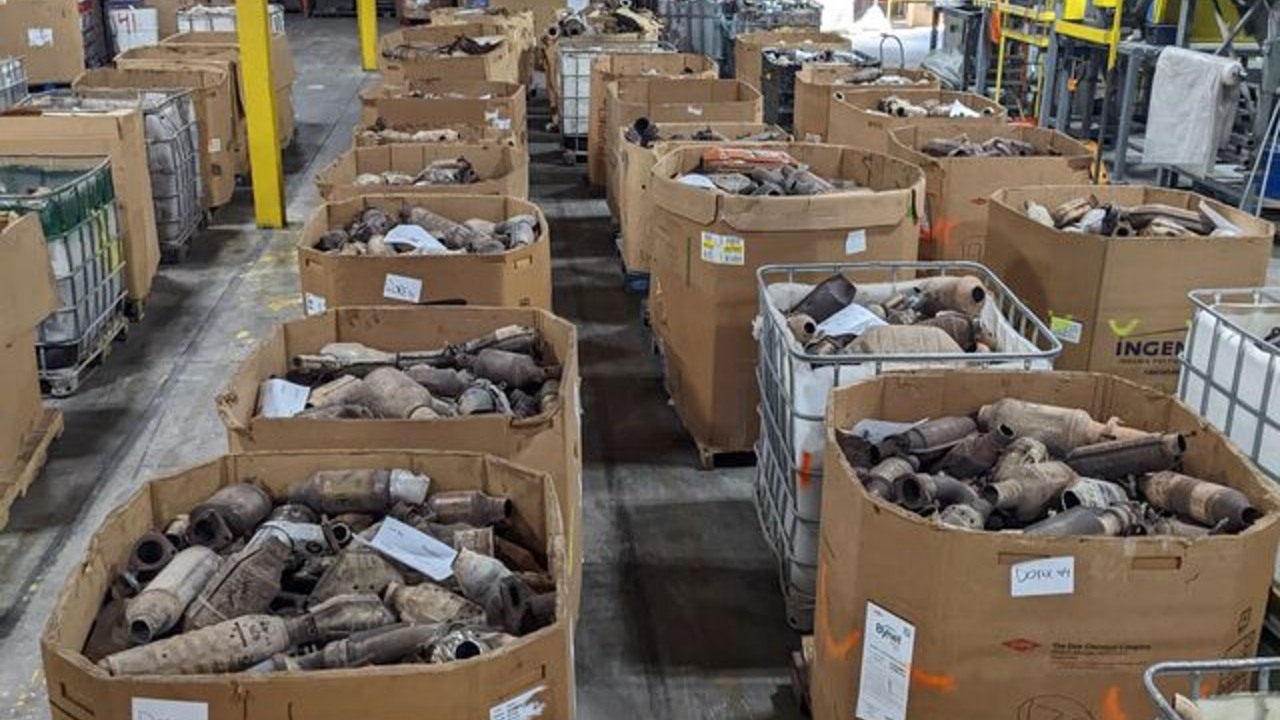
The scale of the problem is no longer anecdotal. One national analysis found that Last year, thieves stole 27,609 catalytic converters in the US, with more than half of those thefts happening in Calif, a concentration that reflects both vehicle density and local scrap markets. Earlier reporting on the trend described how, Across the country, reported catalytic converter thefts were skyrocketing, with law enforcement officials warning that the economics for criminals were “very good,” a characterization captured in televised coverage that framed the surge as a national problem rather than a regional quirk, as seen in segments titled WATCH and here.
Certain vehicles are more attractive targets than others, which helps explain why some neighborhoods feel the impact more acutely. Taller vehicles like SUVs and pickup trucks give thieves more room to work underneath without jacking up the car, and older models can be especially vulnerable if they lack modern anti theft features, a pattern described in consumer coverage of what is a catalytic converter and why people keep stealing them. Security focused explainers add that a single stolen minute enables a thief to cut and grab the converter, while vehicles that are visibly protected will often get ignored, a point emphasized in breakdowns of how thieves operate.
What it costs you when a catalytic converter disappears
For the driver who walks out to a car that suddenly sounds like a race car, the consequences are immediate and expensive. Without a converter, the exhaust system is effectively open, which creates a deafening roar as soon as the engine starts and can trigger dashboard warning lights when oxygen sensors detect abnormal readings. Repair shops and automaker affiliated guides explain that the converter is a car part that works with the exhaust system to reduce emissions and that replacing it can run into the thousands of dollars once parts and labor are included, especially on vehicles that use more complex multi stage systems, a reality spelled out in service center explainers on what is a catalytic converter, and what does it do.
There is also a legal and environmental cost. Driving without a converter can violate emissions laws, and inspection programs in many states will fail a vehicle that has had its converter removed or tampered with. Consumer insurance guides stress that catalytic converters are designed to reduce harmful emissions and that their theft not only saddles owners with repair bills but also temporarily pushes more pollution into the air, a point underscored in resources that answer what does a catalytic converter do and in Q&A style explainers that ask what does a catalytic converter do and why steal them.
How to make your car a harder target
Given the speed and simplicity of these thefts, prevention is about making your vehicle look like more trouble than it is worth. Security experts and insurers recommend a mix of parking strategies and physical deterrents, from choosing well lit, busy areas to installing motion activated cameras that can capture anyone who tries to crawl under your car. One detailed prevention guide notes that a single stolen minute enables a thief to cut out a converter, but that vehicles which are visibly protected will often get ignored, especially when thieves are moving quickly through a lot or street, a pattern described in depth in breakdowns of catalytic converter theft.
Physical upgrades can also tilt the odds in your favor. Insurers and auto clubs suggest options like welded rebar cages around the converter, aftermarket shields that bolt to the frame, or even etching the vehicle identification number onto the converter to make resale riskier, a set of tactics laid out in consumer guides that list 5 ways to prevent catalytic converter theft and in checklists that offer tips to prevent catalytic converter theft. More comprehensive 2025 guides add that as thieves increasingly use battery powered reciprocating saws, heavy gauge shields and professional welds can significantly slow them down, especially when combined with visible warnings that the converter has been marked or protected, a strategy emphasized in updated advice on precious metals driven theft prevention.
Why this obscure part became a perfect crime target
When I step back from the technical details and the crime statistics, the catalytic converter looks like a case study in unintended consequences. Regulators pushed automakers to clean up exhaust, engineers responded with a clever device built around rare metals, and global markets turned those metals into a high value commodity. The result is a part that most drivers never see, yet it sits exposed under the car, packed with Platinum, Palladium, and Rhodium that can be monetized in a matter of hours once a thief has it in hand, a dynamic spelled out in both technical explainers on the Platinum, Palladium, and Rhodium chemistry and in market focused coverage of Rhodium at $10,000 levels.
For now, that combination of environmental necessity and criminal opportunity is not going away, and the data suggests thieves are still finding the risk reward equation attractive. Poll based research into public awareness of converter theft, referenced in broader overviews of the catalytic device, indicates that many drivers still underestimate how vulnerable their vehicles are, even as theft counts climb into the tens of thousands. Until the economics of precious metals shift or manufacturers redesign exhaust systems to hide or harden converters by default, the most realistic response for drivers is to understand how this obscure part works, recognize why it has become a target, and take practical steps to make their own car a less appealing mark.




Leave a Reply