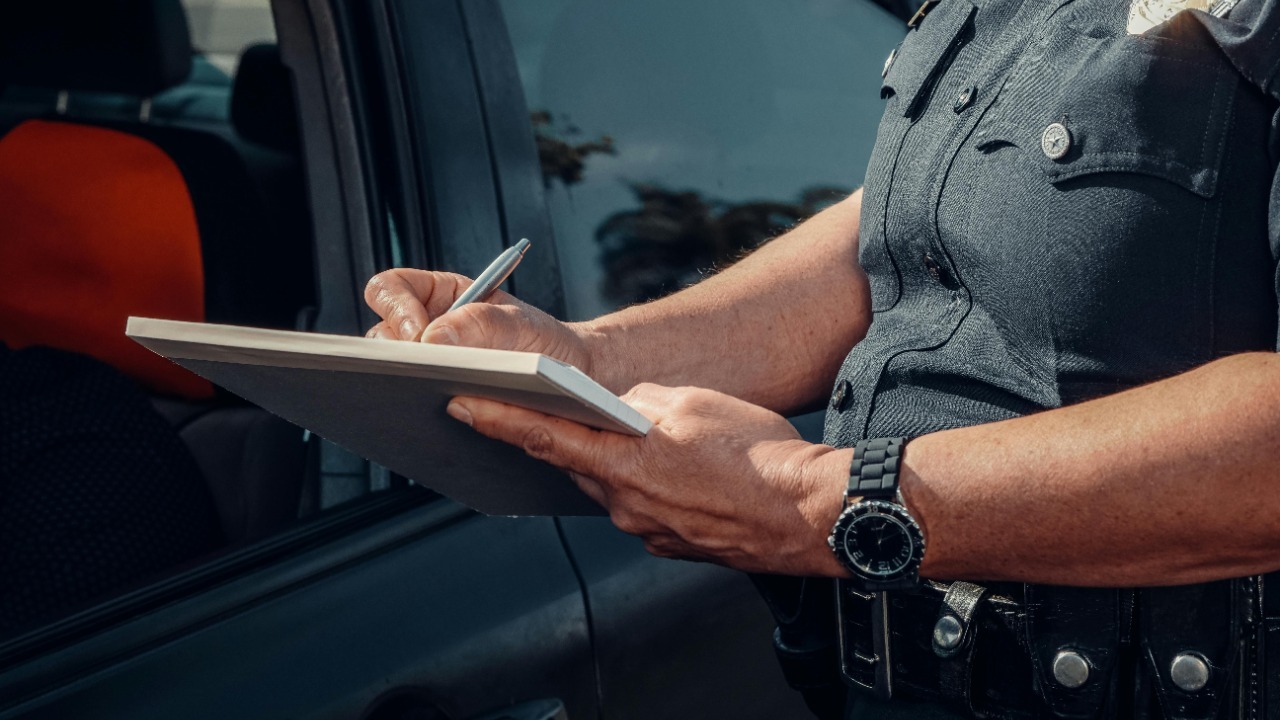
Traffic stops often turn on small choices made in a few tense minutes, and those choices can quietly push an officer toward a ticket instead of a warning. Drivers tend to focus on the original violation, but what happens after the lights come on can matter just as much as the speed on the radar gun. I have found that the way people talk, move and argue on the shoulder of the road can accidentally build the case against them in the officer’s mind.
Understanding how drivers talk themselves into citations is not about gaming the system, it is about recognizing the human factors that shape an officer’s discretion. When you see how attitude, body language and even your car choice feed into that decision, it becomes easier to avoid the behaviors that convince police you deserve a ticket.
How attitude turns a warning into a citation
The fastest way I see drivers sabotage themselves is by treating a stop like a personal insult instead of a legal encounter. When someone rolls down the window already angry, interrupts questions or refuses basic instructions, it signals to the officer that cooperation will be a problem. In one clip titled Entitled Driver Totally Convinced Laws Don, the driver is so certain the rules do not apply to her that every exchange becomes a confrontation, which only hardens the officer’s resolve to enforce the law strictly.
Another recording from Georgia shows the same pattern playing out in a more everyday setting. In that stop, described as happening On May, a driver who failed to obey a stop sign at a four-way intersection decides that giving the officer attitude will somehow head off a ticket. Instead, the hostility escalates the encounter, leads to a search of the vehicle and ends with the driver removing items and a child from the car while the citation is written. The underlying violation is routine, but the behavior during the stop convinces the officer that leniency would be misplaced.
Excuses that sound like admissions
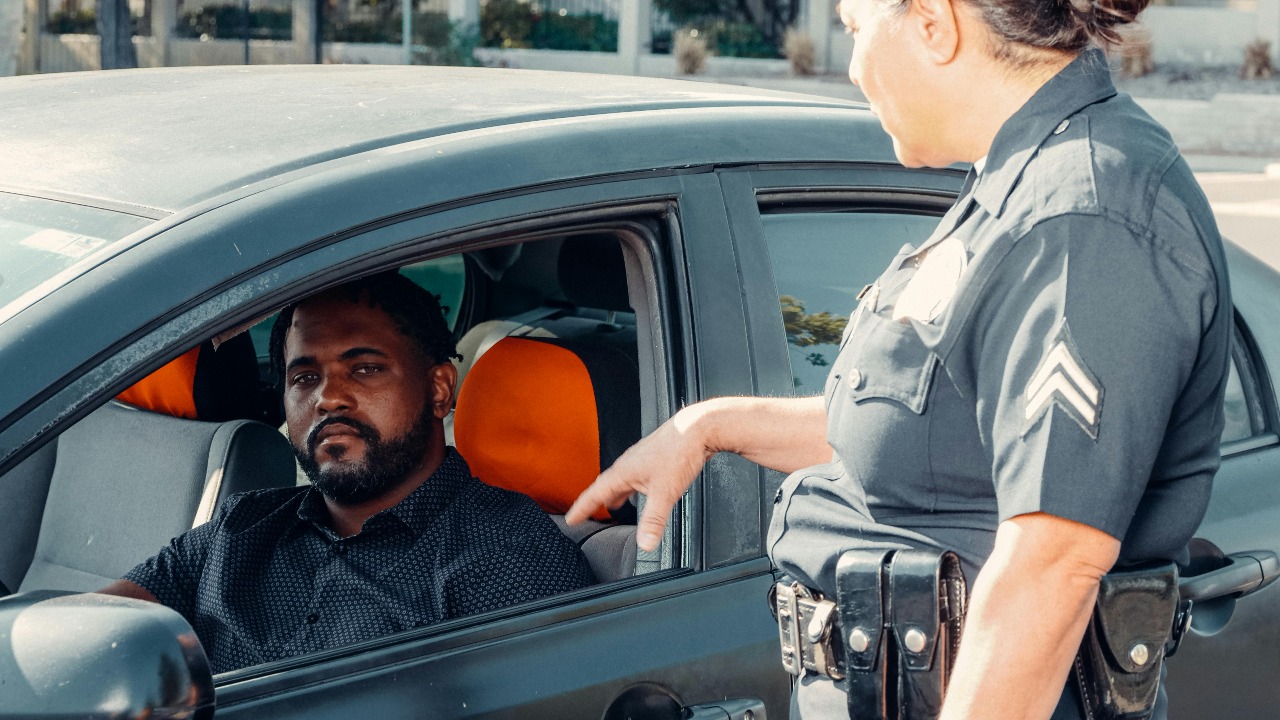
Even drivers who stay polite often talk themselves into trouble by offering elaborate excuses that sound more like confessions. I have watched people try to explain away a speed reading with stories about being late, distracted or confused, not realizing they are confirming every element of the offense. In one social clip, an officer clocks a driver and notes, “So Zachay’s at seventy-seven,” then breaks down how that speed translates to roughly “a 10 or 1 20 feet per second” over the limit, before asking for a license with a calm “Hey, see driver’s license please. Alright.” The exchange, captured in a reel that opens with “So Zachay,” shows how quickly a simple acknowledgment of speeding can lock in the officer’s case.
Once a driver starts piling on explanations, it can also shift the officer’s focus from a single infraction to a broader pattern of unsafe behavior. Legal guidance on traffic cases notes that while speeding tickets are probably the most common reason people are pulled over, a considerable number of stops end with charges for reckless or inattentive driving instead. One analysis explains that While a driver might expect only a basic citation, describing how they were weaving through traffic, looking at a phone or ignoring signs can give the officer grounds to cite more serious offenses. In trying to talk their way out of one ticket, they accidentally build the case for a harsher one.
Why some drivers get breaks and others do not
From the driver’s side of the window, it can feel like officers decide randomly who gets a warning and who gets a citation. In reality, police have wide discretion, but they tend to weigh the same set of cues over and over. One legal explainer notes that Officers have significant discretion in traffic enforcement, and that factors influencing whether they issue a citation versus a warning include the seriousness of the violation, the driver’s prior record, safety concerns at the scene and how cooperative the person appears. When a motorist is argumentative, slow to comply or visibly irritated, they are quietly checking the boxes that push the officer toward a ticket.
Rank-and-file perspectives echo that pattern. In one discussion, a Civilian who almost entered law enforcement describes getting both warnings and tickets and notes that demeanor often made the difference. Officers responding in that thread emphasize that they are more inclined to cut a break when a driver is honest, calm and clearly paying attention to instructions. When someone instead leans on sarcasm, refuses to hand over documents promptly or treats the stop like a debate club, they are effectively arguing themselves out of the officer’s good will.
The myths about “ticket magnets” on the road
Another way drivers accidentally nudge officers toward citations is by buying into myths about which cars get targeted, then driving in a way that fits the stereotype. People love to swap stories about red sports cars or lifted trucks being “ticket magnets,” but the data points in a different direction. One breakdown of insurance records notes that “Perhaps the” most important phrase in the analysis is that it is the driver, not the car, who creates the risk, and that ticketing reflects the behavior of their drivers rather than the paint color or badge on the grille. That conclusion, drawn from a list of which models see the most citations, is summed up in the line that Perhaps the most trenchant phrase is the reminder that human choices, not hardware, drive enforcement.
When someone believes their Subaru WRX, Dodge Charger or BMW M3 is doomed to be pulled over, they sometimes lean into aggressive driving as if the ticket is inevitable. That attitude can show up in tailgating, quick lane changes or rolling stops that draw attention long before the officer notices the badge on the trunk. Once the stop happens, the same fatalism can spill into the conversation, with the driver insisting they were singled out because of the car instead of engaging with the actual violation. In practice, that refusal to take responsibility is what convinces the officer that a formal citation, not a warning, is the only way to get the message across.
How to talk to an officer without talking yourself into a ticket
Drivers cannot control every factor in a stop, but they have more influence than they think over how the encounter unfolds. Safety guidance for commercial operators, who are pulled over frequently, starts with a simple principle: stay calm, signal promptly and show basic respect. One bulletin frames it as a response to the thought, “Am I really being pulled over?” and stresses that Although no one likes being stopped, it is essential to show a law enforcement official that you are taking the situation seriously. That means pulling over safely, turning off the engine, keeping your hands visible and waiting for instructions instead of rummaging through the glove box or stepping out uninvited.
Once the officer is at the window, the goal is not to deliver a courtroom defense but to keep the interaction straightforward and human. Legal advice on contesting citations points out that “It is safe to say that making some kind of human connection with the officer is the best way to reduce the chances of” a harsh outcome, and that many tickets are resolved without the driver and officer ever speaking again in court. That insight, drawn from guidance on how to negotiate a traffic ticket, underscores how much weight the initial stop carries. A brief apology, a clear “Yes, officer” when asked for documents and a willingness to listen can keep the encounter in the realm of a warning instead of a citation that follows you to court and your insurance bill.