
Globalization has played a pivotal role in spreading cultural phenomena across borders, and tuner car culture is no exception. Once a niche interest primarily concentrated in Japan, the tuner car scene has expanded worldwide, transforming into a global subculture celebrated for its creativity, engineering prowess, and community spirit.
The Origins of Tuner Car Culture
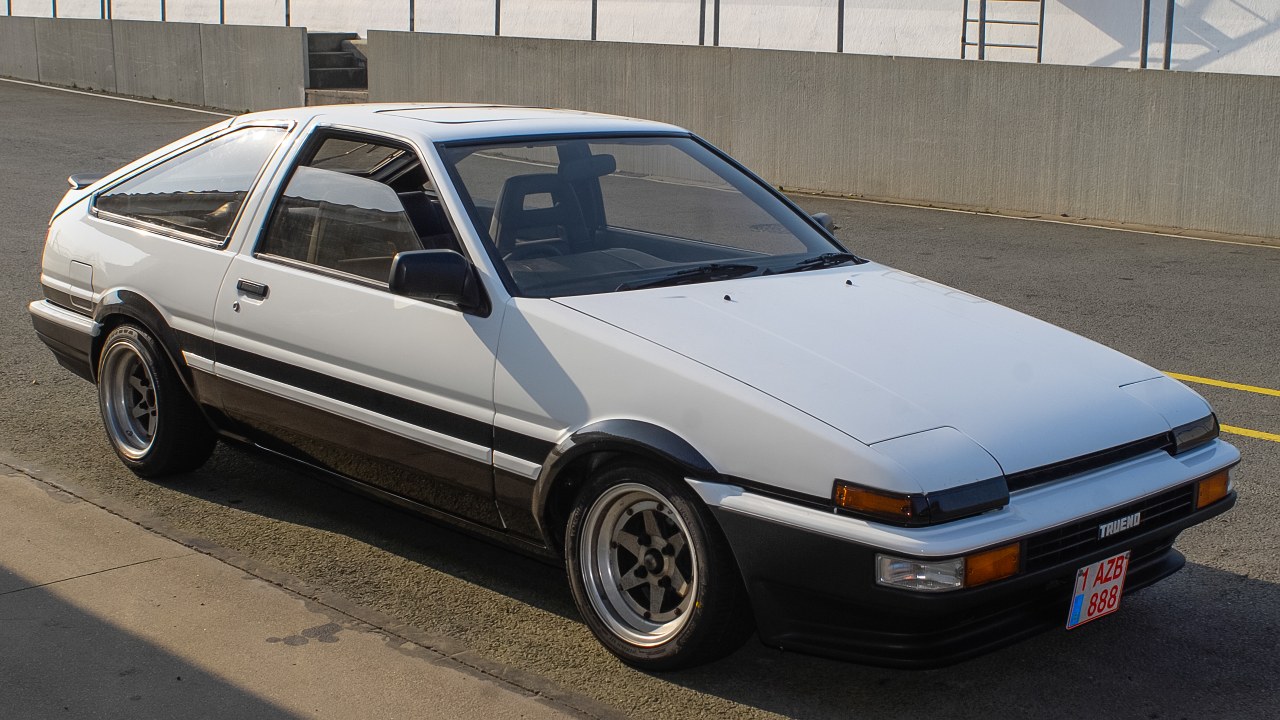
The roots of tuner car culture can be traced back to post-war Japan, where the country’s economic resurgence and burgeoning automotive industry laid the groundwork for this vibrant subculture. In the 1960s and 1970s, Japan’s rapid industrial growth led to the emergence of car manufacturers like Honda, Toyota, and Nissan, which began producing affordable and reliable vehicles. These brands quickly gained popularity, not only for their practicality but also for their potential to be modified and enhanced. The availability of these cars, coupled with Japan’s dense urban environments, gave rise to a unique street racing scene, where enthusiasts sought to push the limits of their vehicles’ performance.
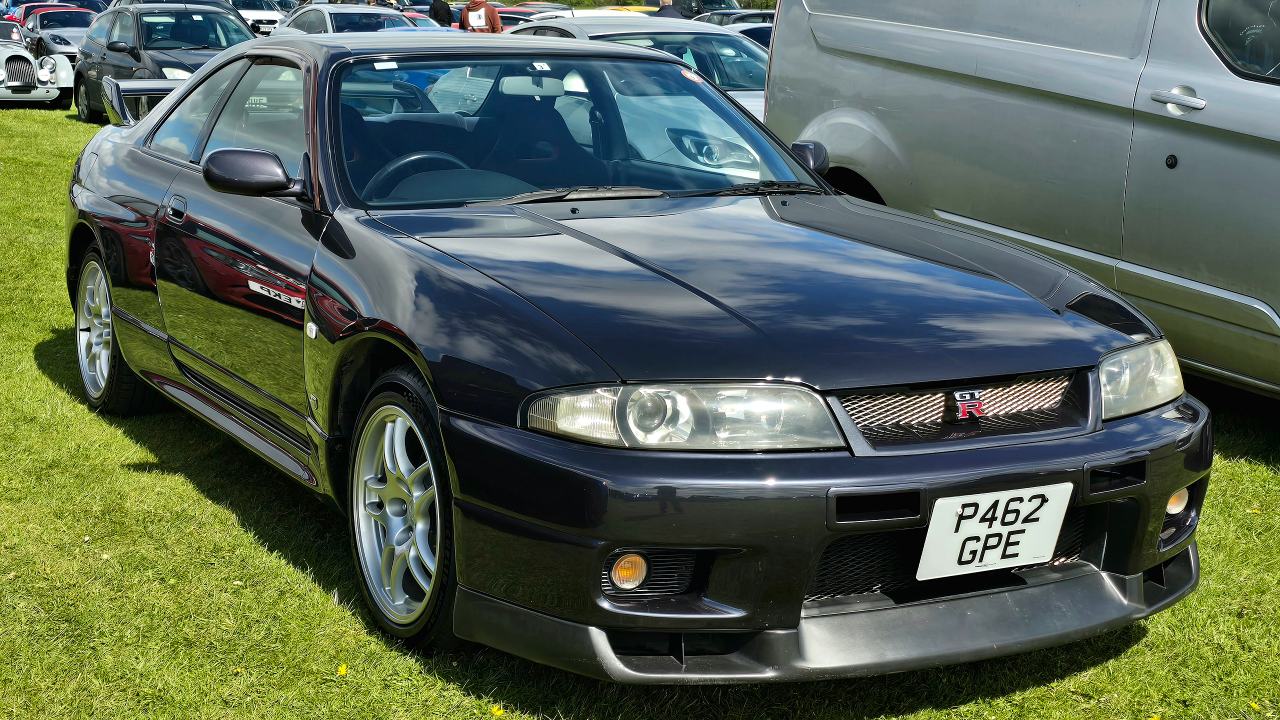
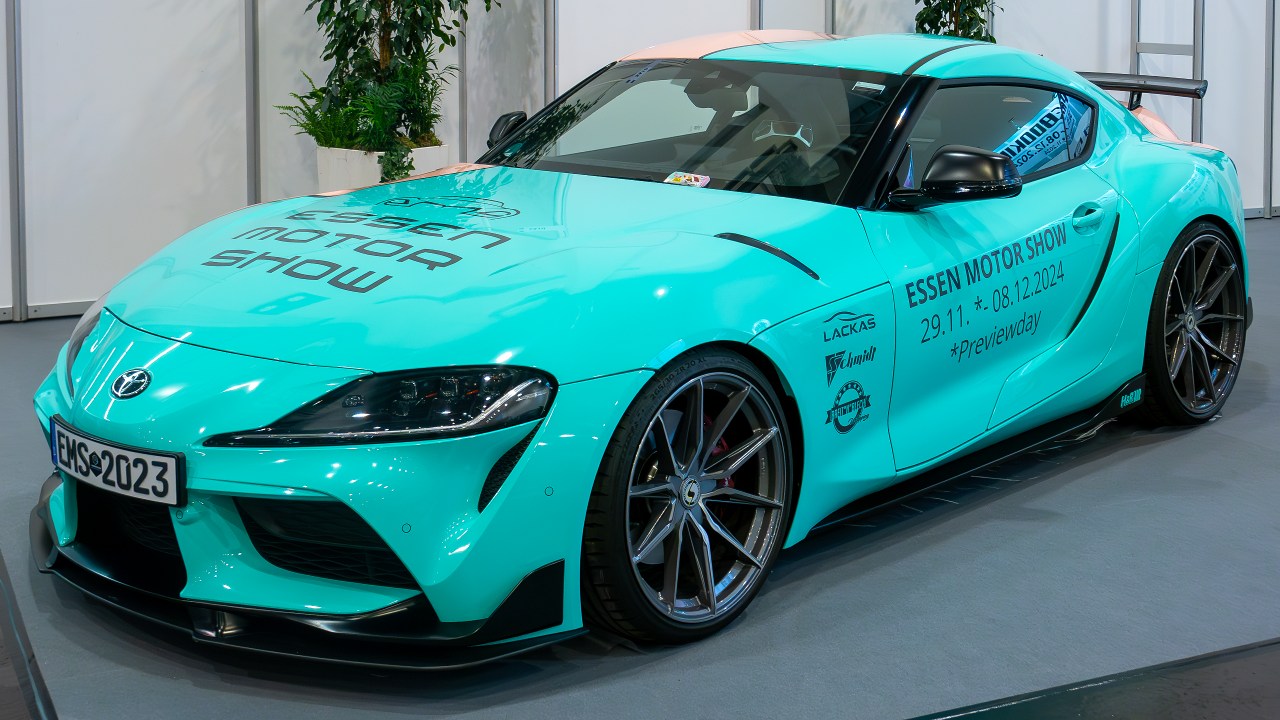
Japanese car manufacturers played a significant role in shaping the tuner scene by producing models that were both accessible and highly modifiable. Vehicles like the Nissan Skyline GT-R, Toyota Supra, and Honda Civic became icons within the community, celebrated for their engineering excellence and adaptability. The influence of street racing, often glamorized in media portrayals, further popularized tuner culture. Films and television shows depicted the thrill and excitement of modifying cars for speed and style, capturing the imagination of audiences worldwide and setting the stage for the culture’s global expansion.
The Role of Globalization in Cultural Exchange
Globalization facilitated the spread of tuner car culture through international trade, allowing for the exchange of vehicles and automotive parts across borders. As Japanese cars were exported to various countries, they brought with them the ethos of customization and performance enhancement. Enthusiasts in different regions began to adopt and adapt these practices, leading to a diverse and interconnected global community. The importation of Japanese cars, particularly in the United States, played a crucial role in establishing a strong tuner presence outside of Japan.
The advent of the internet and social media further accelerated the global exchange of ideas and trends within the tuner community. Platforms like Instagram, YouTube, and specialized forums provided enthusiasts with the means to connect, share their projects, and inspire one another regardless of geographical location. This digital connectivity allowed for the rapid dissemination of new techniques, styles, and innovations, fostering a sense of unity and collaboration among tuner enthusiasts worldwide. International car shows and events, such as the Tokyo Auto Salon and SEMA Show, have become melting pots for the community, where enthusiasts gather to showcase their creations and exchange ideas, further solidifying the global nature of tuner culture.
Adaptation and Evolution Across Different Regions

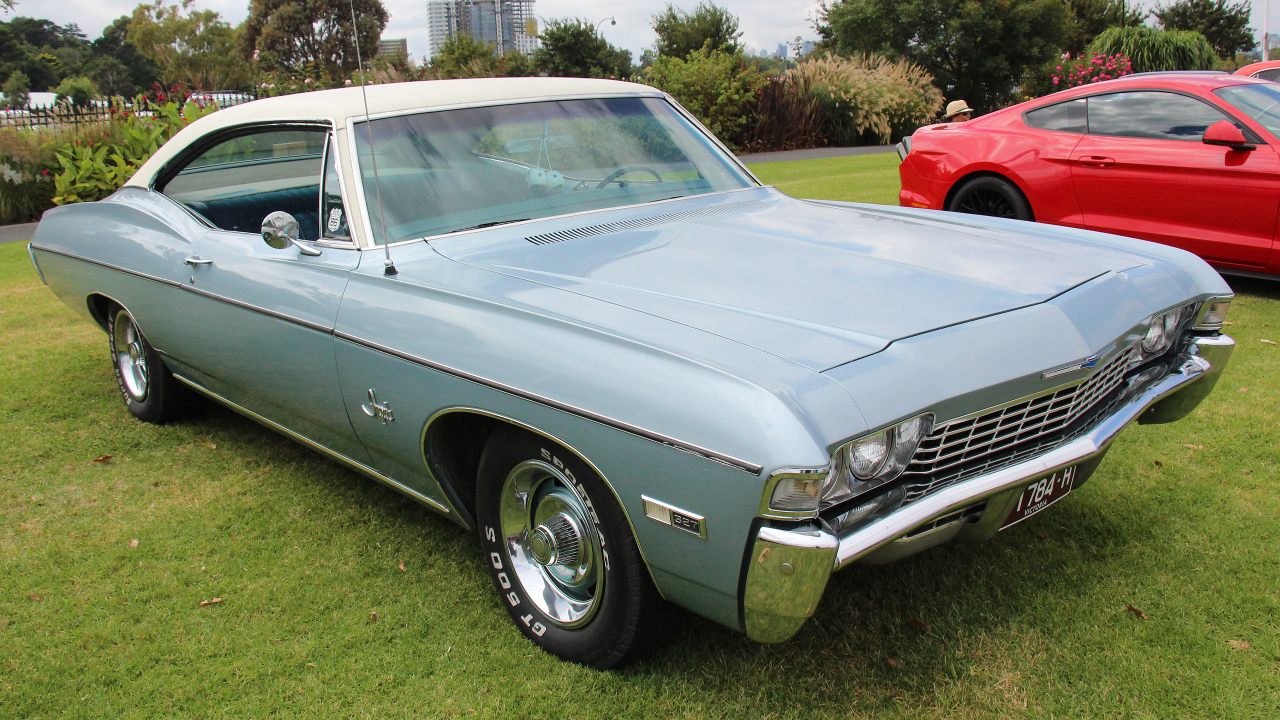
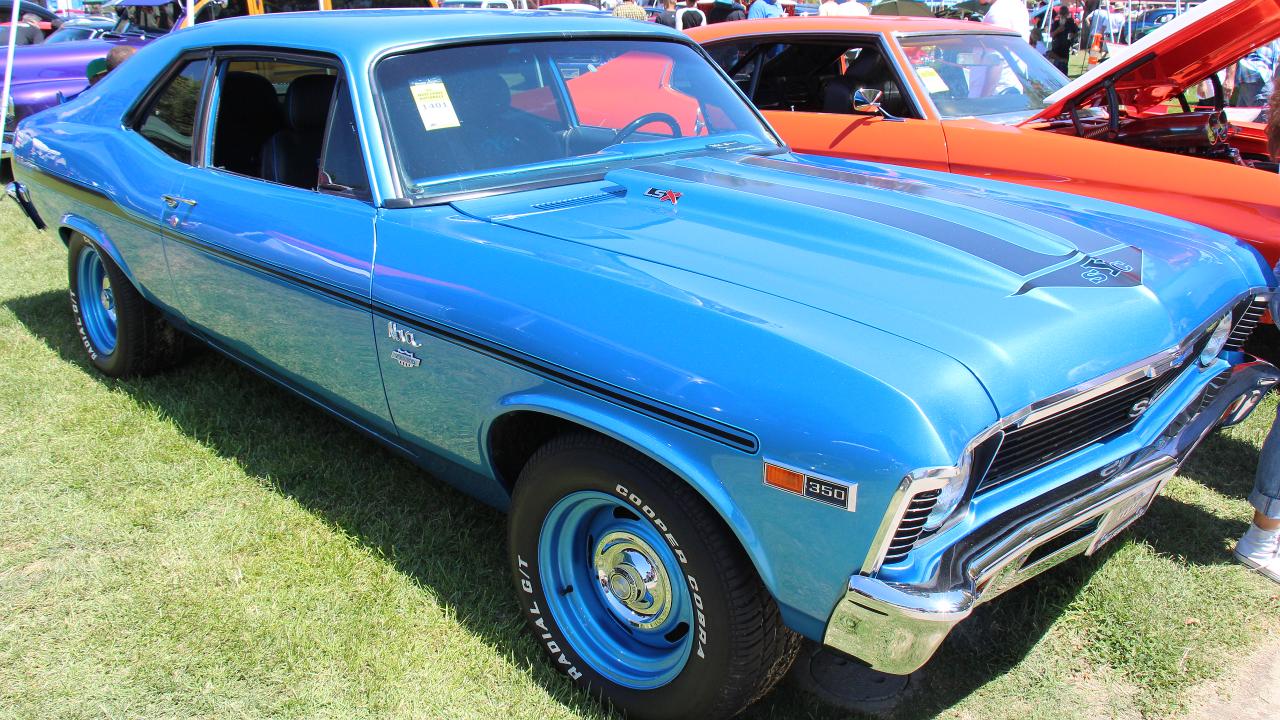
As tuner car culture spread globally, it evolved and adapted to reflect the unique characteristics and preferences of different regions. In the United States, the culture took on a distinct flavor, with a focus on muscle cars and unique customization styles. American enthusiasts embraced the challenge of modifying domestic vehicles, such as the Ford Mustang and Chevrolet Camaro, blending traditional tuner techniques with the raw power and aesthetics of classic American muscle. This fusion of styles created a vibrant and diverse tuner scene that continues to thrive today.
In Europe, tuner culture has been influenced by the continent’s rich automotive heritage, with enthusiasts often focusing on performance and luxury brands. European car enthusiasts have integrated tuner culture with a keen eye for precision engineering and high-performance modifications. Brands like BMW, Audi, and Volkswagen have become popular choices for European tuners, who often prioritize handling and performance enhancements. This regional adaptation highlights the versatility and adaptability of tuner culture, as it continues to evolve and thrive in different parts of the world.
Emerging markets in regions like Southeast Asia and Latin America are also experiencing a surge in tuner communities. In these areas, enthusiasts are embracing the culture with enthusiasm, often focusing on affordability and creativity in their modifications. The growing accessibility of automotive parts and the influence of global media have contributed to the rise of vibrant tuner scenes in these regions, showcasing the universal appeal and adaptability of tuner culture.
Economic and Cultural Impacts

The global spread of tuner car culture has had significant economic and cultural impacts, particularly in the automotive aftermarket industry. The demand for performance parts, customization services, and specialized accessories has fueled a booming industry that generates billions of dollars annually. Companies specializing in aftermarket products have flourished, catering to the diverse needs and preferences of tuner enthusiasts worldwide. This economic growth has created jobs and opportunities within the industry, highlighting the financial significance of tuner culture.
Beyond its economic impact, tuner culture has facilitated cultural exchange and understanding among enthusiasts from different backgrounds. The shared passion for cars and customization has brought together individuals from diverse cultures, fostering a sense of community and camaraderie. Tuner events and gatherings often serve as platforms for multicultural interactions, where enthusiasts can learn from one another and appreciate the unique perspectives and styles that each region brings to the table. However, the tuner community also faces challenges and controversies, such as legal issues related to street racing and environmental concerns regarding emissions and fuel consumption. These challenges highlight the need for responsible and sustainable practices within the culture.
The Future of Tuner Car Culture in a Globalized World

As the automotive industry continues to evolve, so too will tuner car culture. Technological advancements, such as electric vehicles and autonomous driving, are poised to influence the future of the tuner scene. Enthusiasts are already exploring ways to modify and enhance electric vehicles, focusing on performance upgrades and aesthetic customizations. The shift towards sustainable and eco-friendly modifications is becoming increasingly important, as environmental considerations play a larger role in the culture’s evolution.
Globalization will continue to shape the future of tuner car culture, as ongoing connectivity allows for the exchange of ideas and innovations across borders. The community’s ability to adapt and embrace new technologies and trends will be crucial in ensuring its continued growth and relevance. As tuner culture evolves, it will remain a testament to the power of globalization in fostering creativity, collaboration, and cultural exchange.
Like Fast Lane Only’s content? Be sure to follow us.
Here’s more from us:
*Created with AI assistance and editor review.



Leave a Reply