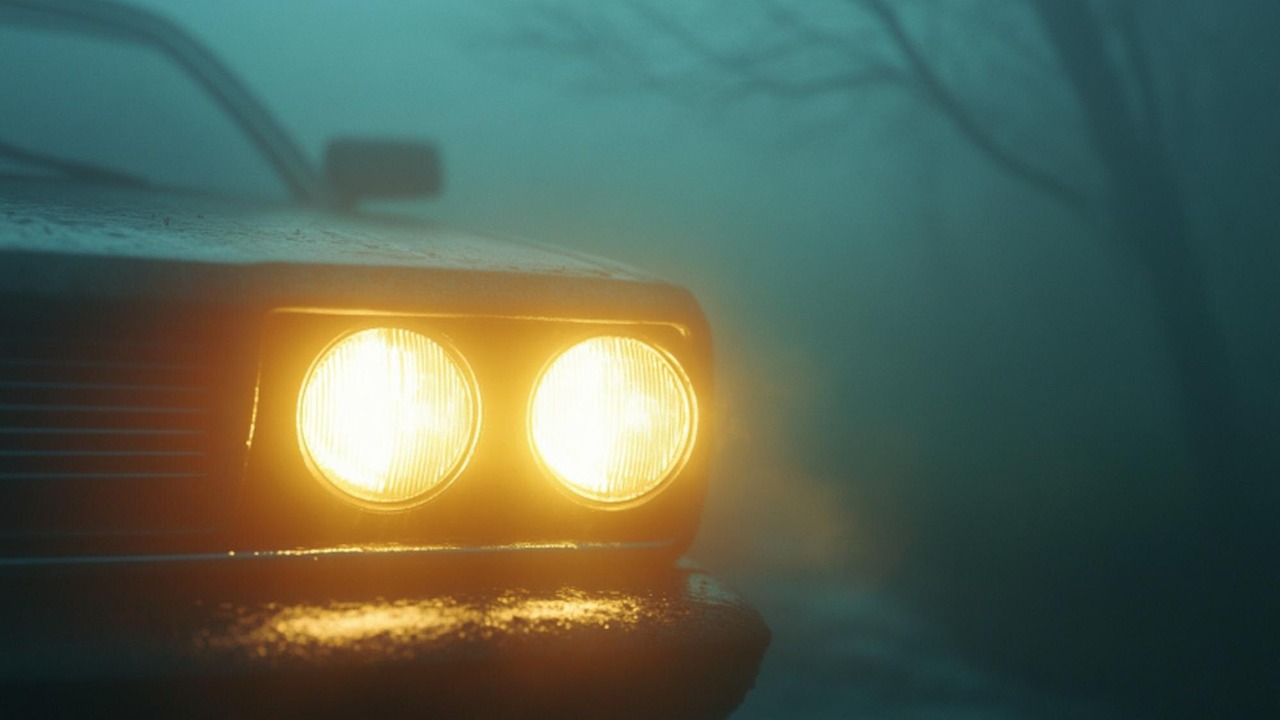
Modern drivers are navigating a very different kind of night than their grandparents did. Headlights that once glowed in a soft, cozy yellow now slice through the dark with piercing white beams that can feel more like studio lighting than simple safety gear. I want to unpack how we got from those early lantern-like lamps to today’s retina-searing LEDs, and why the shift is as much about regulation and perception as it is about raw technology.
The story starts with crude flames and ends with computer-controlled light patterns, but the thread running through it is simple: every generation of headlights has tried to push a little farther into the dark. Along the way, we have traded warmth for clarity, comfort for reach, and sometimes courtesy for sheer power.
The sooty beginnings: from flames to filaments
Long before anyone complained about glare, drivers were just trying to see anything at all. Early cars relied on lamps that burned oil or Acetylene, a setup that borrowed more from carriage lanterns than from modern electronics. These systems were finicky, vulnerable to wind and rain, and produced a wavering, yellowish light that barely outlined the road ahead. As charming as they look in photos, they were closer to camping gear than to what we would recognize as a headlight.
As cars got faster, that kind of flickering glow simply could not keep up. Manufacturers experimented with electric lamps and reflectors, gradually moving away from open flames and toward sealed bulbs that could survive vibration and weather. Histories of lighting trace how carbide and Acetylene “Headlight” units gave way to more reliable electric systems that finally started to resemble the round lamps we picture on classic cars. It was still a warm, relatively dim light, but it marked the first big step away from literal fire toward controllable beams.
Halogen’s warm glow and the long reign of yellow
The real turning point for that cozy yellow look arrived with halogen technology. Then came H1 Halogen bulbs in 1962, first in Europe, bringing a compact, bright filament sealed in halogen gas that could run hotter and last longer than older designs. They were so effective that they dominated for decades, especially once they finally became legal in the United States, and they set the visual template for what many of us still think of as “normal” headlights. That familiar golden tone came from the heated filament itself, which naturally produced a color temperature around 2,700 K, close to a household incandescent.
Because halogen headlights produce light from a heated filament, they delivered that soft yellowish beam that felt gentle on the eyes, even if it did not reach as far as newer tech. Enthusiasts have pointed out that this Because of their lower color temperature, they were less likely to trigger that harsh, icy sensation we now associate with oncoming traffic. For a long stretch of the twentieth century, that tradeoff felt acceptable: a bit less reach in exchange for a calmer, more forgiving night drive.
From selective Yellow to crisp White
For years, regulators in some countries actually tried to lock in that warmer feel. From 1936 all the way to the early 1990s, France required Yellow headlights, betting that a softer hue would cut glare and improve comfort in fog and rain. That “selective yellow” effect was usually created by filters that stripped out some of the blue content from the beam. It made the light look cozy, but it also literally threw away part of the output, dimming the road just when drivers needed every lumen they could get.
As engineers chased better performance, the industry shifted toward White beams that more closely mimic daylight. White light is preferred for many reasons: it improves contrast, helps drivers distinguish colors, and lines up better with how our eyes evolved to process the spectrum of sunlight. The filters used to create selective yellow light dim the brightness of headlights, while a clean white beam can use the full output of the bulb to punch farther down the road. That shift from filtered yellow to unfiltered white is one of the quiet reasons modern headlights feel so much more intense.
Xenon, LEDs and the leap to blistering brightness
The next big jump came when automakers started moving beyond simple filaments. The Xenon lamp, introduced in the early 1990s, used a high intensity discharge arc to create a brilliant, bluish-white beam that better compensated for the shortcomings of halogen lamps. Reports on The Xenon era note that these systems offered much higher output and a longer service life, often up to 15,000 hours, compared with the relatively short lifespan of a halogen filament. They also pushed color temperatures higher, into a cooler, whiter range that many drivers perceived as more modern and premium.
Then LEDs arrived and rewrote the rulebook again. Bulbs were no longer just glass capsules but arrays of tiny semiconductors that could be shaped, dimmed, and aimed with incredible precision. Analysts point out that the most important factor in today’s glare complaints has been the shift from halogen Bulbs to LEDs, since most new cars now rely on light emitting diodes that can pack a lot of intensity into compact housings. Technical breakdowns of Halogen Headlights, HID systems, and LEDs emphasize that LEDs draw less power, run cooler, and can last far longer than older designs, which makes them irresistible to automakers even as drivers wrestle with the side effects.
Why today’s beams feel so harsh on the eyes
If you feel like every oncoming SUV is trying to interrogate you, you are not imagining it. Headlight intensities have actually been increasing in part because of things like the Insurance Institute for Highway Safety’s testing programs, which reward vehicles that light up more of the road. Analysts who track Headlight performance note that regulators and safety ratings have pushed manufacturers to chase longer reach and brighter beams, and that includes car headlights. The result is a kind of arms race, where each new model tries to outshine the last in lab tests, even if that means more discomfort for people on the receiving end.
Who is responsible for the brighter lights? Part of the answer lies with the technology itself. LEDs are efficient, compact, and durable, and they last longer than older bulbs, so automakers have every incentive to use them aggressively. Commentators who ask Who is driving the change point to styling trends, taller ride heights, and lax enforcement of aiming standards as additional culprits. Put a very bright, cool white LED module high up on a crossover grille, tilt it a few degrees too high, and you have a recipe for the “blinding” sensation so many drivers now complain about.
More from Fast Lane Only