
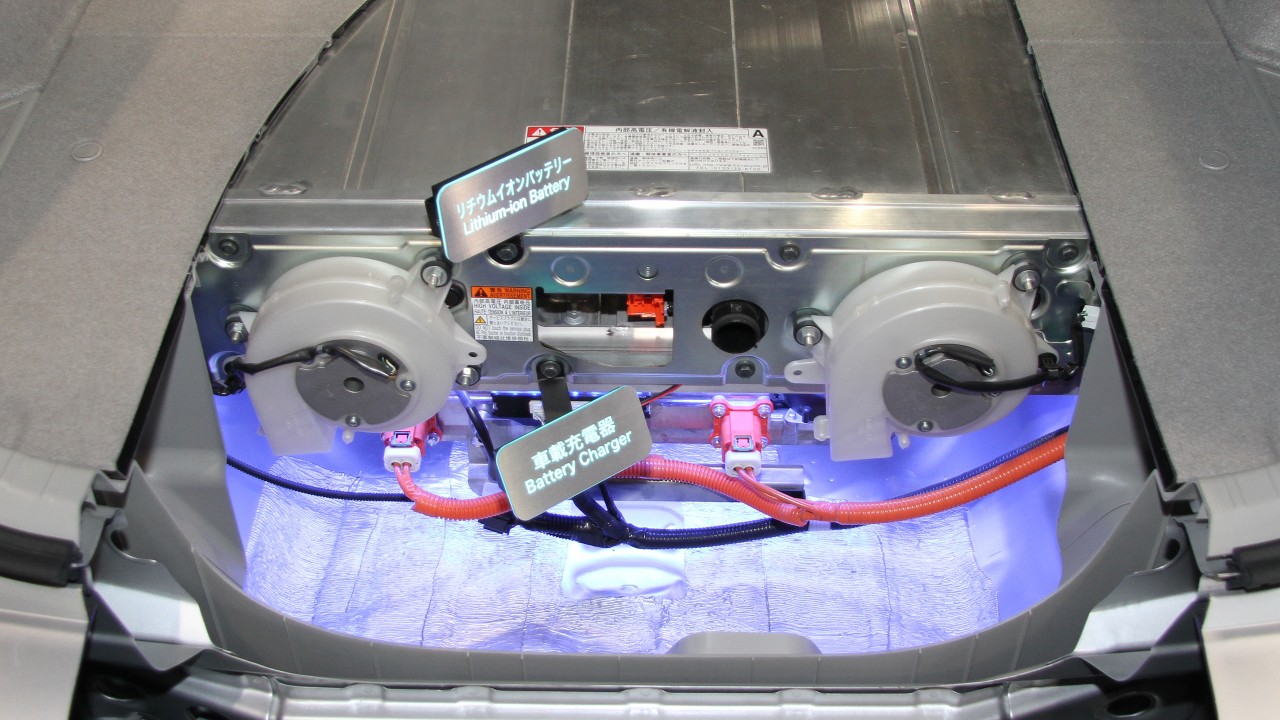
Hybrid vehicles have become an increasingly popular choice for eco-conscious drivers, but one common question remains: how long do their batteries last? Understanding the lifespan of a hybrid battery is crucial for potential buyers and current owners alike, as it impacts both the vehicle’s performance and long-term costs. This article explores the factors influencing hybrid battery longevity, typical lifespan expectations, and maintenance tips to extend their life.
Understanding Hybrid Batteries
Types of Hybrid Batteries
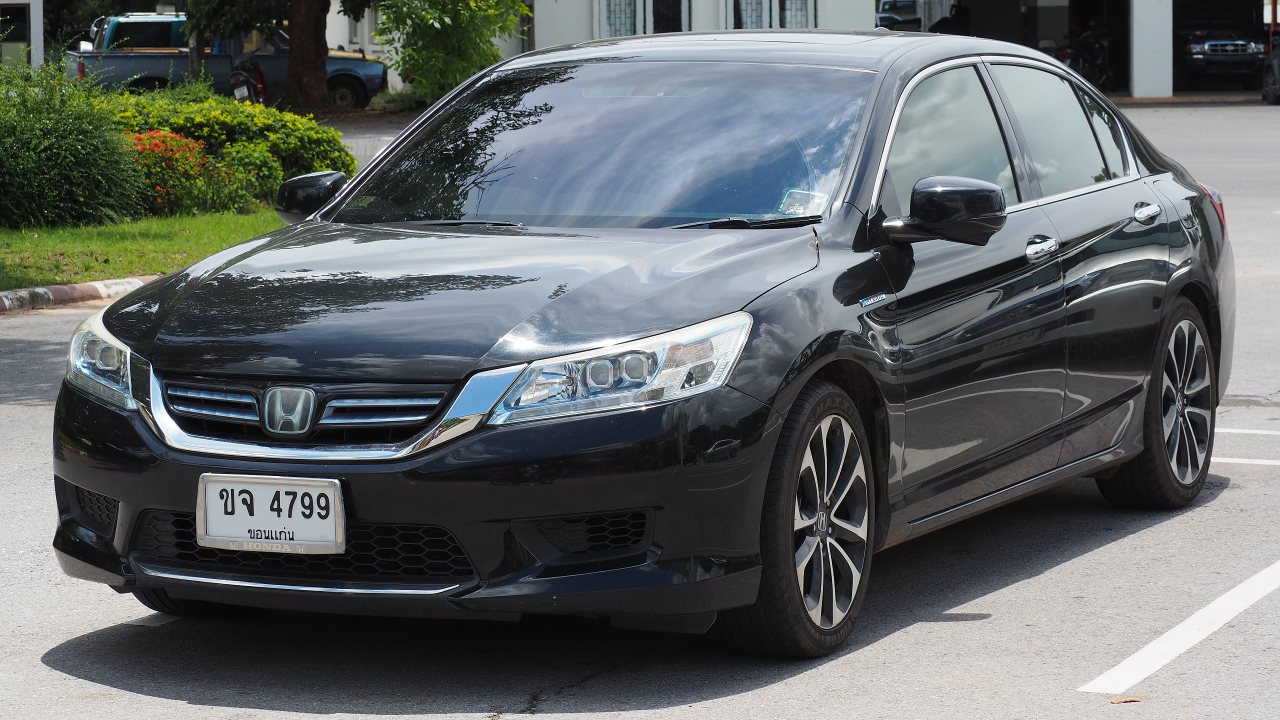
Hybrid vehicles commonly use two types of batteries: Nickel-Metal Hydride (NiMH) and Lithium-Ion (Li-ion). The Toyota Prius, particularly models from 2015 to 2021, often features NiMH batteries known for their durability and reliability. NiMH batteries are generally less expensive but are heavier and have a lower energy density compared to their Li-ion counterparts. On the other hand, Li-ion batteries, as used in the 2022 Honda Accord Hybrid, offer better performance with a higher energy density, making them lighter and more efficient. However, they tend to be more costly.
The differences in these battery types impact their longevity. NiMH batteries are known for their ability to withstand more charge cycles, which can contribute to a longer lifespan in terms of total miles driven. Meanwhile, Li-ion batteries provide more energy efficiency but may degrade faster if not properly maintained. This distinction plays a crucial role in deciding which hybrid vehicle might be the best fit for a driver’s needs.
Role of the Battery in Hybrid Vehicles
The hybrid battery’s primary role is to work in tandem with the gasoline engine, enhancing fuel efficiency and reducing emissions. In models like the 2020 Ford Escape Hybrid, the battery powers the electric motor, which assists the gasoline engine during acceleration and can take over completely at low speeds or when idling. This dual power system allows for significant fuel savings and lower emissions, as the engine can switch off when the battery is sufficient to power the car.
By taking on some of the load that would normally be handled by the gasoline engine alone, hybrid batteries help reduce overall fuel consumption. This not only translates to cost savings on fuel but also contributes to a smaller carbon footprint. Understanding this role underscores the importance of maintaining the battery’s health for optimal vehicle performance.
Factors Affecting Hybrid Battery Lifespan
Driving Habits and Conditions
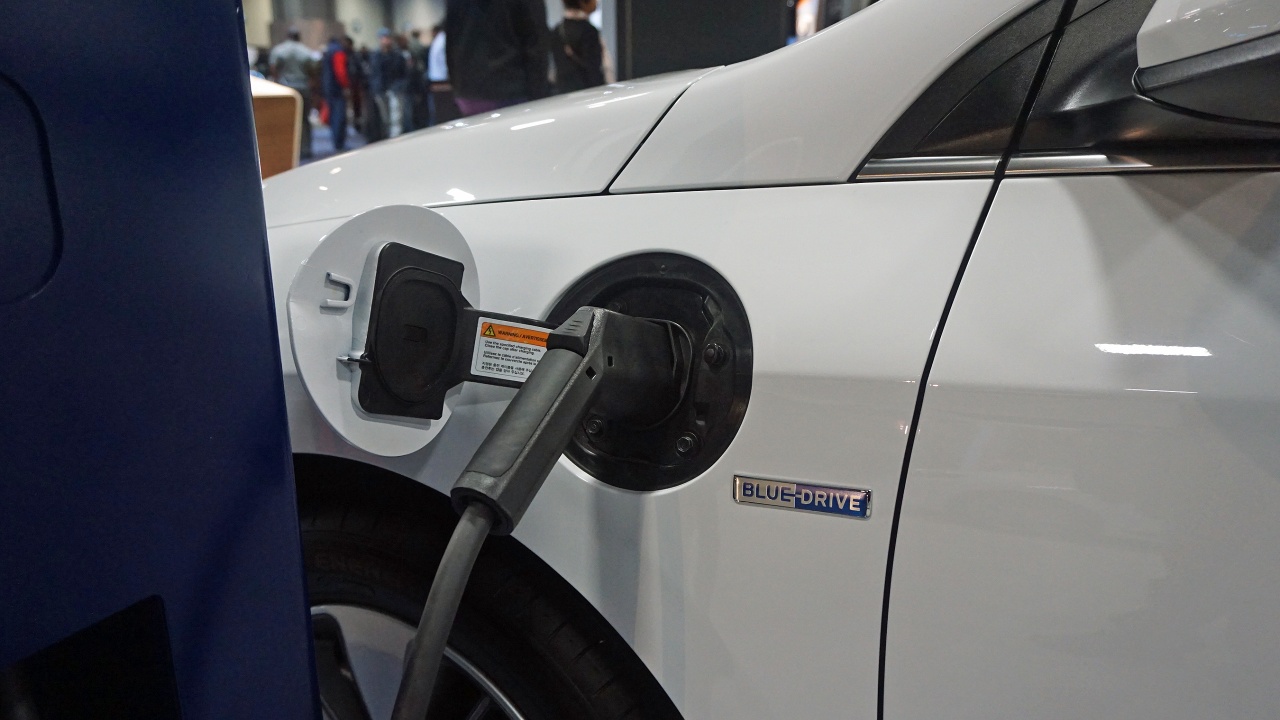
Driving habits significantly impact the lifespan of hybrid batteries. Vehicles like the 2017 Hyundai Ioniq demonstrate that frequent short trips can be more detrimental to battery life compared to long-distance driving. This is due to the battery not having sufficient time to recharge fully during short trips, which can result in more frequent charge cycles and increased wear.
Additionally, extreme weather conditions can affect battery performance. For instance, very high temperatures can lead to overheating, while extremely low temperatures may result in reduced efficiency. Owners of hybrid models such as the 2021 Kia Niro are advised to park in shaded or sheltered areas when possible and use climate control systems judiciously to mitigate these effects.
Battery Maintenance and Care
Regular maintenance is crucial for extending the lifespan of hybrid batteries. Keeping up with scheduled maintenance checks, as suggested by the manufacturer, ensures that the battery and related systems are functioning optimally. For example, the 2019 Chevrolet Volt includes specific maintenance guidelines that, if followed, can significantly extend battery life.
Proper charging practices are also vital. Overcharging or deep discharging can lead to premature battery degradation. Drivers should aim for moderate charge levels and avoid letting the battery drain completely. Simple practices, such as not leaving the vehicle plugged in for too long, can make a significant difference in preserving battery health over time.
Typical Lifespan of Hybrid Batteries
Manufacturer Estimates and Warranty Coverage
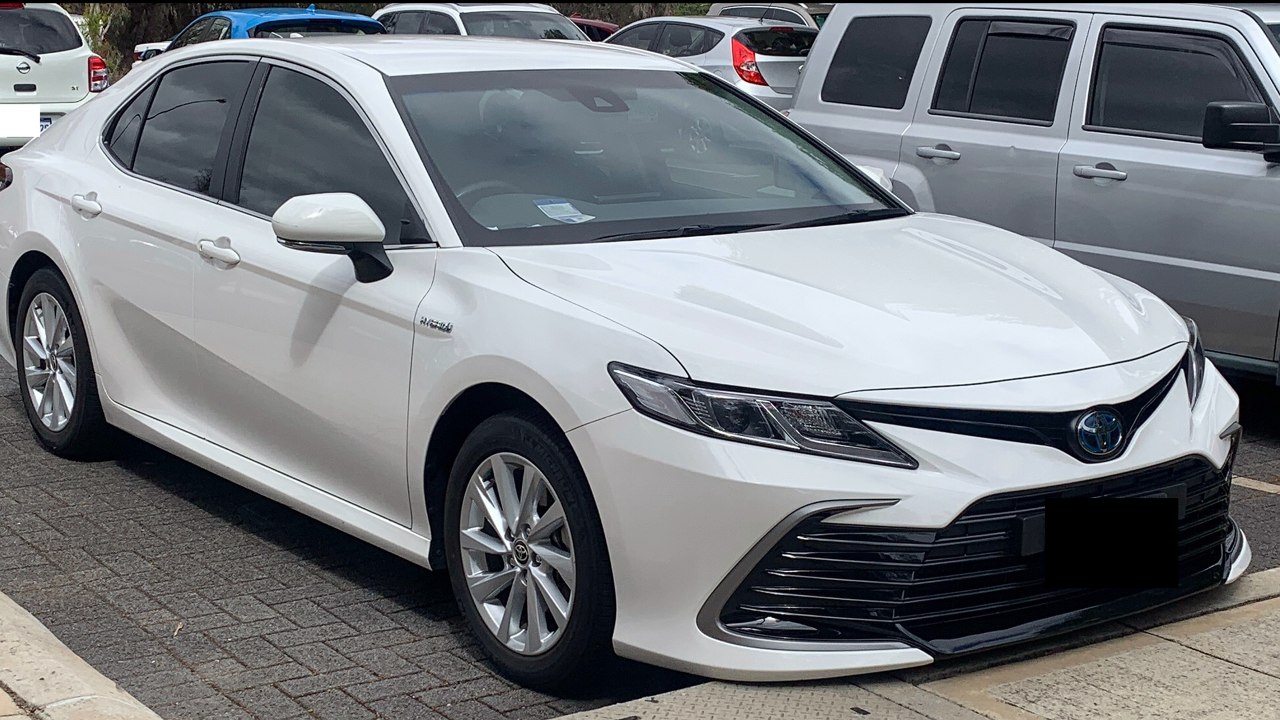
Manufacturers typically provide estimates and warranties for hybrid batteries. For instance, Toyota offers an 8-year or 100,000-mile warranty for the batteries in their hybrid models, like the 2020 Toyota Camry Hybrid. These warranties often reflect the minimum expected lifespan of the battery under normal operating conditions.
However, actual battery life can vary based on several factors, including driving habits and environmental conditions. While warranties provide some assurance, owners should be aware that batteries can last beyond the warranty period if properly maintained. Conversely, misuse or neglect can lead to earlier than expected battery replacement.
Real-World Performance and User Experiences
Real-world data from hybrid car owners often reveals a wide range of battery lifespans. For example, some owners of the 2016 Nissan Leaf report battery longevity exceeding 150,000 miles, while others experience significant degradation much earlier. This variability is due to differences in usage patterns, maintenance routines, and environmental conditions.
Anecdotal evidence suggests that drivers who adhere to recommended maintenance schedules and adopt battery-friendly driving habits tend to experience longer battery life. Conversely, those who frequently neglect these practices may find themselves facing battery replacement sooner.
Extending the Life of Your Hybrid Battery
Regular Maintenance and Check-Ups
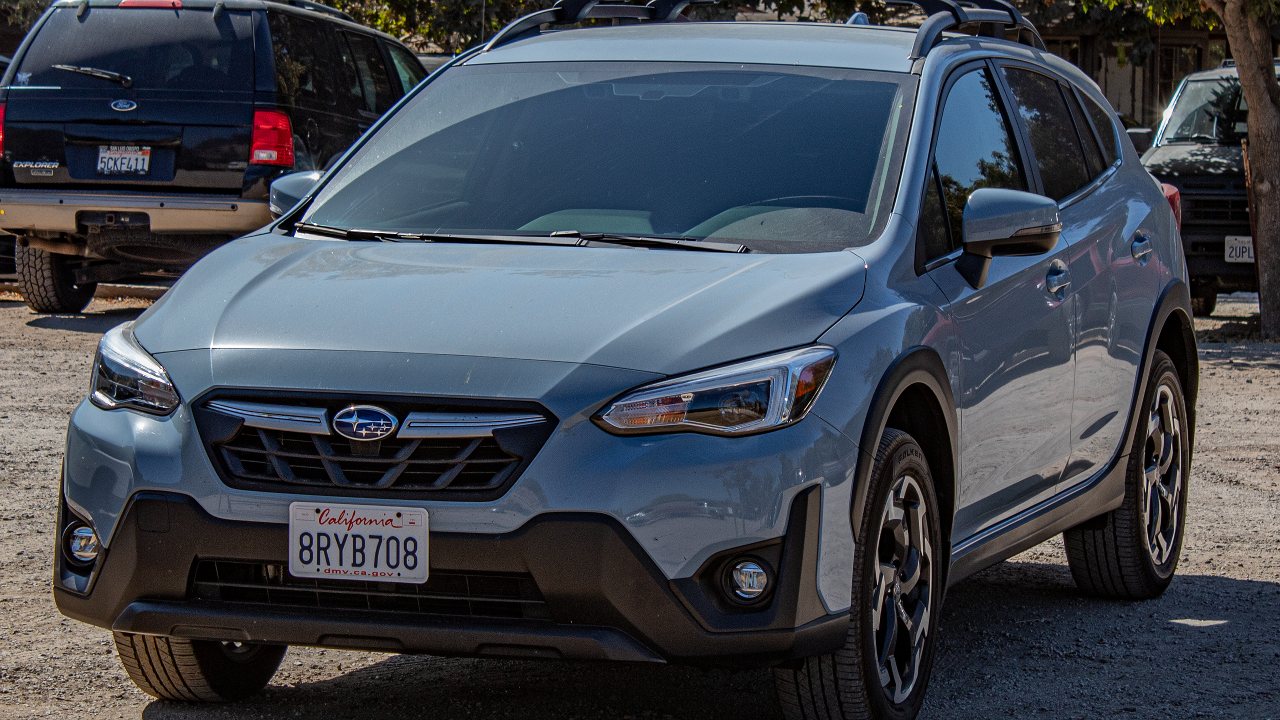
Scheduling regular maintenance for your hybrid vehicle is crucial for prolonging battery life. Models such as the 2023 Subaru Crosstrek Hybrid come with recommended service intervals, including battery inspections and software updates. These routine check-ups can help identify early signs of battery degradation, allowing for timely interventions.
Recognizing early symptoms of battery issues, such as reduced driving range or unusual noises, can prevent more severe problems down the line. Owners should ensure that their vehicles are serviced by professionals familiar with hybrid technology to maintain optimal battery health.
Optimizing Driving Habits for Longevity
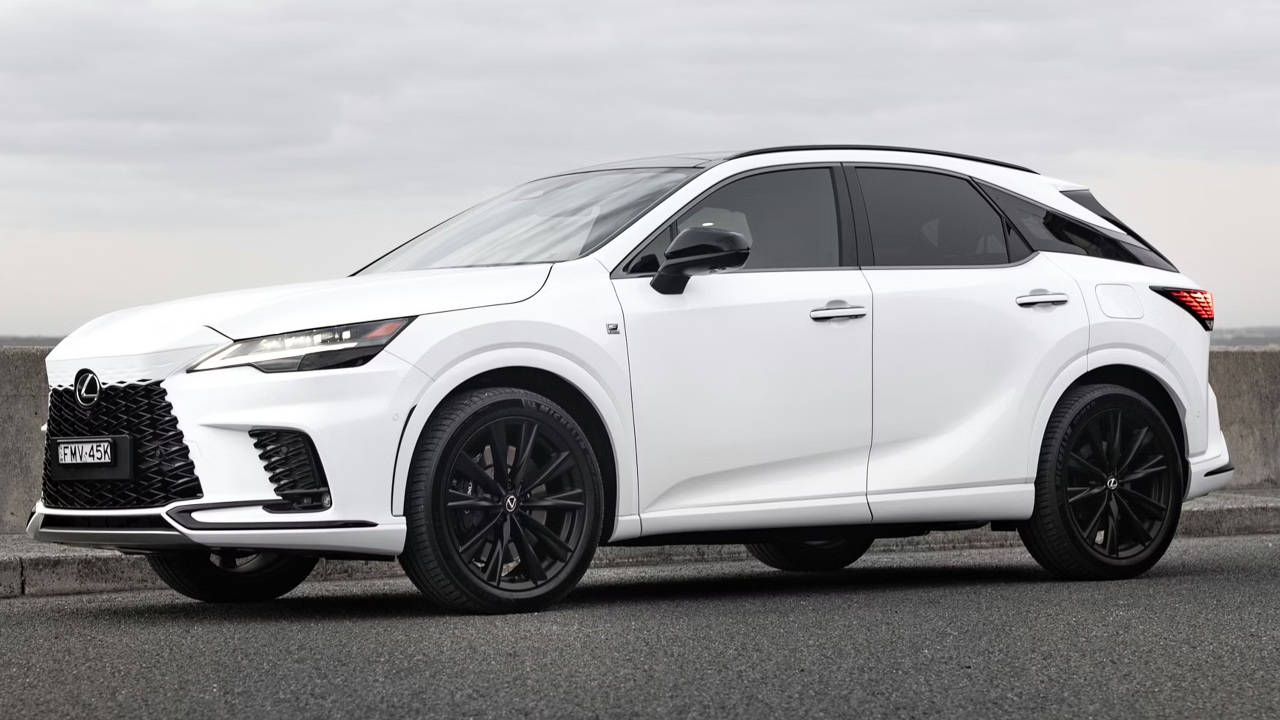
Adopting certain driving techniques can significantly extend the life of a hybrid battery. For instance, gentle acceleration and braking, as practiced by many drivers of the 2018 Lexus RX 450h, reduce the strain on the battery. Additionally, managing power-consuming features like air conditioning and heated seats can help conserve battery power.
Drivers should also be mindful of using eco-driving modes when available, which optimize the vehicle’s performance for fuel efficiency and battery conservation. These simple adjustments to driving habits can yield substantial benefits in terms of battery longevity and overall vehicle efficiency.
Cost Implications of Hybrid Battery Replacement
Financial Considerations
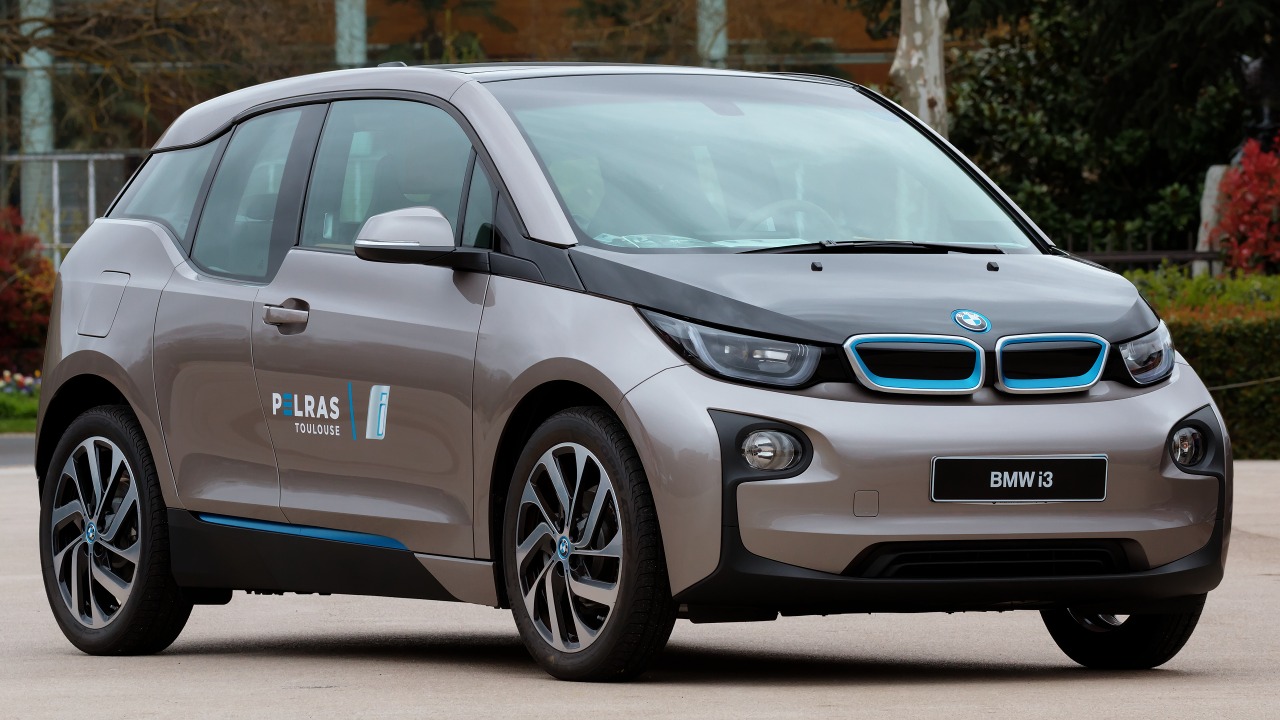
The cost of replacing a hybrid battery can be substantial, with prices varying depending on the make and model. For example, replacing the battery in a 2015 BMW i3 can range from $5,000 to $7,000. However, financial assistance or incentives may be available, such as rebates or tax credits, which can offset some of these expenses.
When considering replacement costs, it’s essential to weigh them against the potential savings from improved fuel efficiency. While the initial outlay may seem high, the long-term savings on fuel can make the investment worthwhile, especially for drivers who plan to keep their hybrid vehicles for many years.
Making the Decision: Repair vs. Replace
Deciding whether to repair or replace a hybrid battery involves several factors. If a battery is only partially degraded, repair might be a cost-effective option. However, in cases where the battery’s capacity is significantly reduced, replacement may be the better choice to restore full vehicle performance.
The resale value of a hybrid vehicle can also be affected by battery condition. Buyers of used hybrids, such as the 2024 Hyundai Sonata Hybrid, often consider battery health a critical factor. A vehicle with a recently replaced or well-maintained battery can command a higher resale price, making replacement a potentially sound investment.


Leave a Reply