
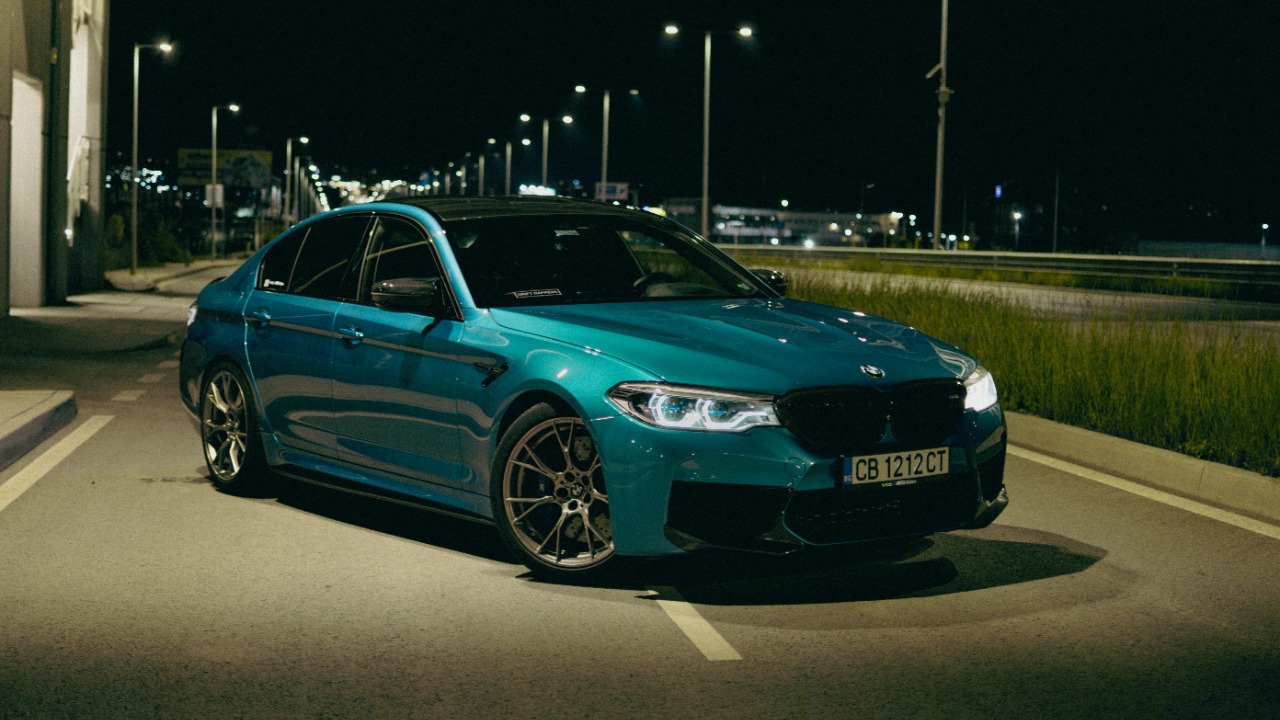
Modern performance sedans now deliver acceleration and grip that once belonged only to exotic coupes, yet they still wear sensible sheetmetal. Automakers quietly turned family four-doors into stealth sports cars that can embarrass yesterday’s supercars while hauling kids and luggage.
The family sedan that drives like a track toy
Engineers now tune performance sedans to feel playful and precise, even when they still carry everyday responsibilities. Reviewers describe some new four-doors as so entertaining that drivers enjoy them more than New Jersey enjoys toll booths, a vivid comparison that underlines how far these cars have come as genuine sports sedans. Manufacturers build in quick steering, firm yet compliant suspensions, and powerful brakes, so a school run can double as a backroad shakedown.
Weight no longer disqualifies these cars from serious performance, even when a modern BMW M5 tips the scales at more than 5,000 pounds. Automakers compensate with sophisticated chassis electronics, sticky tires, and immense power, so drivers experience acceleration and cornering that rival dedicated sports models. The result turns an ordinary-looking sedan into a machine that can run with purpose-built performance cars on both highways and circuits.
How the 1990s quietly wrote the playbook
Today’s stealthy four-doors trace their DNA to 1990s experiments that blended practicality with cutting-edge technology. Engineers used cars like the Dodge Stealth to showcase advanced hardware, including One of the most sophisticated electronically controlled suspension systems, which allowed the Dodge Stealth to switch personalities between comfort and aggression. That approach foreshadowed modern adaptive dampers that let sedans glide over potholes, then hunker down for fast corners.
All wheel drive performance also moved from rally stages into everyday traffic, reshaping expectations for family cars. The Subaru Impreza WRX of the 1990s showed how a compact sedan could combine turbocharged power with tenacious grip, and enthusiasts still credit The Subaru Impreza WRX of the era with redefining all wheel drive performance for the street. That template now underpins many modern sedans that quietly deploy similar traction to launch hard in any weather.
German benchmarks and global challengers
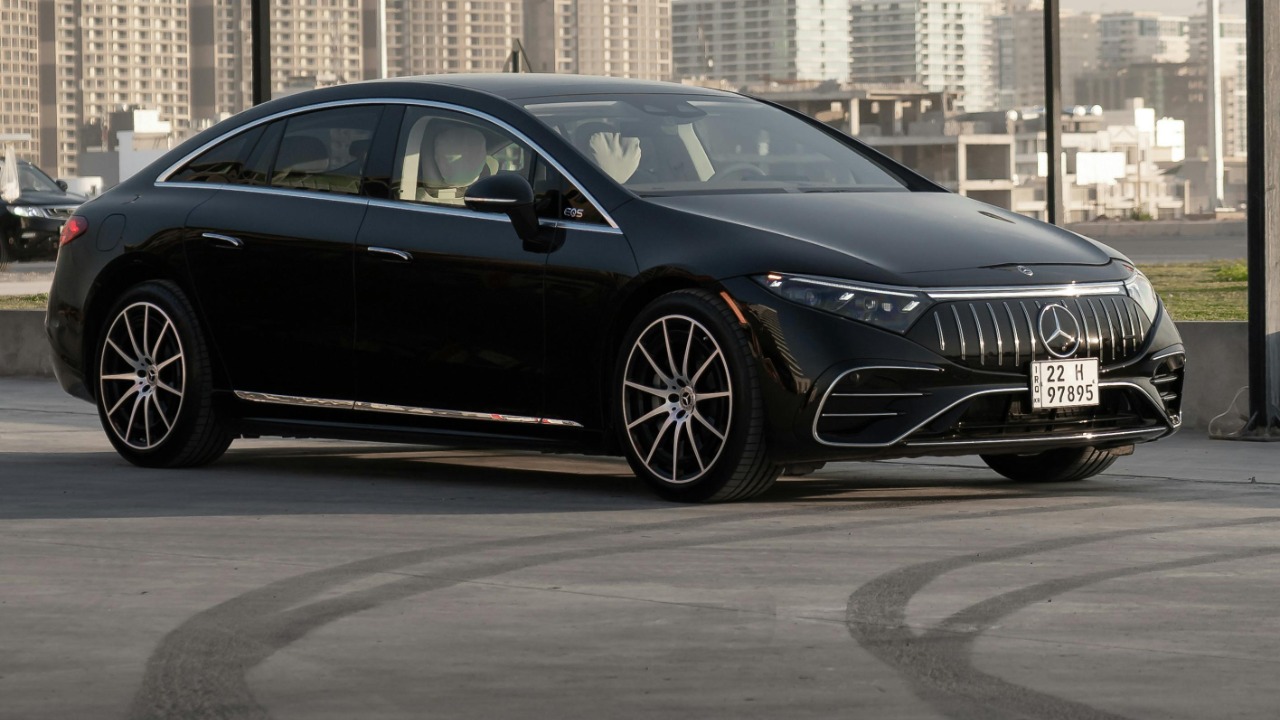
Performance sedans from Germany still set the reference point, so rivals study their formula carefully. Whether it is BMW focusing on sharp handling or Mercedes channeling wild AMG power into luxury cabins, these brands established the idea that a four-door could feel as thrilling as a sports coupe, and shoppers now expect similar excitement from every BMW and Mercedes AMG rival. That pressure pushes other manufacturers to deliver comparable acceleration, grip, and feedback in more understated packages.
Designers outside Germany respond by building sedans that match or exceed those benchmarks while often undercutting them on price. Some brands emphasize lighter construction and simpler interiors, while others lean on hybrid assistance to boost power without sacrificing efficiency, yet all chase the same goal of disguising serious performance beneath practical bodies. The competition creates a global arms race where even non-German sedans now blur the line between commuter car and track-ready machine.
Practicality pressures that favor stealth speed
Economic realities and lifestyle shifts push buyers toward cars that can handle every task, which favors fast sedans over fragile coupes. Commenters note that Basically people can no longer afford multiple cars and need ones that do it all, arguing that Gone are the days when households casually kept a weekend toy alongside a daily driver, a sentiment echoed in Apr forum discussions. That financial squeeze makes a quick sedan, with four doors and a big trunk, far easier to justify than a low-slung two-seater.
Americans increasingly gravitate toward trucks and SUVs, yet many still want sharp handling and strong acceleration in their daily vehicles. Analysts point out that Americans and Families now demand more space, utility, and capability, often prioritizing cargo room and towing capacity, a shift documented in Sep market analysis. Performance sedans respond by offering folding seats, generous rear legroom, and subtle styling, so they can blend into a parking lot full of crossovers while still delivering sports car thrills.
Technology that turns mundane into mind bending
Modern electronics quietly transform ordinary-looking sedans into launch-control rockets that embarrass older supercars at stoplights. Enthusiasts explain that Materials, Traction, Gearing of Transmission, and Launch Con systems now work together so effectively that even mundane models can sprint harder than exotic machinery from previous decades, a phenomenon dissected in Dec technical threads. Those tools let engineers mask weight and size, giving big four-doors startling responsiveness when drivers floor the throttle.
Chassis software also plays a crucial role, constantly adjusting damping, torque distribution, and stability thresholds to keep performance accessible. One of the key advances involves adaptive suspensions that read the road and driver inputs, then reshape the car’s behavior in milliseconds, a concept previewed by early systems and refined in today’s electronically controlled setups like those highlighted on the Dodge Stealth. That invisible intelligence lets sedans stay comfortable during commutes yet feel buttoned down when drivers attack a favorite on-ramp.
Luxury badges hiding track-ready hardware
Luxury manufacturers increasingly treat their big sedans as undercover sports cars, loading them with hardware that once belonged only to halo models. The CT in a Cadillac CT6 literally stands for Cadillac Touring, signaling a full-size luxury sedan meant for serene cruising, yet engineers still tune it to behave like one of the sneakiest undercover supercars ever, a duality highlighted in Sep coverage of Cadillac Touring. That formula, plush on the surface and ferocious underneath, now defines many flagship four-doors.
European brands follow similar logic, especially within their performance sub-lines that turn executive sedans into autobahn missiles. BMW uses its M division to create four-doors that enthusiasts treat as benchmarks, and the BMW M5 Wagon The models show how the M cars from BMW represent pinnacle performance for the Bavarian brand while still offering family-friendly practicality, a combination celebrated in Bavarian performance features. That blend of leather-lined comfort and supercar-grade speed defines the stealth appeal of modern performance sedans.
Sedans that blur categories on purpose
Manufacturers now design certain sedans explicitly to straddle practicality and high performance, rather than treating speed as an afterthought. Curated lists of Sedans That Blur the Line Between Practicality and Next Level Performance show how automakers position these cars as more than glorified people carriers, highlighting models that deliver serious acceleration, handling, and braking while still offering usable rear seats, a trend chronicled by Tolu Akinshete. That intentional blurring helps brands capture buyers who refuse to compromise between family duties and weekend fun.
Lightweight sports cars still appeal to purists, yet their simplicity now competes with sedans that offer similar thrills plus everyday usability. Analysts note that in an era where a BMW M5 weighs more than 5,000 pounds, the following sports cars keep things simple, but many shoppers still gravitate toward four-doors that deliver comparable excitement with extra doors and space, a contrast explored in lightweight comparisons. That tension between purity and practicality keeps pushing sedans to become even more capable, ensuring the stealth sports car trend continues accelerating.





Leave a Reply