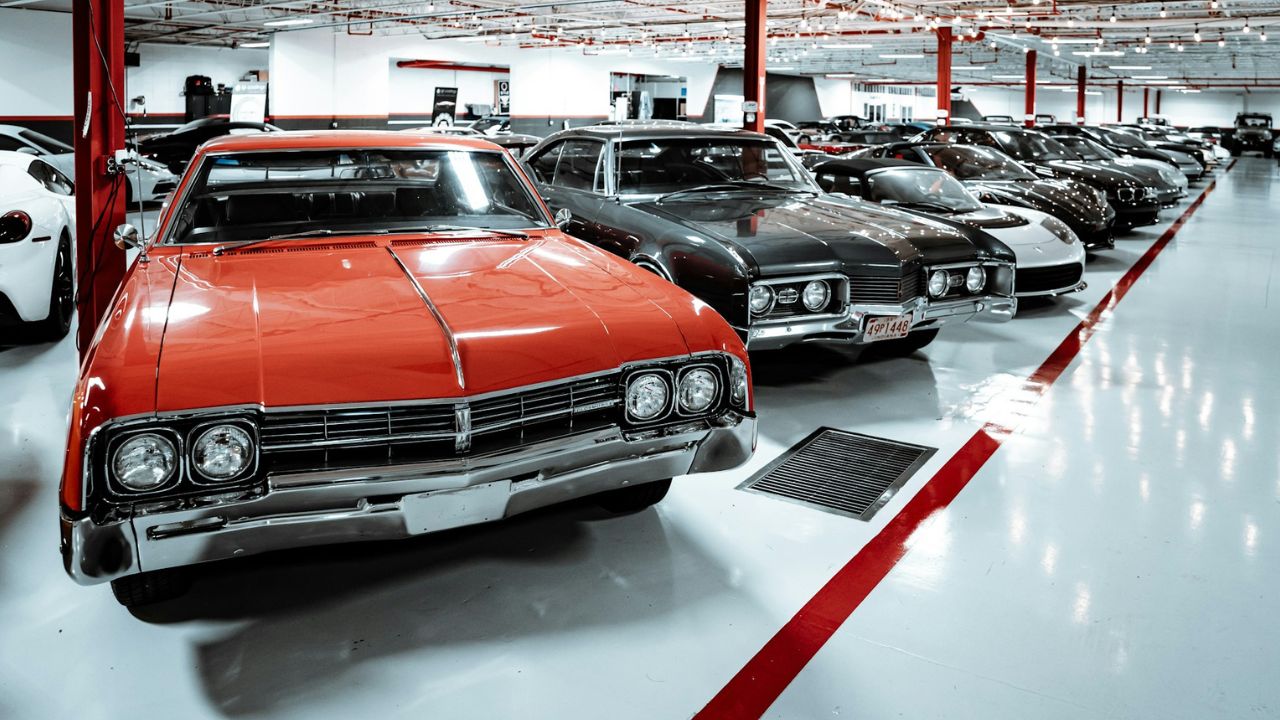
The fusion of modern technology with classic muscle car aesthetics marks a fascinating evolution in the automotive world. As vintage car enthusiasts seek the thrill of retro design, they also crave the convenience and performance of contemporary tech. This dynamic blend is creating a new chapter in the muscle car saga, where nostalgia meets innovation on the open road.
The Revival of Muscle Cars
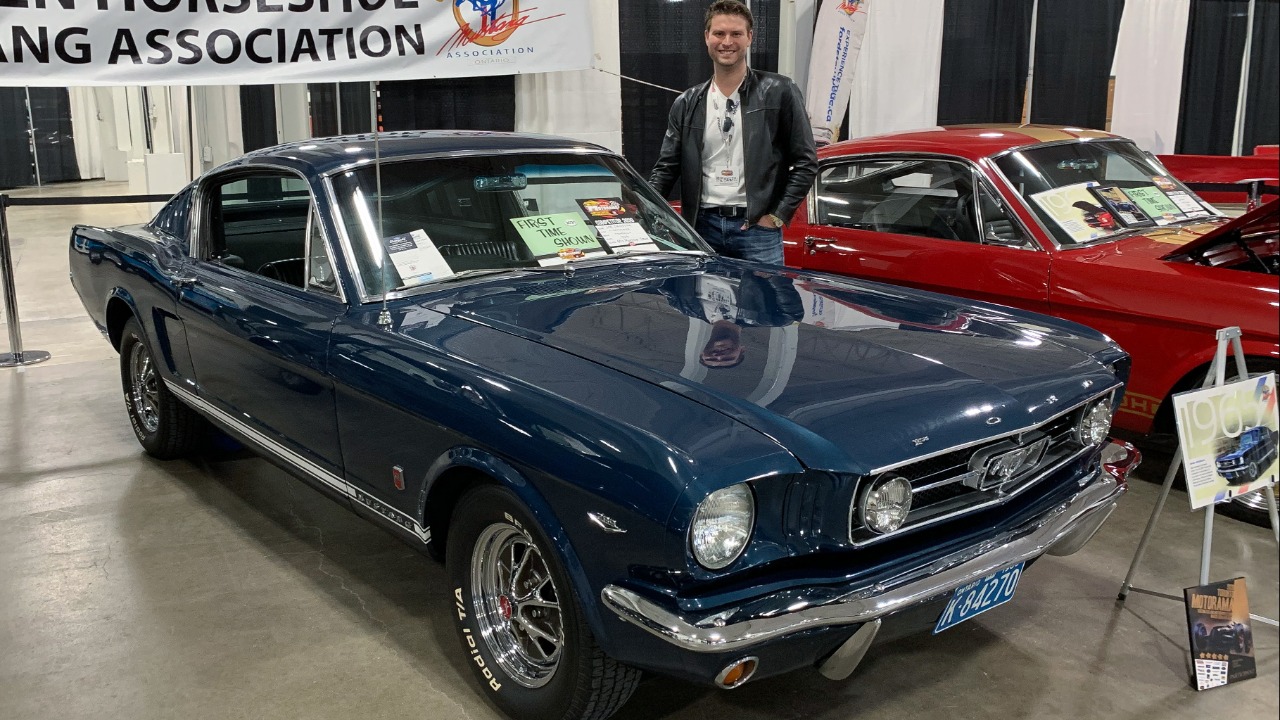
The resurgence of interest in muscle cars is more than a nostalgic nod to the past; it’s a testament to their enduring appeal and iconic status in automotive history. The roar of a V8 engine and the unmistakable silhouette of a 1969 Ford Mustang evoke memories of an era defined by raw power and rebellious spirit. Today, these elements continue to captivate new generations, fueled by a renewed appreciation for classic design married with modern performance.
This demand for vintage aesthetics in contemporary vehicles is driven by several factors. One key element is the emotional connection to a bygone era, where cars were not just modes of transport but expressions of identity. Additionally, the craftsmanship and distinctive styling of muscle cars stand in stark contrast to the relatively uniform designs of many modern vehicles. Manufacturers like Dodge and Chevrolet have tapped into this nostalgia by reviving models such as the Dodge Challenger and the Chevrolet Camaro, which blend old-school charm with cutting-edge innovation.
Modern Tech Innovations in Classic Designs
Integrating advanced engine technology into classic designs is a delicate balancing act. For instance, the 2020 Chevrolet Camaro offers a turbocharged 2.0-liter engine, providing the power enthusiasts crave while improving fuel efficiency compared to its predecessors. This modern engine technology enhances performance without sacrificing the classic muscle car appeal, allowing drivers to experience a thrilling ride with a nod to environmental consciousness.
Inside the cabin, modern infotainment systems and digital interfaces are seamlessly incorporated into retro designs. The 2021 Dodge Charger, for example, features a Uconnect system with a touch-screen interface, Apple CarPlay, and Android Auto compatibility. These features offer connectivity and convenience, all while maintaining the Charger’s classic interior styling. Additionally, advanced safety features such as adaptive cruise control and lane departure warnings are becoming standard, enhancing the driving experience without overshadowing the vehicle’s retro charm.
Balancing Aesthetics and Functionality
Designers face the challenge of maintaining the authentic look of muscle cars while embedding modern functionalities. The 2023 Ford Mustang Mach 1 exemplifies this balance, featuring an aerodynamic body reminiscent of its 1970s ancestor, while integrating modern elements like LED lighting and a digital dashboard. This careful combination allows for a driving experience that feels both timeless and contemporary.
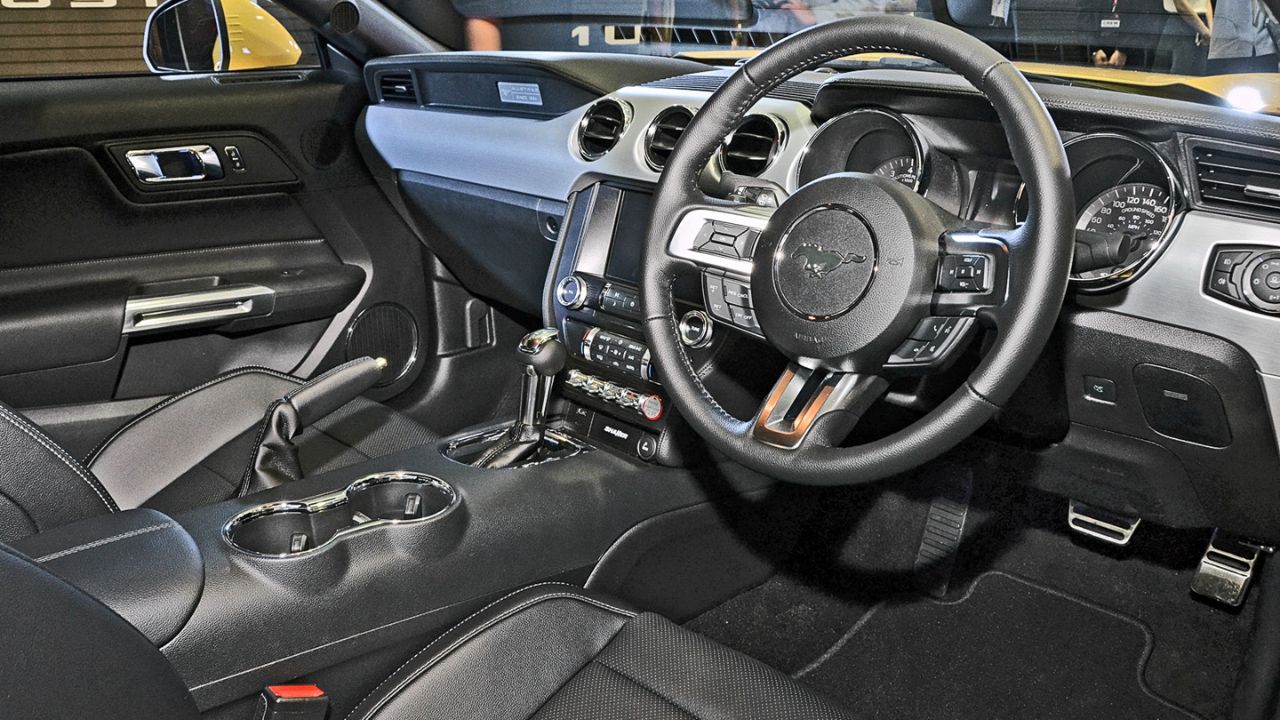
One of the primary challenges is integrating technology without overshadowing the car’s classic character. Ensuring that modern elements enhance rather than detract from the vintage aesthetic requires a nuanced approach. Successful examples include the use of hidden technology, such as retractable touch screens and concealed speakers, which preserve the car’s original style while offering modern conveniences.
The Role of Customization and Personalization
Customization and personalization have become significant trends, allowing enthusiasts to blend modern tech with classic styles. The aftermarket industry plays a crucial role in this movement, offering tech upgrades for vintage models. Companies like Restomod Air provide climate control systems designed specifically for classic cars, allowing owners to enjoy modern comfort without compromising their vehicle’s authentic look.
Enthusiasts often share stories of transforming their classic muscle cars with modern upgrades. A notable example is the 1967 Chevrolet Impala, where owners have installed Bluetooth-enabled sound systems and digital gauges to enhance functionality while maintaining the car’s iconic appearance. These personalized modifications reflect a growing desire to enjoy the best of both worlds—nostalgia and modernity.
The Future of Muscle Cars in a Tech-Driven World
The future of muscle cars is being shaped by the rise of electric and hybrid technologies. Models like the 2026 Dodge Charger SRT Banshee are exploring the potential of electric powertrains, promising to deliver the same thrilling performance associated with muscle cars while reducing environmental impact. These advancements are reshaping the landscape, offering a glimpse into how traditional muscle cars might evolve in a tech-driven world.
Autonomous driving technology is another frontier for muscle cars. While the idea of a self-driving muscle car might seem contradictory, manufacturers are exploring ways to incorporate autonomous features without compromising the driving experience. This could mean developing systems that assist rather than replace the driver, ensuring that the thrill of the open road remains intact.
As we look to the future, it’s clear that the muscle car niche will continue to blend innovation with nostalgia. The challenge lies in preserving the essence of these iconic vehicles while embracing the technological advancements that define modern automotive engineering. This ongoing evolution promises to keep the muscle car tradition alive, captivating enthusiasts for generations to come.
Like Fast Lane Only’s content? Be sure to follow us.
Here’s more from us:
*Created with AI assistance and editor review.