
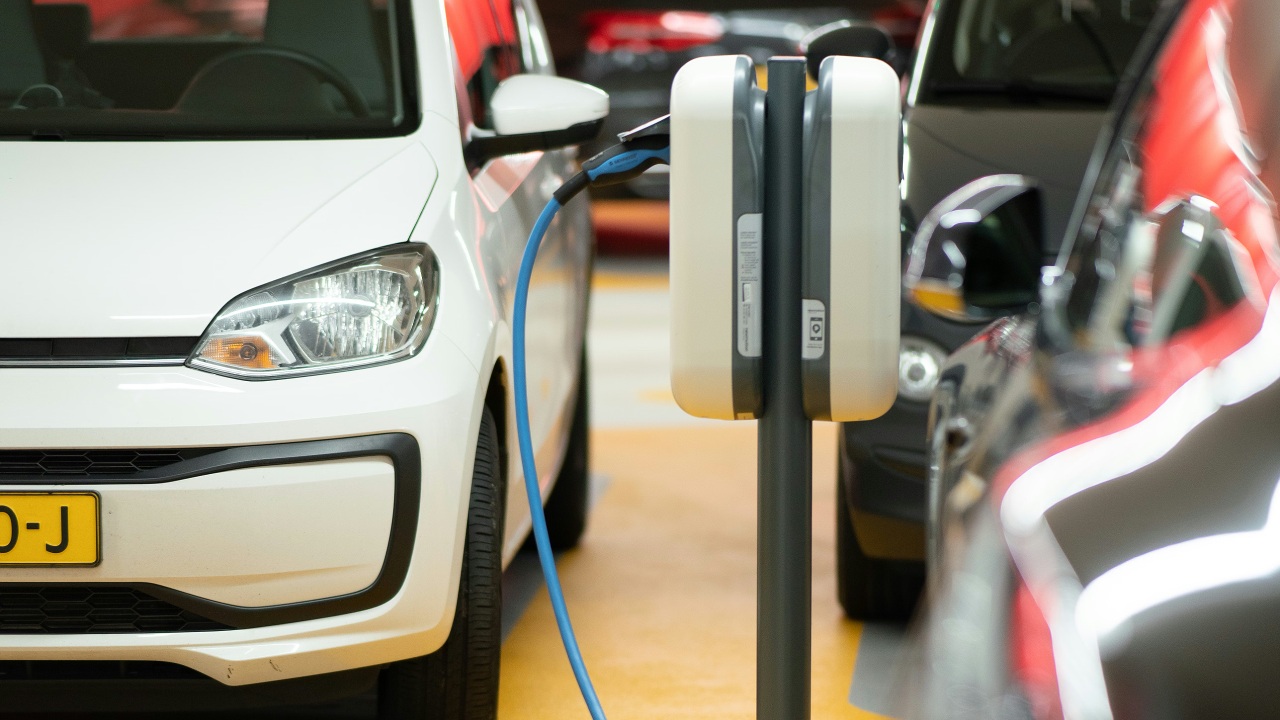
The cost of a hybrid battery is a significant consideration for anyone thinking about purchasing or maintaining a hybrid vehicle. As hybrid technology continues to evolve, understanding the factors that influence the price of these batteries can help consumers make informed decisions. Exploring the various elements that affect hybrid battery costs can provide insights into potential savings and expenses.
Understanding Hybrid Batteries
Types of Hybrid Batteries
Hybrid vehicles primarily use two types of batteries: Nickel-Metal Hydride (NiMH) and Lithium-Ion (Li-ion). NiMH batteries have been around longer and are known for their durability and safety. They are less prone to overheating and are often found in older hybrid models like the Toyota Prius from the early 2000s. On the other hand, Li-ion batteries are more recent and offer higher energy density, which translates to better fuel economy and performance. This type is commonly used in newer models like the Honda Accord Hybrid.
The choice between these two types involves weighing their advantages and disadvantages. NiMH batteries, while robust, are heavier and offer less energy per unit of weight compared to Li-ion batteries. In contrast, Li-ion batteries, while more efficient and lighter, can be more expensive and are sensitive to temperature fluctuations. The decision often depends on cost, the specific vehicle model, and performance expectations.
Lifespan and Performance
The average lifespan of a hybrid battery ranges from 8 to 10 years, or about 100,000 to 150,000 miles, depending on driving habits and environmental conditions. Factors such as extreme temperatures, driving style, and regular maintenance significantly impact longevity. For instance, frequent short trips in urban settings can lead to quicker battery depletion compared to highway driving.
Performance characteristics, such as charging speed and energy output, also influence overall cost. A Li-ion battery’s ability to charge rapidly and deliver consistent power can justify its higher price for some consumers. However, for those prioritizing longevity and reliability over cutting-edge performance, a NiMH battery might be a more cost-effective choice.
Factors Influencing Hybrid Battery Costs
Manufacturing and Material Costs
Manufacturing and material costs play a crucial role in determining the price of hybrid batteries. The production process involves sourcing raw materials such as lithium, cobalt, and nickel, which are essential components in battery construction. Fluctuations in the prices of these materials can significantly impact the overall cost of the battery.
Technological advancements have been pivotal in reducing these costs over time. For instance, research into solid-state batteries and other innovations aim to decrease reliance on expensive raw materials and improve efficiency. These developments promise to make hybrid batteries more affordable and accessible in the future.
Brand and Model Variations
The cost of a hybrid battery can vary widely between different car manufacturers and models. For example, a replacement battery for a Toyota Prius may cost between $2,000 and $3,000, while a battery for a luxury hybrid model, like the Lexus RX 450h, might be significantly higher due to additional features and performance requirements.
The vehicle model and year also influence the cost, as newer models often incorporate the latest battery technology, which can be more expensive. However, these newer batteries might offer better performance and efficiency, potentially offsetting the higher initial cost with long-term savings on fuel.
Options for Purchasing a Hybrid Battery
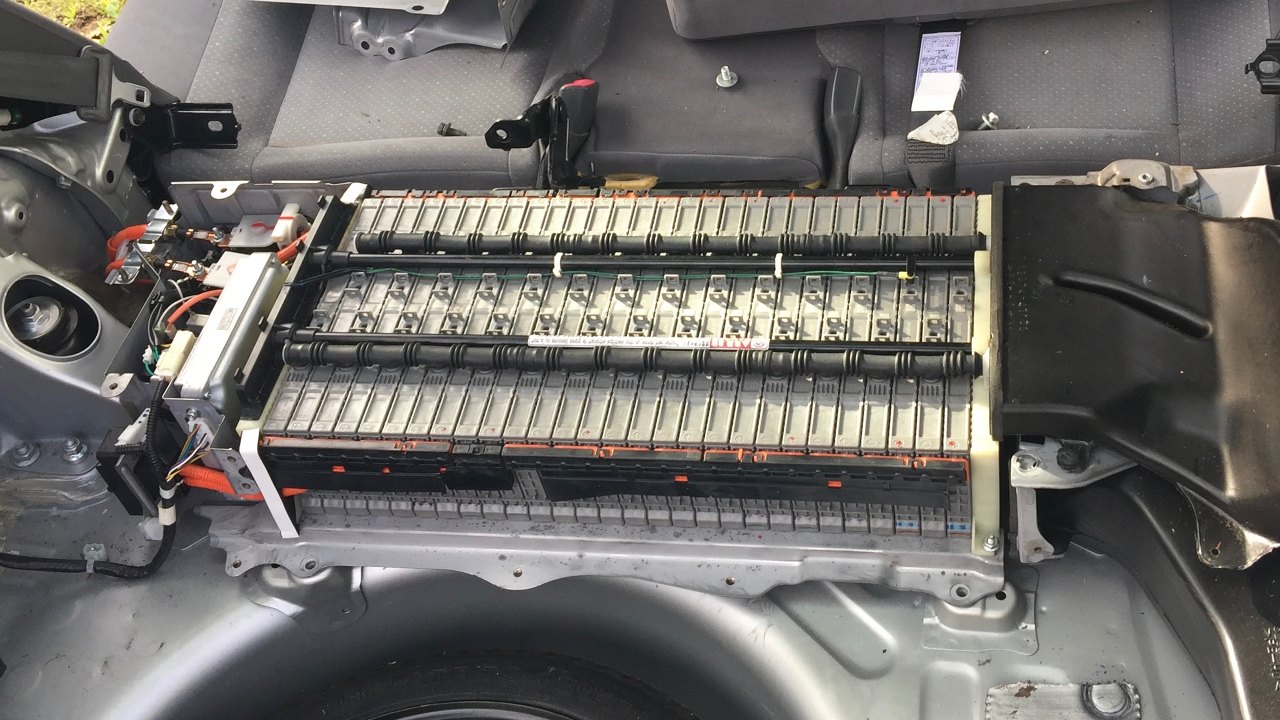
New vs. Reconditioned Batteries
When considering purchasing a hybrid battery, consumers can choose between new and reconditioned options. New batteries are generally more expensive but come with the advantage of longer warranties and the latest technology. For instance, a new battery for a Ford Fusion Hybrid might include a warranty of up to 8 years or 100,000 miles, providing peace of mind for the owner.
Reconditioned batteries, while cheaper, may have shorter warranties and a limited lifespan. They involve refurbishing used batteries by replacing damaged cells and other components. While this option can save money upfront, it’s essential to weigh the potential risk of reduced performance and longevity against the cost savings.
Retail and Installation Options
Hybrid batteries can be purchased from dealerships, auto part stores, or online retailers. The choice of where to buy can influence the price, as dealers may offer more comprehensive service packages, while online retailers might provide lower prices but limited support. For example, platforms like eBay offer competitive prices for hybrid batteries but require careful consideration of the seller’s reputation.
Installation costs are another factor to consider. Professional installation by certified technicians ensures the battery is fitted correctly and safely, which can prevent issues down the line. Some service providers, like Pep Boys or Firestone, offer installation services and may bundle them with the battery purchase for additional savings.
Cost-saving Tips and Considerations
Warranty and Incentives
Exploring warranty options can significantly impact the overall cost of a hybrid battery. Many manufacturers offer extended warranties that cover battery replacement, which can be a worthwhile investment for those planning to keep their vehicle long-term. Additionally, government incentives and rebates are available in some regions to encourage the adoption of hybrid technology. These can reduce the financial burden of a new battery purchase by hundreds or even thousands of dollars.
Maintenance and Longevity Tips
Proper maintenance is key to extending the life of a hybrid battery and avoiding costly replacements. Regular maintenance checks, such as ensuring the cooling system for the battery is functioning correctly and keeping the battery terminals clean, can prevent issues that lead to premature failure. Additionally, adopting driving habits that reduce battery strain, such as smooth acceleration and braking, can enhance battery longevity.
Investing in a battery management system (BMS) can also be beneficial. A BMS helps monitor the state of the battery and can alert owners to potential issues before they become serious problems. By staying informed and proactive, hybrid vehicle owners can optimize their battery’s performance and maximize their investment.




Leave a Reply