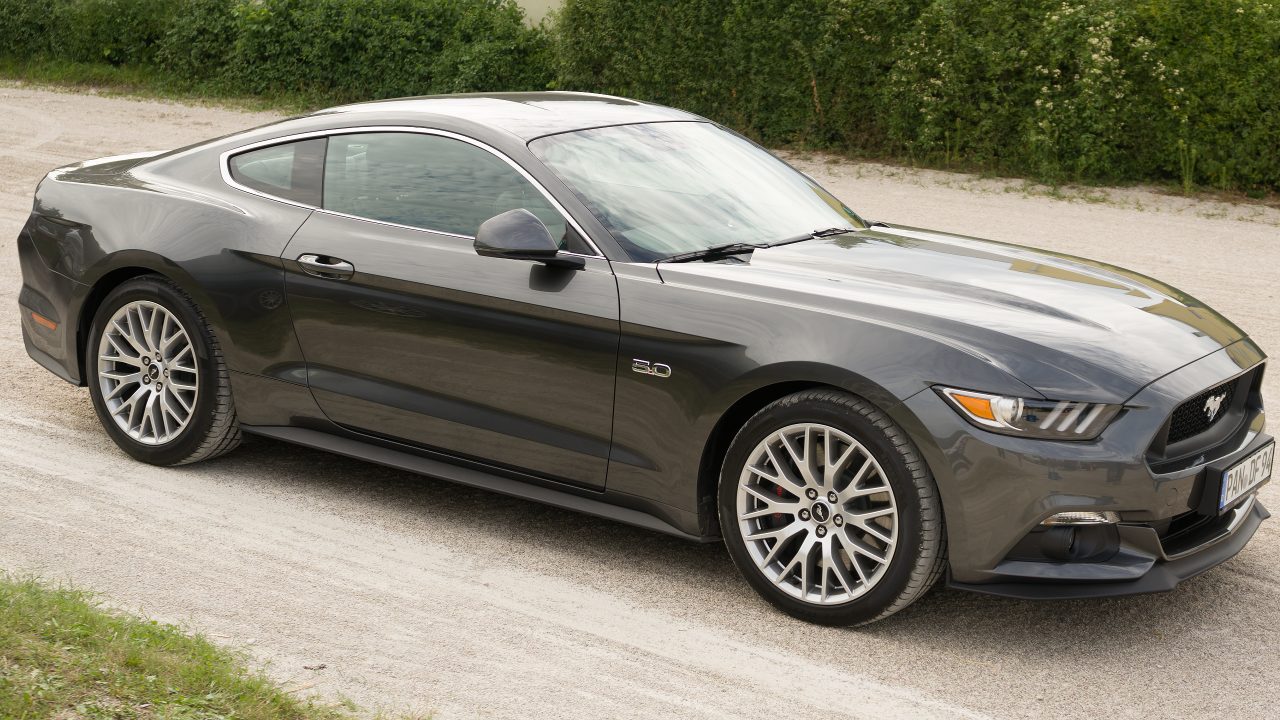
Muscle cars have long been an emblem of American automotive culture, known for their powerful engines, sleek designs, and the exhilarating driving experience they offer. However, the initial purchase price is just the beginning of the financial journey. Delving into the true cost of owning a muscle car requires considering everything from maintenance to insurance.
The Initial Purchase Price
When considering the initial purchase price of a muscle car, deciding between a new or used model is crucial. Newer muscle cars, like the 2023 Ford Mustang GT, often come with the latest technology and warranty benefits, but they can carry a hefty price tag, potentially exceeding $40,000. On the other hand, a used model, such as a 2017 Chevrolet Camaro SS, might be more affordable, often available for under $30,000. However, used cars can come with hidden costs due to wear and tear, so it’s important to evaluate their condition carefully.
Financing options play a significant role in the overall cost of owning a muscle car. Loan terms, interest rates, and monthly payments can vary widely. A longer loan term might reduce monthly payments but increase the total interest paid over the life of the loan. For instance, a five-year loan on a Dodge Challenger R/T with a 4% interest rate could lead to thousands of dollars in interest payments. It’s essential to shop around for the best rates and terms to minimize these costs.
Depreciation is another factor to consider. Muscle cars typically depreciate faster than regular vehicles due to their performance-oriented nature. However, some models, like the classic 1969 Pontiac GTO, can hold or even increase in value over time. Understanding the depreciation trend of your specific model can help you anticipate future resale values and make informed purchasing decisions.
Maintenance and Repairs
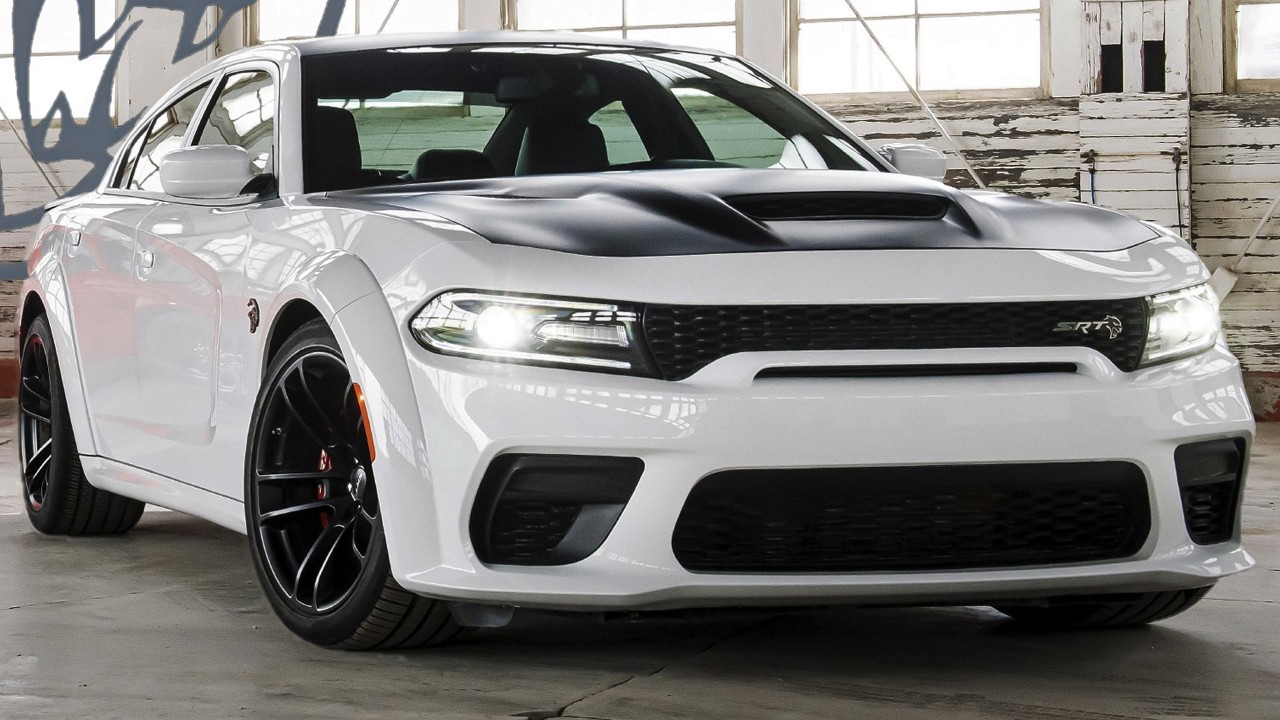
Owning a muscle car means committing to regular maintenance to keep it running smoothly. Routine services, including oil changes, tire rotations, and brake checks, can be more expensive than those for standard cars due to the high-performance parts used. For example, an oil change for a 2021 Dodge Charger SRT Hellcat can cost upwards of $100, compared to around $50 for a typical sedan.
Special repairs can also be a significant expense. The high-performance components in muscle cars, such as turbochargers or performance exhaust systems, are often more costly to repair or replace. If a supercharger in a 2018 Shelby GT350 fails, the repair could easily exceed $2,000. Finding a mechanic experienced with muscle cars is crucial, as they understand the unique needs of these vehicles and can help prevent minor issues from becoming costly repairs.
Choosing the right mechanic is vital. Specialized mechanics may charge higher rates, but their expertise can save money in the long run by ensuring quality repairs and maintenance. It’s worth seeking recommendations from other muscle car owners or automotive clubs to find a reliable and knowledgeable mechanic.
Fuel and Efficiency
Fuel costs are a significant aspect of owning a muscle car, as their high horsepower engines typically consume more fuel. A 2022 Chevrolet Corvette, for example, averages about 19 miles per gallon, which can add up quickly with daily driving. Calculating monthly fuel expenses based on your driving habits and local gas prices can help budget for this cost.
Improving fuel efficiency in muscle cars can help mitigate some of these costs. Simple strategies like maintaining proper tire pressure, using the right grade of motor oil, and avoiding aggressive driving can enhance fuel economy. Additionally, considering a model with a more efficient engine, like the 2023 Ford Mustang EcoBoost, which offers better mileage without sacrificing too much performance, might be a worthwhile trade-off for some enthusiasts.
Exploring alternative fuel options is another avenue. Converting a muscle car to a hybrid or electric system is a growing trend, although it comes with its own set of costs. While the initial conversion can be expensive, models like the electric 2024 Dodge Charger EV promise performance with reduced fuel costs and environmental impact.
Insurance Considerations
Insurance premiums for muscle cars are generally higher than those for standard vehicles due to their increased risk factors. A 2021 Chevrolet Camaro ZL1, for example, might have a higher premium due to its powerful engine and higher likelihood of being involved in accidents. It’s essential to shop around and compare quotes to find the best insurance rates.
Understanding the types of coverage needed for a muscle car is crucial. Collision and comprehensive coverage are typically recommended to protect against damage and theft. Additionally, specialized muscle car insurance policies can offer tailored coverage options for high-performance vehicles, providing peace of mind for owners of classics like the 1970 Plymouth Barracuda.
There are ways to reduce insurance costs, such as bundling policies, maintaining a clean driving record, and taking advantage of discounts for low mileage or safety features. Some insurers offer discounts for installing anti-theft devices or completing defensive driving courses, which can be beneficial for muscle car owners looking to save on premiums.
Additional Ownership Costs
Owning a muscle car also involves costs such as registration and taxes, which can vary significantly by state. High-value vehicles like the 2023 Dodge Challenger SRT Demon may incur higher registration fees and taxes. It’s important to factor these into your budget to avoid any surprises.
Storage and security are additional considerations. Protecting your investment with secure storage, such as a garage or a specialized car cover, can prevent damage and theft. Installing security systems can also be a worthwhile investment. For instance, a high-quality alarm system for a 1967 Chevrolet Camaro can cost several hundred dollars, but it provides invaluable protection.
Customization and modifications are common among muscle car enthusiasts. Whether it’s upgrading the exhaust system on a 2019 Ford Mustang Bullitt or adding custom paint to a 1971 Dodge Charger, these modifications can quickly add up. Planning and budgeting for these expenses is essential for those looking to personalize their vehicle.
Like Fast Lane Only’s content? Be sure to follow us.
Here’s more from us:
*Created with AI assistance and editor review.