
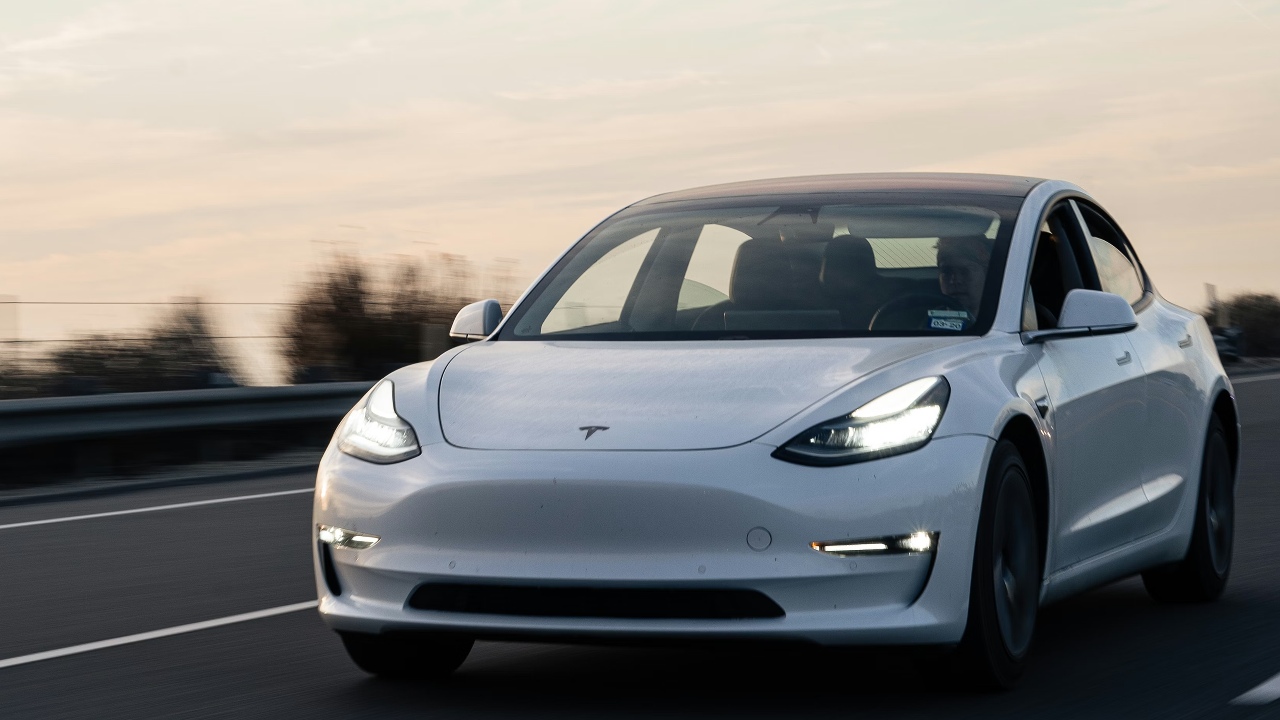
In recent years, self-driving cars have transitioned from science fiction to an emerging reality, prompting states to craft legislation to regulate their presence on roads. Various state laws address the integration of autonomous vehicles, highlighting differences in regulatory approaches, safety measures, and the impact on existing traffic laws.
Regulatory Frameworks Across States
Several states have embraced the advent of autonomous vehicles by pioneering legislation to regulate their testing and deployment. California, for example, has established itself as a leader with comprehensive regulations that encompass testing and deployment. The state’s Department of Motor Vehicles (DMV) mandates detailed reports from companies testing self-driving technology on public roads. Florida and Arizona have also played significant roles, with Florida allowing fully autonomous vehicles to operate without a human safety driver since 2019, and Arizona becoming a hub for testing by companies like Waymo.
State-level licensing and registration requirements for autonomous vehicles often differ, reflecting unique approaches to the technology. For instance, some states differentiate between human-operated vehicles with autonomous features and those that are fully autonomous. Definitions and classifications vary, with terms like “automated driving systems” and “highly autonomous vehicles” used interchangeably in legal texts. This variety can create challenges for manufacturers aiming to comply with multiple state regulations.
Safety Standards and Testing Protocols
Safety standards are a critical component of autonomous vehicle legislation, with states mandating specific features and performance benchmarks. Sensor technologies such as LIDAR and advanced cameras are commonly required to ensure vehicles can accurately perceive their surroundings. Additionally, fail-safe mechanisms like manual override options and redundancy in critical systems are often stipulated. Manufacturers are also required to maintain data recording capabilities, providing crucial information in the event of accidents or malfunctions.
Testing protocols vary, with some states permitting public road tests while others require closed-course trials. For example, Michigan allows testing on public roads, provided companies adhere to its detailed safety and reporting requirements. Oversight is typically managed by state agencies, often in collaboration with third-party organizations that certify vehicle safety and performance. This collaborative approach aims to ensure that testing is conducted safely while fostering innovation in autonomous vehicle technology.
Impact on Traffic Laws and Liability Issues
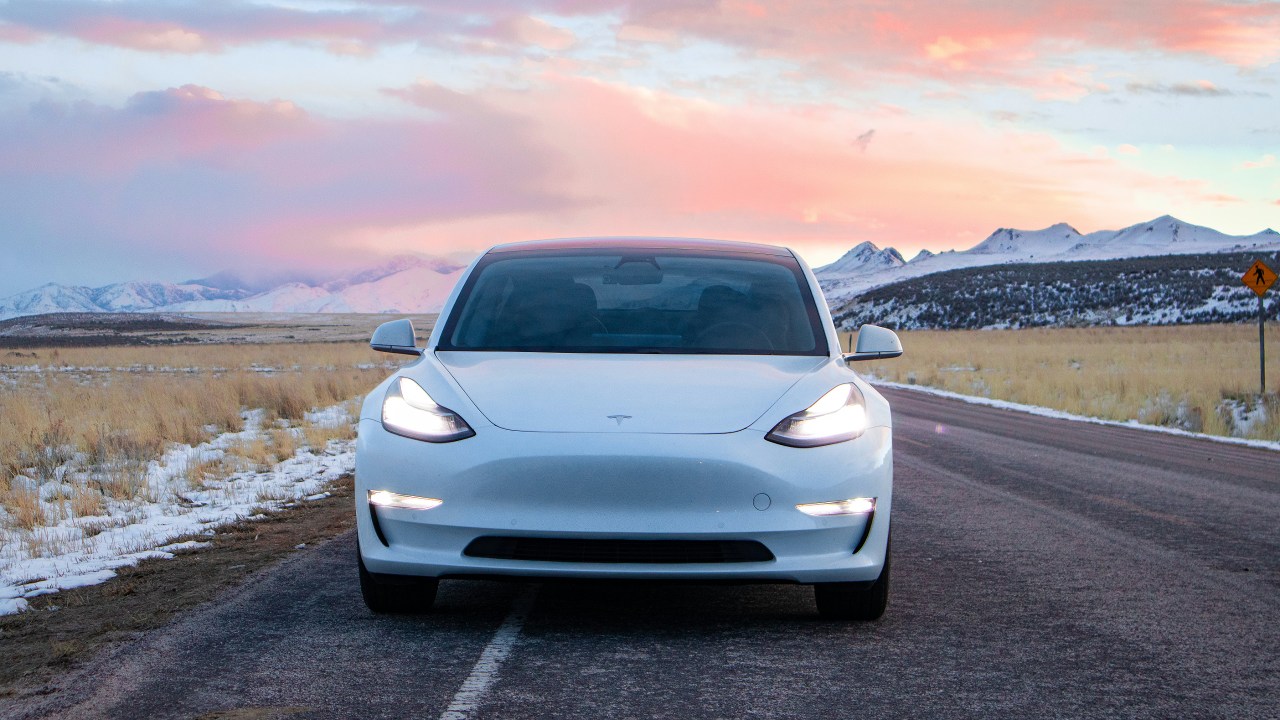
The integration of autonomous vehicles necessitates modifications to existing traffic laws. Adjustments may include alterations to speed limits, lane usage, and signaling requirements to accommodate the unique capabilities of self-driving cars. In mixed-traffic environments, where human-driven and autonomous vehicles share the road, these changes are crucial to maintaining safety and efficiency. For instance, Tesla’s 2023 Model S features an autopilot system that can navigate complex traffic scenarios, highlighting the need for updated traffic regulations.
Liability and insurance are also significant considerations in the autonomous vehicle landscape. Determining fault in accidents involving self-driving cars can be complex, raising questions about the responsibilities of manufacturers, software developers, and vehicle owners. Emerging insurance models, such as those offering coverage specifically for autonomous vehicles, are being developed to address these challenges. Companies like Volvo have announced plans to assume full liability for accidents involving their self-driving cars, setting a precedent for the industry.
Public Perception and Legislative Challenges
Public perception plays a crucial role in the adoption of autonomous vehicles, with safety concerns and trust in technology being primary issues. Many people remain skeptical about the safety of self-driving cars, fearing malfunctions or a lack of human intuition in critical situations. Addressing these fears is essential, and companies like Ford have initiated public education campaigns to build trust in their autonomous vehicle programs. Additionally, there are economic implications to consider, including potential job displacement in industries reliant on human drivers.
Legislators face challenges in keeping laws up-to-date with rapidly advancing technology. The pace of innovation often outstrips the regulatory process, leading to outdated or insufficient legislation. Striking a balance between encouraging technological progress and ensuring consumer safety remains a key challenge for lawmakers. Some states are exploring adaptive regulatory frameworks, allowing for more flexible updates to accommodate new developments in autonomous technology.
Future Outlook for Autonomous Vehicle Legislation
Looking ahead, state legislation is expected to trend towards greater uniformity, with potential movement towards federal guidelines. This shift could streamline compliance for manufacturers and provide more consistent standards across the country. Additionally, international collaboration might play a role in developing standards, as autonomous vehicles are a global concern. Countries like Germany and Japan are already working on frameworks that could inform U.S. policies.
The relationship between technology companies and lawmakers continues to evolve, with partnerships and lobbying efforts shaping future legislation. Public-private initiatives, such as pilot programs and research collaborations, are crucial in advancing policy development. Companies like Uber and Lyft, known for their ride-sharing platforms, are investing heavily in autonomous vehicle research and are likely to play significant roles in shaping regulatory landscapes.




Leave a Reply