In the high-stakes world of motorsports, strategic maneuvers like undercuts and overcuts can make the difference between victory and defeat. These tactics, often invisible to the casual observer, are crucial for teams aiming to gain a competitive edge. This article delves into the mechanics of undercuts and overcuts, exploring how teams leverage these strategies to enhance race performance.
The Mechanics of Undercuts and Overcuts
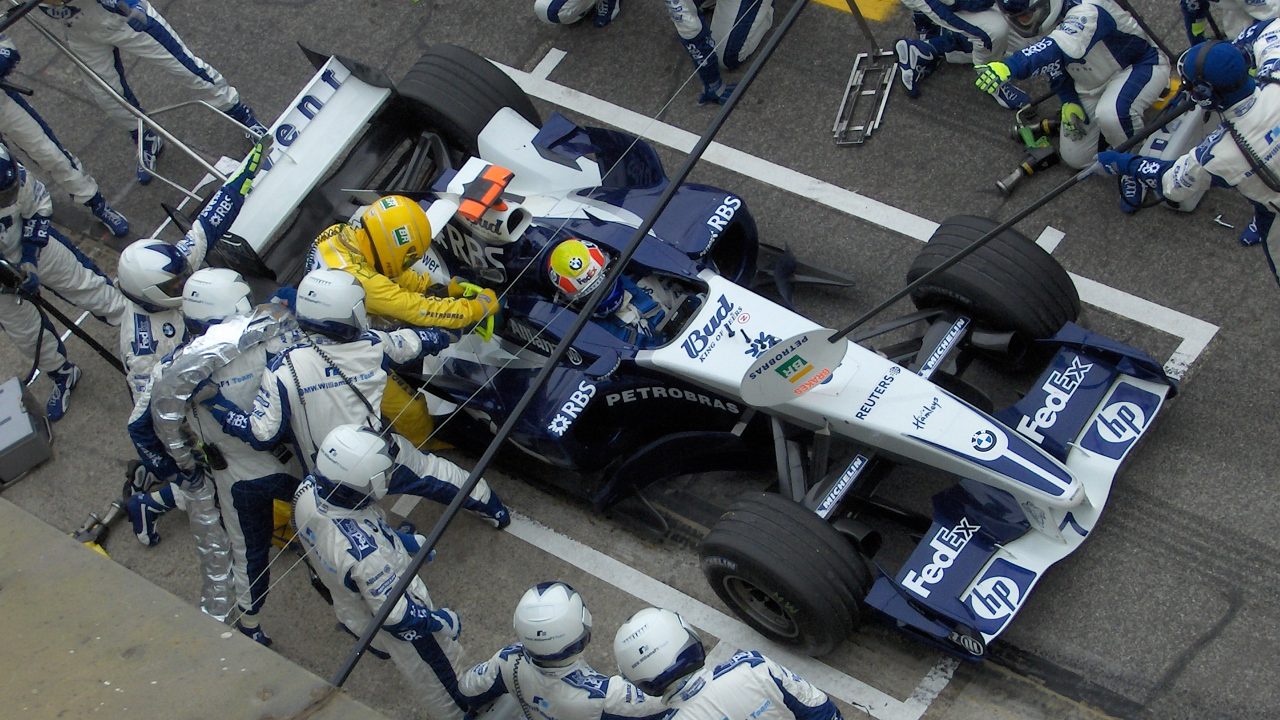
The undercut strategy is a fundamental concept in motorsport, designed to help a car gain positions by pitting earlier than its competitors. This tactic comes into play when a driver on fresh tires can achieve significantly faster lap times than those on worn tires. By pitting before the competition, a driver can take advantage of the increased grip from new tires, often making up the time lost during the pit stop and then some, effectively gaining positions once the competitors make their stops.
On the flip side, the overcut strategy involves pitting later than the competition, allowing a driver to maintain track position while the rivals are in the pit lane. The key to a successful overcut is to make sure the tires have enough performance left to sustain competitive lap times longer than those of the competitors. Fresh tires are leveraged at the end of the stint to make up lost ground. Factors such as tire degradation, track conditions, and fuel loads play a crucial role in deciding whether to pursue an undercut or overcut strategy.
The Role of Data Analytics in Strategy
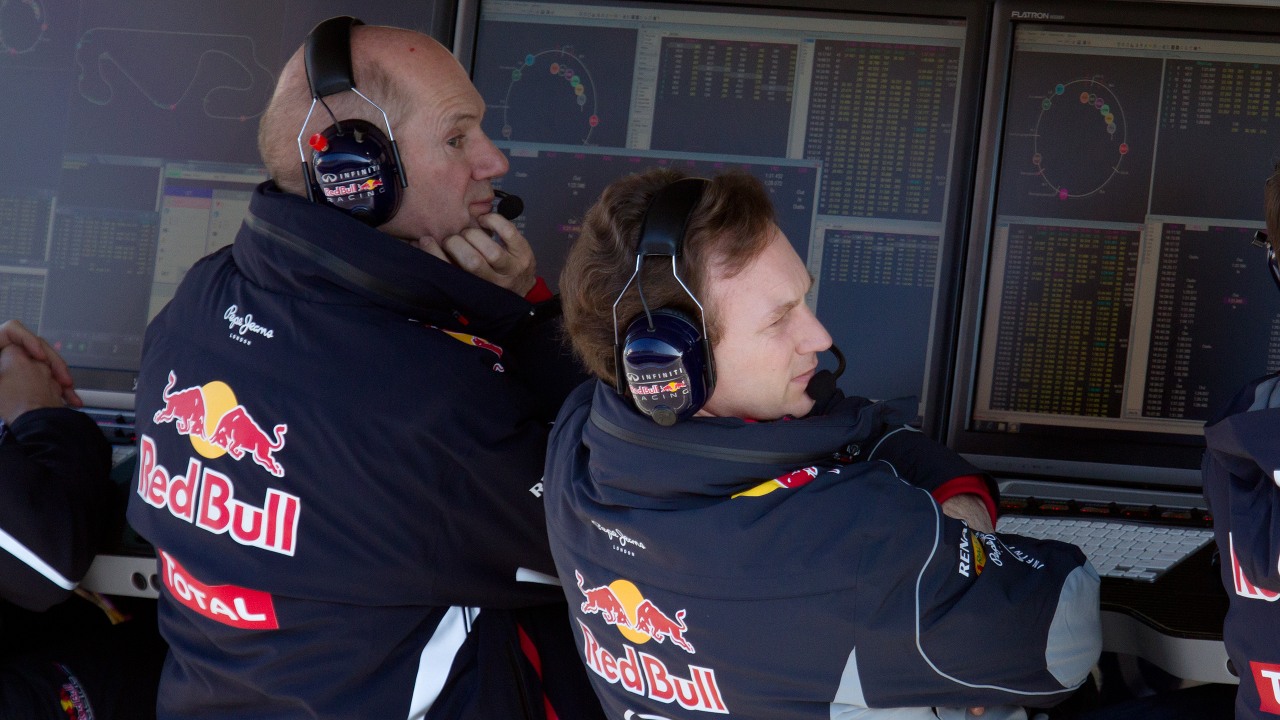
In modern motorsport, data analytics plays an essential role in enhancing the effectiveness of undercuts and overcuts. Teams employ sophisticated software and tools to predict the optimal timing for pit stops. These tools analyze real-time race data, allowing teams to make informed decisions. For example, in Formula 1, teams use software like RaceWatch and ATLAS to process telemetry data, tire performance, and track conditions, enabling them to time their pit stops with precision.
Data analysts rely on historical race data to shape strategic decisions during a race. By examining past performances and outcomes, analysts can forecast how a race might unfold, considering variables like weather and track evolution. This historical insight is invaluable in devising strategies that capitalize on the strengths of undercuts and overcuts.
Case Studies: Successful Implementation
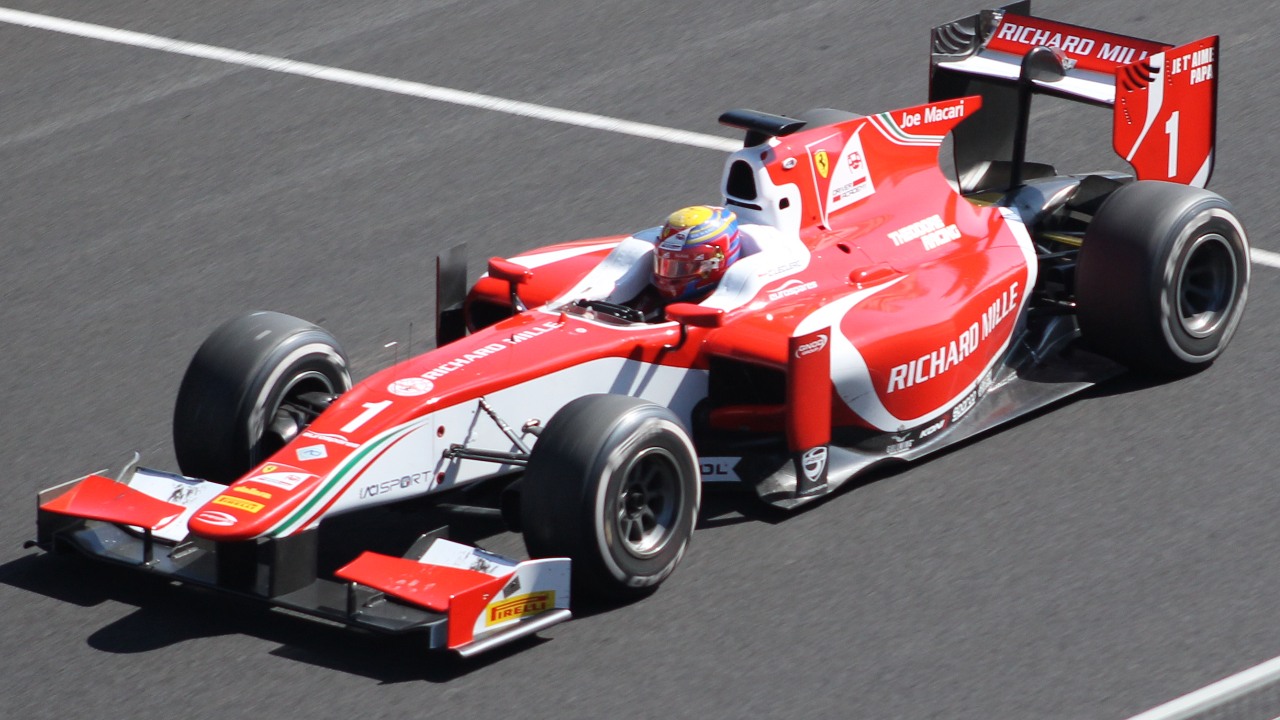
One notable example of a successful undercut occurred during the 2022 Monaco Grand Prix. Charles Leclerc, driving for Ferrari, executed a well-timed undercut to leapfrog several competitors. The decision to pit early capitalized on the significant time gained from fresh tires, allowing him to secure a better track position. The circumstances involved careful consideration of traffic and tire wear, ultimately resulting in a successful outcome.
Conversely, the 2021 Hungarian Grand Prix saw Lewis Hamilton employ an overcut strategy to great effect. By extending his stint on medium tires, Hamilton managed to maintain a competitive pace while others pitted earlier. His choice paid off as he rejoined the race with fresher tires, overtaking rivals who struggled with tire degradation. However, not all strategies yield positive results. During the 2023 Italian Grand Prix, a team’s misjudgment in timing an undercut led to a lost opportunity, as the driver re-entered the track amidst heavy traffic, nullifying any potential gains.
Challenges and Limitations
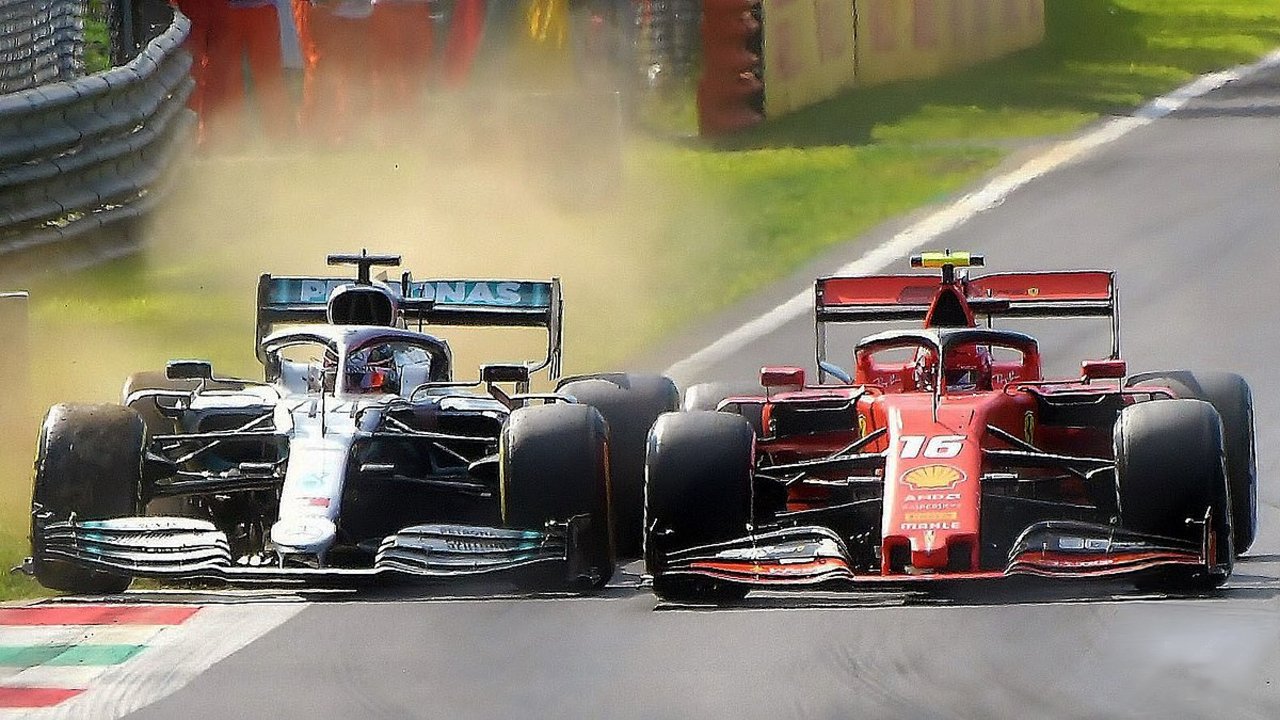
Executing undercuts and overcuts presents several challenges for teams. One significant risk is traffic, as rejoining the race behind slower cars can negate any time gained during the pit stop. Pit stop errors, such as slow tire changes or miscommunication, can further exacerbate these challenges. Additionally, the effectiveness of these strategies is often limited by the rate of tire wear and track-specific characteristics.
External factors such as weather conditions and safety cars can also complicate strategic decisions. A sudden rain shower, for instance, can render a carefully planned strategy obsolete, forcing teams to adapt quickly. Safety car deployments can neutralize any advantage gained through an undercut or overcut, as the field bunches up, eliminating gaps between cars. Despite these challenges, teams continue to refine their strategies, seeking every possible advantage.
Future Trends in Racing Strategy
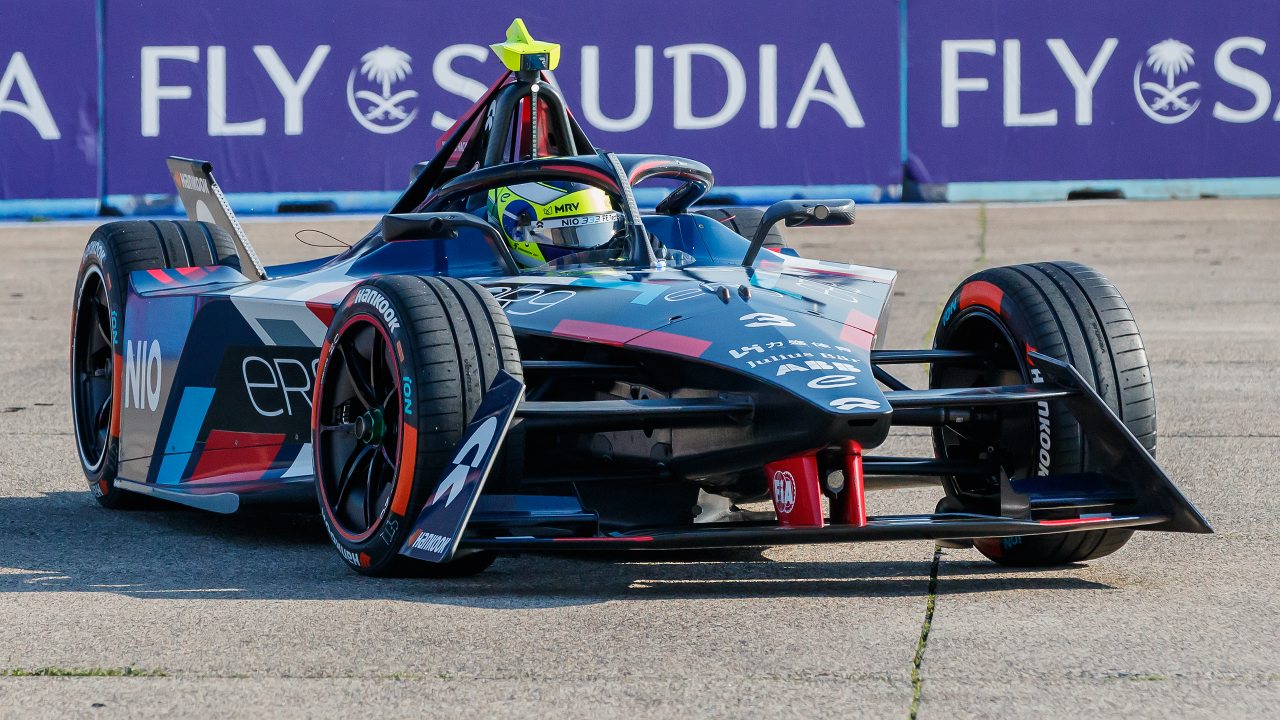
Advancements in technology, particularly in AI and machine learning, are poised to revolutionize strategic decision-making in motorsports. These technologies have the potential to enhance real-time data analysis, providing teams with deeper insights into race dynamics. As racing evolves, strategies like undercuts and overcuts will likely adapt to new regulations and car specifications, altering how teams approach race strategy.
Future innovations in pit stop strategies may emerge as teams seek competitive advantages. Concepts such as predictive analytics could enable more precise timing of pit stops, while advances in tire technology might alter the balance between undercut and overcut strategies. As the motorsport landscape continues to evolve, teams will undoubtedly continue to explore new ways to leverage undercuts and overcuts in their quest for victory.
Like Fast Lane Only’s content? Be sure to follow us.
Here’s more from us:
*Created with AI assistance and editor review.