
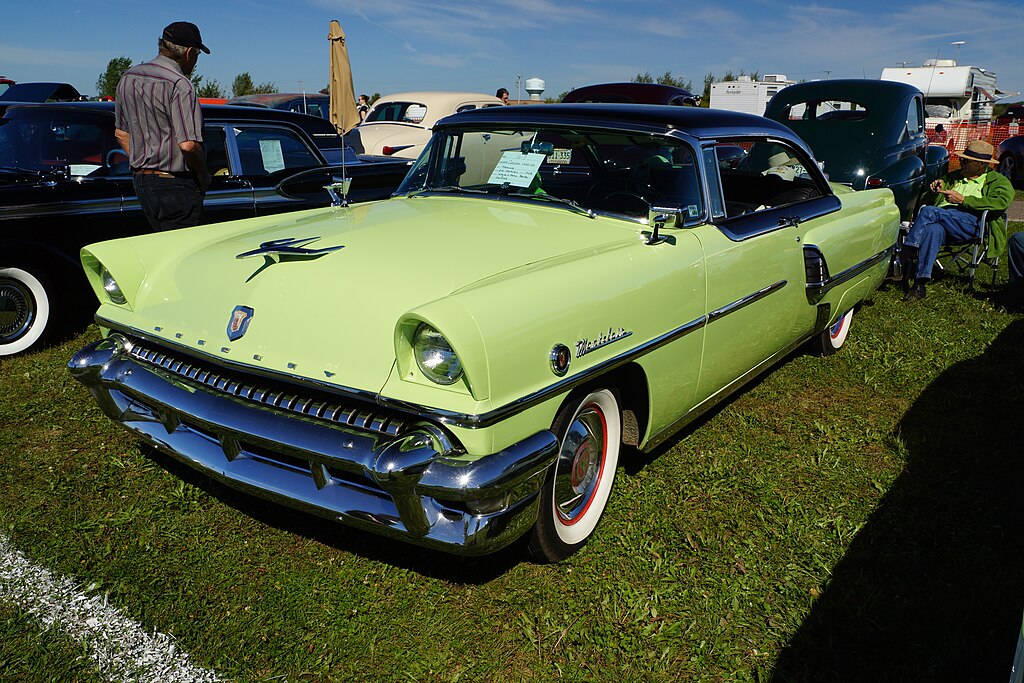
By 1955, Packard was fighting for relevance in a luxury car market that was evolving fast. The 400 wasn’t just another model—it was a calculated move to pull the brand back into the spotlight. With a new V8, modern suspension, and flashy two-tone paint, it had the ingredients to compete with Cadillac, Lincoln, and Chrysler. But timing wasn’t on Packard’s side. To understand what the 400 was up against—and why it mattered—it helps to see what the rest of the field was offering that same year.
1955 Packard 400: One Last Shot at the Top
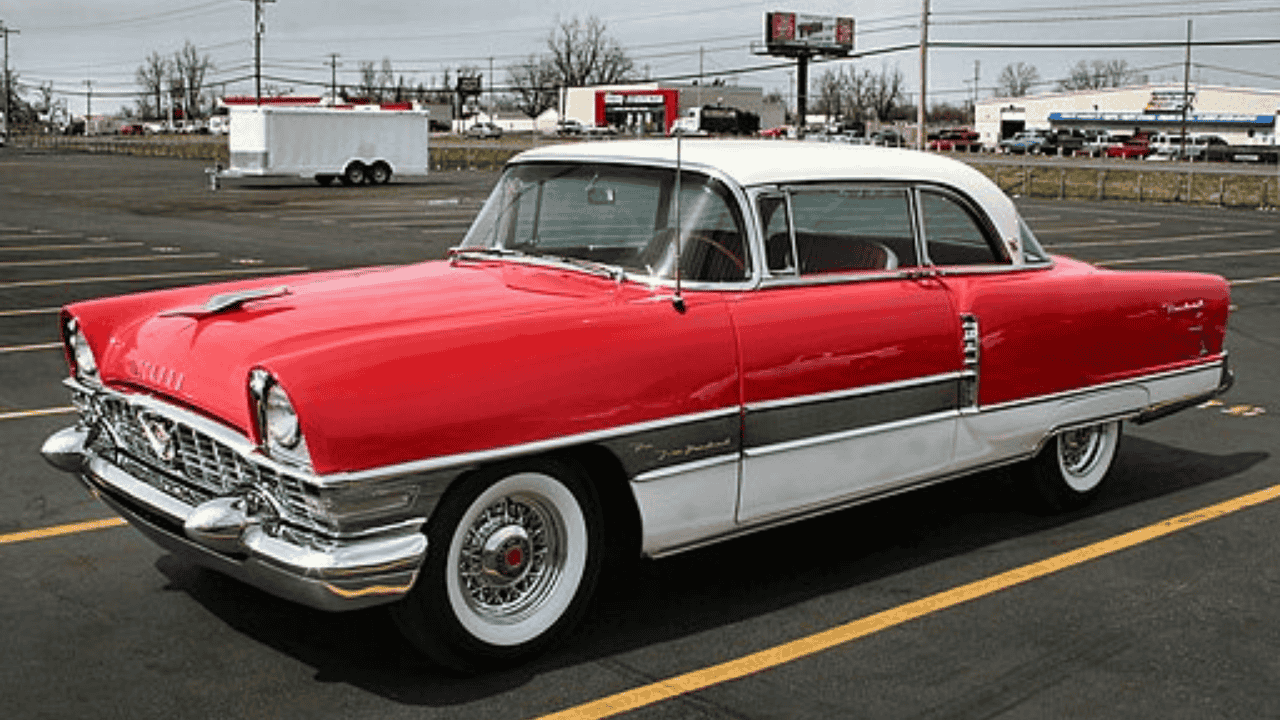
The 1955 Packard 400 was meant to put the brand back on the radar. It came equipped with a new 352-cubic-inch V8 pushing 260 horsepower—finally moving on from the aging inline-eights. Torsion-Level suspension gave it a smooth ride, and Ultramatic transmission was standard. The two-tone paint, chrome-heavy design, and tall vertical grille gave it presence. Inside, the 400 offered high-grade cloth or leather trim, power accessories, and thoughtful finishing. Packard was clearly trying to hold its place among luxury names like Cadillac and Lincoln, but by ’55, the climb had gotten steep.
1955 Cadillac Series 62: The Benchmark Everyone Watched
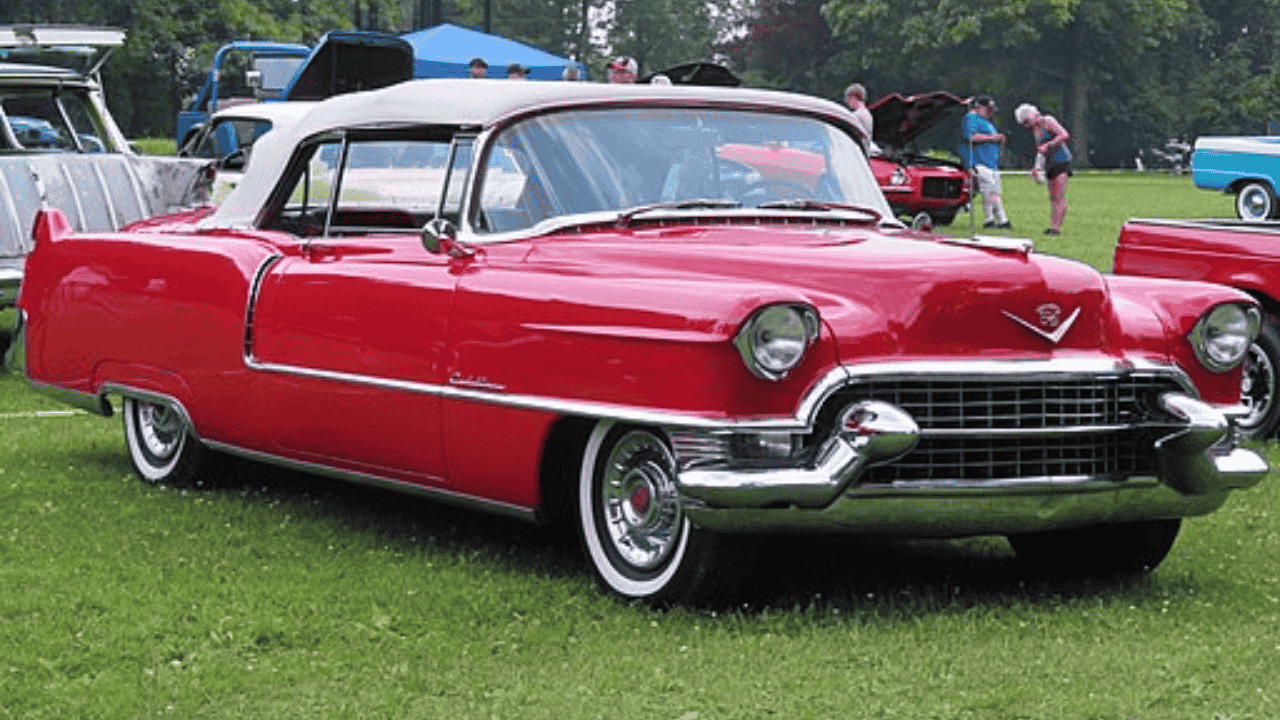
Cadillac’s Series 62 for 1955 was already polished. The 331-cubic-inch OHV V8 made 250 horsepower, backed by Hydra-Matic drive. Cadillac balanced performance with style—tailfins were modest, but growing, and the design looked refined without being bloated. Inside, it had power seats, power windows, and air conditioning. It wasn’t just about comfort; Cadillac knew how to manage proportion and visual restraint better than most. For Packard, the 400 had to compete directly with this. It got close in size and features, but Cadillac had the brand momentum and showroom presence that Packard couldn’t quite match.
1955 Lincoln Capri: Solid, But Still Finding Its Voice
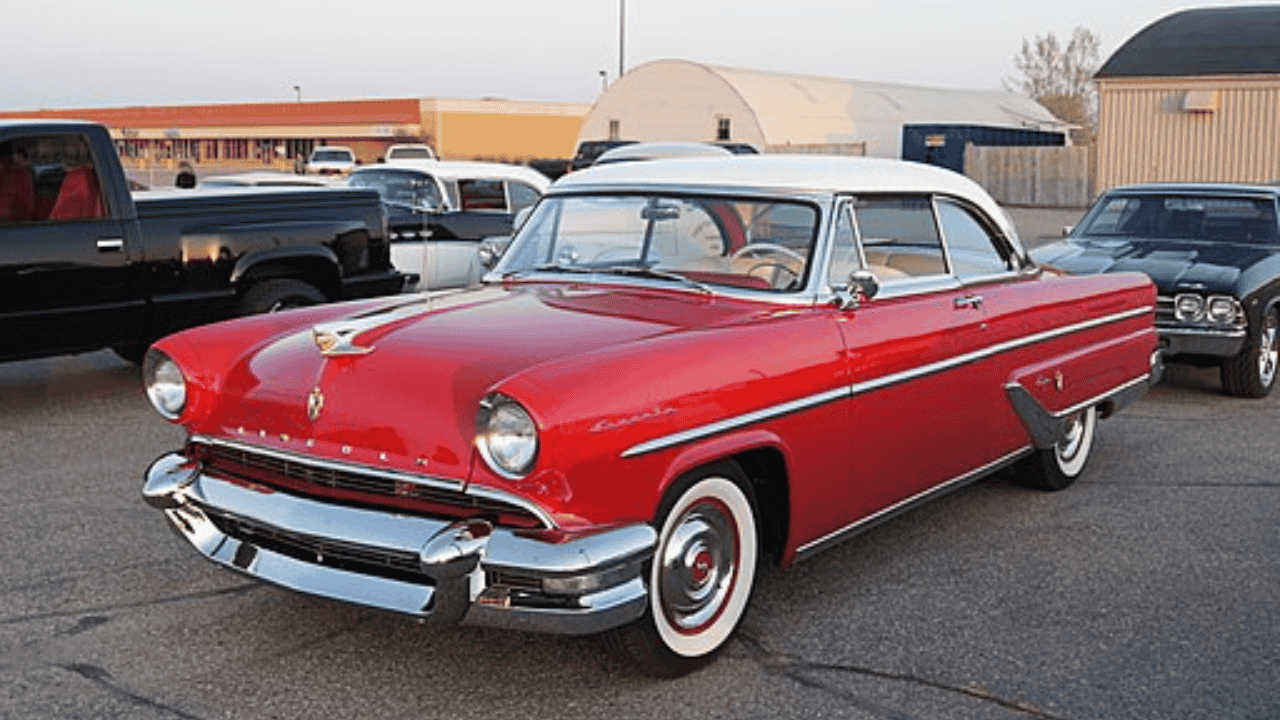
The 1955 Lincoln Capri came with a 341-cubic-inch Y-block V8 producing 225 hp. It had a unique grille and tidy, understated styling. Lincoln emphasized engineering—ball-joint suspension and improved road feel—but it hadn’t yet found the design confidence Cadillac was working with. Interiors were roomy, and standard equipment included power brakes and steering. The Capri played in the same luxury sandbox as the 400 but didn’t overpower it. If anything, it showed that Packard still had a chance—if it could out-spec and out-smooth rivals without looking dated.
1955 Chrysler New Yorker Deluxe: Performance in a Tailored Suit
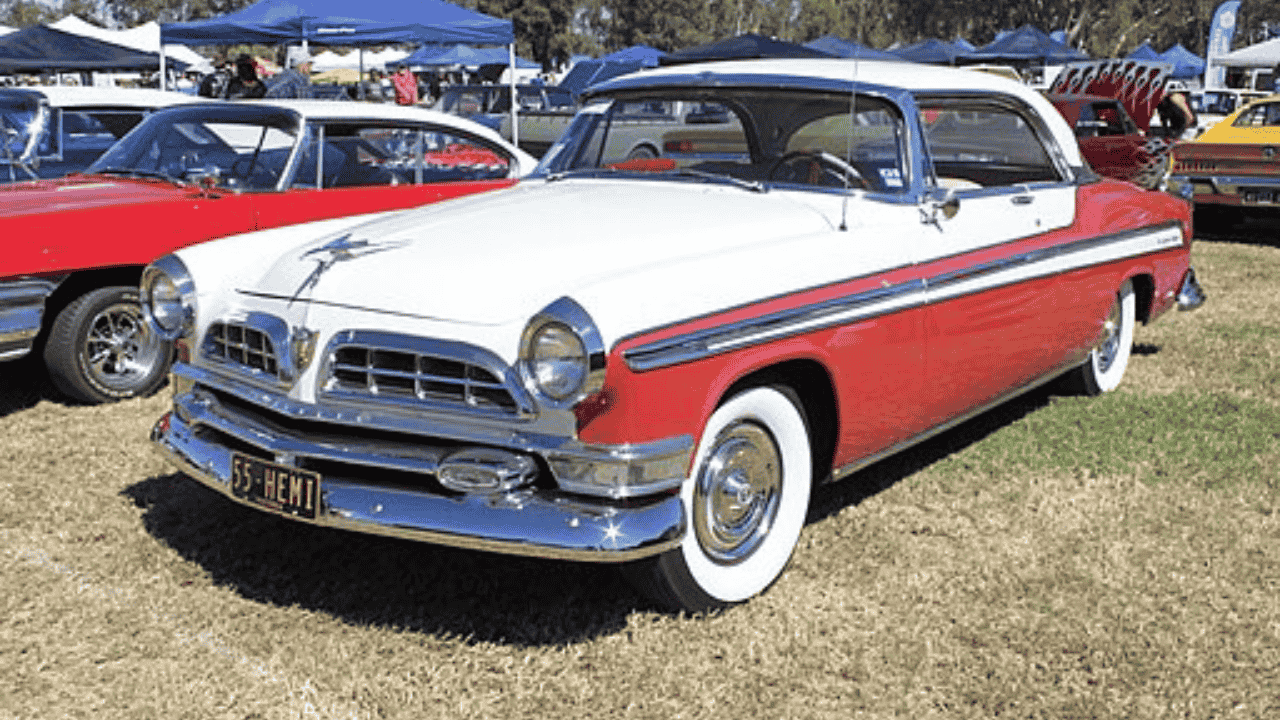
Chrysler’s New Yorker Deluxe brought serious hardware in 1955. Its 331-cubic-inch FirePower HEMI V8 made 250 hp—putting it on equal footing with Cadillac. Torsion bar suspension came a year later, but the ride was still composed, and the PowerFlite automatic was responsive. Chrysler took a more understated approach with design—cleaner lines, minimal fins, and good use of proportion. The Packard 400 had more visual flash, but Chrysler brought more mechanical confidence. Between the two, buyers had to decide if they wanted innovation under the hood or prestige on the fender.
1955 Buick Roadmaster: Flashy, Big, and Everywhere
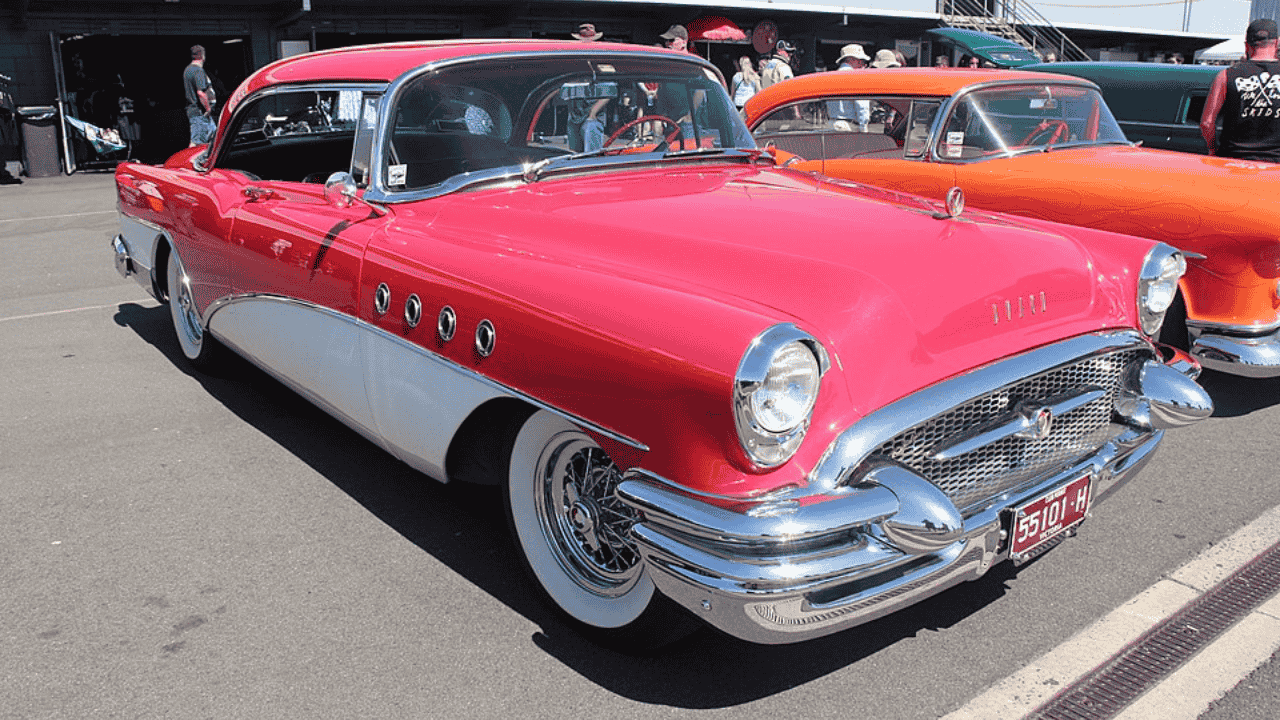
The 1955 Roadmaster was Buick’s top offering and had the sales numbers to back it up. With a 236-hp, 322-cubic-inch Nailhead V8, it wasn’t the fastest, but it made up for it in presence. The big Buick had sweeping lines, ventiports, and a wide-mouth grille that set it apart. Interiors were well-appointed with deep seating, power options, and Buick’s trademark dash styling. Where the Packard 400 tried to thread the needle between tradition and flair, Buick went full spectacle. It worked for buyers in ’55, even if Packard’s approach was arguably more refined.
1955 DeSoto Fireflite: Chrysler’s Mid-Lux Player
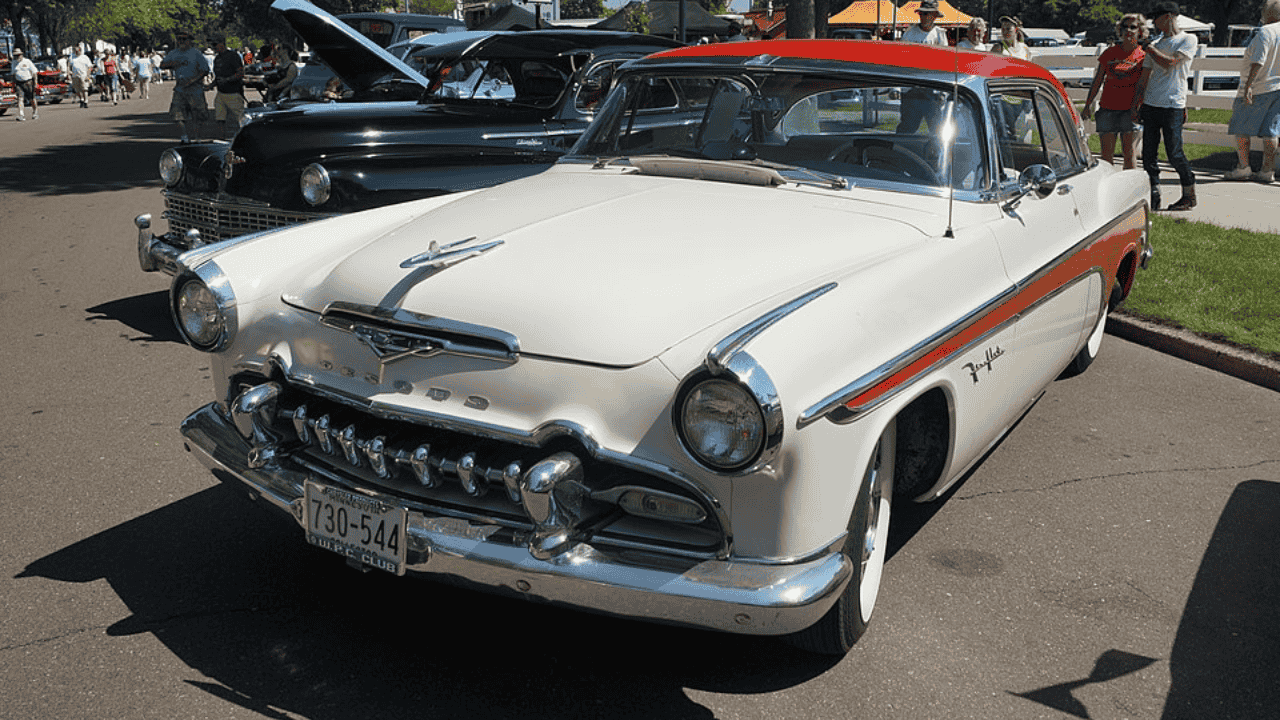
DeSoto’s Fireflite was a well-equipped contender in 1955. Its 291-cubic-inch HEMI V8 made 200 hp, and the styling leaned slightly futuristic with wraparound windshields and modest fins. It didn’t aim directly at Cadillac or Packard but hovered just below that tier. The Fireflite offered interior quality and visual flair without stepping into full luxury pricing. Packard’s 400 had more power and exclusivity, but DeSoto showed that mid-range brands were catching up fast. For Packard, it meant competition wasn’t just above—it was also closing in from below.
1955 Mercury Montclair: Style Forward, Muscle Next
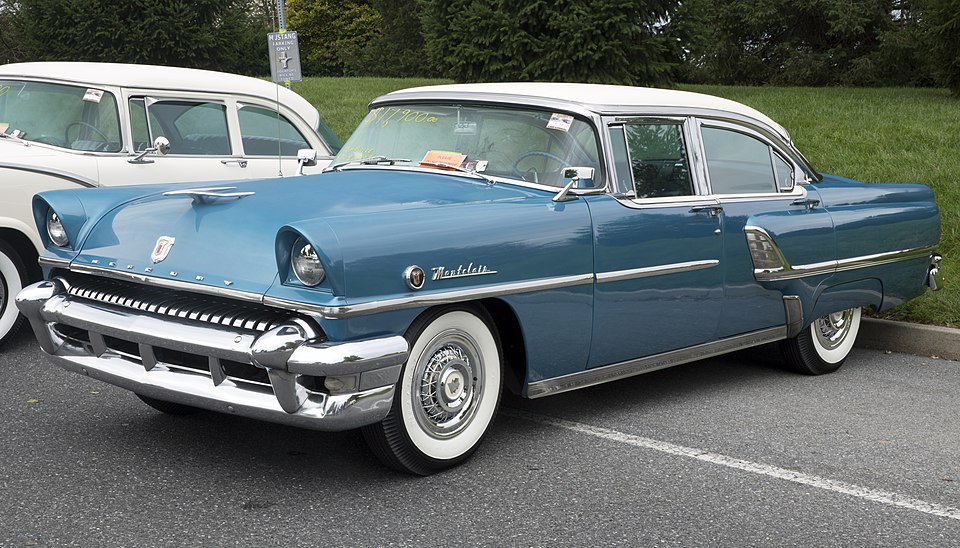
The 1955 Mercury Montclair brought a 292-cubic-inch Y-block V8 rated at 198 hp. It wasn’t aimed squarely at Packard but was starting to catch attention with bold styling and vibrant paint schemes. Mercury leaned heavily into appearance packages—two-tones, lots of stainless, and a distinctive roofline. Inside, it delivered with a flashy dash and high-spec materials. The Packard 400 may have had better mechanical credentials and smoother ride quality, but the Montclair pulled in younger buyers with looks and flair. In a changing market, that mattered more than Packard may have realized.
1955 Hudson Hornet V8: A Familiar Name, A New Layout
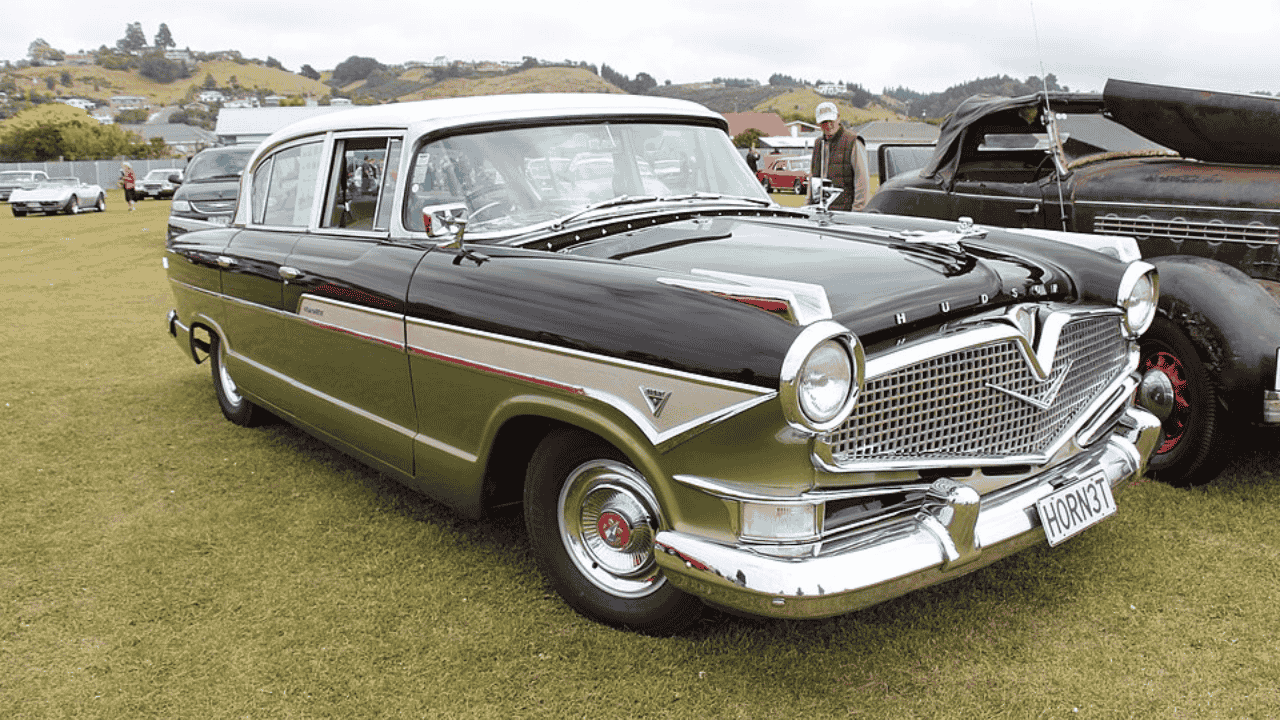
By 1955, Hudson was deep into its merger with Nash, and the Hornet was now built on a shared platform. Gone was the famous step-down design; in came a 308-cubic-inch Packard-sourced V8 producing 208 hp. Ironically, Packard powered its future rival. The Hornet looked competent but lacked the visual authority of its earlier years. Inside, it offered solid comfort and basic amenities, but it couldn’t match the Packard 400 in ride or finish. This odd overlap—Packard supplying engines to a struggling brand—reflected how unstable the luxury landscape had become.
Like Fast Lane Only’s content? Be sure to follow us.
Here’s more from us:
*Created with AI assistance and editor review.

Leave a Reply