The 1967 Pontiac GTO High Output package did more than add a few extra horsepower. It crystallized how Pontiac could keep selling excitement in an era when corporate rules were starting to rein in the wildest performance hardware. By sharpening one model’s engine, chassis, and image, Pontiac turned the 1967 GTO HO into a proof of concept for a broader power strategy that balanced raw speed with drivability and mass appeal.
Instead of chasing ever more exotic setups, Pontiac used the HO to show that carefully tuned, street‑friendly performance could carry the brand’s identity just as effectively as headline-grabbing race specials. The result was a car that enthusiasts still point to as the peak of the first‑generation GTO, and a template for how to keep performance alive inside a big corporation’s rulebook.
From Tri-Power to HO: A strategic pivot in Pontiac performance
The High Output version of the 1967 GTO only makes sense when viewed against what Pontiac had to give up. Earlier GTOs had leaned heavily on the “Tri-Power” setup, a trio of Rochester two‑barrel carburetors that became shorthand for Pontiac’s most aggressive street engines. Reporting on the model’s history notes that in Pontiac parlance, “Tri, Power” meant three Rochester units with a vacuum‑operated linkage, a combination that defined the brand’s mid‑sixties performance image before it was dropped after the 1966 model year, a change tied directly to corporate policy on multiple carburetors In Pontiac. When that hardware disappeared, Pontiac needed a new way to signal that the GTO still sat at the sharp end of the muscle‑car field.
Coverage of the 1967 GTO’s engine program explains that the HO package emerged as the answer to that dilemma. A detailed breakdown of the 1967 GTO powertrain notes that “Something” fresh lurked behind the new grille, with the standard engine updated and the High Output option adding further upgrades, including a more aggressive camshaft and improved breathing, to restore the performance edge that Tri‑Power had once provided Something. A separate technical explainer on the HO engine underscores that this shift was driven by a corporate policy change that banned multiple carburetors for all cars except the Corvette, forcing Pontiac to concentrate its performance know‑how into a single four‑barrel configuration instead of a visually dramatic triple‑carb setup Apr. In other words, the HO was not just an option code, it was Pontiac’s strategic workaround to keep the GTO credible when the old playbook was no longer allowed.
Refining the muscle car formula without losing the edge
What made the 1967 GTO HO so important to Pontiac’s power strategy was that it did not simply chase peak numbers, it refined how that power was delivered. Enthusiast reporting on the 1967 Pontiac GTO describes the model as a car that “refined the muscle car formula” with bold styling, impressive performance, and enhanced drivability, positioning it as a more mature but still aggressive evolution of the earlier GTOs Pontiac GTO. The HO package fit that mission perfectly, pairing stronger acceleration with manners that ordinary buyers could live with in daily traffic, a crucial balance as muscle cars moved from street‑racing curiosities to mainstream showroom draws.
Later retrospectives go even further, calling the 1967 Pontiac GTO the peak of Pontiac’s “muscle‑car magic” and emphasizing how it blended raw power with more refined styling in a way that still resonates with collectors Pontiac. By anchoring that reputation in a car that could be ordered with the HO engine, Pontiac effectively tied its brand identity to a form of performance that was not just about quarter‑mile bragging rights, but about a complete package. That approach helped the division keep selling “Pontiac Power” even as insurance pressures and corporate oversight began to squeeze the wildest experiments elsewhere in the lineup.
HO hardware: How Pontiac engineered compliant power
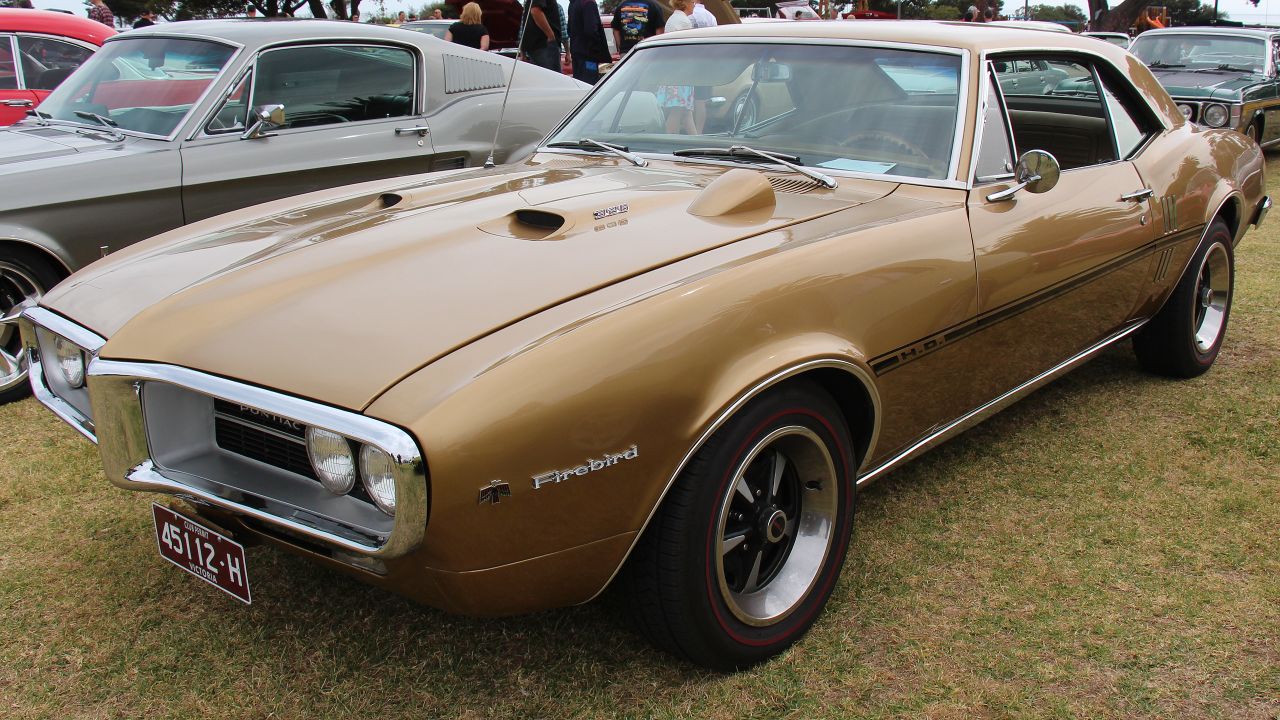
The engineering behind the 1967 GTO HO shows how Pontiac turned corporate constraints into a focused performance package. Technical profiles of the 1967 Pontiac GTO explain that the standard engine was already updated for that year, but the HO specification added a hotter cam, revised exhaust, and other breathing improvements that allowed the single four‑barrel setup to deliver the kind of punch buyers had previously associated with Tri‑Power Muscle Car Image Gallery. A detailed breakdown of what makes the 1967 GTO HO engine special ties those changes directly to the corporate ban on multiple carburetors, noting that Pontiac engineers had to extract more from a single carb while still meeting internal guidelines and keeping the car streetable Apr. The HO package therefore became a showcase for careful tuning rather than exotic hardware.
That focus on compliant power extended beyond the engine bay. Reporting on the 1967 GTO’s chassis highlights how the car managed its V8 output with an open‑rail frame, upgraded suspension, and improved braking, all of which helped the Pontiac GTO translate its engine performance into real‑world speed and control Detroit. By pairing the HO engine with a chassis that could handle it, Pontiac reinforced the idea that its performance cars were engineered systems rather than just big engines in flashy bodies. That message was crucial to sustaining the brand’s performance credibility as regulators and corporate executives grew more cautious about overtly race‑oriented equipment.
Design and image: Selling the HO as a complete performance statement
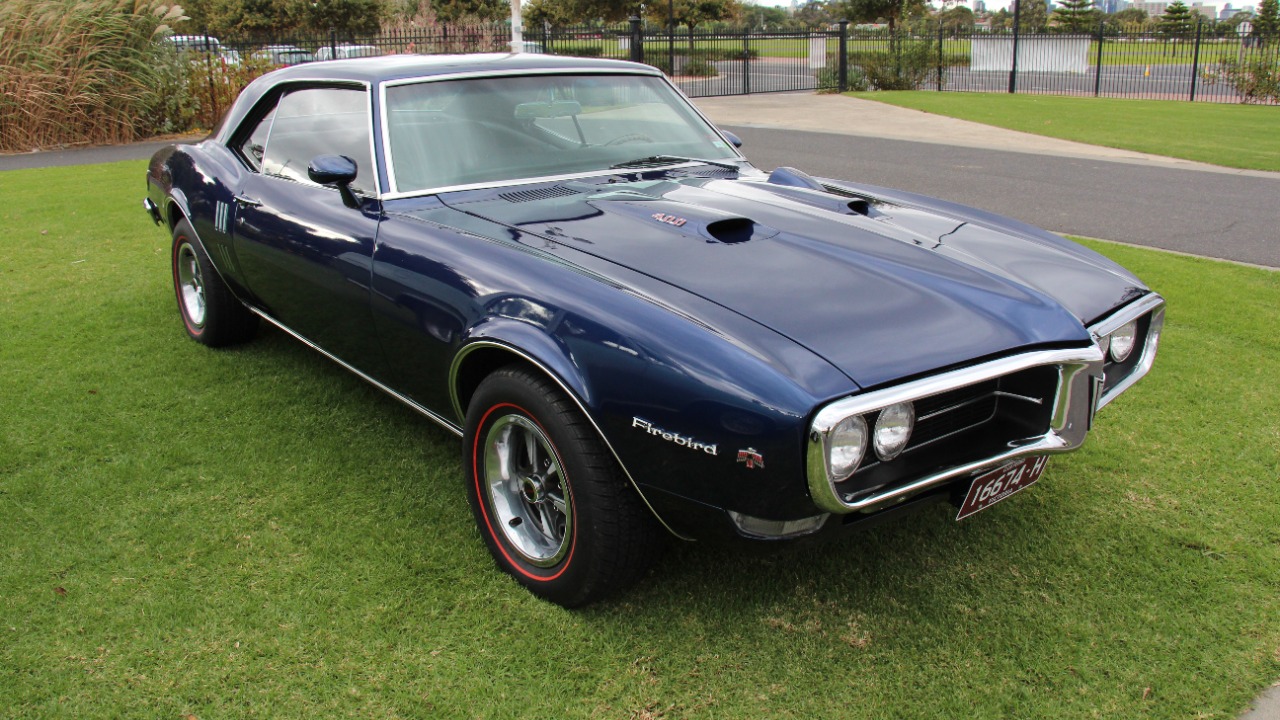
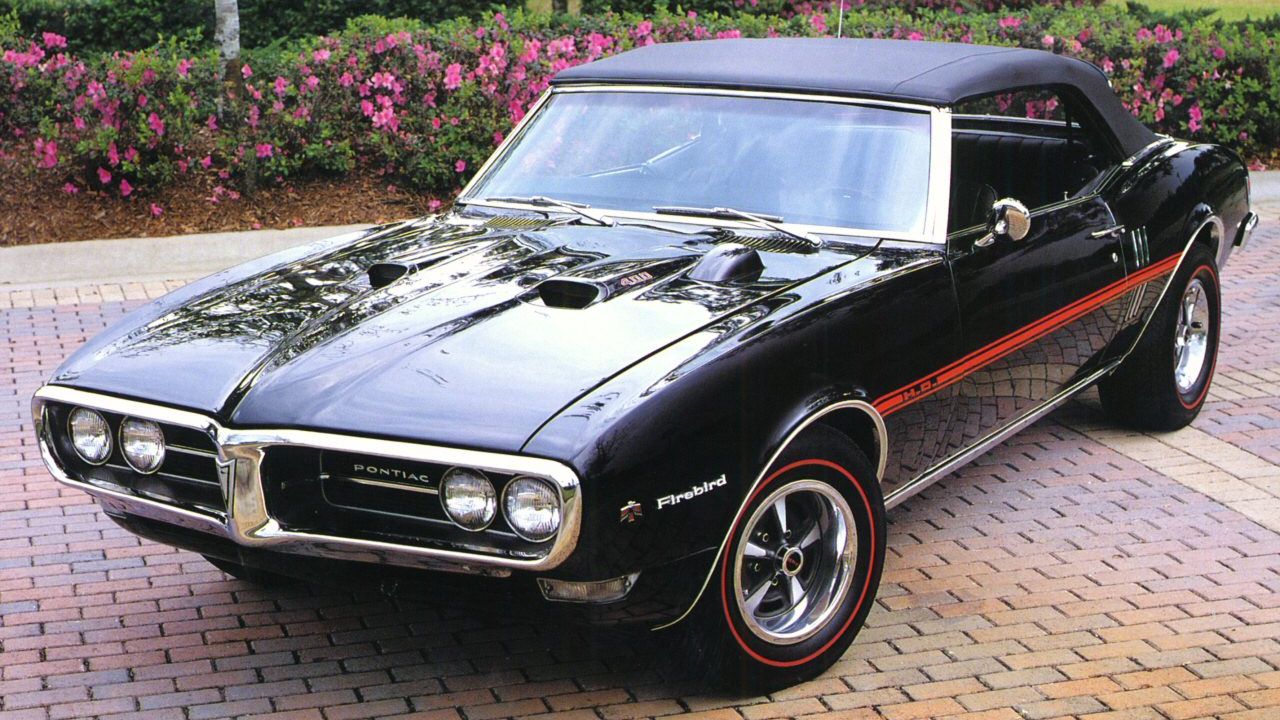
Pontiac did not rely on specifications alone to make the HO central to its power strategy, it wrapped the package in styling and marketing that made the performance story visible. Enthusiast accounts of the 1967 Pontiac GTO emphasize its bold exterior, from the revised grille to the sculpted bodywork, and describe it as a standout classic that represents the peak of the first‑generation GTO in both looks and performance GTO. That visual aggression helped signal that the HO option was more than a hidden engine code, it was part of a cohesive performance persona that buyers could see and feel.
Marketing material from the period, revisited in later video features, underscores how deliberately Pontiac tied the GTO’s image to the division’s broader youth push. One analysis of period advertising notes that the GTO, with its vibrant looks and exciting performance, played an essential role in shaping the Pontiac division’s youthful, performance‑oriented identity, with the 1967 model featured prominently in that narrative GTO. By promoting the car as a complete statement of speed and style, Pontiac ensured that the HO engine was not just a technical upgrade, but a central pillar of how the brand sold itself to a new generation of buyers who wanted both power and polish.
Legacy: How the 1967 GTO HO shaped Pontiac’s long-term power play
Looking back from today, the 1967 GTO HO stands out as a turning point in how Pontiac approached performance. Enthusiast communities still describe the 1967 Pontiac GTO as a true icon of American muscle and the high point of the first‑generation GTO, a reputation that rests heavily on the way the car combined serious power with everyday usability and distinctive styling Pontiac GTO. Other retrospectives on American muscle culture point out that many enthusiasts still regard the Pontiac GTO as the first true muscle car, and they highlight the 1967 model year as a moment when Pontiac proved it could evolve that formula without losing its core identity Pontiac GTO. The HO package was central to that evolution, showing that the brand could deliver serious performance within tighter corporate and regulatory boundaries.
That legacy matters because it influenced how Pontiac approached performance in the years that followed. Later coverage of the 1967 Pontiac GTO, including pieces published as recently as May 27, 2025 and Aug 23, 2025, continues to frame the car as a benchmark for “Pontiac Power,” a model that blended bold styling, impressive performance, and improved drivability in a way that still defines the brand’s golden era May 27, 2025 Aug. By proving that a carefully tuned High Output package could carry the performance banner after Tri‑Power, the 1967 GTO HO helped set the template for how Pontiac, and much of Detroit, would pursue power in the years when outright excess was no longer an option.