
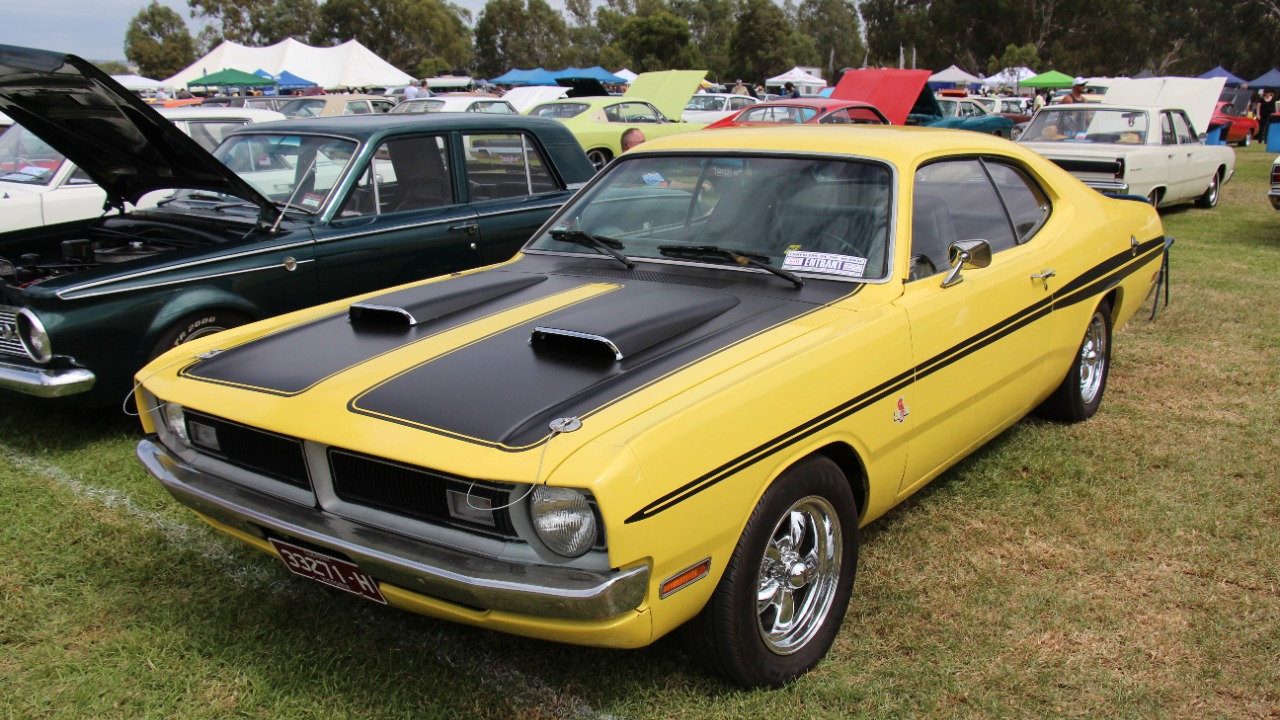
The 1971 Dodge Demon 340 arrived as a compact coupe that could embarrass bigger, pricier muscle cars, and it did so with a mix of clever engineering and unapologetic attitude. Instead of chasing the largest engine on the block, Dodge focused on balance, traction, and a high-winding small-block that turned this budget-friendly A-body into a genuine threat at the drag strip and on the street. More than five decades later, that formula is why the Demon 340 still has a reputation for punching far above its weight.
Small body, serious hardware
When I look at what made the Demon 340 so disruptive, I start with its basic proportions. Built on Dodge’s compact A-body platform, the car was lighter and tidier than the brand’s big B-body bruisers, which meant every bit of power had less mass to move. Instead of relying on sheer displacement, Dodge dropped in the 340 small-block and paired it with chassis upgrades that turned the Demon into a sharp, almost mischievous alternative to the era’s full-size muscle. That combination of modest size and serious intent is the foundation of its giant-killer reputation.
The factory did not treat the Demon 340 as a stripped-out economy special. Cars equipped with the 340 arrived with a standard Rallye suspension that included heavy-duty torsion bars and other beefed-up components, so the chassis could actually keep up with the engine. Under the hood sat the 340 V8 itself, a compact but potent package that gave the Demon the kind of responsiveness and mid-range punch drivers expected from much larger engines. By building this hardware into a smaller shell, Dodge created a car that felt eager and agile where some rivals felt bulky and blunt.
The 340 that hit above its class
The heart of the Demon’s upset potential was that 340 cubic inch small-block, and I think its character explains a lot about why the car still matters. Rather than chasing headline-grabbing displacement, Dodge engineers focused on airflow, compression, and rev-happy behavior, which gave the Demon a lively personality that rewarded drivers who were willing to keep their foot in it. The result was an engine that felt more sophisticated than its simple pushrod layout suggested, and it turned the Demon into a car that could surprise drivers who underestimated a compact coupe with a devil badge.
Contemporary performance figures back up that impression. Period-style reporting describes the Demon 340’s V8 as producing 275 horsepower, a figure that might look modest next to big-block ratings but came alive when paired with the car’s relatively low weight. That same coverage notes that with a 340 making 275 horses, these small Dodges could clear the quarter mile in about 14.4 seconds, a number that put them squarely in the hunt with better-known muscle machines of the era. In practice, that meant a Demon 340 driver could line up against larger, more expensive cars and hold their own, or even pull ahead, before the other guy realized what had just happened.
“Devil Child” attitude on a budget
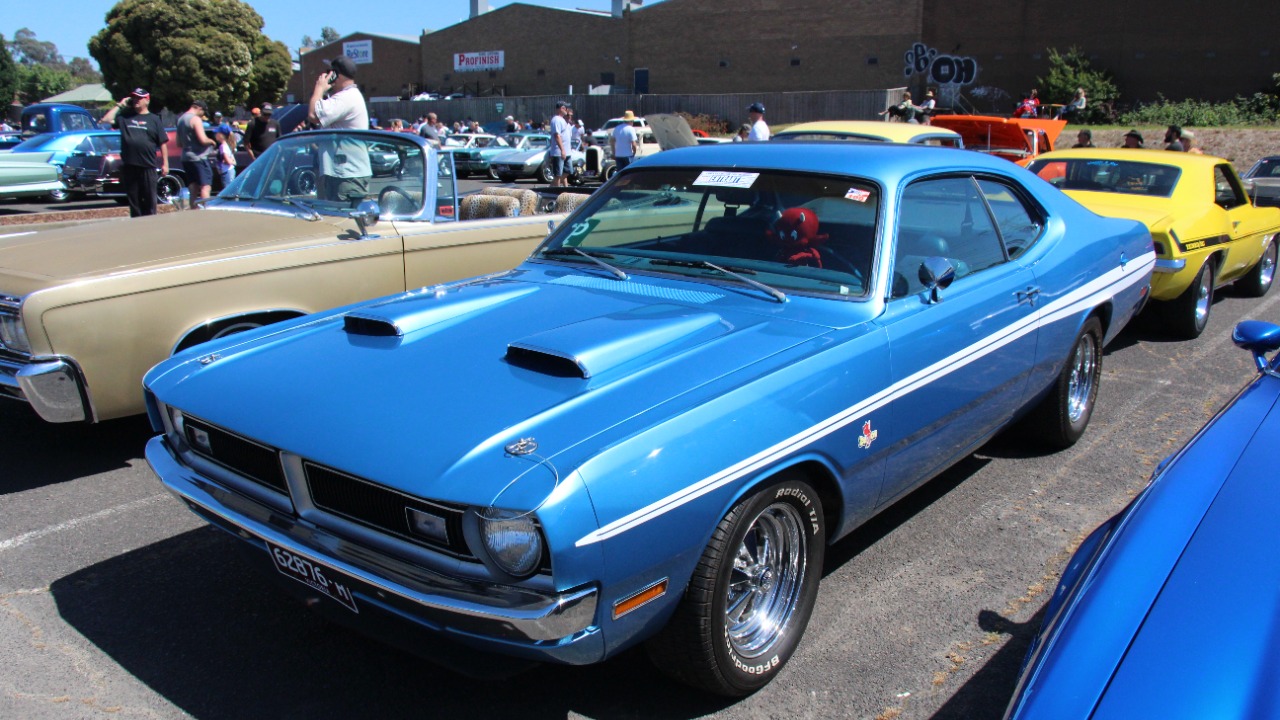
Power and hardware alone do not make a cult car, and the Demon 340’s personality is a big part of why I see it as a true spoiler in the early 1970s muscle hierarchy. Dodge leaned into the car’s rebellious streak, marketing it with cheeky devil graphics and a name that signaled this was not a polite commuter. That attitude resonated with buyers who wanted something a little wilder than a typical compact, but who could not or would not stretch to a full-size performance model. The Demon’s image made it feel like an insider’s choice, a car for people who knew where the real fun was hiding in the showroom.
Underneath the graphics, the package was thoughtfully tuned. Coverage of the car’s development describes the Demon as Dodge’s “Devil Child”, a nickname that captured how the 275hp 340ci engine gave this compact a real shot at embarrassing big-block competitors. The same reporting notes that the car was Equipped with suspension pieces like a rear sway bar that helped it stay composed when that power came on. In other words, the Demon 340 was not just a straight-line trick; it was a relatively affordable, well-rounded performance car that delivered more attitude and capability than its price and size suggested.
Engineering that made the most of every cubic inch
What impresses me most about the Demon 340 is how much thought went into extracting real-world performance from a relatively small engine. Rather than simply dropping a big lump of iron into the engine bay, Dodge built the car around the 340, making sure the rest of the package could exploit its strengths. That approach shows up in the way the car accelerates, handles, and even stops, turning what could have been a parts-bin special into a cohesive performance machine.
Technical breakdowns of the original Demon highlight how carefully the powertrain was specified. Under the hood sat a 340ci/5.5-liter Engine, a naturally aspirated V8 fed by a single four-barrel Carter carburetor, that delivered strong torque without the nose-heavy feel of a big-block. Described within a Demonic Performance table, that 5.5-liter layout gave the Demon a broad powerband that worked well with street gearing and available automatic or manual transmissions. Combined with the factory Rallye suspension and the car’s compact footprint, this engine choice meant the Demon could launch hard, change direction quickly, and still be driven daily without feeling like a compromise.
Why the Demon 340 still feels like a giant killer
Looking back now, I see the 1971 Demon 340 as a preview of a performance philosophy that would come back into fashion decades later. Instead of chasing the biggest possible numbers on paper, Dodge built a car that balanced power, weight, and chassis tuning in a way that made it genuinely quick in the real world. That is exactly the formula modern enthusiasts celebrate when they talk about “momentum cars” or well-balanced sport compacts, and it is striking to realize how clearly the Demon anticipated that mindset.
The numbers and details that survive in period-style coverage help explain why the car’s legend has only grown. The combination of a DEMON 340 package with Rallye suspension, a 340 small-block rated at 275 horsepower, and quarter-mile times around 14.4 seconds put this compact Dodge in direct contention with larger, more famous muscle cars that have dominated the spotlight for years. Add in the “Devil Child” branding, the carefully tuned Engine layout, and the way the car could run a reported 13.92 at over 102 mph in the right hands, and the Demon 340’s status as a giant killer feels less like legend and more like a simple statement of fact.

Leave a Reply