
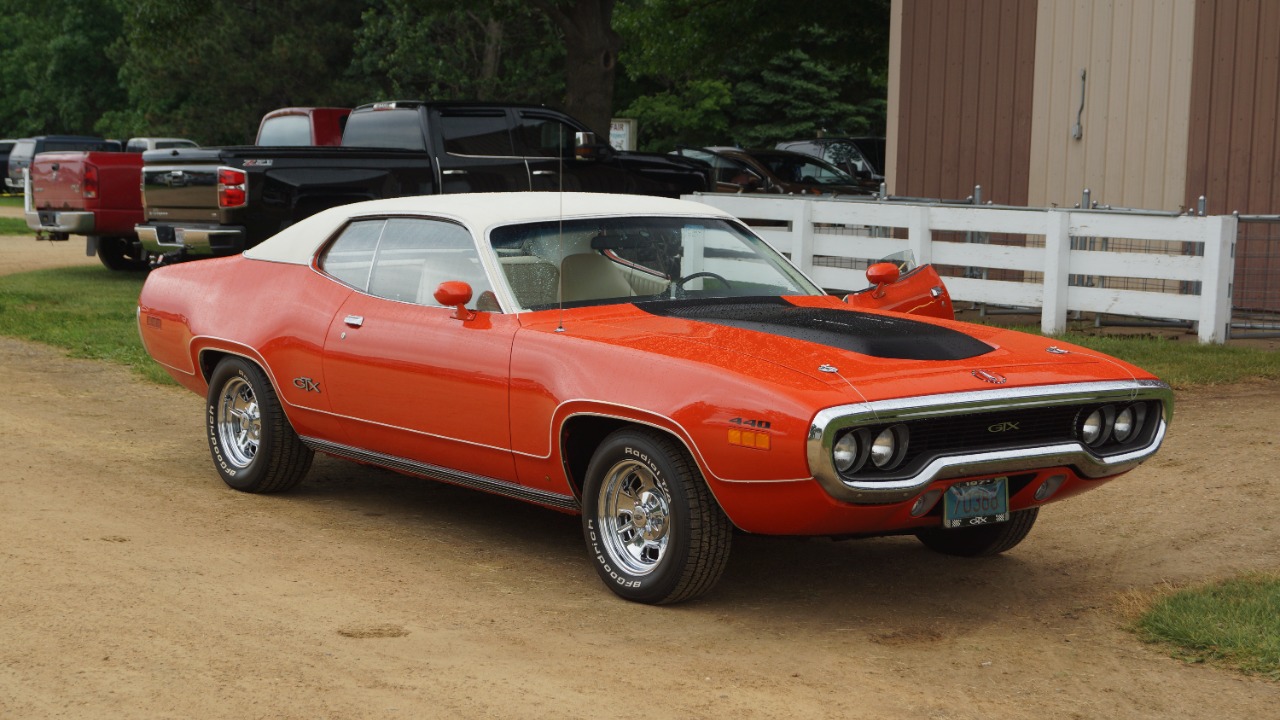
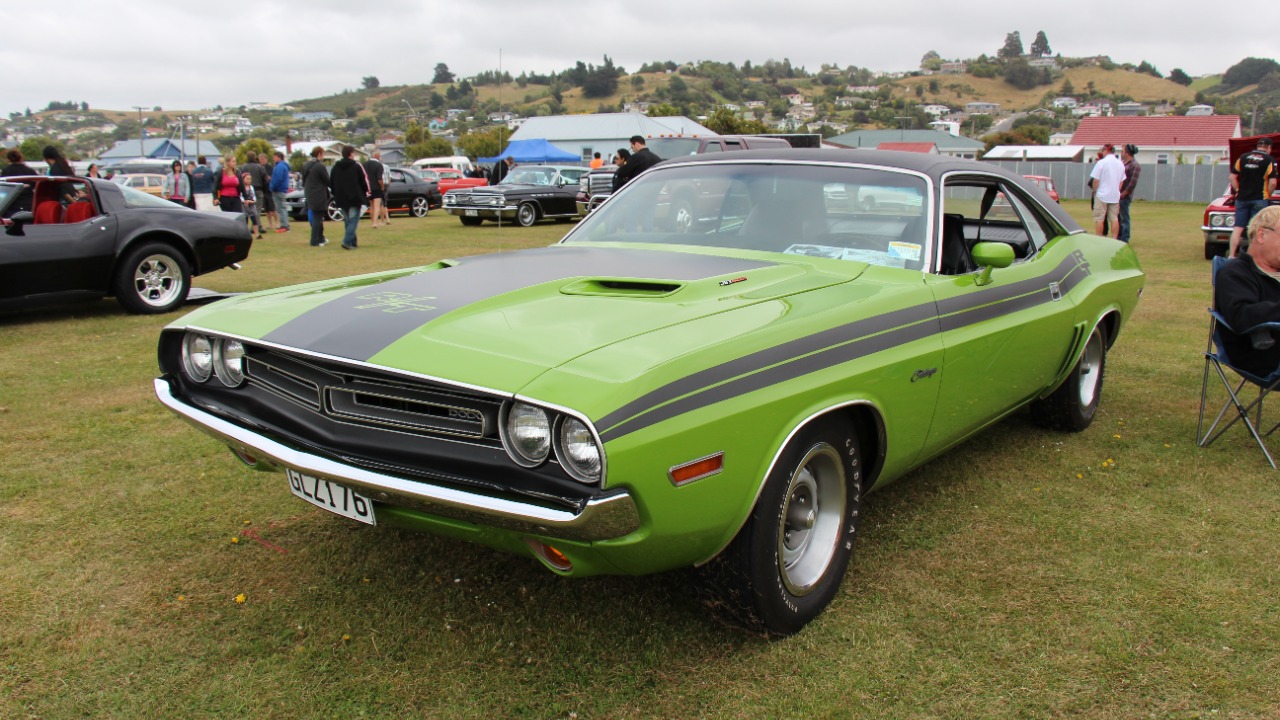
The 1971 Plymouth GTX arrived just as American performance cars were running into a wall of new rules, higher costs, and shifting public priorities. It was still a big, brash muscle machine, but the ground under it was already moving, and within a year the nameplate would be gone as a standalone model. To understand how it faded, I need to trace how that single model year sat at the crossroads of tightening regulations, rising insurance rates, and a changing idea of what a fast car should be.
The last pure GTX meets a changing American auto landscape
By 1971, the American performance boom that had filled showrooms with big-block coupes was colliding with a very different political and economic climate. Regulators were bearing down on emissions and safety, and the broader American automobile industry in the 1970s was entering what one research overview describes as a tumultuous era shaped by new rules, economic shocks, and growing foreign competition. I see the 1971 Plymouth GTX as a kind of time capsule from the moment before those pressures fully reshaped Detroit, still wearing the swagger of the late 1960s but already constrained by the forces that would end the classic muscle era.
Under the skin, the GTX shared its basic platform with the Plymouth Road Runner, but it was positioned as the more upscale, better equipped sibling. Guides to the Plymouth Road Runner generations describe how that car evolved from a bare-bones budget hot rod into a more sophisticated performance coupe, and the GTX rode the same wave, only starting from a higher baseline of comfort and trim. In 1971, that meant the GTX still offered serious power and presence, yet it was already being asked to live in a world where raw horsepower was becoming harder to justify to regulators, insurers, and everyday buyers.
Insurance, emissions, and the sales collapse
The most immediate squeeze on the 1971 Plymouth GTX did not come from Washington, but from the insurance office. Performance cars had become notorious for accidents and losses, and by the early 1970s, premiums on big-block muscle machines were climbing fast. One detailed history of the Plymouth GTX notes that, Due partly to rising insurance rates on muscle cars, sales dropped to fewer than 3,000 units in 1971, specifically 2,942, and the standalone GTX was discontinued after this year. When I look at those figures, I see a car that did not simply go out of fashion, it was priced out of reach for many of the young drivers who had once been its core audience.
At the same time, the regulatory vise was tightening around emissions and fuel consumption, and that pressure hit the entire performance segment. A closer look at one analysis of 1970s muscle points out that Part of the problem was that insurance premiums had started creeping up, emissions were tightening, and gas prices were becoming a real concern for buyers of big V8s, a dynamic that framed the GTX 440+6 as one of the more overlooked cars of the decade. That assessment, drawn from a feature on an often forgotten Mopar, underscores how the GTX was caught between rising costs and new rules, with the Part of the regulatory story being that emissions standards were starting to choke back the very engines that had made these cars famous.
From flagship to footnote: how the GTX name was absorbed
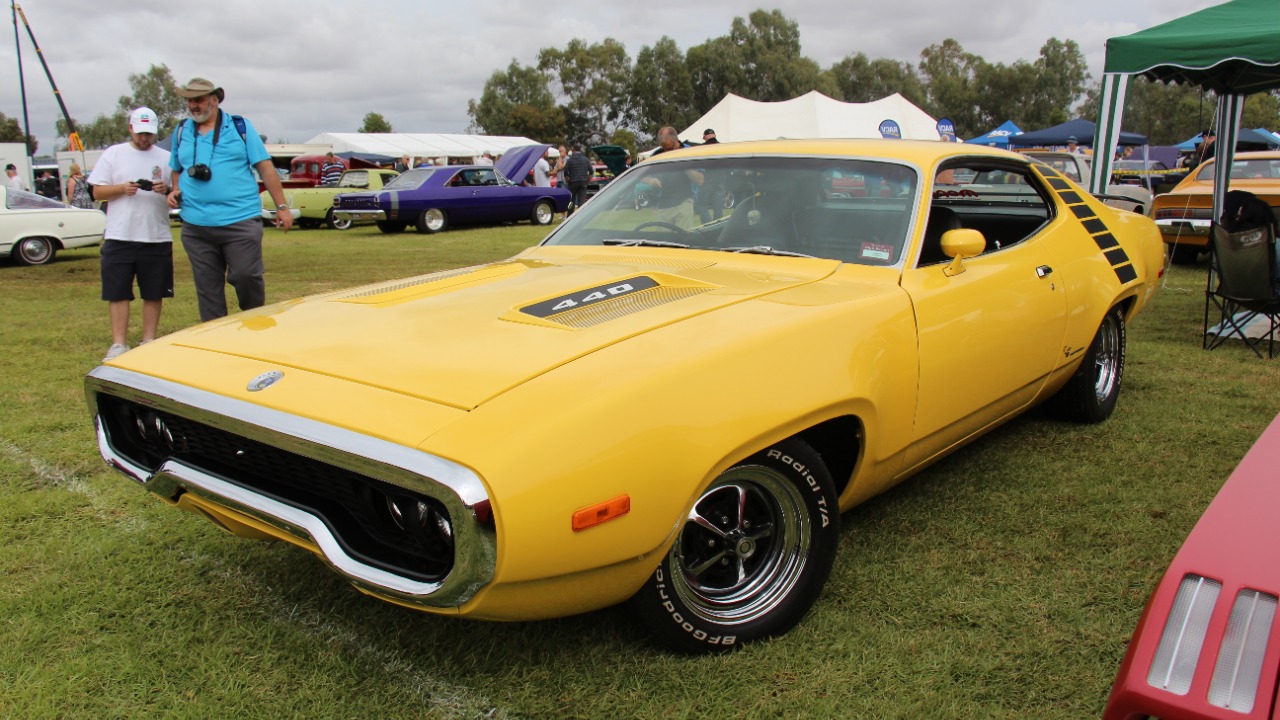
What makes the 1971 model so poignant to me is that it was both an ending and a transition. Production was tiny by Detroit standards, with one enthusiast account noting that There were less than 3,000 units produced in 1971, a figure that aligns with the official tally of 3,000 units and the precise count of 2,942. That same overview explains that for 1972 through 1974, any Road Runner ordered with the optional 44 cubic-inch big-block effectively carried the GTX’s performance mantle, even if the badge had been demoted to an option package. In other words, the name survived only as a line on an order sheet, a shift captured in that There description of how the Road Runner with the 44 engine effectively replaced the standalone GTX.
The Road Runner itself was evolving in ways that show how the market was changing around the GTX. A detailed breakdown of Engine Options and Performance for the second-generation Plymouth Road Runner notes that the 1971 redesign arrived with some of the best engines the nameplate ever had, yet it also marked the beginning of the end for its reputation as a pure muscle car. I read that as a sign that even when the hardware was impressive, the context had shifted: buyers were starting to weigh fuel economy, insurance, and long-term costs more heavily, and regulators were forcing compromises that would only deepen as the decade wore on.
Regulation-era casualty, collector-era star
Seen from today, the 1971 Plymouth GTX looks less like a failure and more like a victim of timing. It was born into a decade that one historical overview describes as a period when the American auto sector was buffeted by regulatory pressures, economic turbulence, and growing foreign influence, a combination that left little room for thirsty, high-compression coupes. That same Plymouth GTX valuation record shows how the car’s brief production run and abrupt cancellation have turned it into a rarity that collectors now chase, rather than a mainstream product that could survive the 1970s intact.
The market has caught up with that scarcity. Price guides for the 1971 Plymouth GTX now note that Typically, you can expect to pay around $99,733 for a 1971 Plymouth GTX in good condition with average spec, a figure that would have been unthinkable when dealers were struggling to move them off the lot. That specific valuation, drawn from a detailed Typically, Plymouth GTX pricing tool, tells me that the same regulations and market shifts that once made the car a liability have helped turn it into a blue-chip artifact of the pre-oil-crisis muscle era. The 1971 GTX faded in its own time because the rules and the economics moved on, but in the collector world shaped by hindsight, that final, regulation-era model year has become exactly the kind of story people want to own.

Leave a Reply