
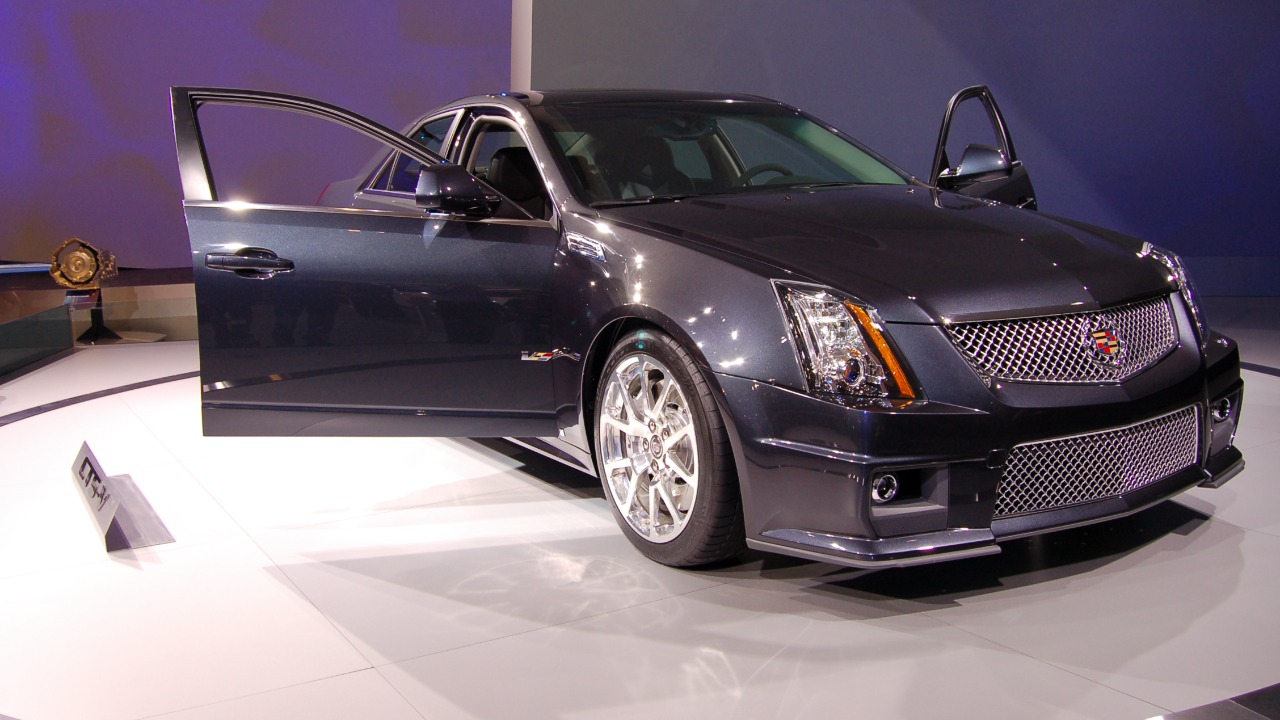
The 2009 Cadillac CTS-V arrived at a moment when Cadillac desperately needed to prove it could be more than a retirement-home badge. Instead of another soft luxury sedan, it showed up with supercharged power, sharp-edged styling, and the confidence to stare down Europe’s best. In doing so, it did not just add a fast model to the lineup, it rewrote what buyers thought the crest-and-wreath could stand for.
When I look back at that car now, I see a turning point where Cadillac stopped apologizing for being American and started leaning into it. The second-generation CTS-V fused brute-force performance with real refinement, and that combination reset expectations for the brand in a way no marketing campaign ever could.
The crisis Cadillac needed to escape
By the time the 2009 CTS-V was taking shape, Things were bad inside General Motors, and the suits at GM were scared about what Cadillac had become. The brand was still associated with land-yacht sedans and an aging customer base, while younger buyers gravitated to German badges and Japanese reliability. One account of that era flatly notes that Things had deteriorated so much that Cadillac risked sliding into irrelevance, a fate that would have dragged down the rest of GM’s luxury ambitions.
Enthusiasts on forums and in comment sections still talk about how, in the early 2000s, Cadillac was seen as the “old person” brand that Buick could not quite escape. One discussion of that period points out that people were asking What Cadillac did to reverse its image while Buick stayed stuck, and the answers keep circling back to bold products rather than gentle facelifts. Against that backdrop, the decision to build a four-door that could outrun European sports sedans was not a vanity project, it was a survival strategy.
Art and Science meets brute force
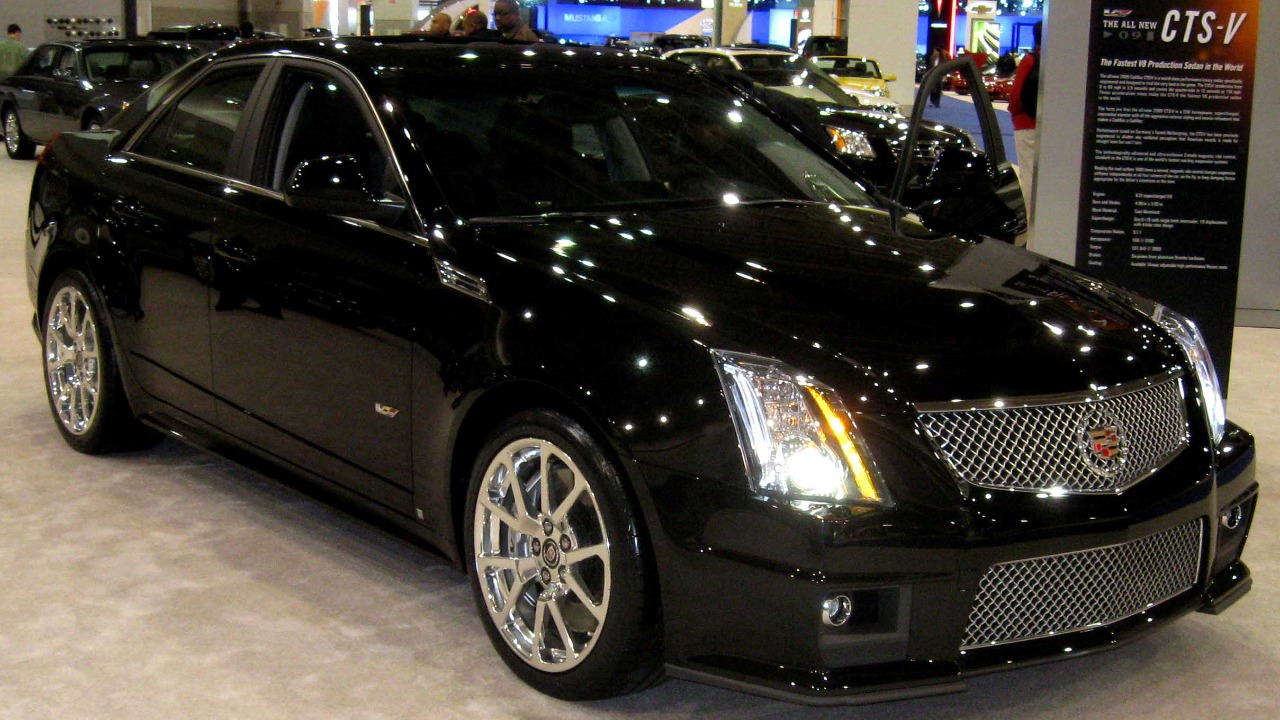
Cadillac had already started sketching a new personality with its “Art and Science” design language, a look that traded soft curves for sharp creases and angular lights. General Motors pushed that theme on cars like the XLR roadster, using the two-seater to show how General Motors could change perceptions through Art and Science styling that can still be seen to this day. The second-generation CTS sedan refined that look into something that could sit credibly next to a BMW 5 Series or Mercedes E-Class without feeling like a copy.
Dropping a supercharged V8 into that crisp body turned the CTS-V into a rolling manifesto. Earlier V-Series efforts had been good-but-not-great, but one detailed road test notes that After several such After attempts, the new Series flagship finally confirmed Cadillac was serious about building a world-class performance sedan. The styling said “future,” the engine said “Detroit,” and together they gave Cadillac a fresh, aggressive identity that younger drivers could actually imagine in their driveway.
Proving Detroit could beat BMW
The first-generation CTS-V had already hinted at what was possible, and one early review famously opened with the line, “Yes folks, it’s true: Detroit has finally produced a car to rival a BMW.” That verdict on the original V made it clear that Yes, Detroit could build something that belonged in the same sentence as BMW without an asterisk. The 2009 CTS-V took that foundation and raised the stakes, chasing not just parity but dominance in straight-line speed and track capability.
One detailed road test describes how GM’s engineers were out to make a statement that they could build a four-door sedan mightier than anything the Cad, German, Italian, or Japanese competitors could muster. That account of the car notes that Nonetheless, the mission was not just to keep up but to lead. By the time independent testers were running quarter-mile times and lap numbers, the CTS-V was not merely “good for an American car,” it was objectively quicker than many of the European benchmarks it targeted.
How the CTS-V drove, and why that mattered
On the road, the 2009 CTS-V felt like a deliberate rebuttal to every joke about floaty American luxury. One in-depth review of the Cadillac CTS notes in its Bottom Line section that The Bottom Line on the Cadillac CTS was how it combined brutal acceleration with everyday usability, and that balance is exactly what made the V so persuasive. You could commute in it, then head to the same highway where testers had previously driven European rivals and discover that the Cadillac was at least as composed at speed.
Inside, the transformation was just as important. Another close look at the car’s interior points out that In the cabin the 2009 CTS-V showed the kind of quality and luxury that Cadillac could pull off and on which it built its reputation, with that assessment of the In the CTS emphasizing materials and fit that no longer felt like a step behind Europe. For buyers who had written off the brand as dated, sliding into that cabin and feeling the car surge forward under full throttle was a revelation that the badge on the steering wheel no longer told the whole story.
The enthusiast seal of approval
Beyond the spec sheets, the 2009 CTS-V won over the people who talk about cars all day, every day. In one video review, Eddie walks around a 2009 Cadillac CTS-V and treats it not as a curiosity but as a serious performance machine, with his commentary on the Eddie Cadillac highlighting how the car’s presence and sound still impress years later. When enthusiasts like that treat a Cadillac as a dream car instead of a punchline, it signals a real shift in the culture around the brand.
Another clip focuses on a Manual 2009 CTS-V and makes a point of calling it the first of the second gen V cars, with the host gesturing to other V models and saying he has CTS V’s to his left as he compares them. That walkaround of the CTS underlines how the second-generation car became a reference point for later performance Cadillacs, the one enthusiasts measure successors against when they talk about steering feel, shifter action, and the way the car puts power down.
The legacy that still shapes Cadillac
Looking back now, it is clear that the 2009 CTS-V did more than win comparison tests, it gave Cadillac a new script. One retrospective on the V-Series program notes that After several good-but-not-great efforts, the bold reprise of the CTS-V confirmed that Cadillac was serious about building a performance Series that could stand with the best, a verdict that helped justify further investment in high-powered sedans and coupes. That sense of commitment, captured in the description of Cadillac CTS development, is what separated the V from earlier half-hearted attempts at sportiness.
At the same time, the car’s success fed back into Cadillac’s broader image makeover. Enthusiast discussions about what Cadillac did to reverse its “older person” reputation often point to the CTS-V as the moment when the brand finally walked the talk, instead of just running edgy ads. When I see current performance sedans wearing the crest, I still trace their confidence back to that 2009 four-door that proved Detroit could build something to rival BMW, and that Cadillac could be the one American luxury nameplate younger drivers were proud to park in front of their apartment.
More from Fast Lane Only:

Leave a Reply