
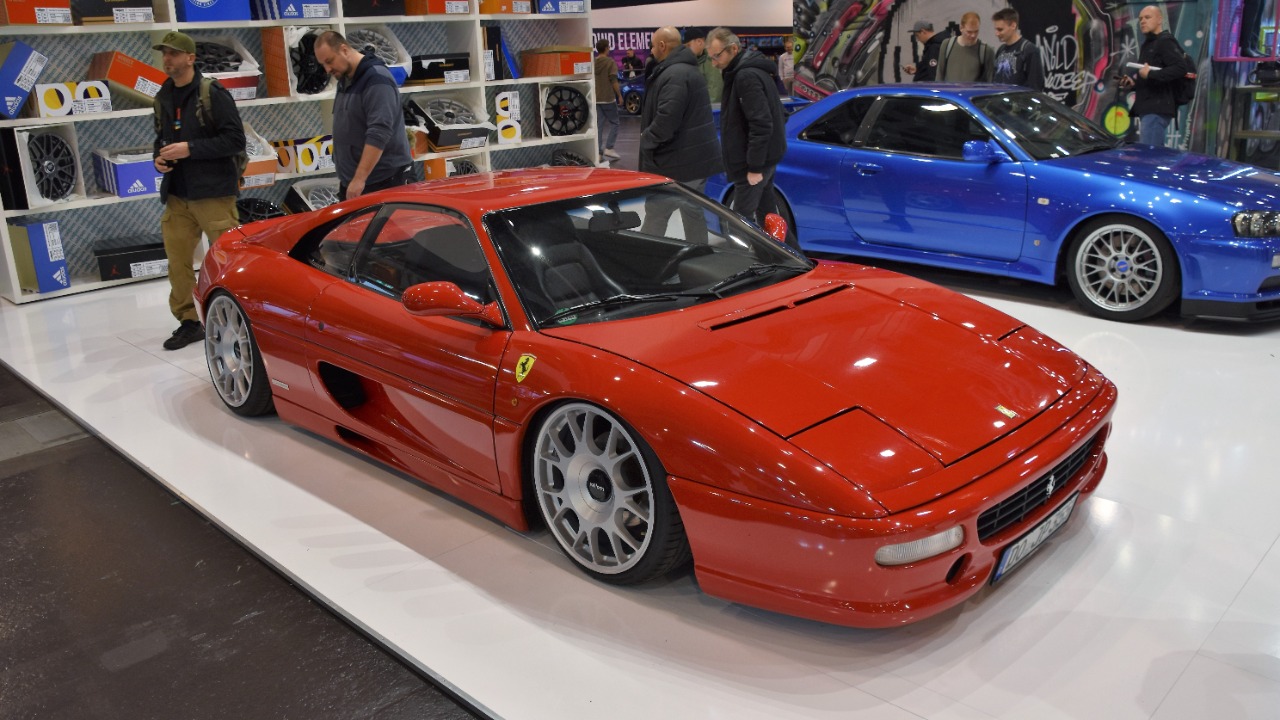
The Ferrari F355 Berlinetta did not stumble into cult status by accident. It arrived at a moment when supercars were becoming more digital and distant, yet it managed to blend modern engineering with an almost old-fashioned focus on feel, feedback, and beauty. That balance is why I see it as a benchmark for purists, a car that still defines what a mid‑engined Ferrari should be even three decades on.
To understand how the F355 Berlinetta earned that reputation, I have to look beyond nostalgia and trace the specific choices that shaped it: the way it was engineered, the way it looks, the way it drives, and the way it has aged in the eyes of owners and critics. Piece those together and the picture that emerges is of a car that treated the driver, not the spec sheet, as the ultimate customer.
The turning point in Ferrari’s “entry-level” line
When I think about the F355 Berlinetta, I see it as the hinge between Ferrari’s raw eighties exotics and the more polished machines that followed. It was built as the brand’s “entry level” mid‑engined model, following the line that began with the 308, then evolved through the 328 and 348, yet it felt like a clean break from that lineage rather than a mild update. In that sense, it was the moment when Ferrari proved that a relatively accessible model could still feel like a thoroughbred rather than a compromise, a point underscored in The Ultimate Guide that describes how the F355 followed the 308, 328 and 348 as a cheaper alternative to the flagship cars.
The timing mattered. Earlier in the 90s, Ferrari had launched the 355 to massive acclaim, with the spring of 94 marking a clear reset in how the company approached its “small” V8. That shift was powerful enough that one owner could credibly say the Ferrari 355 was the car that changed his life, a sentiment captured in a personal story from Aug 12 reflections on how the 355, launched in 94, landed with enthusiasts. The Berlinetta variant crystallised that change: a fixed‑roof, mid‑engined coupe that signalled Ferrari was ready to pair modern performance with a more forgiving, more usable character without losing the intensity that made its earlier cars so intoxicating.
Design purity and the last “traditionally beautiful” Ferraris
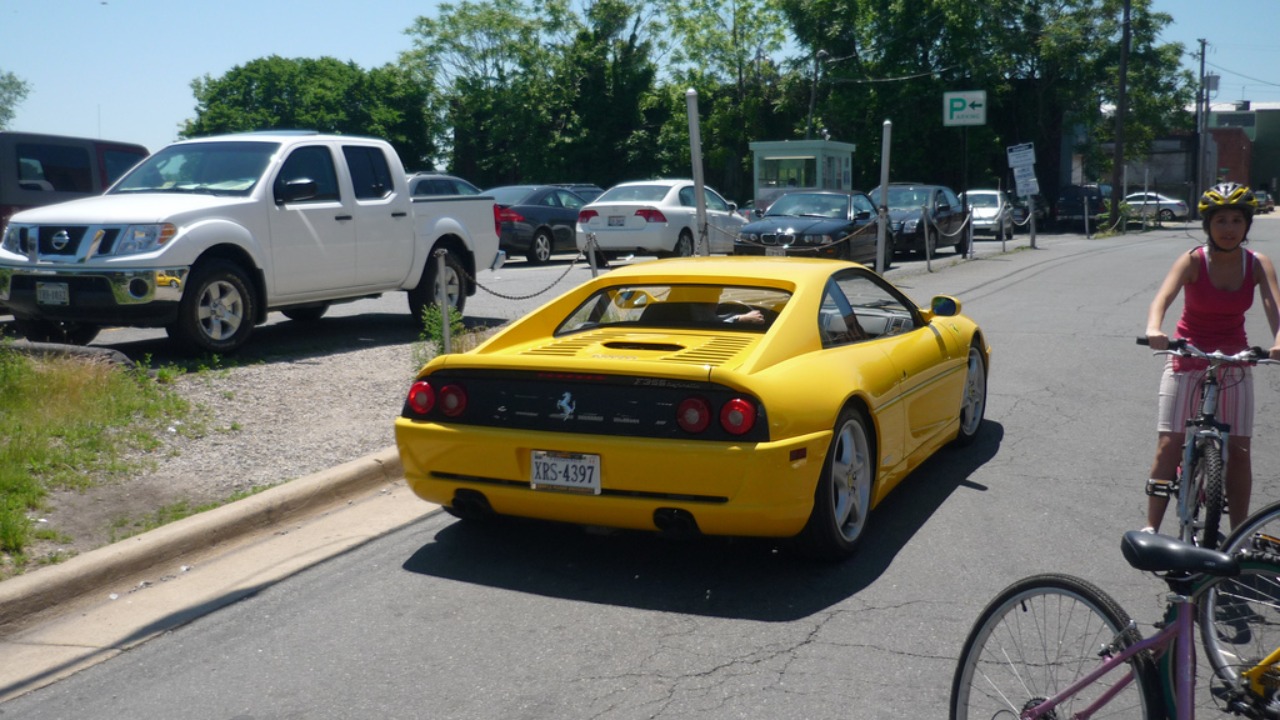
Visually, I would argue the F355 Berlinetta earns its purist status before you even turn the key. Its proportions are low and delicate rather than swollen or aggressive, with Pininfarina lines that seem to skim the air rather than punch through it. That restraint is part of why it is widely regarded as one of the last traditionally beautiful Ferraris, a car whose slender surfaces and subtle detailing stand in stark contrast to the busier shapes that followed. Contemporary reviewers still point to its slim profile and clean surfacing as a reference point, with one buying guide noting that later models can look heavy when parked next to the 355’s slender, delicate Pininfarina styling, a view echoed in an assessment of Ferraris from that era.
That aesthetic clarity was not accidental. Ferrari’s own retrospective on the model highlights how the Berlinetta’s exterior design was shaped by a disciplined approach that balanced aerodynamic efficiency with visual lightness. Even famously demanding voices were won over: British motoring expert Jeremy Clarkson, hardly known for generosity, praised the car in terms that Ferrari itself still cites, noting how even Enzo Ferrari would have appreciated the thoroughness of the design approach for the exterior. That kind of endorsement, recorded in the company’s own look back at the Berlinetta, reinforces the sense that this was not just another pretty Ferrari but a car whose styling discipline matched its engineering focus.
Engineering for drivers, not just numbers
Under the engine cover, the F355 Berlinetta backed up its looks with hardware that still reads as driver‑centric rather than purely spec‑driven. The Ferrari came with a new 3.5-litre V8 engine with five valves per cylinder, a configuration that directly explains the 355 designation and signalled a serious push for high‑rev power. That engine, with its lightweight internals and willingness to spin, was designed to rev to 8,500 rpm, a figure that matters less as a statistic than as a clue to how the car feels when you chase the redline. The way that high‑rev character defines the car is captured in investment‑focused commentary on how The Ferrari used its 3.5-litre V8 and five‑valve heads to stand apart from its predecessors.
Crucially, that engine was not just about peak figures. Period driving reports describe how the F355 GTB, the Berlinetta’s close sibling, delivered 375 horsepower and 268 lb-ft of torque in a way that felt progressive and exploitable rather than spiky or intimidating. That balance of output and usability is central to why I see the car as a purist’s choice: it rewards commitment without punishing small mistakes, and it invites you to explore its limits rather than scaring you away from them. A detailed breakdown of the model’s performance notes that All About Ferrari F355 GTB coverage highlights those 375 horsepower and 268 lb-ft figures as part of a package that still feels vivid on modern roads.
Analogue feel in a digital decade
What really cements the Berlinetta’s purist reputation for me is the way it filters all that engineering through an unapologetically analogue interface. Paired to a sensational 6-speed manual gearbox, the F355 (FERRARI F355) gives the driver a direct mechanical link to the engine that modern paddles simply cannot replicate. The open‑gate shifter, the weight of the clutch, and the precision of the linkage combine to make every upshift and downshift a small event, something you participate in rather than delegate. That sense of involvement is exactly why one detailed sale listing describes the car as one of the last truly analogue models Ferrari produced, with the 6-speed manual adding a real sense of driver engagement, a point underlined in a description of how it is Paired to that gearbox.
Even as Ferrari experimented with new technology, the Berlinetta kept that core connection intact. The related 355 F1 Berlinetta introduced an automated manual system, but the underlying car remained a melding of style and engineering that delivered superb performance without diluting the emotional hit. Official material on the 355 F1 Berlinetta emphasises how the Pininfarina bodywork and the chassis tuning were designed to deliver the same signature Ferrari emotions as ever, even as the transmission tech evolved. That continuity is clear in the way In the official description, the Pininfarina design is presented as inseparable from the driving experience, reinforcing the idea that the F355 family, and the Berlinetta in particular, was engineered first and foremost for people who wanted to feel every input and response.
From benchmark to modern classic
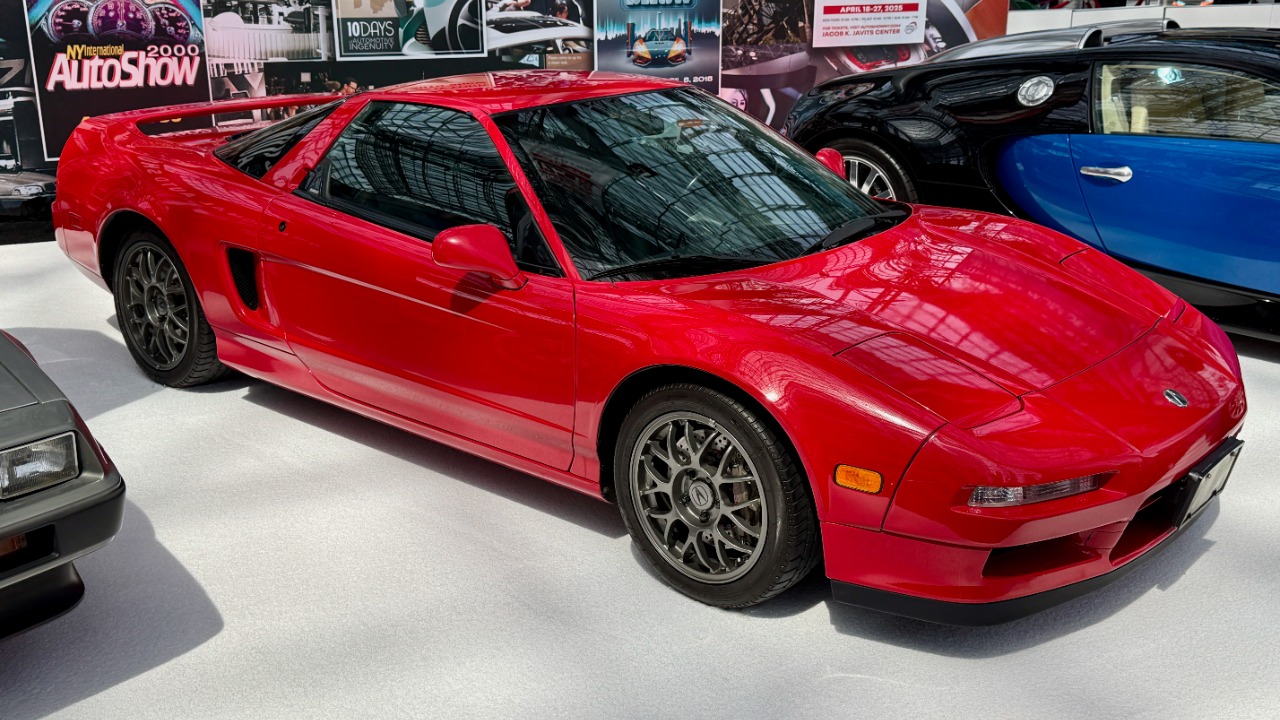
Context matters when judging any “purist” car, and the F355 Berlinetta arrived into a fiercely competitive landscape. The NSX had set a new benchmark in the mid‑engine exotic segment, alongside Ferrari’s 348, with Honda’s approach emphasising usability and reliability without sacrificing precision. Ferrari’s response with the F355 was to raise its own game, not by copying Honda but by refining its core strengths and making them more accessible. A reflective review of the model notes how the Berlinetta represented the F355 at its most focused, especially when paired with the 6-speed manual transmission, and sets that in the context of how Oct insights compare The NSX and Ferrari’s 348 as the benchmark rivals that pushed Maranello forward.
Over time, that response has aged remarkably well. Earlier this year, Ferrari marked three decades since the F355 Berlinetta was launched in the spring of 1994, framing it as a particularly special member of the family. In that retrospective, the company notes that All new Ferraris are special, but the F355 Berlinetta was more special still, drawing a line from this car back to icons like the GTO of a decade earlier. That kind of internal reverence, captured in the official celebration of how The F355 celebrates 30 years, shows that even within Maranello the Berlinetta is seen as a high‑water mark rather than just another model in the back catalogue.
Living with a “first of the modern” Ferrari
For all its romantic appeal, the F355 Berlinetta also had to work as a real‑world car, and that is another reason I see it as a purist favourite. Improvements in both driveability and overall reliability mean the F355 is now regarded as the first of the modern Ferraris, a car that you can actually use without constantly fearing a cloud of expensive smoke. That shift in reputation, from fragile exotic to something closer to a usable classic, is highlighted in a detailed buying guide that explains how incremental upgrades and careful maintenance have made the model more approachable, with Apr commentary stressing those improvements in driveability and reliability.
At the same time, the car has not lost the rawness that purists crave. Few cars stir the senses like the Ferrari F355, and the Berlinetta in particular is often described as engineered for purity and precision, delivering a spine‑tingling soundtrack and a sense of connection that recalls an era when Ferrari built cars purely for drivers. That language, used in a specialist sales description of the Engineered for Berlinetta, captures what I hear from owners: it is a car you can live with, but it never lets you forget that you are at the wheel of something special and slightly wild.
Why the purist legend endures
Three decades on, the F355 Berlinetta sits at a sweet spot between eras, and that is why its reputation among purists keeps growing. It combines the visual grace of older Ferraris with the usability and reliability of newer ones, all while preserving an analogue driving experience that is increasingly rare. Official retrospectives emphasise that All new Ferraris are special, but the way the Berlinetta is singled out, and the way British voices like Jeremy Clarkson and historic figures like Enzo Ferrari are invoked in connection with it, underline how deeply it resonates within the brand’s own mythology, as seen in Ferrari’s celebration of the Berlinetta as a standout.
For me, that is the essence of its purist appeal: the F355 Berlinetta does not chase novelty for its own sake, and it does not hide its character behind electronics. It asks you to meet it halfway, to learn its gearbox, to explore that 3.5-litre V8 up to 8,500 rpm, and to appreciate the way its Pininfarina lines still look light on their feet. In return, it offers a driving experience that feels timeless rather than dated, a reminder that when Ferrari gets the balance right between beauty, engineering, and emotion, the result can define an era long after the spec sheets have faded.

Leave a Reply