
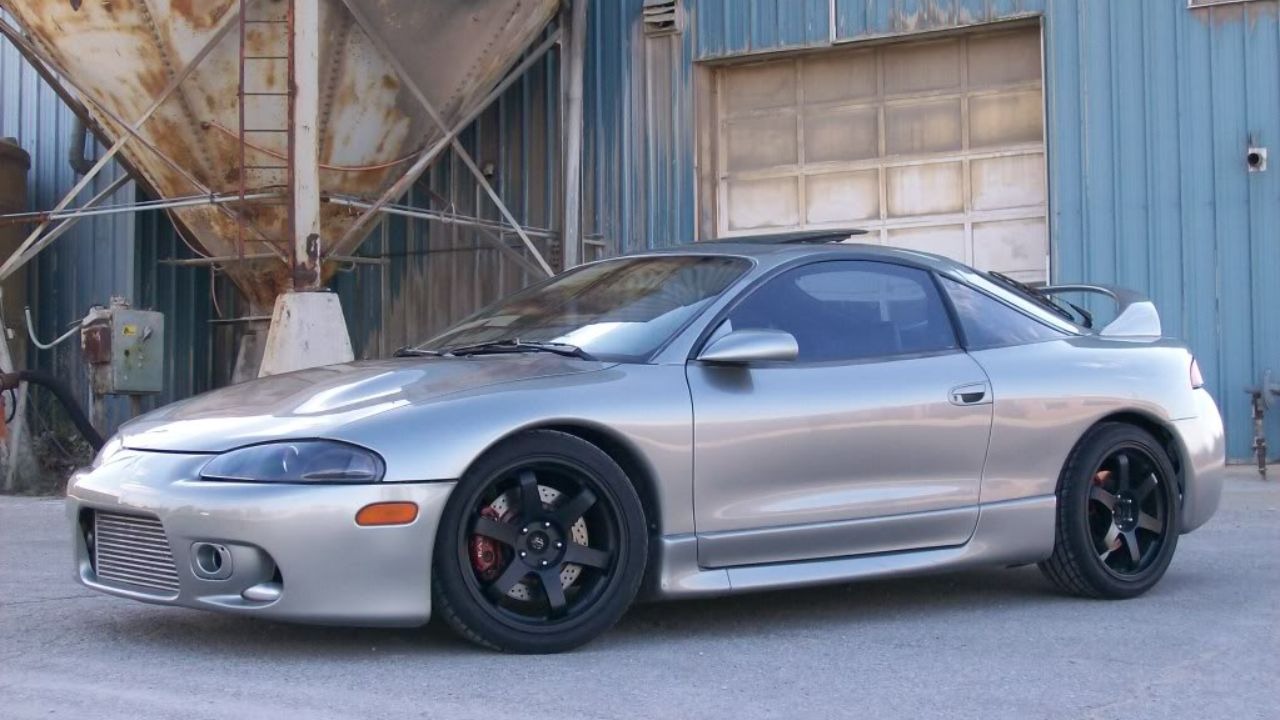
The Mitsubishi Eclipse GSX did not arrive as an obvious icon. It was a compact, all-wheel-drive coupe from a brand better known for economy cars, yet it quietly rewrote what an attainable turbocharged performance car could be. Over time, that mix of underdog status, real-world speed and tuner potential turned the GSX into a cult favorite that still shapes how enthusiasts talk about 1990s performance.
To understand how the Eclipse GSX picked up that cult-hero energy, it helps to trace its roots, its role in the early sport compact boom and the way modern builders continue to push the platform far beyond its original brief. The story runs from a joint-venture factory floor to drag strips, back roads and YouTube channels where the car’s raw, mechanical character still resonates.
Diamond-Star origins and the turbo AWD formula
The Eclipse story starts with corporate pragmatism rather than romance. The Eclipse was developed through the Diamond-Star Motors joint venture, a partnership that formally linked Diamond, Star Motors, Mitsubishi Motors and Chrysler Corpora to build small cars in the United States. Out of that collaboration came a compact coupe that shared bones with the Plymouth Laser and Eagle Talon, but the Mitsubishi Eclipse GSX stood apart with its combination of turbocharged power and all-wheel drive.
That hardware recipe mattered. In the early 1990s, the sport compact field was still thin, and the GSX arrived as one of the few small coupes that could send boosted power to all four wheels. Period assessments of the Mitsubishi Eclipse note that, in the early ’90s, it was effectively the only sport compact available with that specific blend of turbocharged punch and all-weather traction, a point that helped cement the car among the greatest cars to wear the Mitsubishi badge. That positioning gave the GSX a clear identity: a compact coupe that could run with bigger, more expensive machinery when the road turned slick or twisty.
From showroom sleeper to tuner canvas
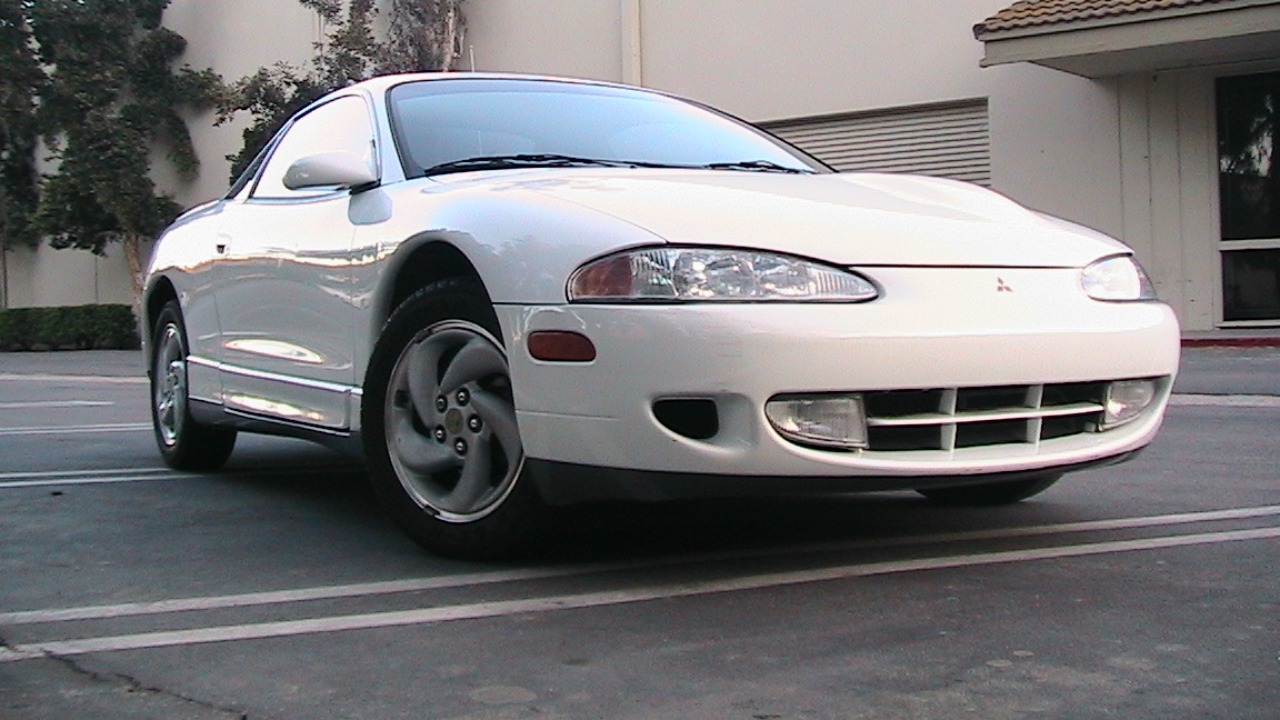
What turned the GSX from a clever product into a cult object was how tuners discovered its headroom. The turbocharged four-cylinder and robust driveline responded eagerly to modifications, and owners quickly realized that the car’s modest factory output was only a starting point. In stock form, the GSX was already quick for its size, but the aftermarket proved that larger turbos, freer-flowing exhausts and upgraded fuel systems could transform it into something far more aggressive.
That transformation is still playing out in modern builds. One striking example is a 500 horsepower Mitsubishi Eclipse GSX that has been documented in detail, including the way its exhaust system is routed with no muffler and dumps right under the driver’s seat so every throttle stab delivers a boom that feels like sitting in a car with bulletproof glass. The builder’s willingness to live with that level of noise in a streetable car underscores how far enthusiasts are willing to push the platform, and how a once-humble sport compact has become a canvas for extreme, characterful projects that show up in videos like Evo Frankstein! 500HP Mitsubishi Eclipse GSX.
Why the GSX stood out in the sport compact boom
Context is crucial to understanding the GSX’s reputation. When the Eclipse arrived, the broader market for small performance cars was still dominated by front-wheel-drive coupes and hatchbacks. The GSX’s all-wheel-drive system gave it a different personality, one that appealed to drivers who wanted traction off the line and stability in poor weather without stepping up to a larger sedan or a rally homologation special. That made the car a gateway into turbo AWD performance for buyers who could not justify something more exotic.
Enthusiast retrospectives on the Mitsubishi Eclipse emphasize that, in the early ’90s, it was a car that needed no introduction among fans of quick compacts, precisely because it occupied that unique niche. The GSX sat at the top of the Eclipse range, and its reputation has endured even as later generations shifted away from the original formula. When modern lists rank the most significant Mitsubishi models, they often point to the way the Eclipse GSX picked up where earlier performance efforts left off and helped define the brand’s image among younger drivers who were discovering turbocharged tuning for the first time, a legacy that is reflected in how the car is framed among Mitsubishi’s standout performance cars.
Joint-venture DNA and cross-brand influence
The GSX’s cult status is also tied to its unusual corporate DNA. The Eclipse was not a pure in-house project, but a product of the Diamond-Star Motors collaboration that brought together Japanese engineering and American manufacturing priorities. The Eclipse was developed through that joint venture, which formally connected Diamond, Star Motors, Mitsubishi Motors and Chrysler Corpora in a shared effort to produce compact cars that could be sold under multiple badges. That structure meant the same basic platform underpinned the Mitsubishi Eclipse, the Plymouth Laser and the Eagle Talon, yet the GSX variant became the halo for the entire family.
Modern enthusiasts still reference that origin story when they talk about the car. Social posts that revisit the Eclipse’s background highlight how the Diamond-Star Motors project gave Mitsubishi a foothold in the American performance conversation, while also giving Chrysler-linked brands access to a genuinely quick compact. One recent breakdown of the car’s history on Instagram spells out how The Eclipse was developed through the Diamond-Star Motors joint venture between Mitsubishi Motors and Chrysler Corpora, framing that partnership as the foundation for the car’s later reputation and showing how the DSM label has become shorthand for a whole tuning subculture built around these shared-platform cars, a point captured in a reel that revisits The Eclipse and Diamond-Star Motors.
The GSX’s modern myth: noise, nostalgia and niche appeal
Today, the Eclipse GSX occupies a narrow but passionate corner of the enthusiast world. Prices for clean examples have climbed as supply has dwindled, and the cars that remain are often heavily modified, carrying scars from years of drag racing, street pulls and track days. That scarcity only adds to the mythology. When a builder bolts on a giant turbo or routes an exhaust to dump under the seat, as in the 500 horsepower GSX build that runs without a muffler and fills the cabin with boom, it reinforces the idea that this is a platform for people who value visceral experience over refinement.
At the same time, nostalgia has softened the car’s edges in the collective memory. Enthusiasts who grew up seeing the Mitsubishi Eclipse in period magazines or on the street now look back on the GSX as a symbol of a particular era, when turbocharged four-cylinders and all-wheel drive were still novel in the compact segment. Lists that revisit Mitsubishi’s back catalog keep placing the Eclipse alongside rally legends and halo sports cars, noting that in the early ’90s it was the only sport compact available with its specific mix of turbo power and traction, and that the GSX variant picked up where earlier performance models left off. That combination of rarity, tuning potential and historical significance is what gives the Eclipse GSX its enduring, cult-hero aura, even as newer performance cars eclipse it on paper.

Leave a Reply