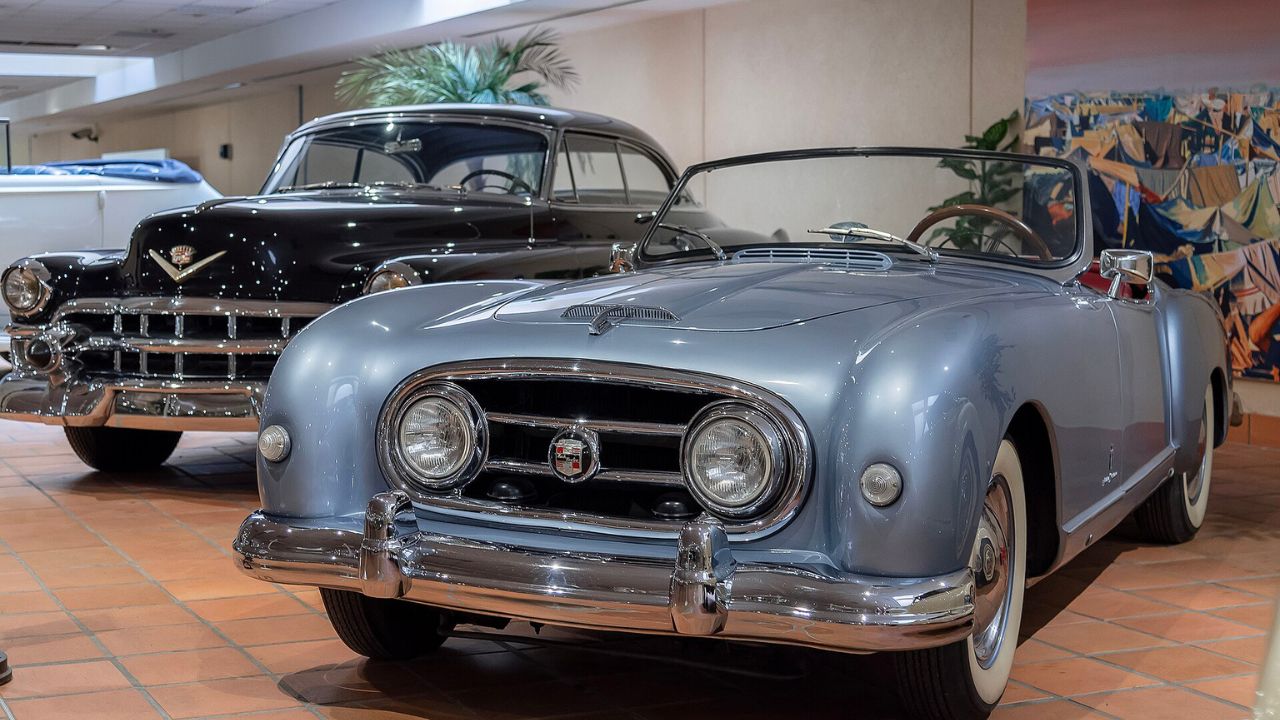
Long before the Chevrolet Corvette captured the hearts of American sports car enthusiasts, the Nash-Healey was blazing a trail that many might not recognize today. As a pioneering vehicle that combined American innovation with European flair, the 1952 Nash-Healey exemplified a unique collaboration that came close to redefining the American sports car landscape.
Innovative Design Collaboration
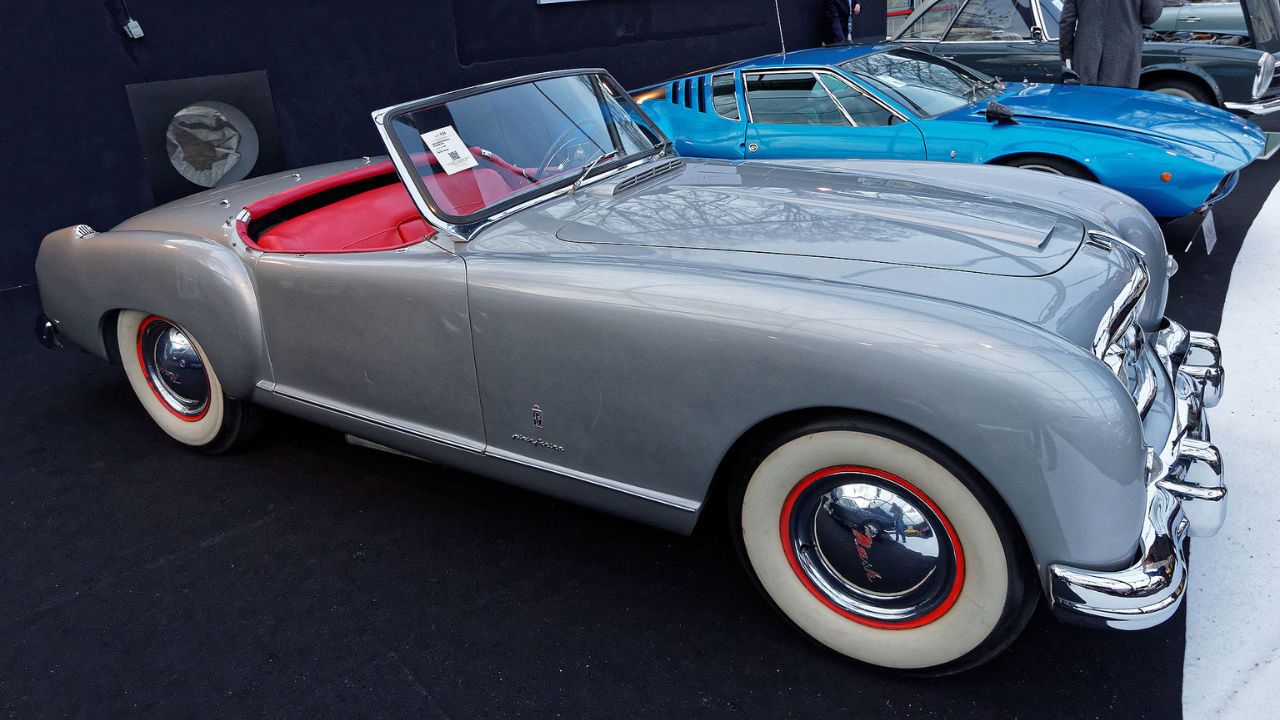
The Nash-Healey was born out of a groundbreaking collaboration between Nash Motors and British automaker Donald Healey. This transatlantic partnership was initiated when Nash’s president, George W. Mason, met Healey on a cruise ship. The collaboration brought together the best of both worlds—American engineering with British sports car expertise.
Donald Healey was known for his expertise in designing lightweight sports cars, and his partnership with Nash resulted in a vehicle that offered something different from the typical American car. The Nash-Healey’s design was the perfect blend of practicality and performance, making it a unique offering in the early 1950s automotive market.
Sleek European Styling
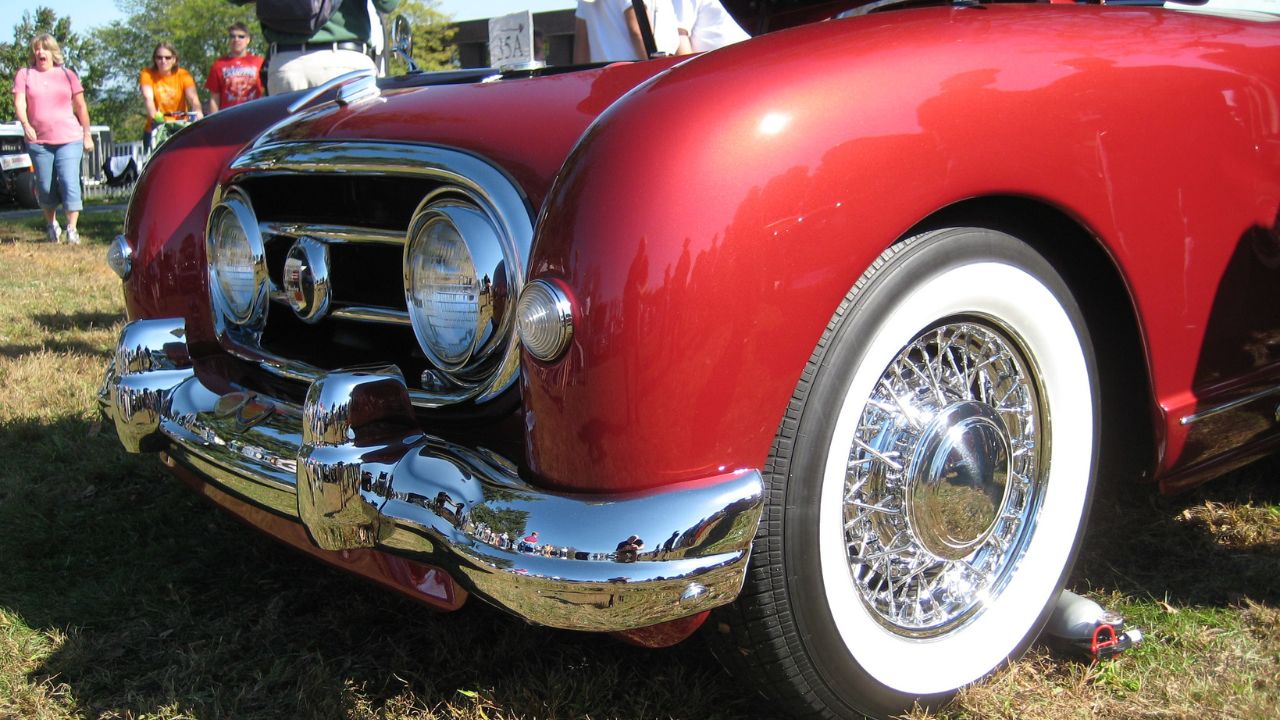
Styled by the renowned Italian design house Pininfarina, the Nash-Healey boasted a sleek and sophisticated look that set it apart from its contemporaries. Its distinctive European styling was a departure from the more conservative American car designs of the time, giving it a unique edge.
The car’s graceful lines and elegant profile were complemented by high-quality craftsmanship. The styling not only made the Nash-Healey aesthetically pleasing but also aerodynamic, enhancing its performance on the road. This European influence was a key factor in its appeal to American buyers seeking something different.
Pioneering American Sports Car
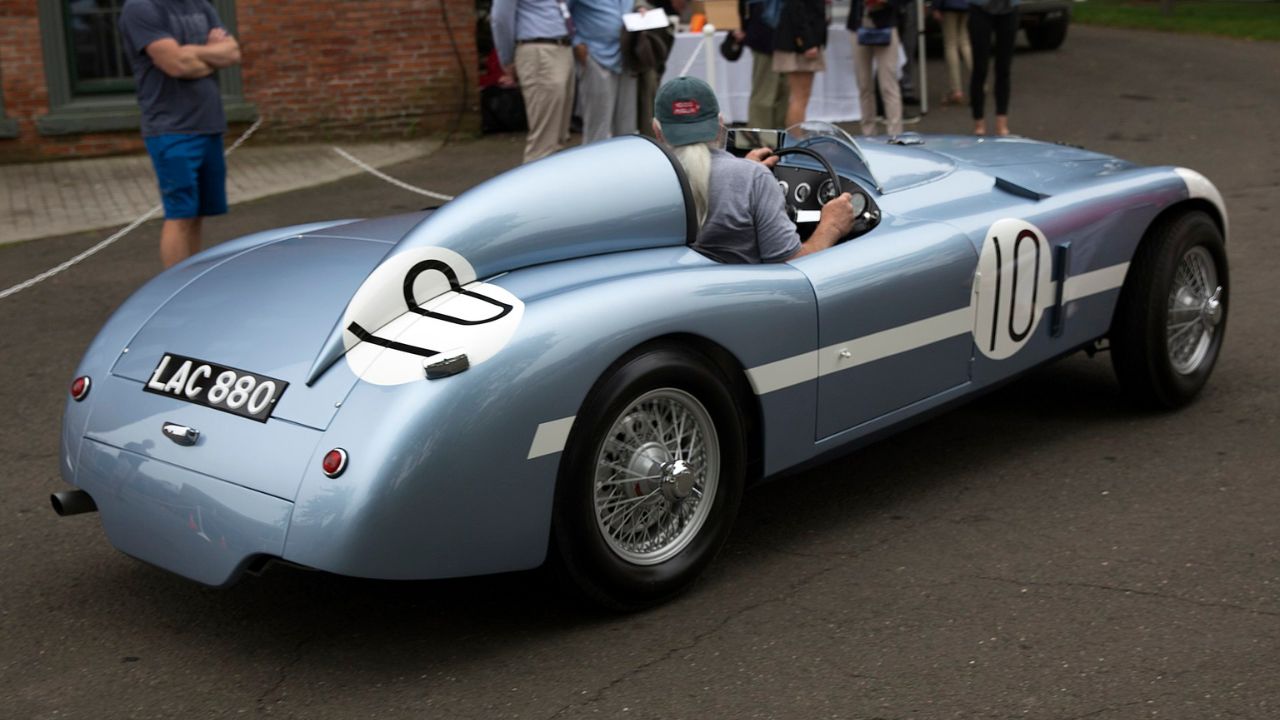
While the Nash-Healey may not have achieved the same level of fame as the Corvette, it was undoubtedly a trailblazer in the American sports car market. It was one of the first sports cars to be sold by a major American manufacturer, paving the way for future models.
The car’s introduction in 1951, long before the Corvette’s debut in 1953, marked a significant shift in the American automotive industry. It was a bold move that demonstrated Nash’s willingness to venture into new territories and cater to a growing demand for sporty, high-performance vehicles.
Advanced Engineering Features

Under the hood, the Nash-Healey was equipped with a powerful inline-six engine, borrowed from Nash’s Ambassador model. This engine was further enhanced by Healey, ensuring that it delivered the performance expected of a sports car.
The car also featured advanced suspension and braking systems, which provided a smooth and responsive driving experience. These engineering features were ahead of their time, contributing to the Nash-Healey’s reputation as a well-engineered and reliable sports car.
Limited Production Numbers
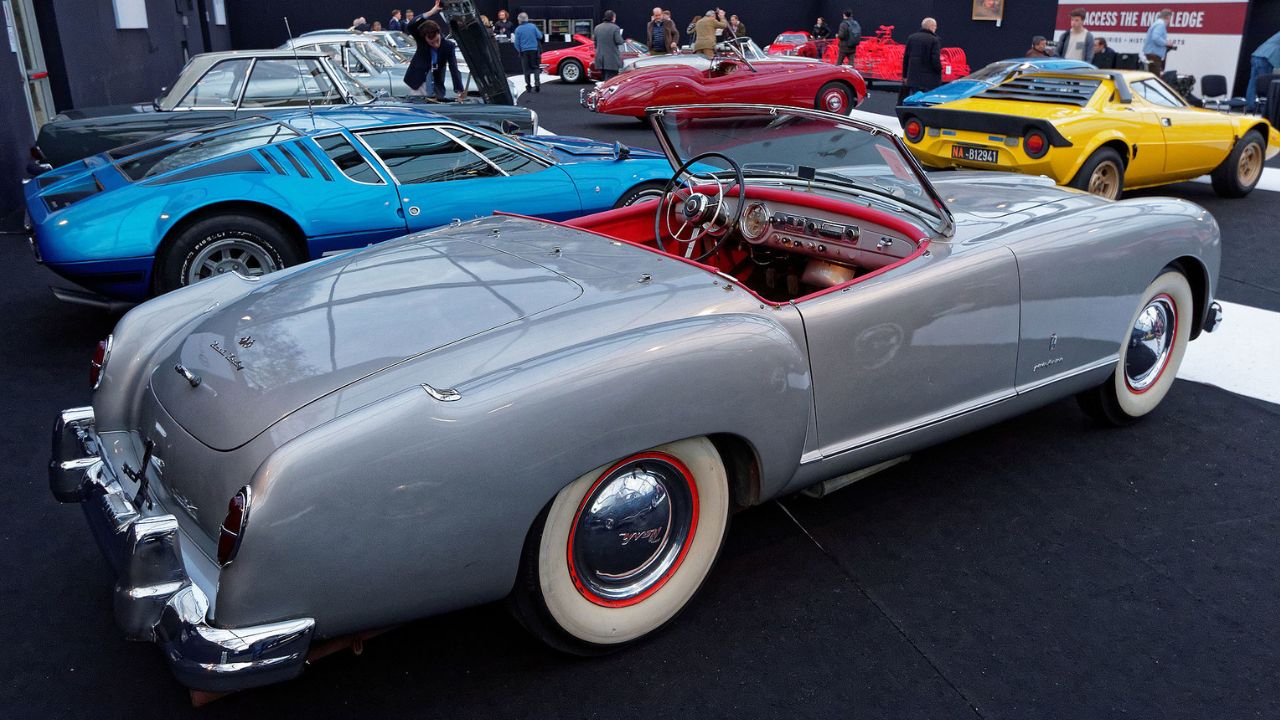
One of the factors that make the Nash-Healey a sought-after vehicle today is its limited production run. Between 1951 and 1954, fewer than 1,000 units were produced, making it a rare find for collectors.
This rarity adds to the car’s mystique and desirability. Its limited availability only enhances its status as a collector’s item, with enthusiasts eager to own a piece of automotive history that almost became America’s first sports car sensation.
Prestigious Racing Pedigree
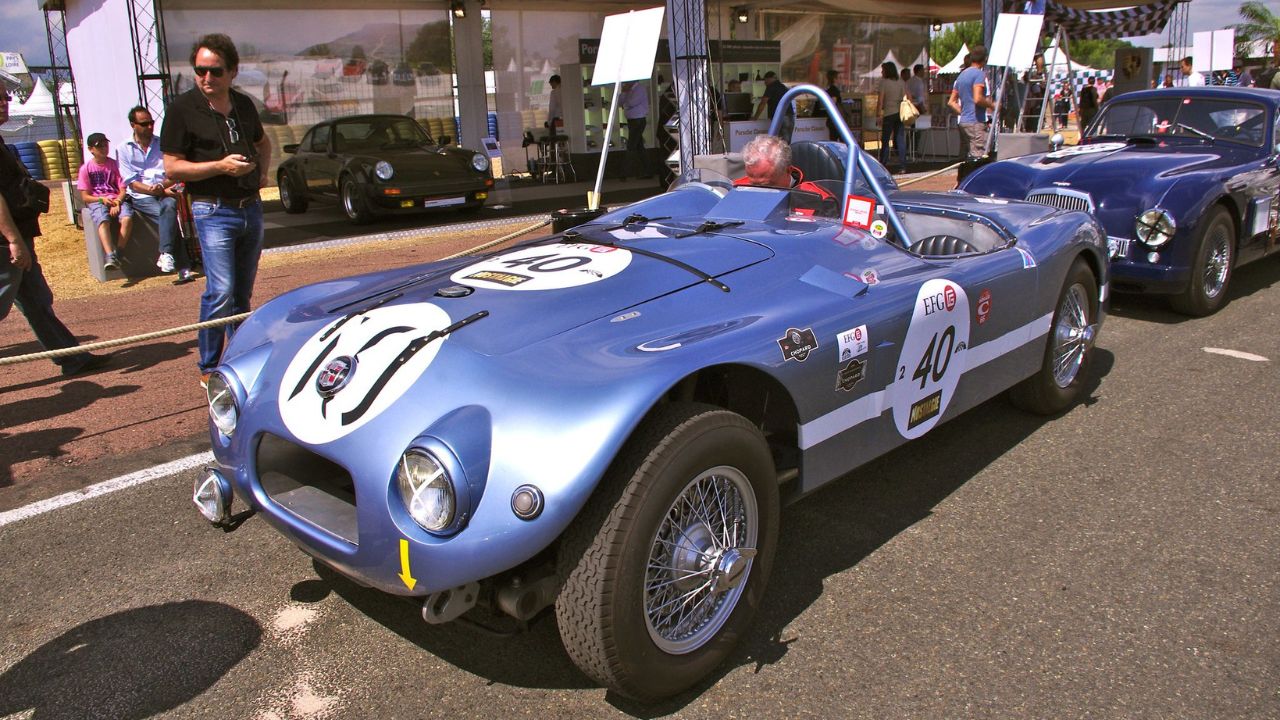
The Nash-Healey wasn’t just a road car; it also made a name for itself on the racing circuit. The car’s performance at the 24 Hours of Le Mans in 1950 and 1951 showcased its capabilities, earning it a respectable finish against more established European competitors.
Its success in racing not only highlighted the car’s performance but also helped to solidify its reputation as a legitimate sports car. The Nash-Healey’s racing pedigree remains a significant part of its legacy, contributing to its allure for collectors and enthusiasts alike.
Influential Cultural Impact
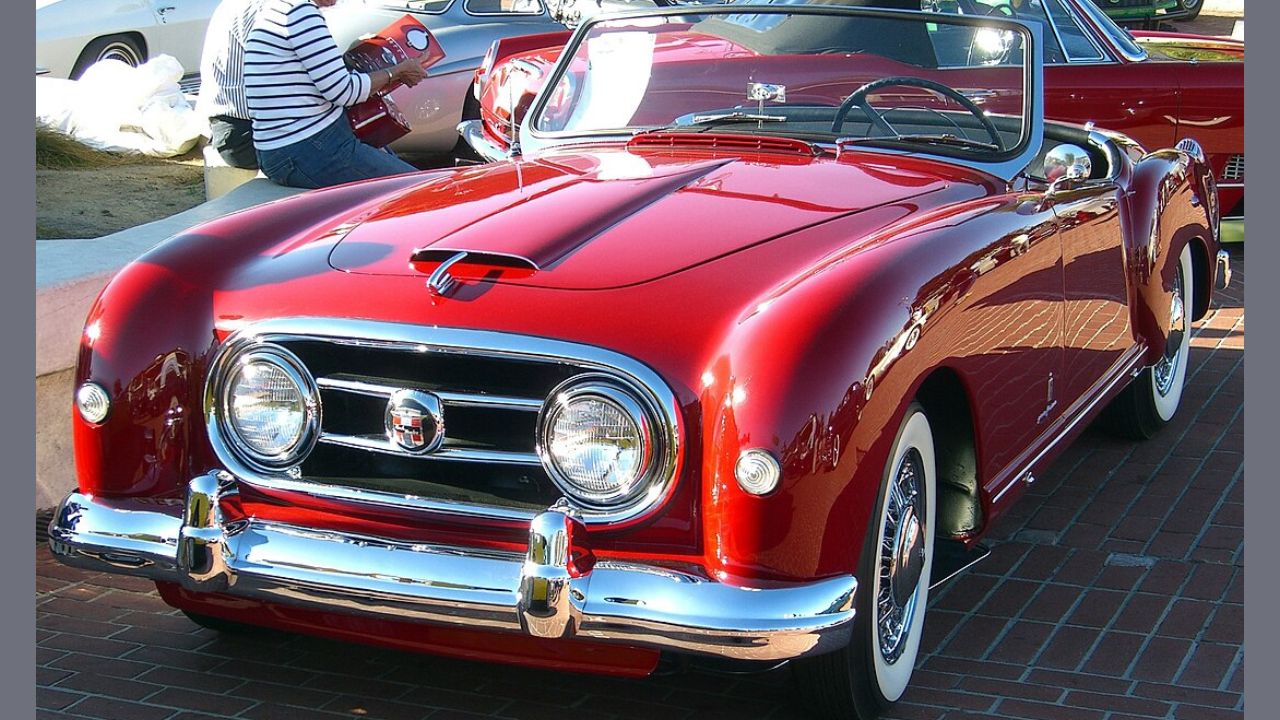
The Nash-Healey’s influence extended beyond the automotive world, making appearances in Hollywood films and becoming a symbol of sophistication and style. Its sleek design and performance capabilities made it a favorite among celebrities and car enthusiasts during its heyday.
Its cultural impact and presence in popular media helped to elevate its status as an iconic vehicle of the era. The car’s legacy lives on today, with many still appreciating its unique contribution to American automotive history.
Collector’s Dream Car
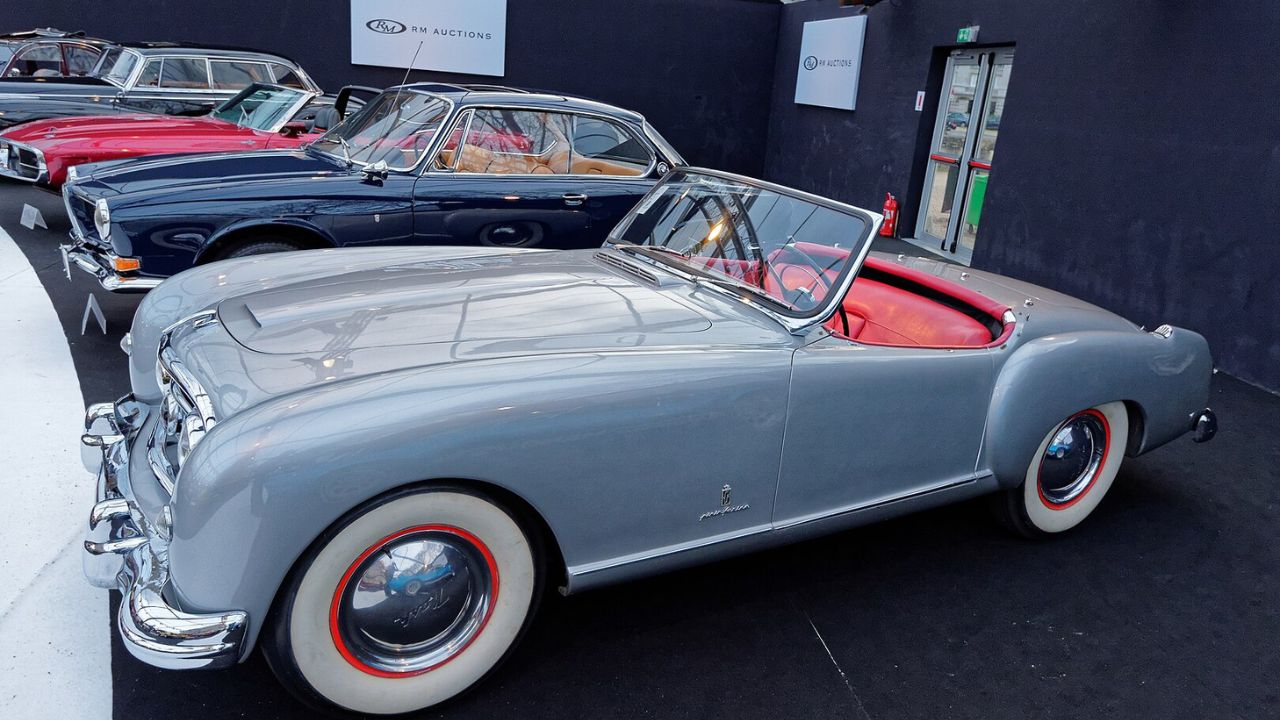
Today, the Nash-Healey is a collector’s dream, sought after for its rarity, design, and historical significance. Its limited production numbers and unique place in automotive history make it a prized possession for enthusiasts.
Restored models can fetch high prices at auction, reflecting the enduring appeal of this classic sports car. For those fortunate enough to own one, the Nash-Healey offers not just a piece of history, but a testament to the innovation and collaboration that defined an era in the automotive industry.
Like Fast Lane Only’s content? Be sure to follow us.
Here’s more from us:
*Created with AI assistance and editor review.