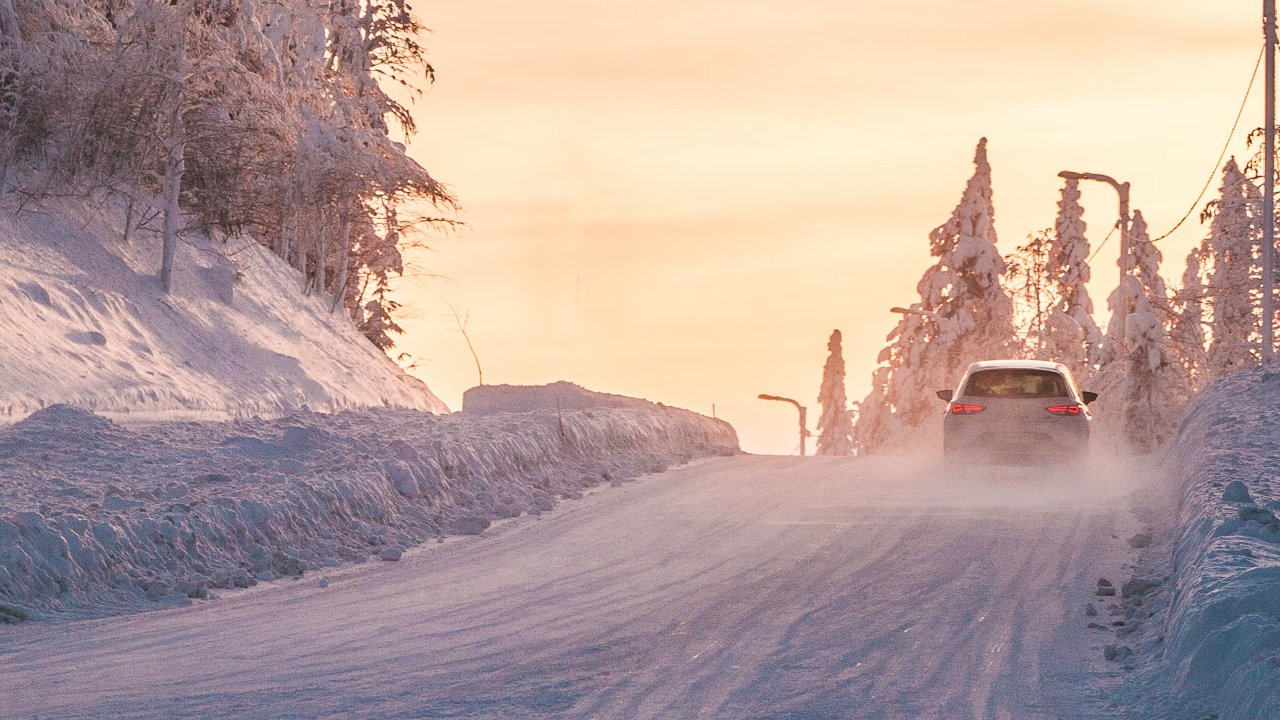
Every winter, drivers discover the hard way that ice turns familiar streets into unfamiliar territory. Traction disappears, stopping distances stretch, and a small mistake at city speeds can be enough to send a vehicle into a ditch or another lane. With a few disciplined habits and a clear plan for what to do when tires start to slide, it is possible to travel on frozen pavement with far less drama.
The core promise of safe winter driving is simple: treat ice as a different surface, not just a colder version of dry asphalt. That means slowing down long before trouble appears, preparing the vehicle and the driver, and knowing how to respond when grip vanishes. The following guidance focuses on practical steps that reduce risk long before a skid starts, and on calm, specific actions that help a driver stay in control when the road turns slick.
Decide if the trip is worth the risk
The safest way to avoid a crash on ice is not to drive on it at all. Public safety guidance on driving on icy roads and winter advisories from major motoring organizations both stress the same first rule: Stay home and Only go out if the trip is truly necessary. Even if a driver feels confident in bad weather, other motorists may not be as skilled or as cautious, and a single spinout ahead can block a highway or force sudden maneuvers that are difficult to manage on slick pavement.
When travel cannot be postponed, the mindset should shift from convenience to risk management. That means allowing far more time than usual, accepting that speeds will be lower, and planning routes that favor main roads, which are more likely to be treated and plowed. Official winter guidance on Stay home and Only go out if necessary also emphasizes that errands, social visits, and nonessential appointments can often be rescheduled, while a single crash can have lasting consequences for everyone in the vehicle.
Prepare the vehicle before the first icy mile
Once the decision to drive has been made, preparation begins in the driveway. Winter safety advice on AAA Texas guidance urges drivers to Clean the exterior glass, mirrors, and lights so visibility is not compromised by frost or road grime, and to clear snow from the roof and hood so it does not slide onto the windshield under braking. Headlights should be checked to ensure they are working and properly aimed, and wiper blades should be in good condition with a winter-rated washer fluid that will not freeze in the reservoir or on the glass.
Tires and emergency gear are just as critical. Advice on tips for driving on black ice and snow highlights the value of Have the right Winter tires, properly inflated, because dedicated winter compounds and tread patterns maintain grip at low temperatures in a way that all-season tires cannot match. An emergency kit with a blanket, gloves, a small shovel, and traction aids such as sand or cat litter can help if the vehicle gets stuck, while a fully charged phone and a navigation app like Waze or Google Maps can provide real-time information about closures and slowdowns on icy routes.
Slow everything down: speed, spacing, and inputs
On ice, the most important safety tool is not a feature of the car but the position of the driver’s right foot. Road icing safety tips to remember describe reduce your speed as the number one rule, and national guidance on driving in winter weather, the basics, repeats the same point: Slow down because it is harder to control or stop a vehicle on a slick surface. State transportation officials add that posted Speed limits are based on normal conditions, not on snow and ice, so a legal speed can still be far too fast for the conditions.
Following distance and gentle control inputs are the other half of this equation. Winter guidance on driving safely on icy roads recommends that drivers Decrease speed and You should allow at least three times the normal space to stop, which can mean several car lengths at city speeds and much more on highways. Advice on driving in snow and ice urges motorists to Slow down, Maintain extra distance, and avoid abrupt steering, braking, or acceleration. In Houston, winter safety experts have recently advised drivers to Double their usual response time, Make slow, deliberate movements with the wheel, and Avoid sudden changes that can break the fragile grip between tire and ice.
Use the right braking technique for the conditions
Braking on ice is where many drivers discover too late that their instincts are wrong. Traditional advice to “slam the brakes” can be dangerous on slick pavement, because locking the wheels removes the last bit of directional control. Winter handbooks on winter driving explain that in most situations, locking four wheels by pushing hard on the brakes will lengthen stopping distances, and that the safest approach is to brake just before the point where the wheels lock. Modern vehicles with anti-lock braking systems (ABS) help by pulsing the brakes automatically, but the driver still needs to apply firm, steady pressure rather than pumping the pedal.
Progressive braking is the technique that ties these ideas together. A detailed guide on winter braking technique describes how a driver should begin with light pedal pressure, then gradually increase it as the vehicle slows, instead of stabbing at the brakes at the last moment. Advice on Avoid Skids reinforces this approach, urging motorists to Avoid sudden stops, Avoid abrupt downward gear shifts, and Brake gently to reduce the chance of skidding. Local winter safety campaigns also remind drivers to approach intersections slowly and to start braking well in advance, so the vehicle can come to a complete stop without triggering a slide on polished ice near crosswalks.
Correct a skid without making it worse
Even with perfect preparation and careful driving, a patch of black ice can still catch a vehicle off guard. The first rule when the car starts to slide is simple: do not panic. Guidance on What to do if a car starts sliding on ice stresses that sudden reactions, like jerking the wheel or stomping on the brakes, can cause a complete loss of control. Instead, drivers are advised to ease off the accelerator, keep their eyes focused on where they want the vehicle to go, and steer smoothly in that direction while the tires regain grip.
Understanding the type of skid helps determine the right response. Safety experts describe Understeer, or Front wheel skidding, as the most common problem in front-wheel-drive cars, where the vehicle plows straight ahead despite steering input. In that case, the driver should gently reduce speed and straighten the wheel until the front tires bite again. If the rear of the car steps out in an oversteer skid, guidance on How to Steer Out of a Skid and KNOW YOUR skid recommends staying calm, making small steering corrections into the direction of the slide, and avoiding heavy braking. Additional advice on what to do if a car starts sliding emphasizes going slowly, correcting a slide with gentle steering, and using hazard lights or the horn to warn nearby drivers if the vehicle is moving unpredictably.
More from Fast Lane Only