
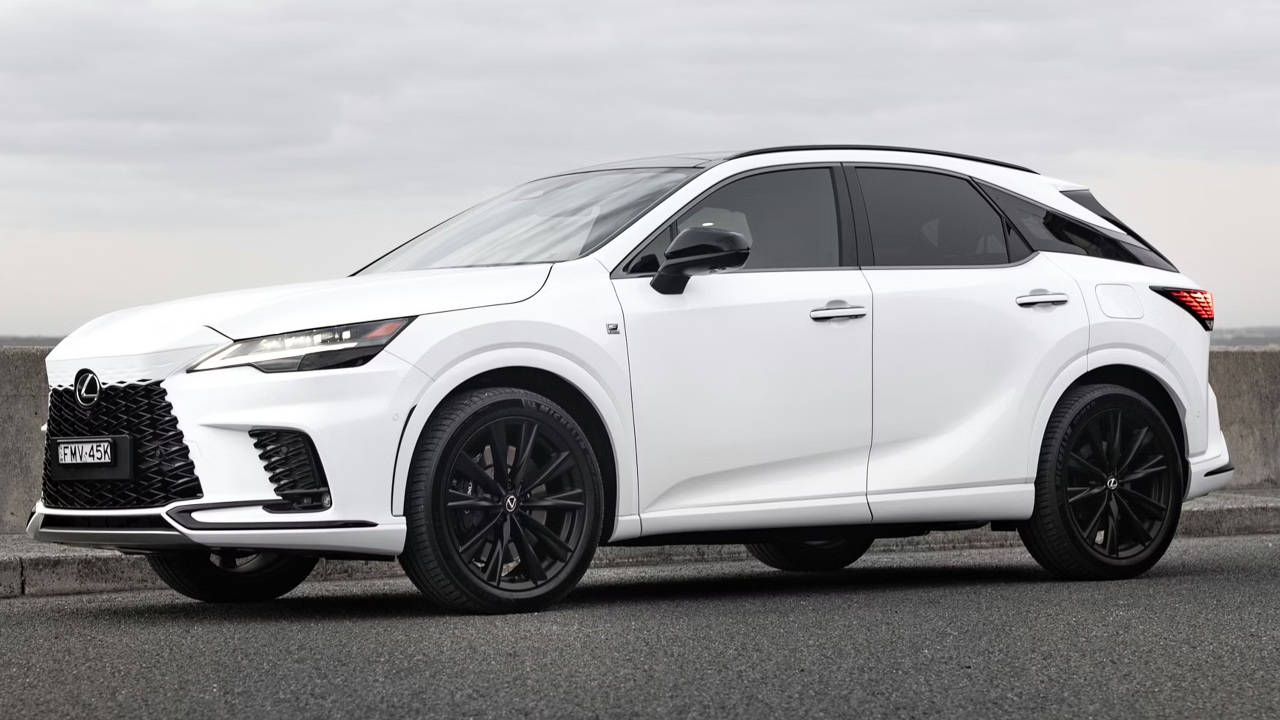
In the growing market of eco-friendly vehicles, hybrid cars have become a popular choice for those looking to reduce their carbon footprint and save on fuel costs. However, buying a used hybrid can be challenging if you’re not sure what to look for. This guide will walk you through the essential factors to consider when spotting a good used hybrid.
Understanding the Basics of Hybrid Technology
First, it’s important to understand the different types of hybrid systems available. The main types are mild hybrids, full hybrids, and plug-in hybrids. Mild hybrids use a smaller electric motor to assist the internal combustion engine (ICE) but cannot power the car on electricity alone. Full hybrids, such as the Toyota Prius, can run on just the electric motor, the ICE, or a combination of both. Plug-in hybrids, like the Chevrolet Volt, offer larger batteries that can be recharged via an external power source, allowing for extended electric-only driving ranges.
Key components of hybrid vehicles include the internal combustion engine, electric motor, and battery pack. The battery pack is crucial as it stores energy and powers the electric motor. A hybrid’s electric motor can assist the engine, power the car at low speeds, and even recover energy through regenerative braking. Understanding how these components work individually and together is vital for evaluating a used hybrid.
There are several myths about hybrids that might confuse potential buyers. A common misconception is that hybrid batteries need to be replaced frequently, which isn’t usually the case. Most hybrid batteries are designed to last the life of the vehicle, often warrantied for 8–10 years. Another myth is that hybrids are slow and lack power. While early models may have been underpowered, many modern hybrids offer competitive performance, with models like the Ford Fusion Hybrid offering a balance of efficiency and power.
Evaluating the Vehicle’s Condition
Checking the battery health is paramount when evaluating a used hybrid. Given the high cost of battery replacement, it’s advisable to have a professional assess its condition. Many dealerships and mechanics offer specialized diagnostic tests that provide insights into the battery’s health. Also, check if the vehicle has undergone any recent battery replacements or repairs, as this might affect its longevity and performance.
Reviewing the vehicle’s service history is equally important. Consistent maintenance records indicate the vehicle has been well cared for, which can lead to fewer unforeseen issues. Look for records of regular oil changes, brake checks, and any hybrid-specific services. Vehicles with incomplete service records or frequent repairs might signal potential problems.
A test drive offers valuable insights into the vehicle’s condition. During the drive, observe how the car transitions between the electric motor and ICE. Any rough transitions or unusual noises could indicate underlying issues. Pay attention to the regenerative braking system, which should feel smooth and responsive. An effective test drive will give you a better idea of the vehicle’s overall health and functionality.
Researching Vehicle History and Reputation
When considering a used hybrid, it’s vital to check the Vehicle Identification Number (VIN) and obtain a vehicle history report. Services like Carfax or AutoCheck can provide detailed reports, revealing any past accidents, title issues, or odometer discrepancies. A clean report boosts confidence in the vehicle’s reliability.
Consulting consumer reviews and reliability ratings from trusted automotive sources can provide additional insights into the car’s performance over time. Websites like Edmunds and J.D. Power offer consumer feedback and ratings that highlight common issues or standout features of specific hybrid models. These resources can help you gauge the vehicle’s long-term reliability and user satisfaction.
It’s also important to check for manufacturer recalls related to the hybrid model you are interested in. Recalls can affect safety and performance, so ensure any recall issues have been addressed by the previous owner. The National Highway Traffic Safety Administration (NHTSA) website is a reliable source for checking recall information.
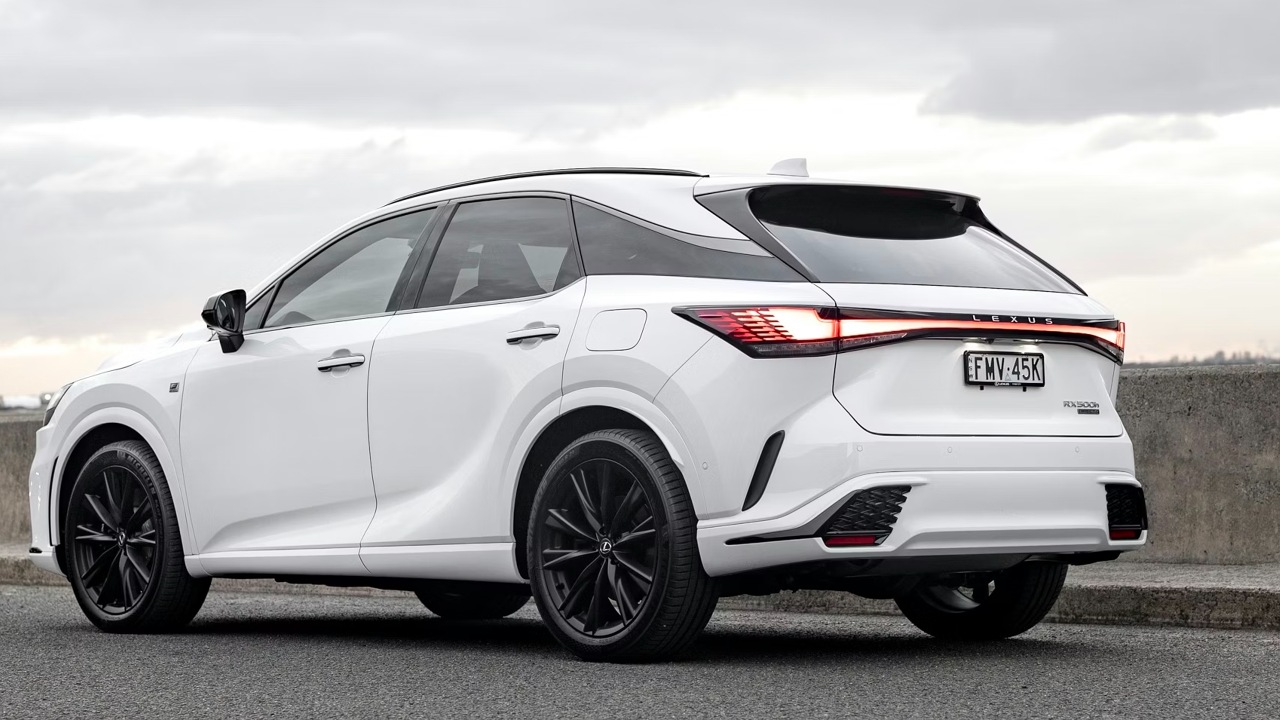
Evaluating Fuel Efficiency and Overall Cost
Real-world fuel economy is a crucial factor in choosing a hybrid. While manufacturers provide estimated fuel efficiency, real-world performance can vary. Websites like Fuelly allow users to share their fuel consumption data, offering a more accurate picture of what to expect. This can help set realistic expectations and prevent disappointment.
When considering the total cost of ownership, factor in insurance, potential repairs, and maintenance costs specific to hybrids. While hybrids can save money on fuel, they might have higher repair costs for specialized components. Speak with insurance providers to understand any premium differences for hybrid vehicles.
Warranty considerations are also important. Check if any warranties are transferrable to you as the new owner. Many hybrids come with extended warranties for the battery and hybrid components, which can offer peace of mind. Understanding the coverage and any remaining warranty period can help manage future repair costs.
Negotiating the Right Price
Determining the fair market value of a used hybrid is a critical step. Tools such as Kelley Blue Book or Edmunds can help you research the current market value based on the car’s make, model, year, and condition. This knowledge empowers you to make informed decisions during negotiations.
A professional inspection by a mechanic familiar with hybrids can uncover hidden issues that might not be apparent from a visual inspection or test drive. This is particularly important for assessing the health of the battery and other hybrid-specific components. The cost of an inspection is a worthwhile investment that can save money on future repairs.
Effective negotiation strategies can help you secure a fair price. Use the findings from your research and inspection to justify your offer. Highlight any potential repairs or issues as leverage in negotiations. Being prepared with comprehensive information about the vehicle and market conditions puts you in a strong position to negotiate a favorable deal.




Leave a Reply