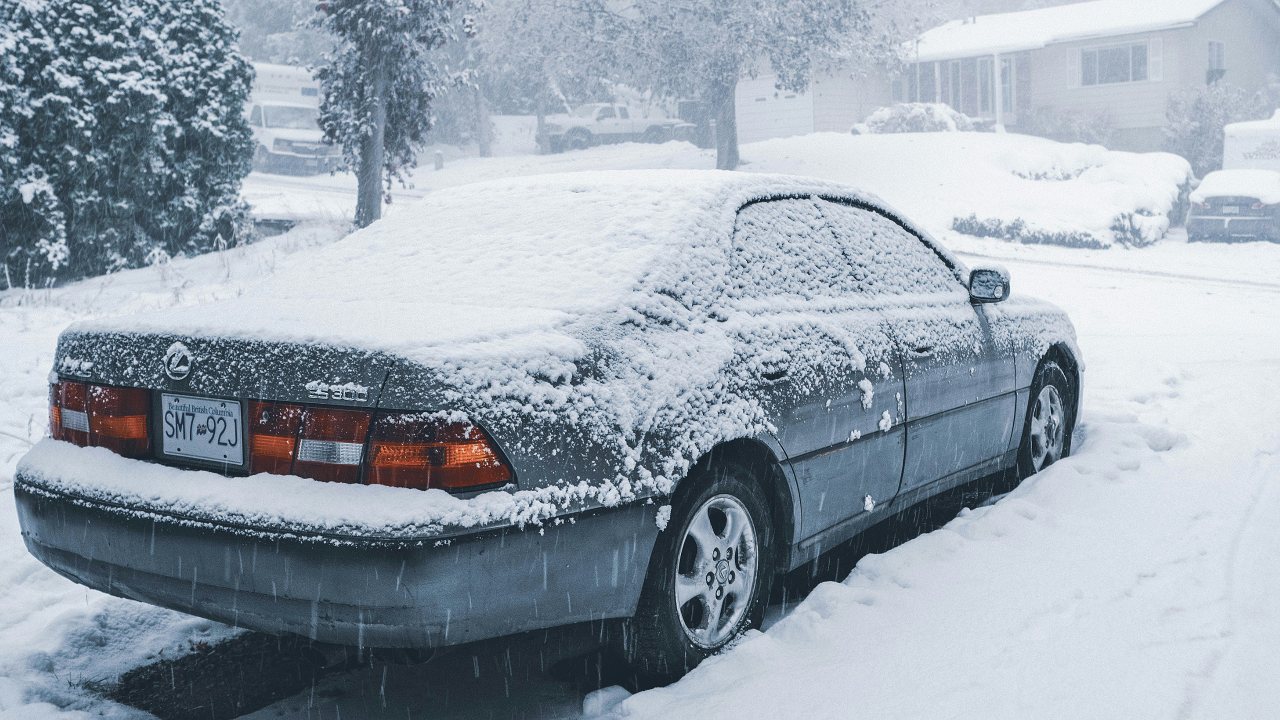
When temperatures plunge, a frozen car can feel less like an inconvenience and more like a mechanical emergency. Handled poorly, those first few minutes of winter driving can shorten engine life, crack glass, and even leave a driver stranded with a damaged cooling system. The safest approach is to warm the vehicle methodically, protecting the engine and cabin components instead of relying on old habits that no longer fit modern cars.
Learning how to bring a cold-soaked vehicle back to life without harm starts with understanding what actually needs to warm up, from coolant and oil to electronics and door seals. With a few disciplined steps, drivers can get heat flowing, clear the glass, and move off confidently without sacrificing reliability.
Why long idling is hard on modern engines
Many drivers still believe that letting a car idle for a long stretch is the kindest way to treat it in winter, but modern engines are engineered to warm more efficiently under light driving than while sitting in place. Prolonged idling in the cold keeps the engine at a low load, which slows the rise in temperature and encourages incomplete combustion that can wash excess fuel onto cylinder walls and dilute the oil. Reporting on winter maintenance warns that extended idling in freezing conditions can contribute to carbon buildup and other mechanical problems down the road, even if the cabin feels comfortable in the moment.
Guidance shared with drivers stresses that cars warm up faster when they are driving, not sitting in place, and that older vehicles built before 1980 are the ones that truly benefit from a brief 2 to 3 minute idle. For the fuel injected engines that dominate today’s roads, experts note that long warmups simply put unnecessary wear on engine parts and waste fuel, while a short start-up period followed by gentle driving brings the engine to operating temperature more quickly and safely. One widely shared explanation puts it plainly: Cars warm up faster when they are moving, and modern engines are designed with that in mind.
The right way to get a cold engine up to temperature
Instead of a long idle, winter specialists recommend a short, structured start-up routine that prepares the car’s systems before it moves. One step-by-step approach advises drivers to begin by turning the key on without starting the ignition, which allows the electrical system to come online and the fuel pump to prime before the engine is asked to work. From there, the engine can be started and left to run briefly while the driver confirms that warning lights clear and that the heater is working properly, a sequence described in guidance on what are the steps to warming your car safely.
Once the engine is running smoothly, experts suggest waiting only a short period before driving off gently, rather than idling until the cabin is toasty. Advice shared with motorists notes that driving the car is the fastest way to warm the engine up to 40 degrees so it can switch back to a normal fuel to air ratio, which improves efficiency and reduces wear. Winter care guides echo that a modest warmup, followed by smooth acceleration and gradual braking, is enough to bring the engine and drivetrain to temperature without the downsides of a long idle, a point reinforced in detailed discussions of how long should drivers leave my car running before driving.
Dealing with frozen coolant and a truly frozen car
In severe cold, the problem is not just a sluggish engine but a cooling system that has literally turned to slush. When coolant freezes, forcing the engine to run can crack the block or damage hoses, so technicians urge patience before anything else. One repair guide frames the first step bluntly as wait for the coolant to thaw, noting that if the car is outside in freezing temperature, the safest option is to move it into a warmer environment or simply give it time before attempting to start the engine. Only once the coolant has fully returned to liquid form should the driver consider turning the key, and even then, they should watch for leaks or unusual noises that might signal damage.
A car that is frozen in place can also resist entry before the engine is even a factor. Newer vehicles rely heavily on electronics, and reporting on winter lockouts notes that newer cars may refuse to unlock if key fobs or door modules are affected by the cold. In those situations, experts recommend gentle methods such as warming the key fob battery indoors, using de-icing spray on locks and seals, and applying steady pressure rather than yanking on a frozen door, which can tear weatherstripping or damage latches. Only after the vehicle can be opened and the coolant is confirmed to be liquid should a driver proceed with the controlled warmup routine.
Clearing glass and warming the cabin without damage
Once the engine is running, the temptation is to blast the defroster and crank the temperature to maximum, but glass and plastic trim can be as vulnerable to sudden thermal shock as metal components. Safety guidance on winter storms advises that drivers can use a de-icing spray made from two parts rubbing alcohol and one part water, applied directly to the windshield to melt ice without scraping aggressively. The same advice warns that pouring hot water on a frozen windshield can also crack the glass underneath, so the alcohol solution, combined with the car’s own defroster, is a safer way to clear visibility, a method that mirrors a popular DIY mix of one part water and two parts isopropyl alcohol.
Inside the cabin, experts recommend starting the climate control on a moderate temperature and low fan speed, then gradually increasing as the engine warms. This approach avoids blasting cold air across already chilled glass, which can fog the interior, and it reduces the strain on blower motors and vents that may be stiff from the cold. Winter care advice also notes that using smooth and gradual braking while the car is still warming helps the rest of the vehicle, from brake components to suspension bushings, adapt to the temperature change, a point highlighted in detailed guidance on cold weather driving.
Adapting warmup habits for different vehicles
Not every car responds to the cold in the same way, and warmup strategies should reflect the technology under the hood. For modern gasoline vehicles, dealership guidance emphasizes that How to Warm Up Your Car the Right Way involves only a short idle before driving, since While warming up is important, long idle times are not required and can contribute to deposits in the engine over time. Diesel engines, by contrast, may benefit from a slightly longer initial run to build heat in the combustion chambers and fuel system, but even there, experts caution against extended idling and instead recommend block heaters and proper fuel additives where appropriate, points echoed in broader discussions of winter engine care.
Electric vehicles add another layer of complexity, since they do not have a traditional engine to warm but still need to condition their battery packs and cabins. Winter driving advice notes that how warming an EV before unplugging and driving away helps preserve range by using grid power to heat the cabin and battery instead of drawing solely from the pack. For all vehicle types, safety-focused checklists stress that drivers should steps to properly warm up your carCold Weather by first make sure your vehicleSafe Spot
More from Fast Lane Only