In recent years, hybrid vehicles have gained significant traction as a more environmentally friendly alternative to traditional gas-powered cars. However, while their initial appeal is evident, understanding the long-term implications of owning a hybrid vehicle requires a closer look at their reliability and associated costs over time. This article delves into the critical aspects of hybrid reliability and evaluates the true cost of long-term ownership.
The Mechanics of Hybrid Reliability
Understanding hybrid technology is crucial when considering a hybrid vehicle’s reliability. At the core of models like the 2022 Toyota Prius is a combination of an internal combustion engine and an electric motor. These vehicles rely on complex battery systems to store and utilize energy, a distinct departure from conventional vehicles. While this technology offers improved fuel efficiency, it also introduces new challenges, particularly concerning battery health and electronic components.
Common reliability concerns for hybrid owners often revolve around battery degradation and the reliability of electronic systems. For instance, the 2021 Honda Insight has demonstrated reliability, but like all hybrids, it is not immune to issues such as reduced battery capacity over time. Additionally, the intricate nature of electronics in hybrids can lead to expensive repairs if components fail. Understanding these potential pitfalls is essential for anyone considering a hybrid vehicle.
Financial Implications of Long-Term Hybrid Ownership
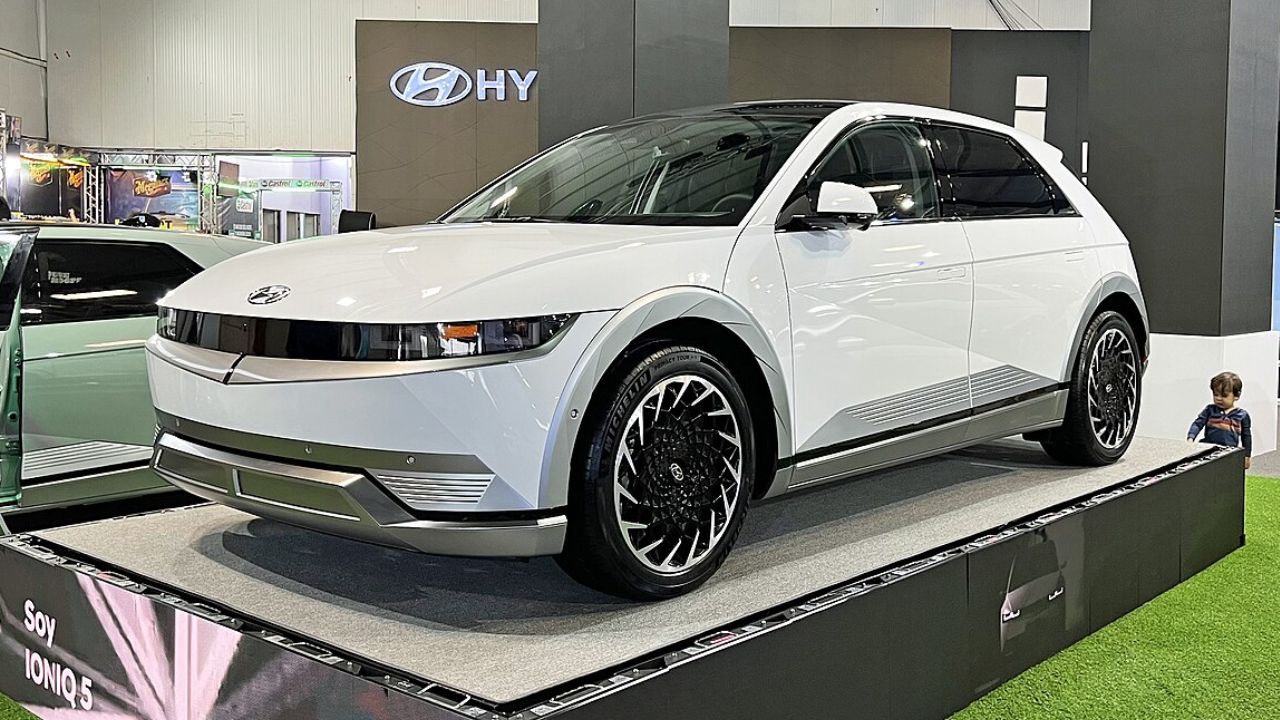
When weighing the financial implications of hybrid ownership, it’s crucial to balance the initial purchase price against potential long-term savings. Models like the 2023 Hyundai Ioniq tend to have higher upfront costs compared to their gas-only counterparts. However, these vehicles often offer significant savings on fuel, thanks to their increased efficiency. Over time, these savings can offset the initial investment, making hybrids an economically viable option for many drivers, especially those with long commutes.
Maintenance and repair costs for hybrids can differ significantly from traditional vehicles. The advanced technology in hybrids, such as the 2024 Ford Escape Hybrid, often requires specialized knowledge for repairs, which can be costly. However, hybrids generally have fewer mechanical components that need regular maintenance, such as transmissions and brake systems, which can lead to lower overall maintenance costs. Understanding these nuances can help potential buyers make more informed financial decisions.
Environmental and Social Factors
Hybrid vehicles like the 2025 Kia Niro offer substantial environmental benefits, primarily through reduced emissions and improved fuel economy. However, it’s essential to consider the ecological costs associated with battery production and disposal. The lithium-ion batteries used in hybrids require significant energy and resources to produce and can pose environmental hazards if not disposed of properly. Balancing these factors is vital for consumers prioritizing sustainability.
Consumer perceptions of hybrids have evolved significantly over the years. The introduction of government incentives and changing environmental policies have played a crucial role in shaping market trends. As technological advancements continue and environmental policies tighten, the hybrid market is expected to expand, offering more reliable and efficient options to consumers.