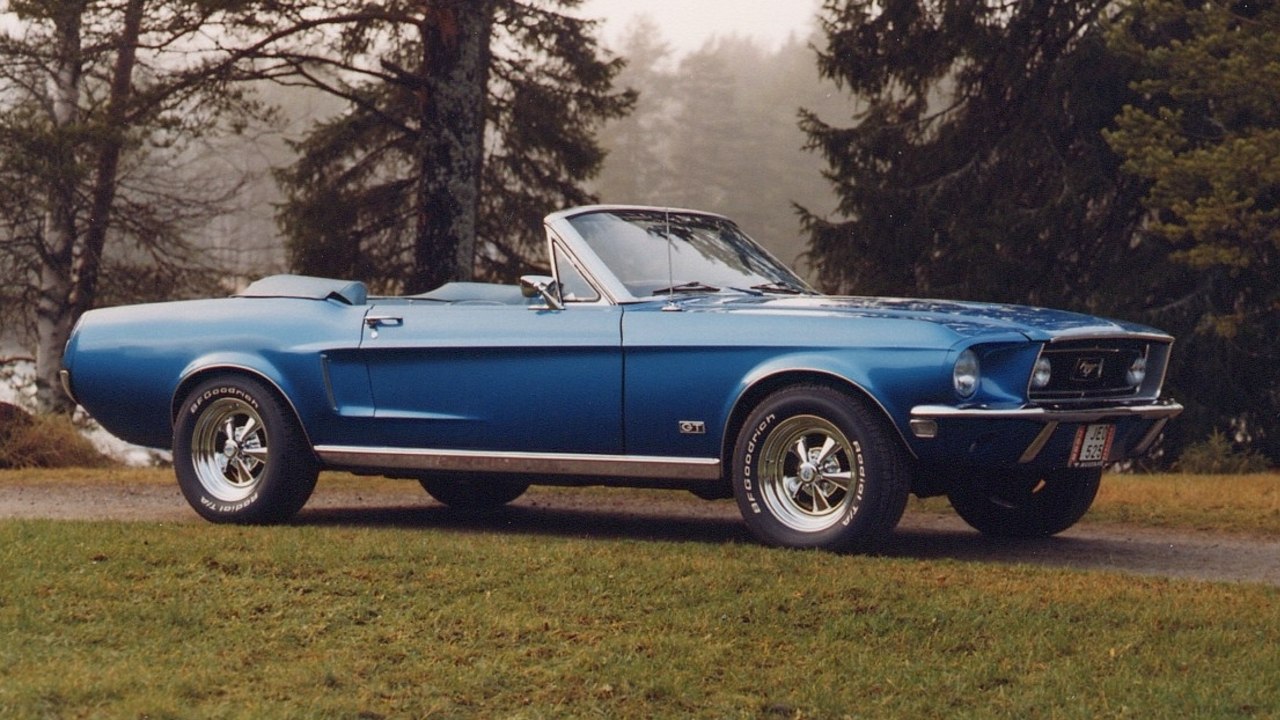
The 1968 Mustang GT 390 has earned its reputation not just as a movie icon but as one of the most torque-heavy factory Mustangs of its era, a car that felt brutally strong in the midrange even when the spec sheet looked modest beside later muscle machines. Its big-block V8 delivered the kind of low-end shove that defined late‑sixties American performance, prioritizing real-world pull over high‑rev theatrics. I want to unpack how that torque-rich character was engineered, how it translated on the road, and why it still shapes how enthusiasts judge classic Mustangs today.
Big-block foundations of the GT 390’s torque
At the heart of the 1968 Mustang GT 390 sat Ford’s FE-series 390 cubic inch V8, a big-block architecture that favored displacement and stroke over high-rpm sophistication. The GT 390 performance package paired this engine with a four-barrel carburetor, a relatively conservative cam profile, and compression tuned for strong cylinder pressure at streetable revs, which is where drivers actually felt the car come alive. Rather than chasing lofty horsepower numbers at the top of the tach, the package was engineered so that the engine’s broad torque plateau made the car feel muscular in everyday driving and on short bursts of acceleration.
Factory ratings for the GT 390 placed output at roughly 325 horsepower and about 427 pound-feet of torque, figures that underscored how much emphasis Ford put on twist rather than peak power. In period road tests, that torque translated into brisk quarter-mile times and strong in-gear acceleration, even when the car was saddled with the weight of big-block hardware and optional equipment. Contemporary coverage of the FE family highlights how the 390 shared its basic architecture with larger FE variants that powered full-size Fords and trucks, reinforcing that this was an engine family designed to move mass with authority rather than spin to the stratosphere, a trait that defined the GT 390’s character on the street and track.
How gearing and driveline amplified low-end pull
The GT 390’s torque-rich personality did not come from the engine alone, it was amplified by the gearing and driveline choices Ford offered in 1968. Buyers could pair the big-block with a four-speed manual or a heavy-duty automatic, and both were typically matched to rear axle ratios that favored punch over relaxed cruising. Shorter final-drive options let the 390 sit squarely in its torque band during hard launches and highway passing, so the car felt eager even when the tachometer needle was nowhere near redline. The result was a Mustang that could leap off the line with minimal drama, relying on torque multiplication rather than high-rpm clutch drops.
Period specification sheets and enthusiast breakdowns of 1968 Mustang drivetrains show that GT 390 cars often left the factory with axle ratios in the mid‑3s, a compromise that kept highway revs tolerable while still delivering strong off-the-line response. When combined with the engine’s broad torque curve, those ratios meant the car could pull cleanly from low speeds in higher gears, a trait owners still cite as central to the GT 390 experience. Contemporary analyses of Ford’s late‑sixties performance lineup note that this gearing strategy was common across big-block offerings, reinforcing that the company was deliberately tuning its muscle cars for accessible, real-world thrust rather than fragile, peaky power.
On-road character: from stoplight launches to highway surge
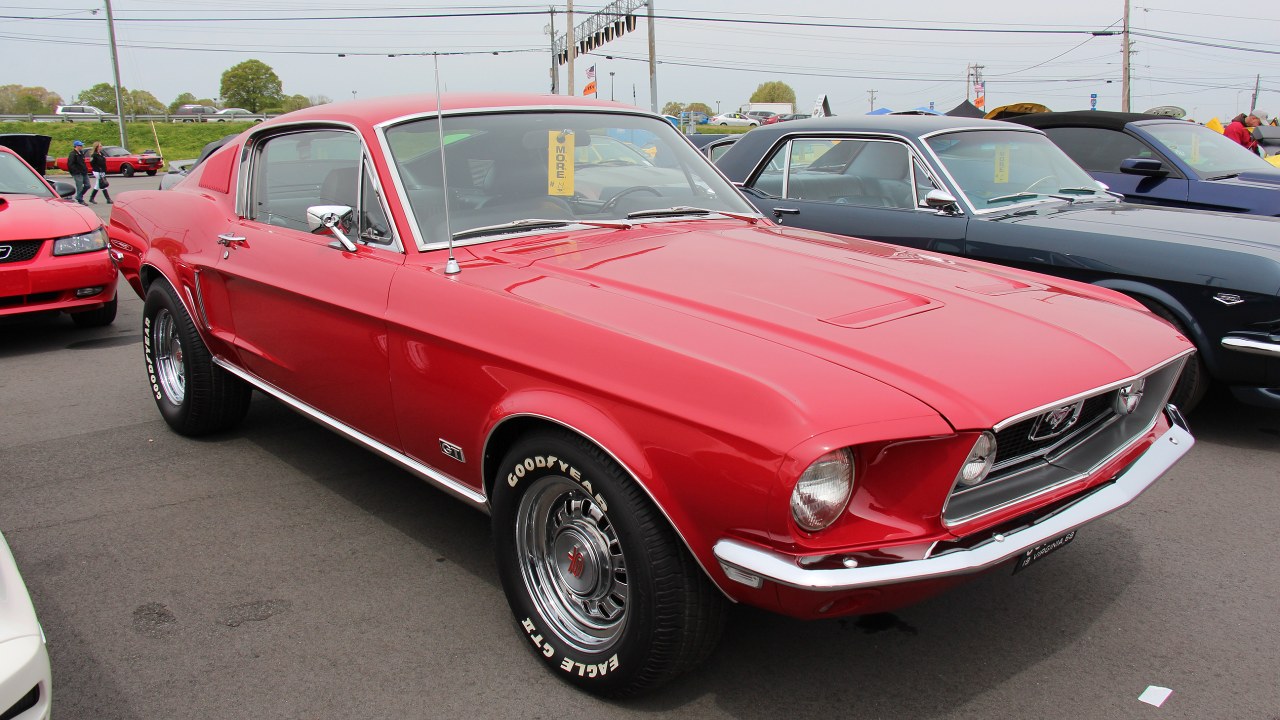
On the road, the 1968 Mustang GT 390 felt less like a high-strung sports car and more like a torque locomotive, delivering a thick wave of pull from just off idle. Drivers did not need to wring out every last rpm to make rapid progress; a modest squeeze of the throttle in second or third gear was enough to surge past traffic or climb a grade with ease. That behavior made the car deceptively quick in everyday use, because the engine’s strongest work happened in the midrange where most street driving occurs, rather than in a narrow band near redline. The sensation was of a car that always had reserve shove waiting, even if the speedometer needle was still climbing.
Road tests from the late 1960s describe GT 390 Mustangs as capable of strong quarter-mile runs with minimal shifting drama, a reflection of how much work the engine’s torque and the gearing did for the driver. Contemporary reviewers often contrasted the big-block Mustang’s effortless surge with the more frenetic character of small-block rivals that needed to be revved harder to match its pace. Modern retrospectives on classic Mustangs echo that assessment, noting that the GT 390’s appeal lies less in razor-sharp handling and more in the visceral satisfaction of rolling into the throttle and feeling the car dig in and go, a trait that continues to define how enthusiasts talk about torque-rich American muscle.
Comparing the GT 390 to other Mustang powertrains
To understand why the 1968 GT 390 still looms large in Mustang lore, it helps to compare its torque profile with other engines in the lineup. The small-block 289 and 302 V8s that powered many standard Mustangs were lighter and more rev-happy, but they simply could not match the big-block’s wall of low-end torque. Those engines rewarded drivers who kept the revs up and shifted aggressively, while the 390 delivered its best work with fewer shifts and less drama. Even when later small-blocks began to close the horsepower gap, they often did so with higher redlines rather than the same kind of off-idle muscle.
Enthusiast data compilations and factory charts from the period show that the GT 390’s torque rating sat near the top of the Mustang range until the arrival of even larger big-blocks and specialty engines. When compared with the 428 Cobra Jet that followed, the 390 looks like a bridge between early small-block performance and the full-bore drag-strip focus of the later cars. The 428 delivered more power and torque, but it also pushed the Mustang further into single-purpose territory, while the 390 retained a balance of everyday drivability and brute strength. That middle ground is part of why collectors and drivers still single out the GT 390 as a sweet spot in the classic Mustang hierarchy.
Legacy, collectability, and the torque story today
Decades later, the 1968 Mustang GT 390’s reputation is inseparable from its torque-heavy personality, a trait that has only grown more appealing as modern performance cars chase ever higher horsepower numbers. Collectors value the car not just for its limited production and cultural cachet, but for the way it delivers performance in a manner that feels distinctly late‑sixties: immediate, mechanical, and rooted in displacement rather than electronics. The big-block’s broad torque curve makes the car surprisingly usable in modern traffic, since it can lope along at low revs and still respond decisively when the driver calls for more.
Market analyses of classic Mustangs consistently show that genuine GT 390 cars command a premium over more common small-block models, with provenance and originality playing a major role in valuations. Enthusiast forums and auction reports highlight that buyers often seek out cars that retain their original FE engines and factory-style gearing, precisely because those components define the driving experience. When I look at how the GT 390 is discussed today, I see that its legacy rests less on raw numbers and more on the way its torque-rich character reshaped expectations for what a Mustang could feel like, setting a benchmark for muscular, midrange-focused performance that still resonates with drivers who care more about how a car pulls than what it posts on a dyno sheet.