
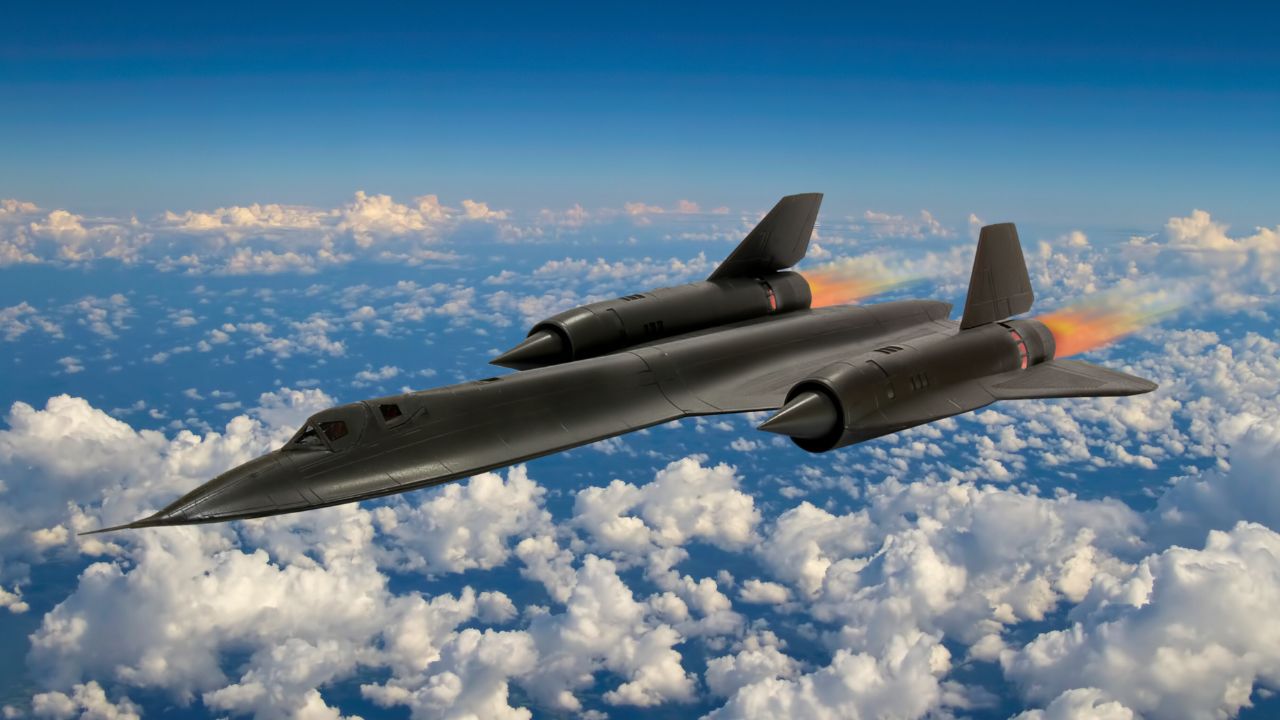
The SR-71 Blackbird wasn’t just a fast plane—it was a complete rethink of how reconnaissance should be done at altitude and speed. Built in secrecy and operated by a handful of skilled pilots, the Blackbird could fly higher and faster than anything else in the sky, all while staying largely invisible to radar. Even decades after its retirement, it’s still a benchmark for engineering ambition and tactical execution. Here are 10 facts that explain why the Blackbird’s legacy still matters.
It was built to outrun missiles, not fight back
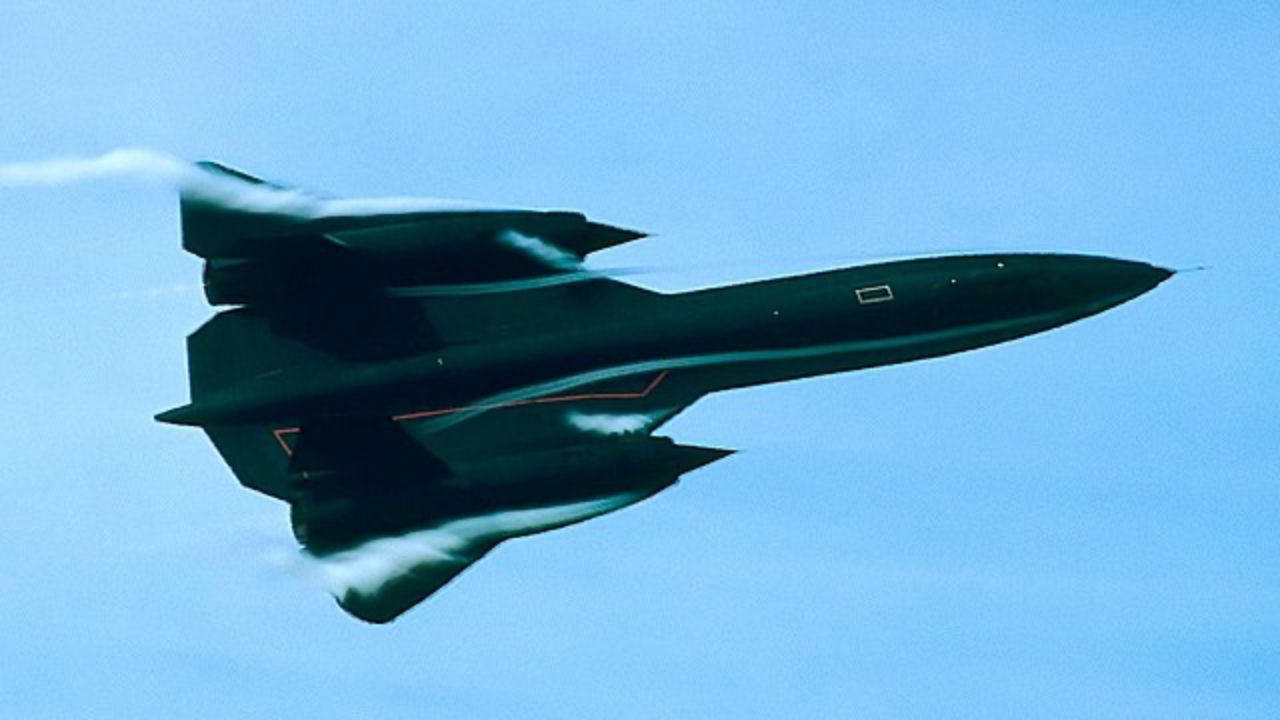
The SR-71 carried no weapons. Its only defense was speed and altitude. If a missile was launched, the crew didn’t maneuver—they simply pushed the throttles forward. At Mach 3.2 and 85,000 feet, nothing could catch it. Soviet surface-to-air missiles tried, but none ever hit an SR-71. Its entire mission profile was built around the idea that you can’t shoot what you can’t catch.
It leaked fuel on the runway
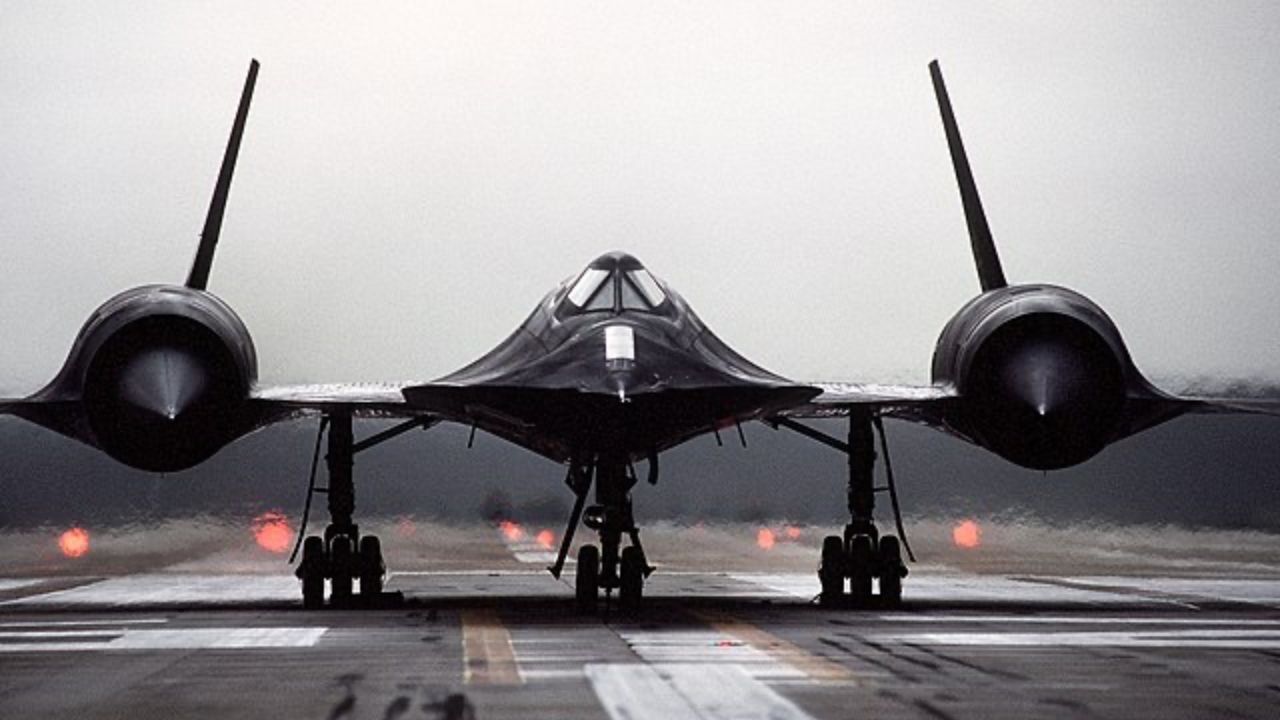
Titanium expands under extreme heat. The SR-71’s airframe was designed with this in mind, which meant its fuel tanks didn’t fully seal until the aircraft was hot and at speed. On the ground, JP-7 fuel would seep through the seams. It looked like a maintenance disaster, but it was completely normal—and necessary for the plane to function properly in flight.
The Blackbird set speed records that still stand
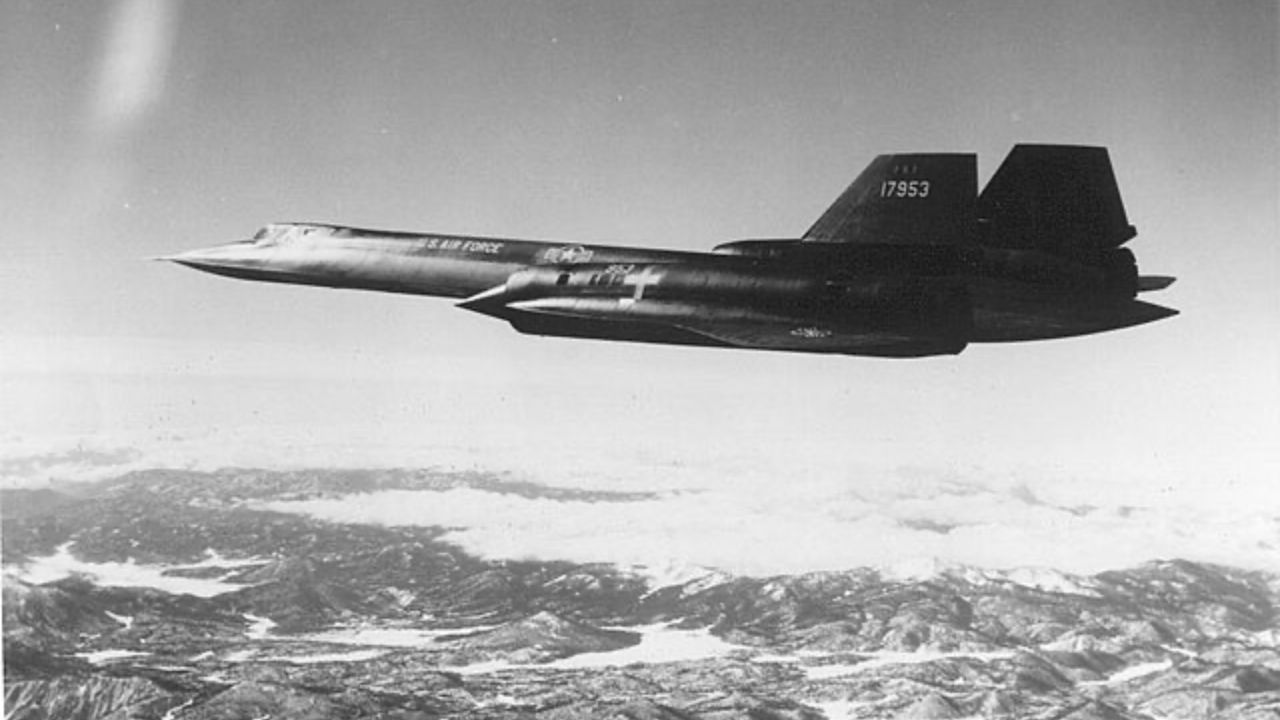
In 1976, the SR-71 reached a top speed of 2,193.2 mph. That record hasn’t been officially broken by a manned air-breathing aircraft. It could fly coast-to-coast in under 68 minutes. Most modern jets can’t even match its cruising speed. And it wasn’t a prototype—it flew real missions, often over hostile territory, with pilots wearing pressure suits.
Titanium was a headache from day one
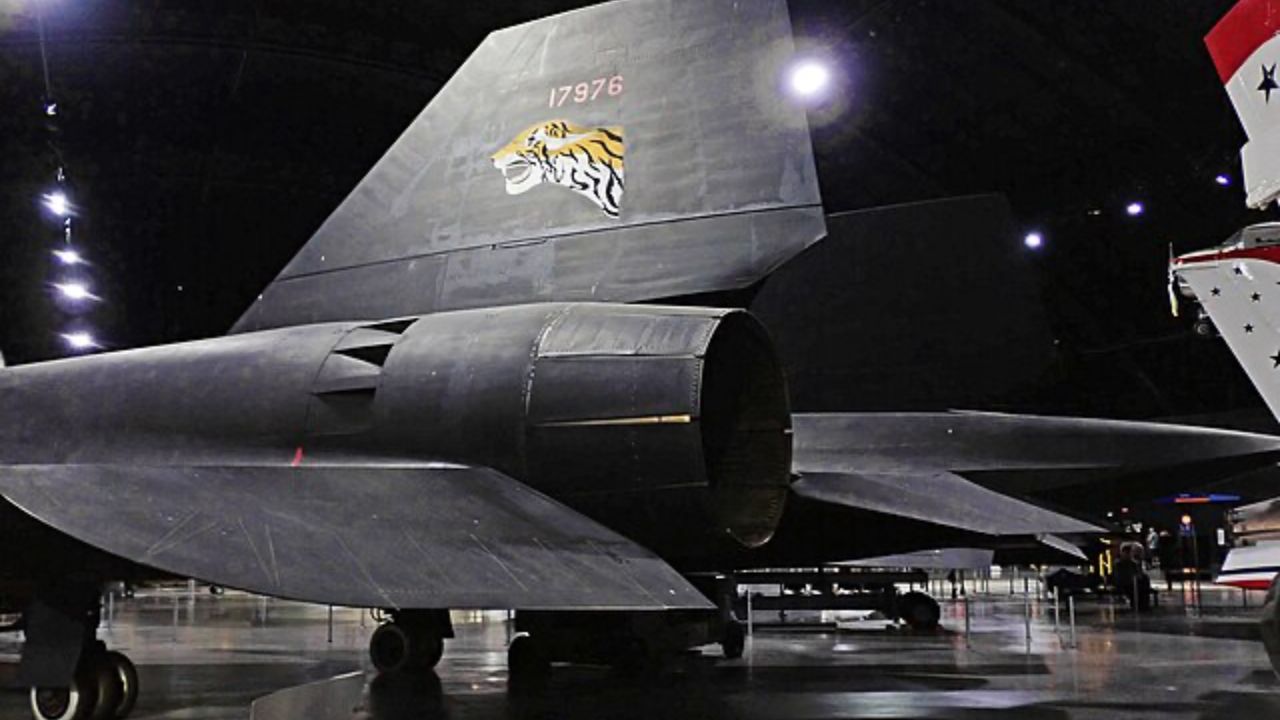
The SR-71 was made of over 90% titanium to withstand skin temperatures exceeding 600°F. At the time, the U.S. didn’t have enough titanium, so the CIA set up dummy companies to import it from the Soviet Union—ironically, the same nation the plane was built to spy on. Working with titanium was also new to Lockheed engineers, who had to create custom tools and processes just to shape and weld it.
Its engines were part turbojet, part ramjet
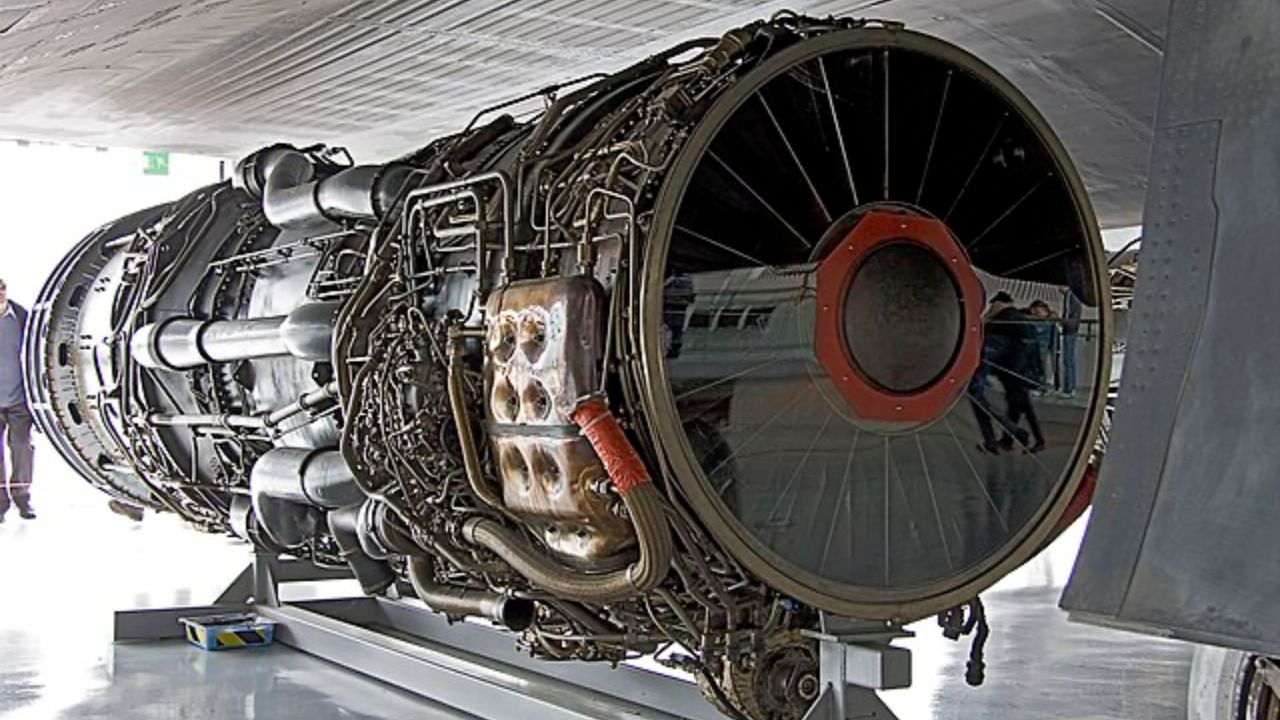
The J58 engines on the SR-71 weren’t conventional. At speeds over Mach 2, more than 80% of thrust came from the engine’s inlet spike and bypass airflow, essentially turning it into a ramjet. It was a hybrid propulsion system that allowed sustained high-speed flight without burning out the turbines. That trick still fascinates propulsion engineers today.
It required a tanker just to complete most missions
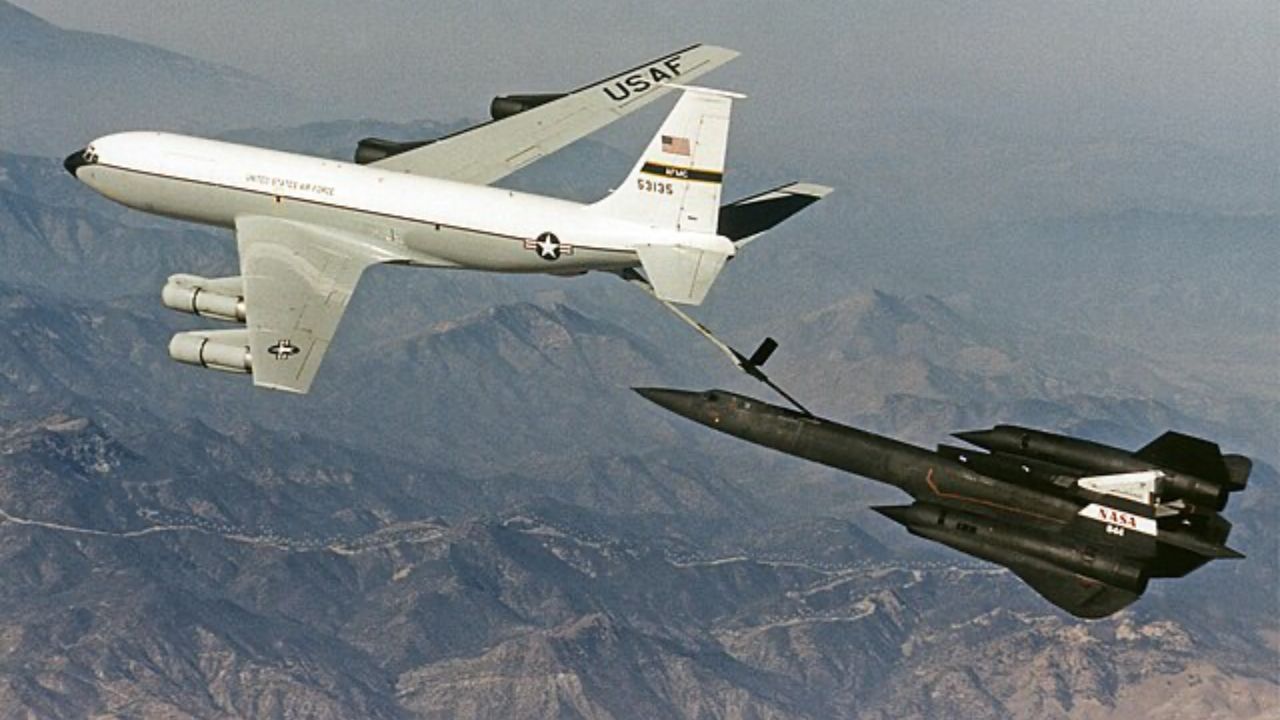
The Blackbird had incredible speed, but its range was limited—especially considering how much fuel it burned at Mach 3. Most missions started with a refueling shortly after takeoff. The SR-71 would launch with a partial load, top off in the air, and then begin its high-speed run. The KC-135Q tankers that supported it were specially modified to handle the unique JP-7 fuel.
It could photograph your license plate from 80,000 feet
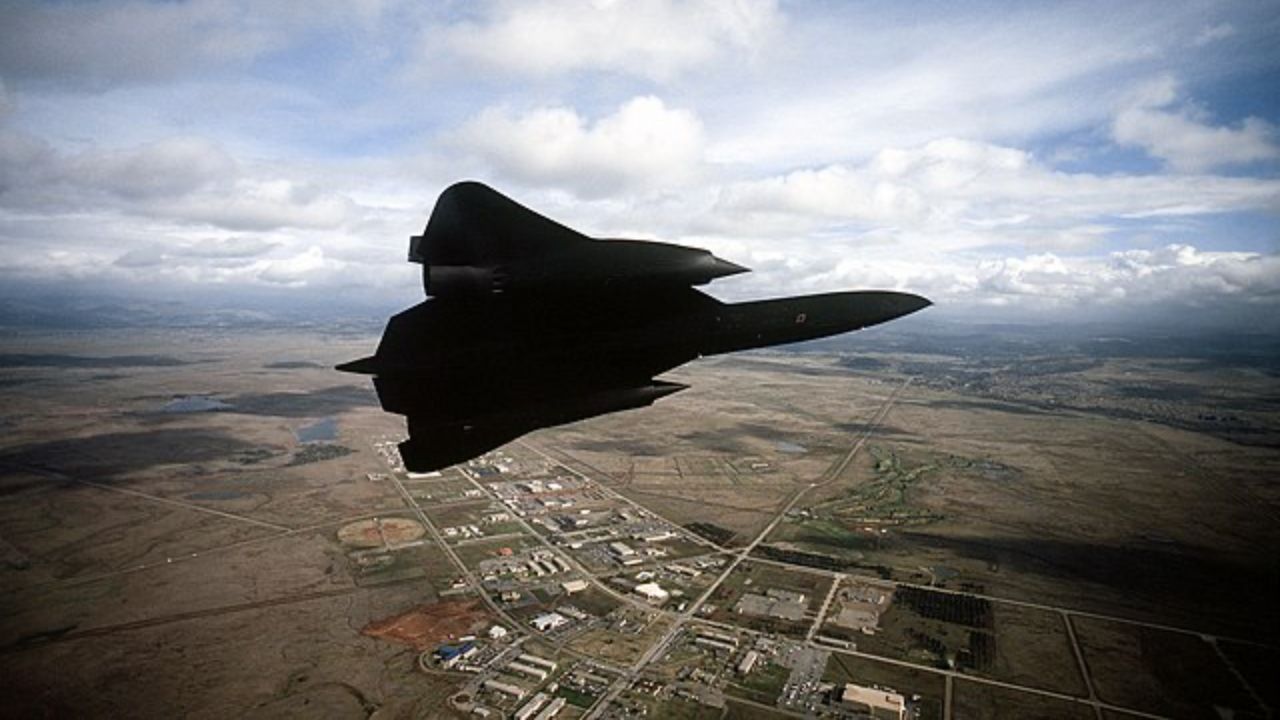
Equipped with a powerful optical bar camera and side-looking radar, the SR-71 could map wide swaths of terrain in a single pass. Its high-resolution cameras could reportedly capture enough detail to distinguish types of aircraft on runways, and even read markings under good conditions. The data it gathered helped inform everything from Cold War defense strategies to real-time battlefield intel.
Its pilots trained like astronauts
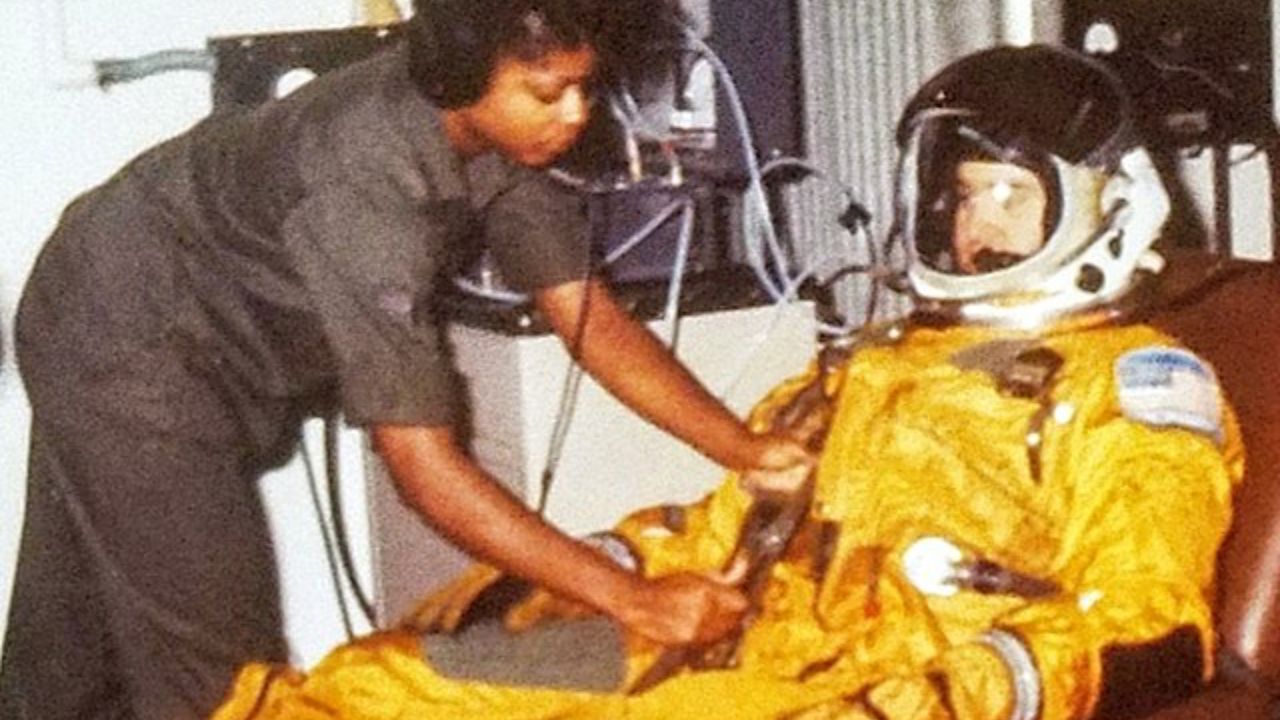
Flying the SR-71 meant donning a full-pressure suit similar to what astronauts used in early space missions. Pilots trained in altitude chambers and underwent extensive physiological screening. In flight, they dealt with extreme heat, long hours, and the constant pressure of knowing any system failure could mean disaster—at 85,000 feet, you don’t just glide home.
It had stealth before stealth was a thing
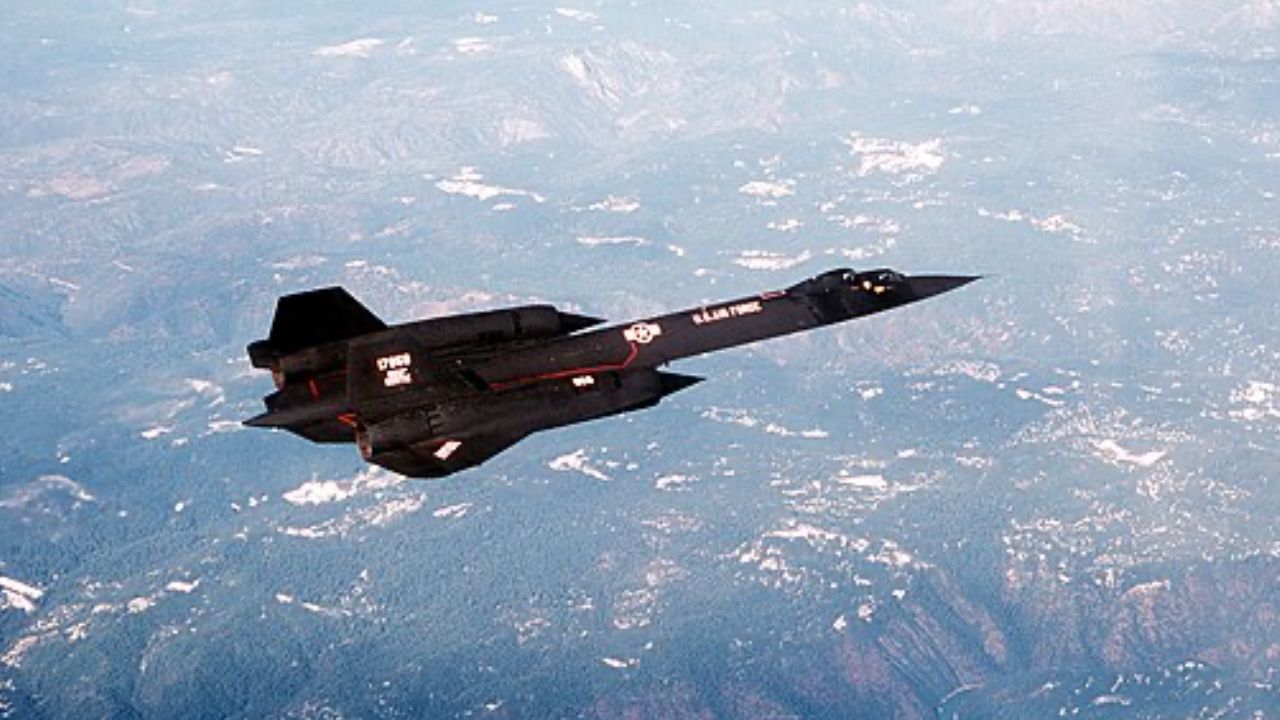
While not invisible to radar, the SR-71’s design included radar-absorbing materials and minimized cross-section features that made it harder to track. Its black paint helped dissipate heat and contributed to the “Blackbird” name. In many ways, it was the precursor to what would later become modern stealth design. It was fast, sleek, and quieter on radar than anything of its size had a right to be.
It was retired before its time

Despite its capabilities, the SR-71 was officially retired in 1998. Critics argued it still had value, but satellites had taken over most reconnaissance roles. It was expensive to fly—roughly $200,000 per hour—and hard to maintain. Still, no platform since has matched its combination of speed, altitude, and mission flexibility. The Blackbird went out on top, still holding records, and still unmatched in its role.
Like Fast Lane Only’s content? Be sure to follow us.
Here’s more from us:



Leave a Reply