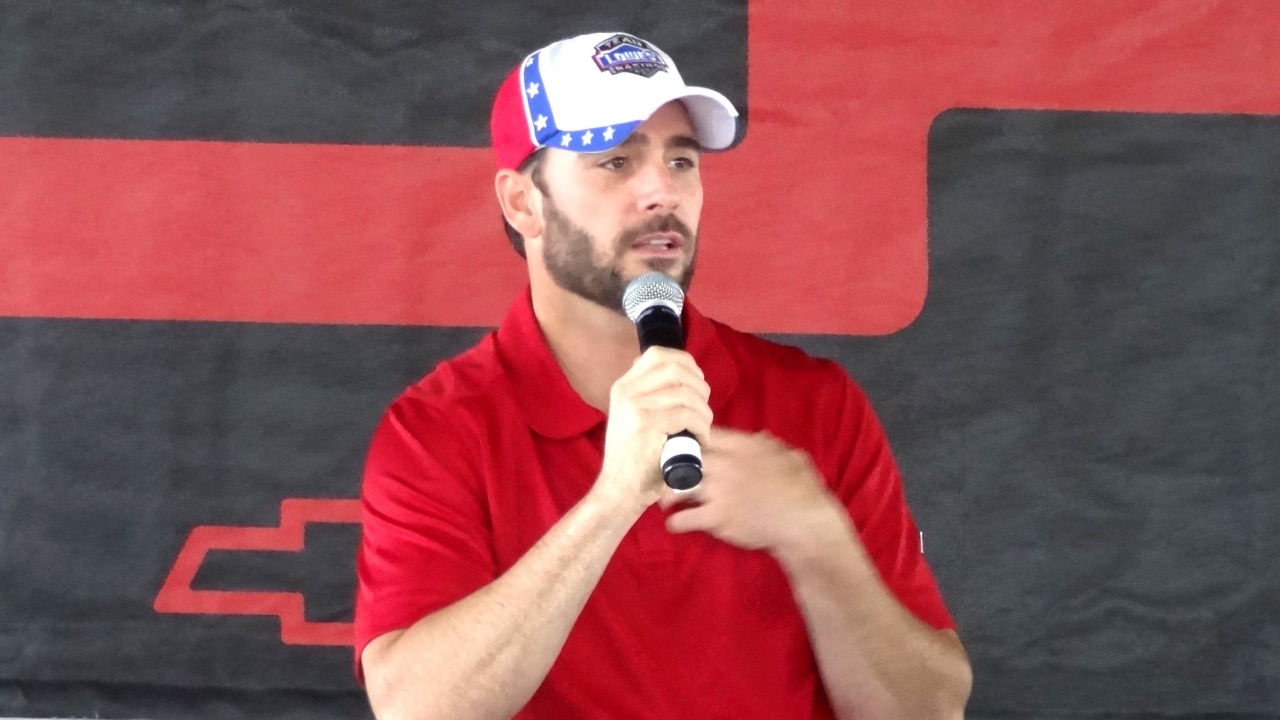
Jimmie Johnson has removed any doubt about his intentions for Speedweeks, locking in a return bid for the 2026 Daytona 500 that instantly reshapes the early season storylines. The seven-time NASCAR Cup Series champion is not treating this as a ceremonial lap, but as a serious attempt to qualify and contend in the sport’s most scrutinized race.
At 50, Johnson is committing to another run at Daytona in a modern Cup field that is younger, deeper, and more specialized than the one he dominated in his prime. His decision ties together competitive ambition, sponsor alignment, and team strategy, and it signals that his part-time schedule is being built around one marquee objective: being on the grid when the green flag drops for the 500.
Why Johnson is targeting another Daytona 500 run
From a competitive standpoint, Johnson’s choice to circle the 2026 Daytona 500 on his calendar is as much about unfinished business as it is about nostalgia. He has already secured two victories in the 500, yet the modern superspeedway game has evolved with the Next Gen car, tighter drafting packs, and more volatile closing laps. By committing to another attempt at age 50, Johnson is effectively betting that his racecraft and experience in the draft can still offset any erosion in raw speed or reaction time, a calculation that only the most self-aware veterans are willing to make.
His intent is not merely symbolic. Reporting confirms that the seven-time NASCAR Cup Series champion will actively attempt to qualify for the 2026 running of the 500, rather than rely on any ceremonial role or exhibition appearance tied to his legacy. That distinction matters, because it means he will have to navigate the same pressure-packed qualifying format and potential Duel races that decide which part-time entries actually make the field. The fact that he is embracing that risk, instead of seeking a guaranteed route, underscores how seriously he is taking this latest Daytona commitment.
The team and sponsor structure behind the 2026 effort
Johnson’s Daytona plan is not a one-man nostalgia tour, it is a coordinated program built around an established Cup operation and a committed commercial partner. He is aligned with Legacy Motor Club for this effort, giving him access to current Cup Series equipment, engineering support, and the organizational infrastructure required to compete against full-time teams. That backing is crucial, because the gap between part-time and full-time operations has widened in the Next Gen era, and any underfunded or lightly staffed entry is exposed quickly in qualifying and in the draft.
On the sponsorship side, the effort is anchored by Carvana, which has tied its brand closely to Johnson’s late-career NASCAR and IndyCar ventures. The company has gone beyond a simple logo placement by unveiling a dedicated Daytona 500 paint scheme for his 2026 attempt, a move that signals both marketing ambition and confidence that the car will be visible on race day. The partnership is framed explicitly as a Daytona 500 Bid and Paint Scheme, which reinforces that this is a targeted, event-specific push rather than a generic season-long sponsorship. When a sponsor is willing to build a bespoke look and campaign around a single race, it usually reflects internal expectations that the driver and team can deliver meaningful on-track relevance.
How the 2026 Daytona 500 fits into Johnson’s broader schedule
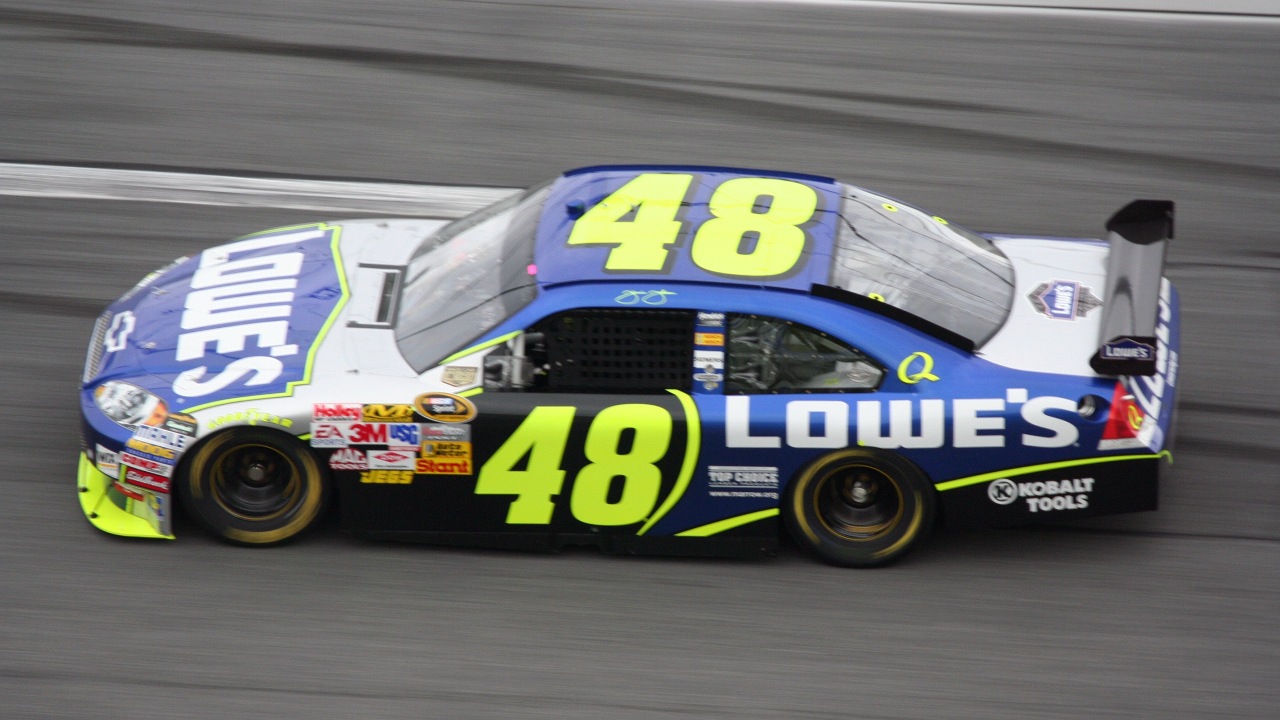
Johnson’s decision to add the 2026 Daytona 500 to his calendar is not an isolated cameo, it is a cornerstone of a selective schedule that he continues to shape around high-impact events. He has already confirmed that the 500 is part of his 2026 plans, framing it as a key pillar rather than a last-minute addition. That clarity allows Legacy Motor Club to plan resources, personnel, and simulator time around his entry, and it gives Johnson a defined target for his preparation, from physical conditioning to time in the car at other tracks that can sharpen his race rhythm.
By explicitly adding Daytona to his 2026 slate, Johnson is also signaling that his part-time Cup career remains active and intentional rather than drifting. The 500 is the season opener for The NASCAR Cup Series, and building a schedule that begins with the sport’s biggest race keeps him in the center of the conversation from the moment the year starts. It also offers a natural anchor point for any additional starts he might make, whether at other drafting tracks or at venues where his historical strengths, like intermediate ovals, could still translate into competitive runs. Even without a full list of races publicly locked in, the confirmation that Daytona is on the board gives shape and credibility to his ongoing Cup ambitions.
Legacy, risk, and the challenge of qualifying at 50
Every time a champion returns for another Daytona attempt, the calculus of legacy versus risk comes into play, and Johnson’s 2026 commitment is no exception. With seven Cup Series titles already secured, he has nothing left to prove in a historical sense, yet he is choosing to re-enter one of the most chaotic environments in motorsports. The Daytona 500 is notorious for multi-car incidents that can erase even the best-prepared efforts in an instant, and the qualifying process itself can be unforgiving for part-time entries that miss the setup by a fraction. Johnson’s willingness to expose his reputation to that volatility at 50 suggests that he values the competitive thrill and the possibility of one more defining moment more than he fears a quiet DNQ or an early-race crash.
From a performance standpoint, the challenge is steep but not insurmountable. Johnson’s deep experience in the draft, his prior victories in the 500, and his familiarity with Daytona’s unique rhythm all provide a foundation that younger drivers simply do not have. At the same time, the current Cup field is stacked with superspeedway specialists who have grown up in the era of tightly regulated aero packages and data-driven pack racing. To earn a spot in the 500 and then survive 200 laps at the front, Johnson will have to blend his old-school instincts with the modern techniques and strategies that teams now deploy in the draft. The fact that he is still willing to engage with that learning curve, rather than rest on his past Daytona triumphs, is a telling indicator of how he views his competitive window.
What Johnson’s commitment means for Daytona and the Cup field
Johnson’s confirmed presence in the 2026 Daytona 500 mix instantly elevates the event’s narrative, particularly for fans who followed his prime years and for younger viewers who know him more as a legend than an active contender. His entry adds another storyline to a race that already serves as the season’s tone-setter, and it gives broadcasters and competitors alike a familiar benchmark when assessing the strength of the field. When a seven-time champion chooses to strap back in for the 500, it reinforces Daytona’s status as the one race that can still lure even semi-retired stars back into the fray.
For the current Cup grid, Johnson’s return is both an opportunity and a measuring stick. Younger drivers get a chance to race directly against a standard-bearer from the previous era, while veterans who overlapped with his championship run can gauge how their own games have aged relative to his. The presence of a high-profile part-time entry also raises the competitive bar for other open teams trying to qualify, since one of the available spots will be occupied by a driver with elite credentials and a well-backed program. In that sense, Johnson’s locked-in Daytona plan does more than extend his own story, it subtly reshapes the competitive landscape of Speedweeks and adds another layer of intrigue to the 500’s already crowded plotline.