
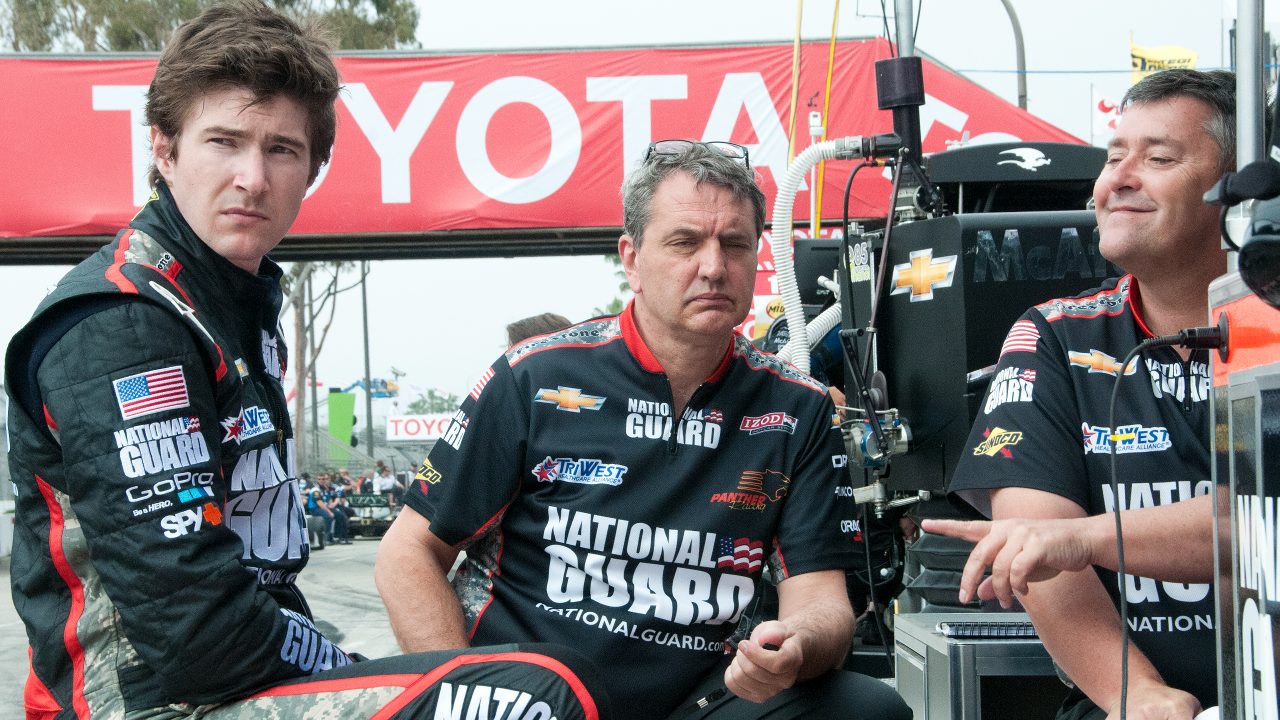
JR Hildebrand has spent his career chasing the edge of what a race car and a driver can do, and his latest chapter might be his most surprising yet. After years defined by open-wheel speed and Indianapolis glory and heartbreak, he has turned a one-off mountain experiment into a bridge from IndyCar to Pikes Peak and on to stock cars in NASCAR. His path is less a clean break than a layered reinvention, built on curiosity, technical fluency, and a willingness to start over on unfamiliar ground.
What looks from the outside like a zigzagging résumé is, in practice, a deliberate progression that connects some of the most demanding disciplines in motorsport. Hildebrand has treated each move as a way to test himself in a new environment, then carry those lessons forward, whether that means threading a car through 156 corners on a mountain or coaxing speed from a heavy stock car that once lived its life on an oval.
From Indy near-miss to a racer in search of more
Hildebrand’s story still starts, for most fans, with the final corner of the Indianapolis 500. As a rookie, he came within one turn of winning the race, only to hit the outside wall and see the victory slip away, a moment that has followed him through every subsequent chapter of his career. That near miss, and the fact that he has returned to the Indianapolis 500 multiple times since, anchors him as an Indy specialist even as his ambitions have stretched far beyond a single event.
His broader record underlines that he is more than a one-moment footnote. Hildebrand has started the Indianapolis 500 twelve times, part of a portfolio that also includes endurance events like the 24 Hours, and he has built up significant 500-mile experience that few active drivers can match. Coverage that asks, “Has JR Hildebrand won the Indy 500?” still circles back to that 2011 heartbreak, but it also notes how often Hildebrand has been trusted with competitive entries and how his Indy earnings reflect a long-term presence at the top level rather than a fleeting cameo.
A bucket-list year that cracked open new disciplines
The pivot away from a full-time IndyCar identity did not happen overnight. When a regular seat disappeared, Hildebrand chose not to wait by the phone. Instead, he built what he described as a bucket-list year, sampling different machinery and surfaces to rediscover why he wanted to drive in the first place. That decision reframed his career from chasing one series contract to chasing the most interesting challenges he could find.
Reporting on that period notes that, without a fulltime ride, Hildebrand deliberately went looking for “other cars, anywhere, on any surface,” a mindset that set the stage for everything that followed. The same sources describe how Hildebrand used that season to reset his relationship with driving, trading the security of a single series for the variety of sprint cars, sports cars, and one-off projects. That willingness to be a beginner again, even after years at Indianapolis, is what made his later leap to Pikes Peak feel like a logical extension rather than a random detour.
Why Pikes Peak became the proving ground
When Hildebrand arrived at Pikes Peak, he was stepping into one of the most unforgiving events in motorsport. The course is famous for its 156 turns, a number that hints at how relentlessly it tests a driver’s concentration and adaptability. For someone used to the rhythm of ovals and road courses, the mountain offered a different kind of challenge, one where altitude, weather, and narrow margins punish even small misjudgments.
Accounts of his early runs up the mountain emphasize how quickly he adapted to that environment. On the shortened course used on race day, Hildebrand and his team delivered the fourth-fastest time in Pikes Peak Open, a result that signaled he was not treating the event as a novelty. The official PPIHC recap notes that “On the” race configuration, “Hildebrand and” his crew executed at a level that put them near the front of a specialized class, reinforcing that his mountain campaign was built on preparation and engineering detail rather than celebrity curiosity.
From mountain switchbacks to stock car nostalgia
The real twist in Hildebrand’s Pikes Peak chapter is the car he chose to drive. Instead of a bespoke hill climb special, he helped bring a classic NASCAR stock car to the mountain, turning a piece of oval history into a weapon for a 156-turn sprint to the clouds. The contrast between the tight, unforgiving road and the big, blunt instrument of a stock car created exactly the kind of technical puzzle that has always appealed to him.
One of the most vivid examples is the project built around Kyle Petty’s 1999 NASCAR Hot Wheels Pontiac Grand Prix, a car that originally ran from 1997 through 2000 and has since been restored as an homage to turn-of-the-century stock car racing. That Hot Wheels Pontiac Grand Prix was never designed for hairpins and altitude, yet Hildebrand’s Pikes Peak program treated it as a platform to be re-engineered rather than a museum piece. Coverage of his mountain efforts notes that the 156 turns of Pikes Peak may not resemble the orange plastic of a Hot Wheels set, but the visual of a classic NASCAR body carving up the hill drew fans who might otherwise have overlooked a niche hill climb.
The technical mindset behind an “Unconventional Journey”
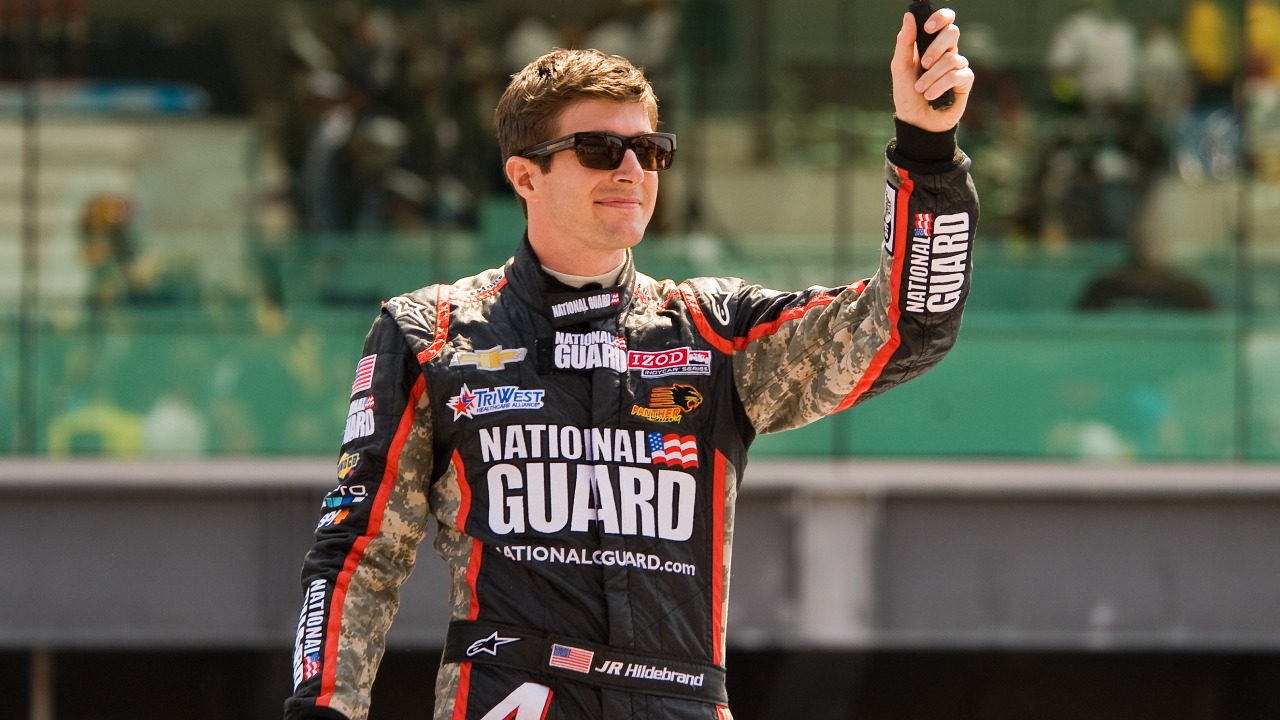
What ties these moves together is not just a taste for variety but a specific way of thinking about cars. Hildebrand has long been described as a driver who thrives on the engineering side of the sport, someone who wants to understand how changes in setup, aero balance, and power delivery translate into lap time. That mindset is especially valuable when you are trying to make a heavy stock car behave on a mountain road or translate open-wheel instincts into a discipline where the car rolls and moves very differently.
A profile of his recent seasons frames this as an “Unconventional Journey” from IndyCar to Pikes Peak and NASCAR Triumphs in 2025, arguing that Hildebrand’s craving for innovation and challenge has been the throughline. The same reporting notes that Hildebrand has long been wired to chase new problems to solve rather than simply defend a status quo. That is why the combination of Pikes Peak and NASCAR, which might look like a branding exercise for another driver, instead reads as a natural extension of his habit of treating every car as a laboratory.
How Pikes Peak opened the door to NASCAR
The bridge from the mountain to the stock car world runs in both directions. By proving that a NASCAR chassis could be competitive and compelling on Pikes Peak, Hildebrand not only broadened the appeal of the hill climb but also reminded stock car insiders that their machinery could live interesting lives away from ovals. That, in turn, helped him build relationships and credibility with NASCAR teams and partners who saw in him a driver comfortable with both the technical and promotional sides of such a crossover.
Detailed coverage of his recent career notes that few modern racers have embraced this kind of cross-pollination as fully as Hildebrand. While he is still best known for his IndyCar background, his name has become increasingly associated with Pikes Peak and with creative uses of NASCAR hardware. One feature on his career arc points out that “Few” contemporary drivers match his appetite for experimentation and that “While” his open-wheel résumé remains the headline, his work on the mountain and with stock cars has given him a second identity that is just as compelling. That same piece on how Hildebrand pivoted from IndyCar to Pikes Peak and to NASCAR once he got there underscores that the mountain was not an endpoint but a launchpad.
Reframing what a modern American racer can be
Hildebrand’s trajectory matters beyond his own results sheet because it challenges the idea that a driver must be defined by a single series. In an era when many careers are tightly siloed, he has shown that it is possible to move from the Indianapolis 500 to a mountain hill climb to NASCAR without treating any of them as a mere side hustle. Each discipline has demanded full commitment, and each has fed the next, creating a feedback loop of experience that makes him more versatile, not more diluted.
Profiles of his recent seasons emphasize that he has become a kind of case study in how to build a multi-platform career without losing competitive edge. One long-form look at how JR Hildebrand pivoted from IndyCar to Pikes Peak and to NASCAR once he got there describes how the 156-turn mountain run, the classic NASCAR projects, and his enduring connection to Indianapolis have combined into a coherent narrative rather than a scattershot résumé. That analysis notes that How JR Hildebrand approached each step, from Pikes Peak Open to NASCAR, reflects a racer who is less interested in fitting into a box than in expanding what that box can contain.



Leave a Reply