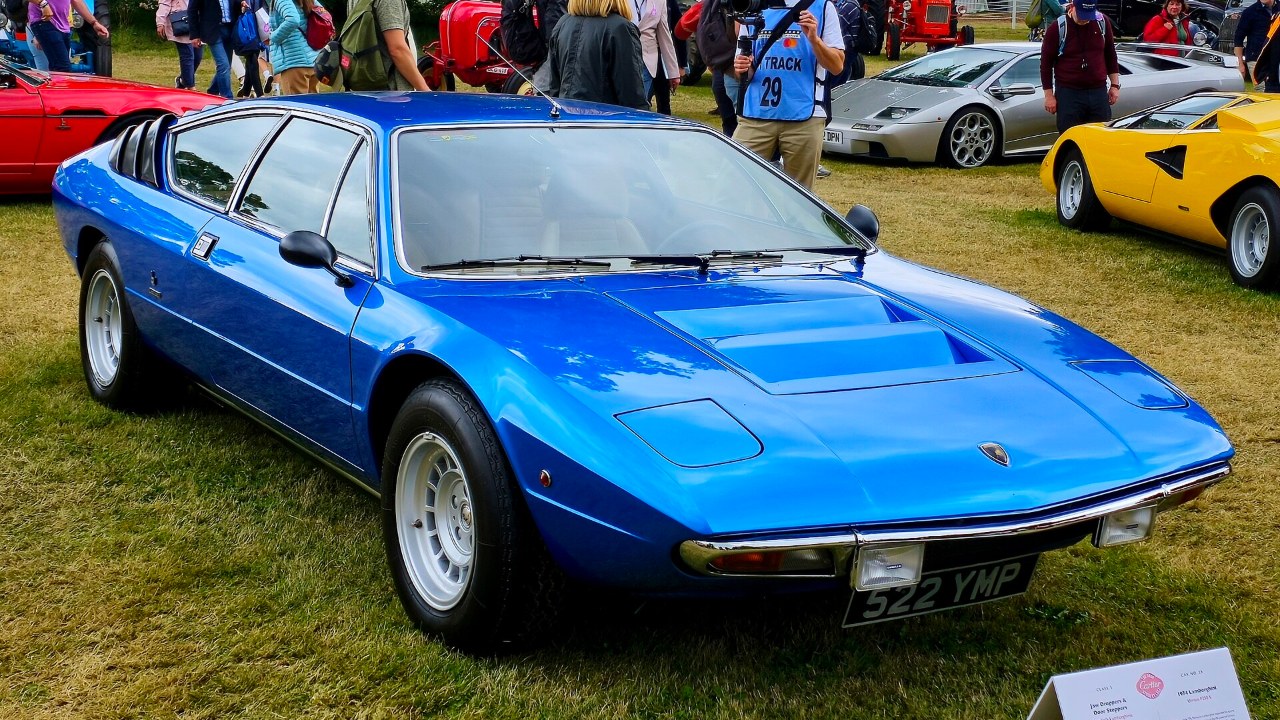
Italy’s big names sold well, but plenty of their smaller, stranger or later-arriving cars never got the same welcome. The Lamborghini Urraco is the classic case, and ten more Italian sports cars from 1967 to 1991 had similar luck. Most of them landed in a recession, lived in a rival’s shadow or looked too odd for their moment.
Each entry below sticks to the record: build counts where they exist, plus the reasons period tests and histories give for slow sales. Some of those reasons were the car’s own fault, while others came down to bad timing.
1. 1972–1979 Lamborghini Urraco
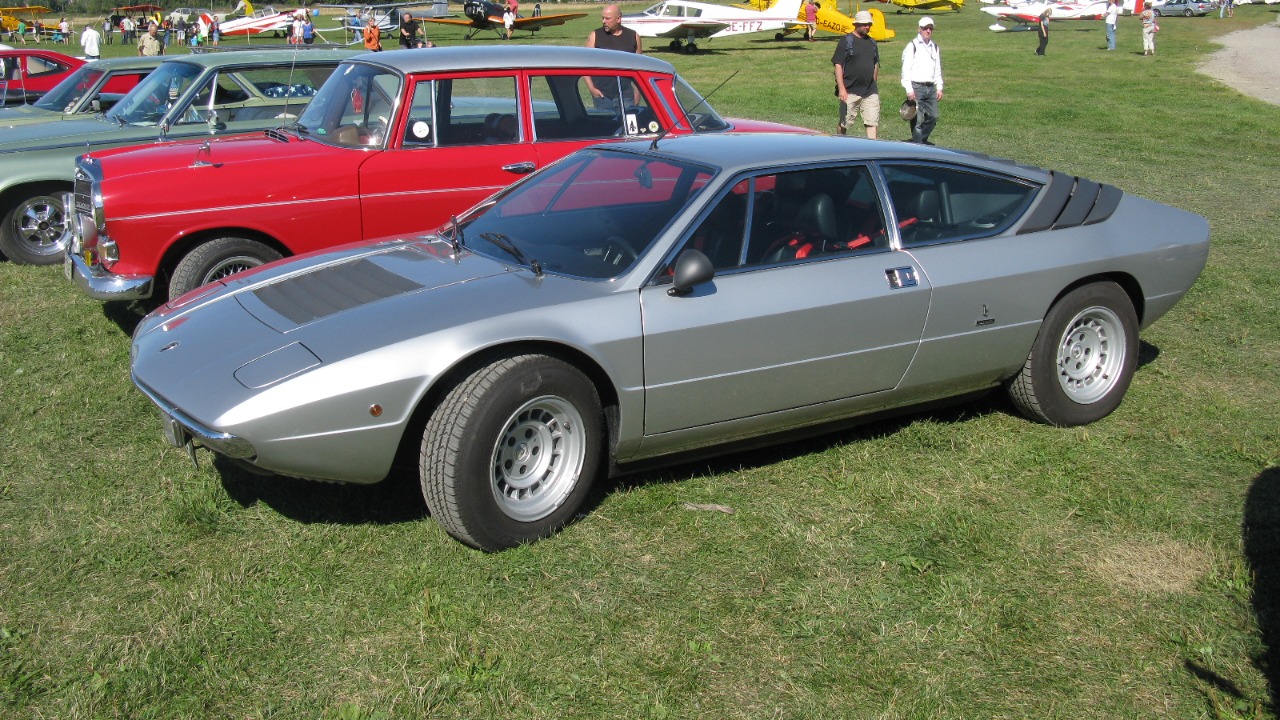
The Lamborghini Urraco was the brand’s smaller, more practical car, a mid-engined 2+2 with a compact all-aluminum V8. Paolo Stanzani engineered it, and Marcello Gandini styled it at Bertone. However, the early P250 had quality and reliability problems that hurt its name.
Then the 1973 oil crisis hit. According to AutoZine’s history of the Urraco, the 2,463 cc P250 made 220 hp, and the later 2,996 cc P300 made 265 hp. Fewer than 800 were built across the P200, P250 and P300. By comparison, Ferrari’s 308 GT4 sold about 2,800.
2. 1973–1982 Maserati Khamsin
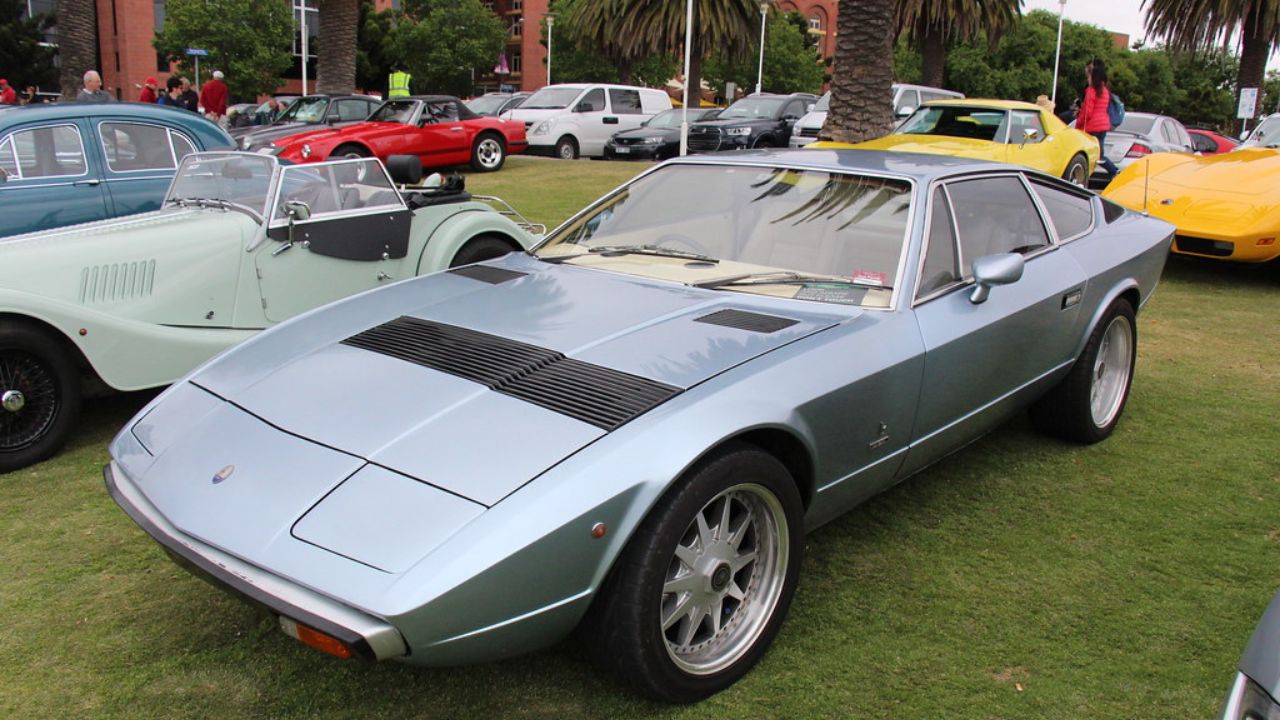
The Khamsin had a front-mounted V8 set behind the front axle, which gave it near 50/50 weight balance. Citroën, Maserati’s owner at the time, supplied hydraulics for the steering, brakes and clutch. That brake system drew wide criticism, because it responded to pedal pressure rather than pedal travel.
AutoZine notes that the 4,930 cc quad-cam V8 made 320 hp in its final form, and Gandini drew the body at Bertone. Still, the car launched into an energy crisis and a recession. Later, De Tomaso took over and had no money for engine upgrades. In all, Maserati built 430.
3. 1974–1982 Lancia Beta Montecarlo
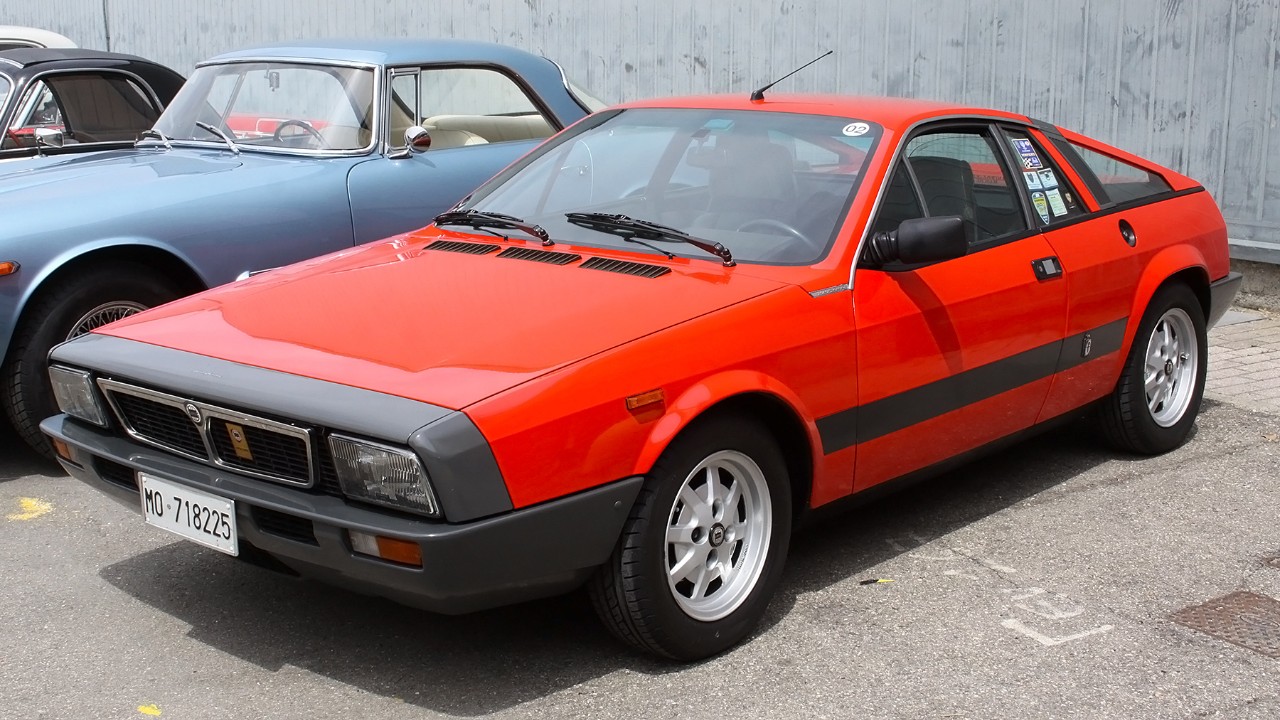
Lancia gave this one a Pininfarina-designed body and put the engine in the middle. It came as a coupe or as a Spider with a roll-back targa-style top. In the United States, Lancia sold the Spider as the Scorpion in 1976 and 1977, so American buyers met it under a different name.
Production stopped in 1979 and resumed for a second series. According to Supercars.net, the first series ran to 2,080 coupes and 3,558 targas. After the break, the second series added only 1,123 coupes and 817 targas.
4. 1968–1970 Lamborghini Islero
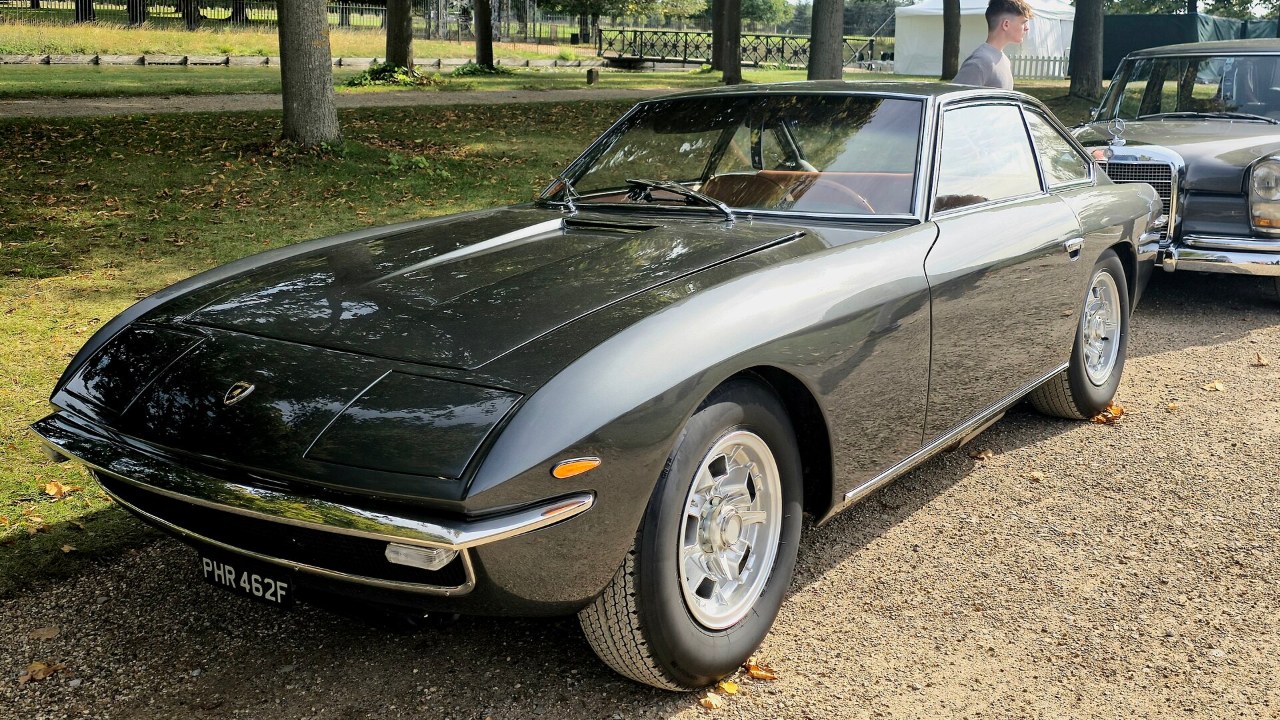
The Islero arrived at the 1968 Geneva show as Lamborghini’s front-engined grand tourer. Carrozzeria Touring had closed by then, so Lamborghini hired former Touring staff led by Mario Marazzi to build the body. The car kept the 400 GT 2+2’s wheelbase and square-tube chassis.
Under the hood sat a 4.0-liter four-cam V12, designed by Giotto Bizzarrini and refined by Giampaolo Dallara, with six Weber carburetors. Conceptcarz lists 320 hp for the Islero and 350 hp for the 1970 Islero S. Even so, Lamborghini built only 125 in all.
5. 1982–1988 Lamborghini Jalpa
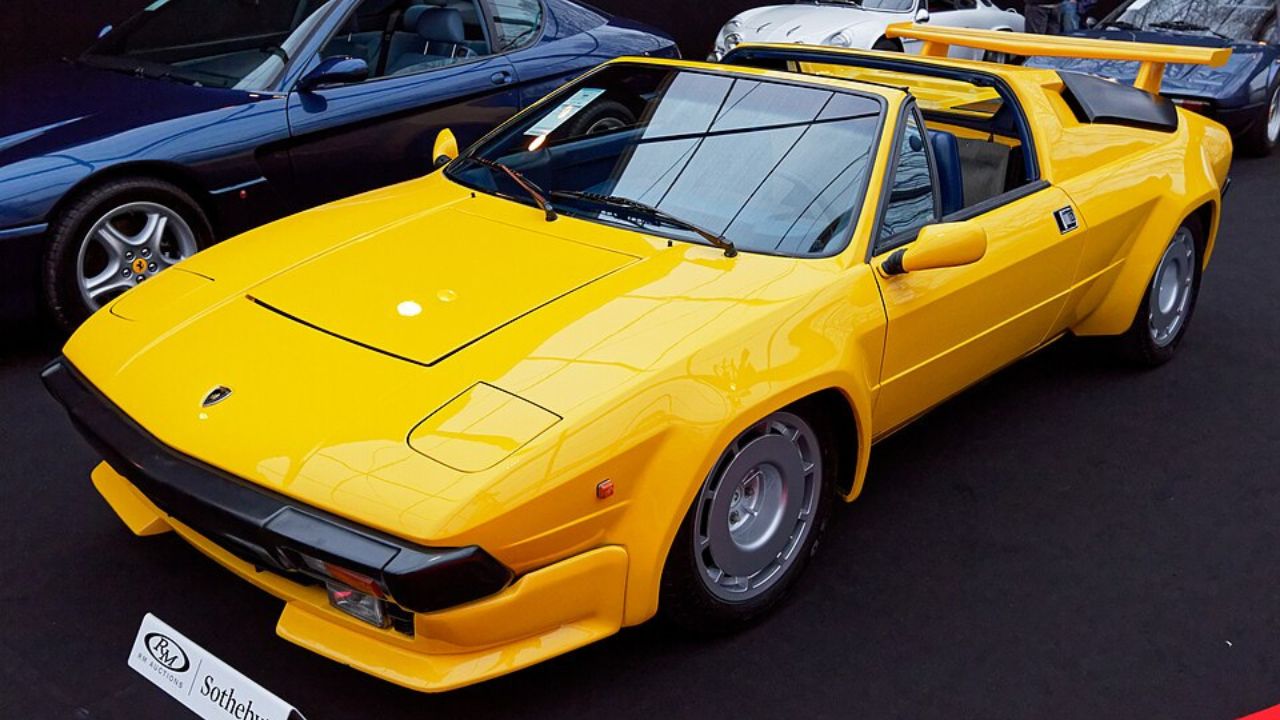
The Jalpa was Lamborghini’s entry-level car, aimed squarely at Ferrari’s 308 and 328 GTB. It grew out of the Silhouette, which sold just 52 units. Bertone gave it an angular new body, and Lamborghini dropped the rear seats to make it a two-seater.
Its V8 grew to 3,485 cc and made 255 hp at 7,000 rpm, according to AutoZine. That kept it behind the four-valve 328 and its 270 hp. A heavy clutch and a clunky shifter also counted against it. Lamborghini finished with 410 built.
6. 1970–1975 Alfa Romeo Montreal
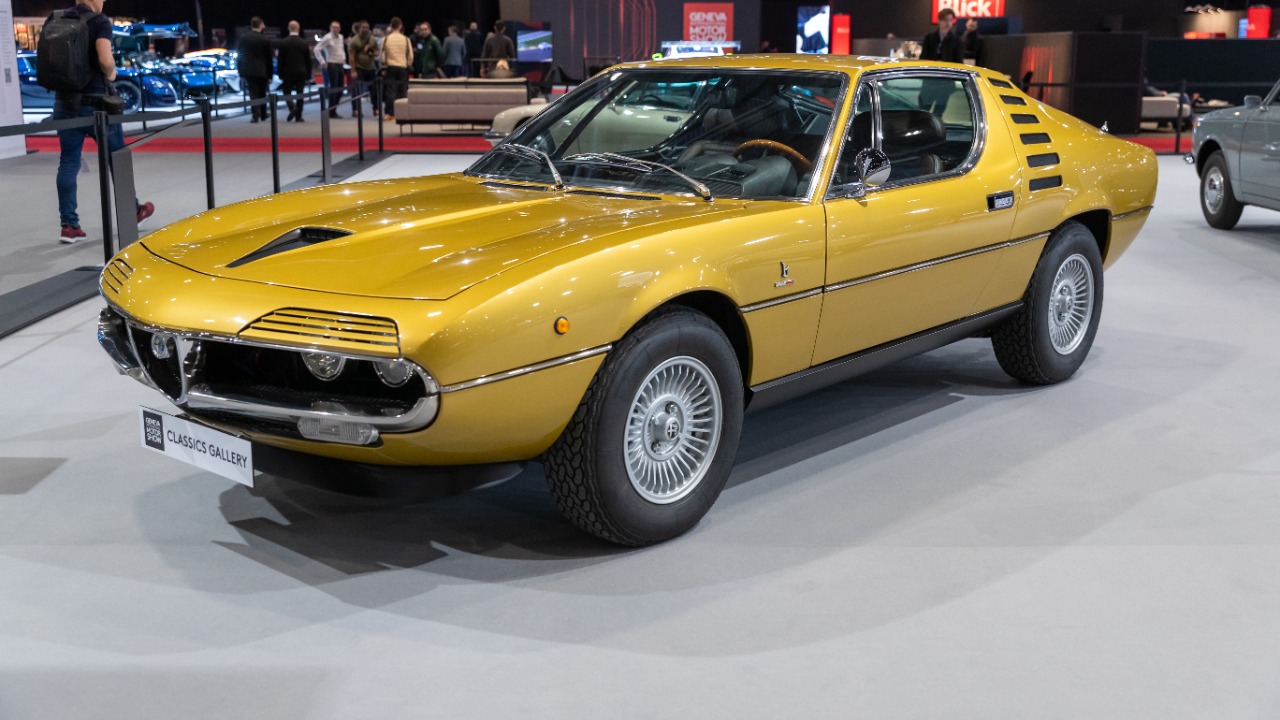
The Montreal took its name from a concept shown at Expo 67 in Montreal, but the production car was very different. The concept was mid-engined with a 1.6-liter four. Instead, the road car put a V8 up front, and Gandini styled it at Bertone.
That V8 came from the Tipo 33 Stradale, enlarged to 2,593 cc and tuned for torque. It made 200 hp, but the car weighed 1,285 kg. AutoZine cites Autocar’s 0-60 mph time of 7.6 seconds, slower than rivals such as the Dino 246 GT and Porsche 911 S. In the end, Alfa built 3,925.
7. 1973–1980 Ferrari 308 GT4
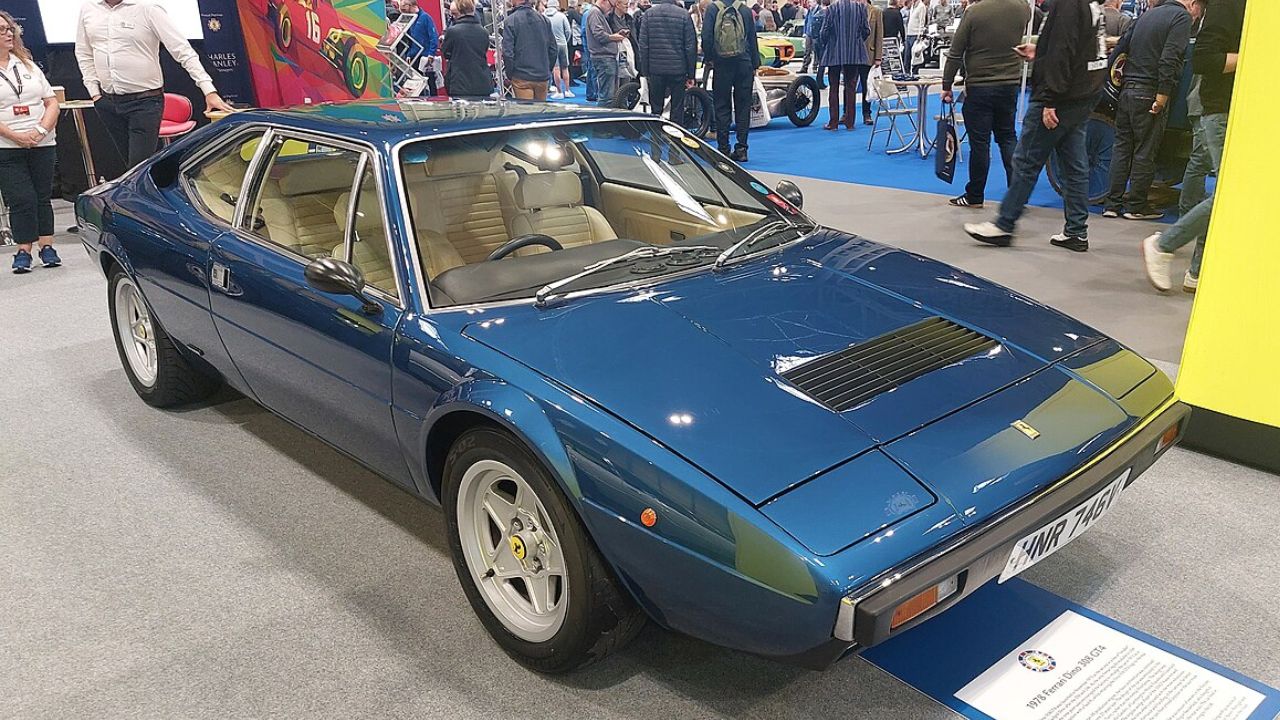
The 308 GT4 broke from Ferrari habit, because Bertone styled it instead of Pininfarina. Its angular wedge shape split opinion. It was also Ferrari’s first mid-engined 2+2, although the Lamborghini Urraco got there first overall.
Ferrari claimed 255 hp at 7,700 rpm from its 2,926 cc V8, and the figure was later quoted at 230 hp. AutoZine counts 2,826 built and calls it an unsung hero in Ferrari’s history. Later, the Mondial overshadowed it on styling and rear-seat comfort.
8. 1967–1969 Fiat Dino Spider
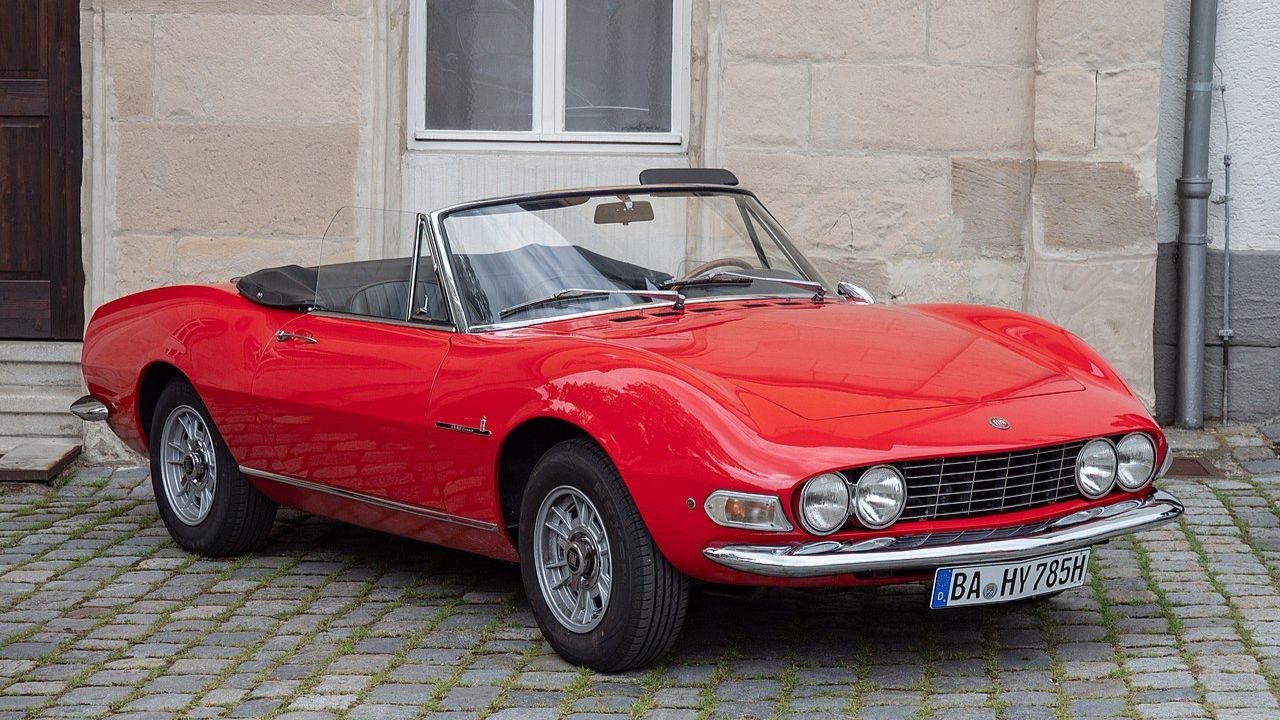
This Fiat exists because of a racing rule. New FIA rules said a Formula 2 engine had to share its block with at least 500 road-car engines, which Ferrari couldn’t build alone. Fiat built the road engine instead, and it went into both the Ferrari Dino 206 GT and the Fiat Dino.
Pininfarina styled the Spider, and the Series 1 car used a 1,987 cc V6 with 160 hp. According to AutoZine, Fiat rushed it to meet the deadline. That left it underdeveloped, with poor quality and reliability. The cars were also expensive, which hurt sales.
9. 1989–1991 Alfa Romeo SZ

The SZ divided people on sight, and the Italian press called it “monster.” Fiat’s design studio beat Zagato and Alfa’s own studio in a contest to style it. Zagato then handled final assembly, while Alfa and its racing arm Autodelta did the engineering.
The body used composite panels bonded to a steel chassis, with an aluminum roof. Power came from a 2,959 cc V6 rated at 210 hp, according to AutoZine. Alfa built 1,036 SZ coupes and later added 278 RZ convertibles.
10. 1981–1989 Alfa Romeo GTV6
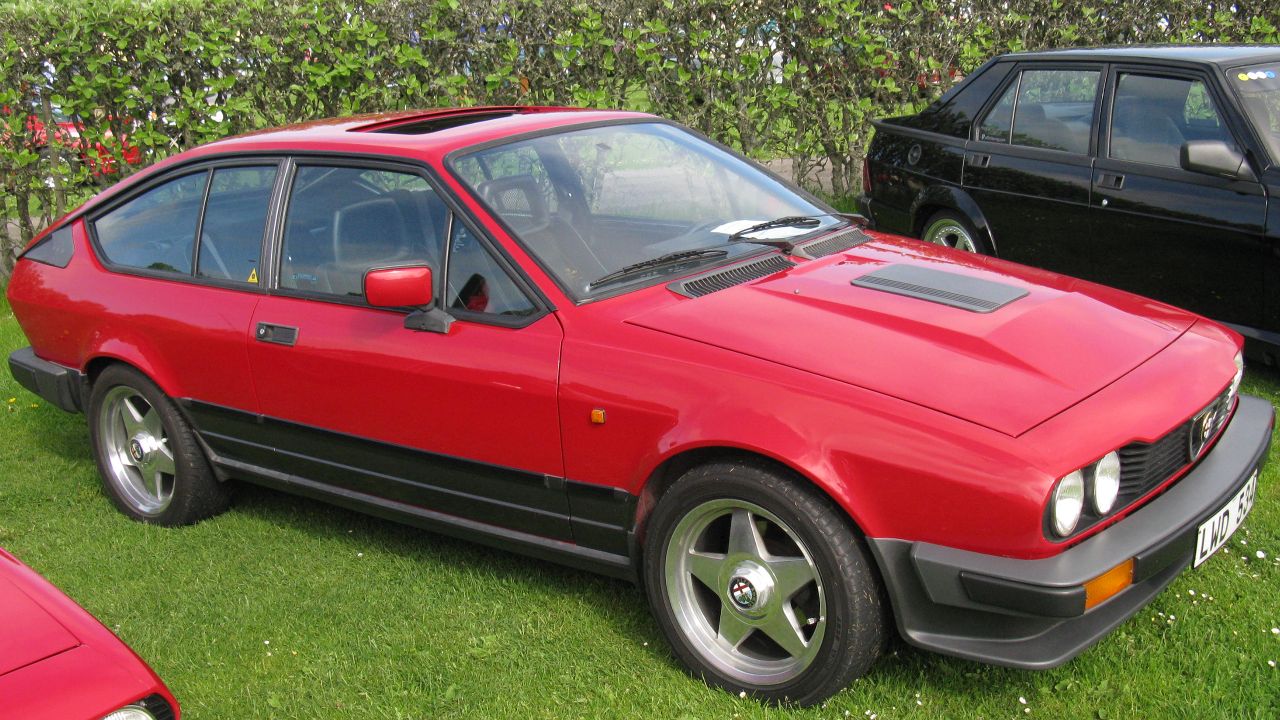
The GTV6 was the V6 flagship of the Alfetta coupe, a Giugiaro design that mostly sold with four-cylinder engines. Its transaxle put the gearbox, clutch and differential at the rear axle for near-ideal balance. Meanwhile, the de Dion rear end replaced a live axle.
The 2,492 cc V6 made 160 hp, and journalists praised it as smooth and free-revving. Yet AutoZine counts only 21,695 GTV6s. By contrast, Alfa built about 135,000 Alfetta GT and GTV coupes of all types from 1974 to 1989.
11. 1972–1983 Maserati Merak

The Merak was the smaller sibling of the Bora, sharing its wheelbase, front end and brakes. Giugiaro designed the body, but the rear was completely new. Much of the hardware also came from Citroën, including the instruments, brakes, steering wheel and transmission.
It debuted at the 1972 Paris show and stayed in production until 1983. According to Supercars.net, its 2,965 cc V6 was the same engine used in the Citroën SM, and it made 190 bhp at 6,000 rpm. For Italy, Maserati also built a Merak 2000 GT with a detuned engine to dodge high taxes.
More from Fast Lane Only