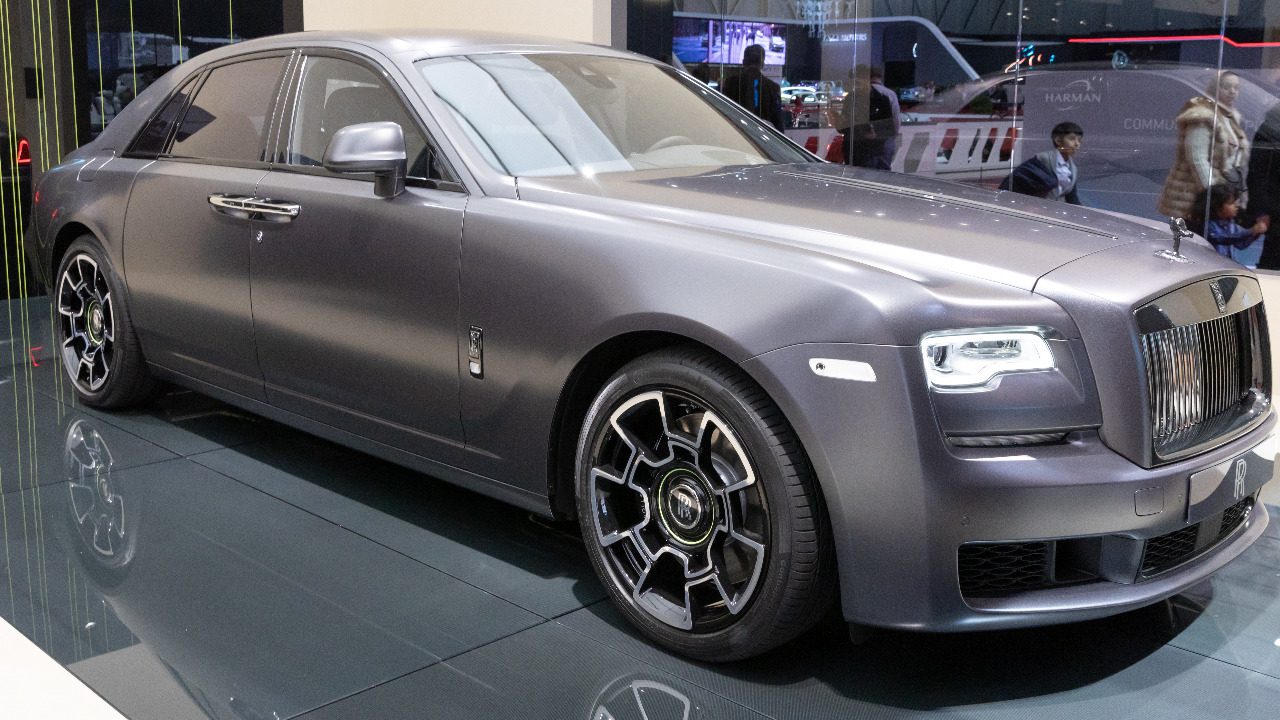
Luxury cars often promise exclusivity, but sometimes they share more with economy models than they let on. From platform sharing to parts bin raiding, high-end vehicles sometimes borrow from their more affordable siblings. Here are ten luxury cars that secretly shared parts with economy models, proving that sometimes even the most prestigious brands cut costs in unexpected ways.
Audi A3 and Volkswagen Golf
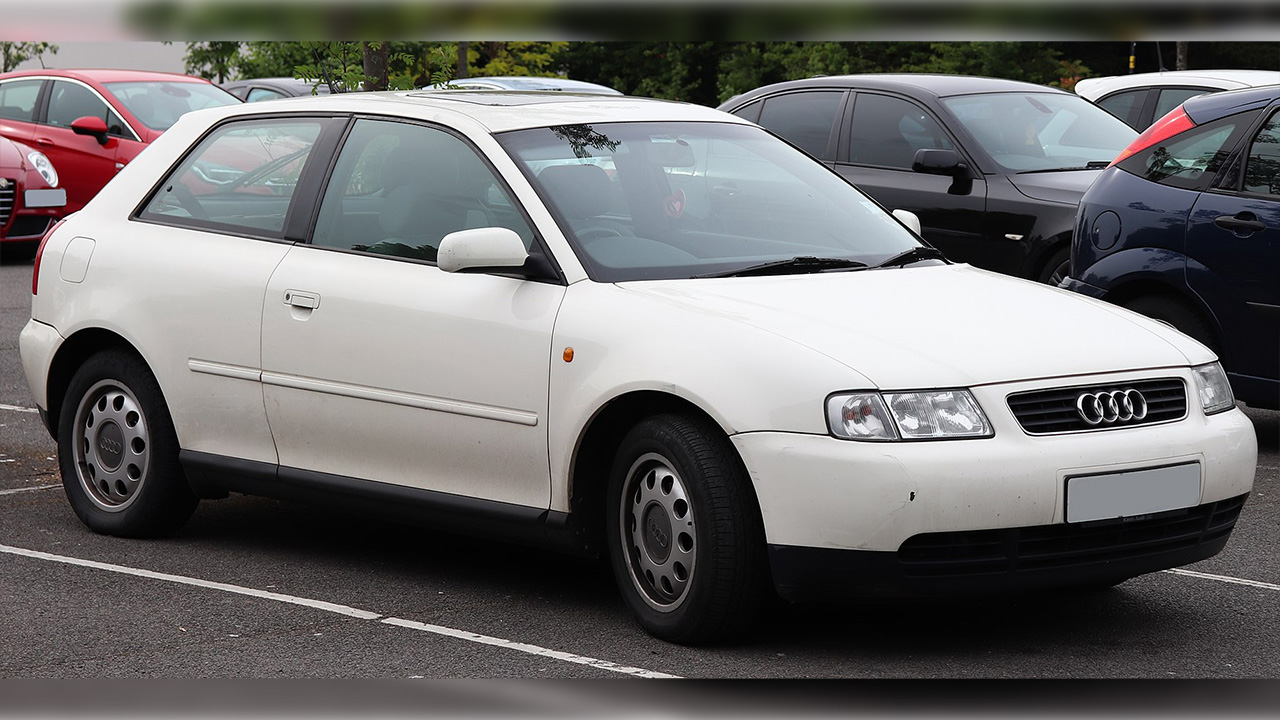
The Audi A3, known for its premium appeal and sophisticated design, shares its underpinnings with the Volkswagen Golf. Both models are built on the Volkswagen Group’s MQB platform, a modular architecture designed for transverse, front-engine, front-wheel drive cars. This shared platform allows Audi to maintain a premium feel while benefiting from the cost efficiencies of mass production.
Since its introduction, the Audi A3 has leveraged this platform to offer a blend of luxury and performance, while the Volkswagen Golf remains a staple in the compact car segment. This collaboration between the two models showcases how shared components can lead to diverse yet successful vehicles.
Porsche Cayenne and Volkswagen Touareg
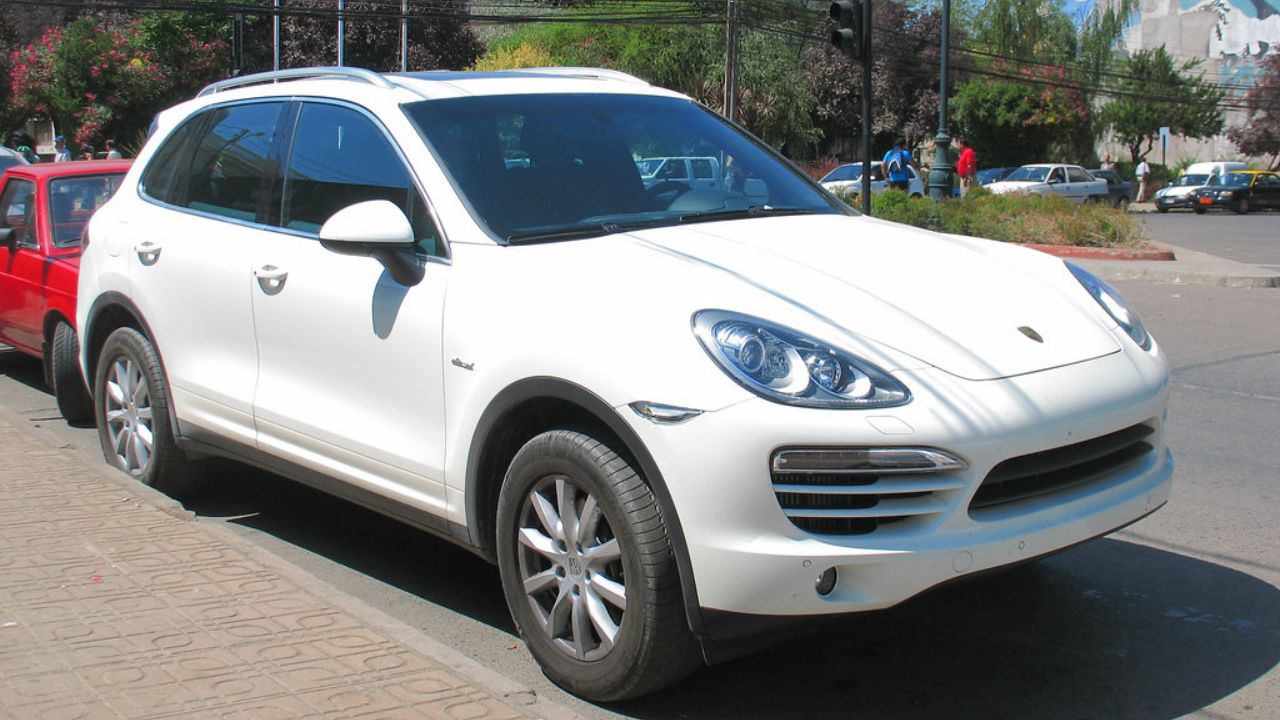
The Porsche Cayenne and Volkswagen Touareg may seem like unlikely siblings, but they share a significant connection. Both luxury SUVs were developed as part of a joint venture between Porsche and Volkswagen and are built on the same platform. This shared DNA provides both models with a robust foundation for off-road capability and on-road performance.
Despite their shared underpinnings, the Cayenne and Touareg cater to different markets. The Cayenne focuses on delivering a sports car-like driving experience in an SUV body, while the Touareg offers a more utilitarian and family-friendly approach. This partnership highlights how strategic collaboration can yield distinct yet successful vehicles.
Bentley Continental GT and Volkswagen Phaeton
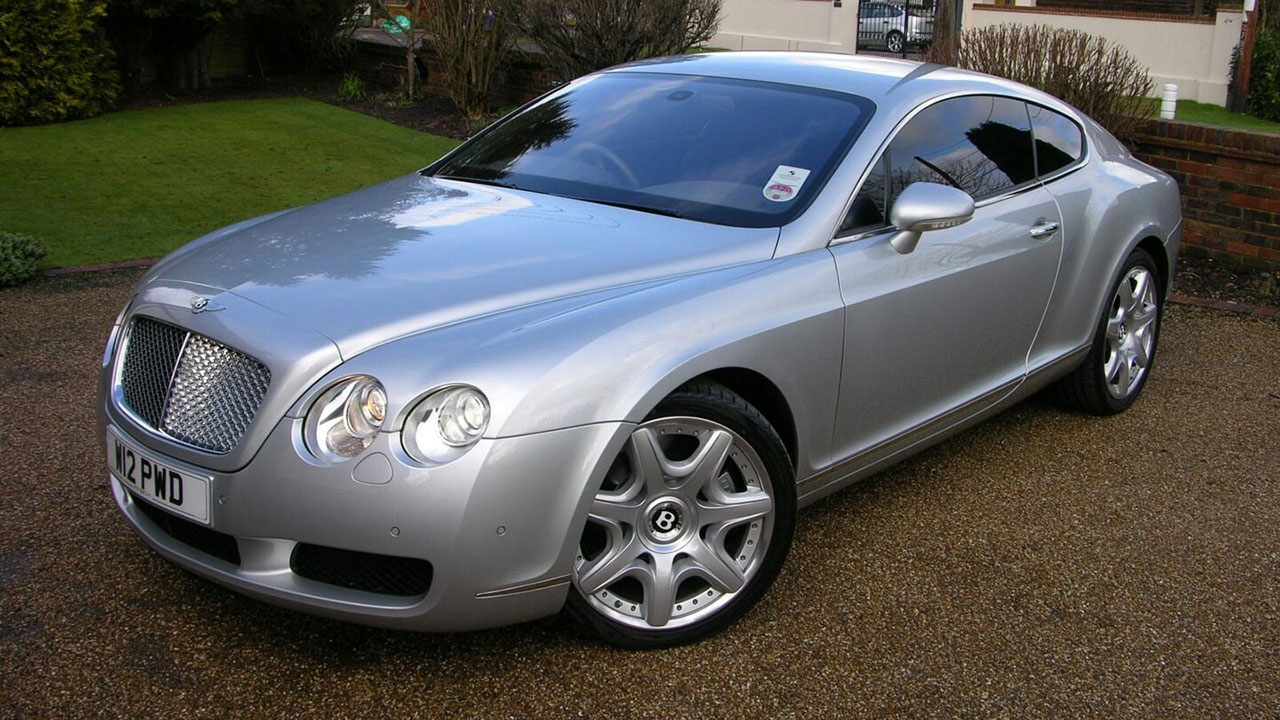
The Bentley Continental GT, a symbol of luxury and performance, shares its platform with the Volkswagen Phaeton, a high-end sedan that was less well-known. Both cars were developed under the Volkswagen Group’s ownership and utilized the D1 platform, which was instrumental in delivering their impressive ride quality and performance.
This shared architecture allowed Bentley to focus on craftsmanship and luxury features while benefiting from the Phaeton’s engineering. The Continental GT has since become a flagship model for Bentley, proving that shared platforms can underpin truly iconic vehicles.
Aston Martin Cygnet and Toyota iQ
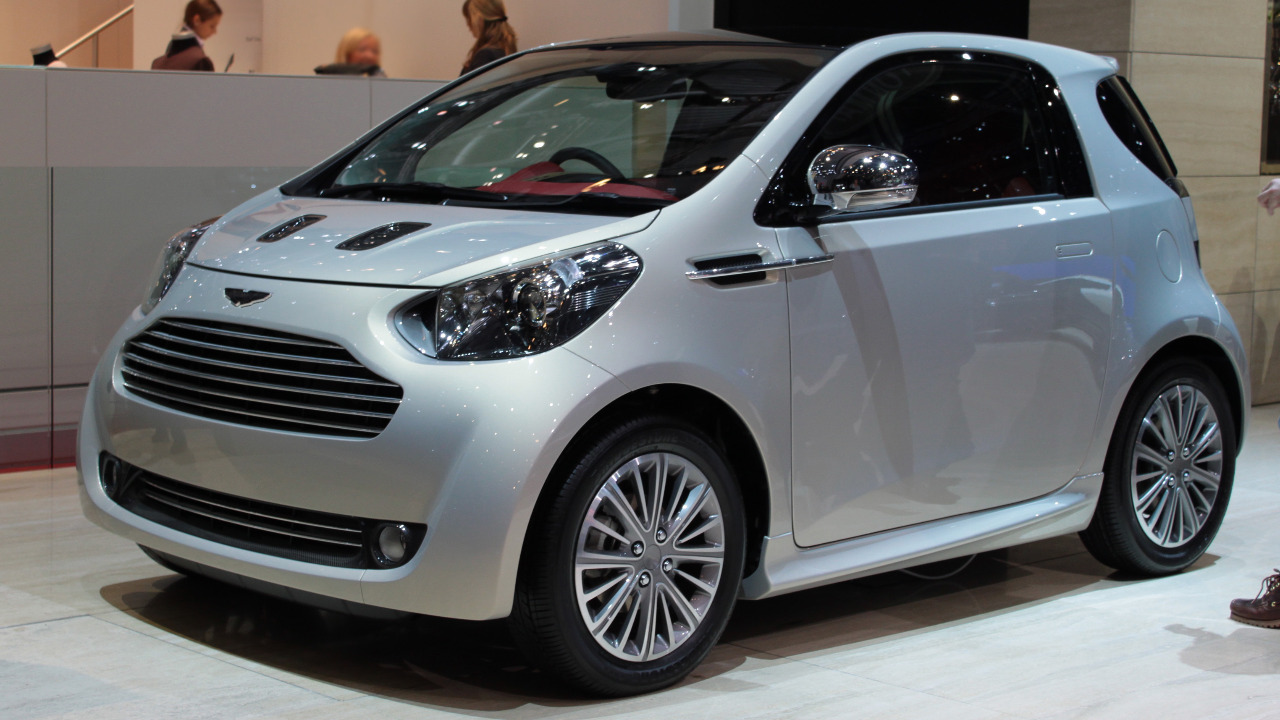
The Aston Martin Cygnet, often seen as an anomaly in the luxury brand’s lineup, is essentially a rebadged version of the Toyota iQ. Designed as a city car, the Cygnet was Aston Martin’s attempt to offer a compact vehicle with luxury touches, despite its humble origins.
By leveraging the Toyota iQ’s economical platform, Aston Martin could enter the urban vehicle market without significant investment in new development. While the Cygnet was short-lived, it remains a fascinating example of how luxury brands can adapt existing models to fit their brand ethos.
Rolls-Royce Ghost and BMW 7 Series
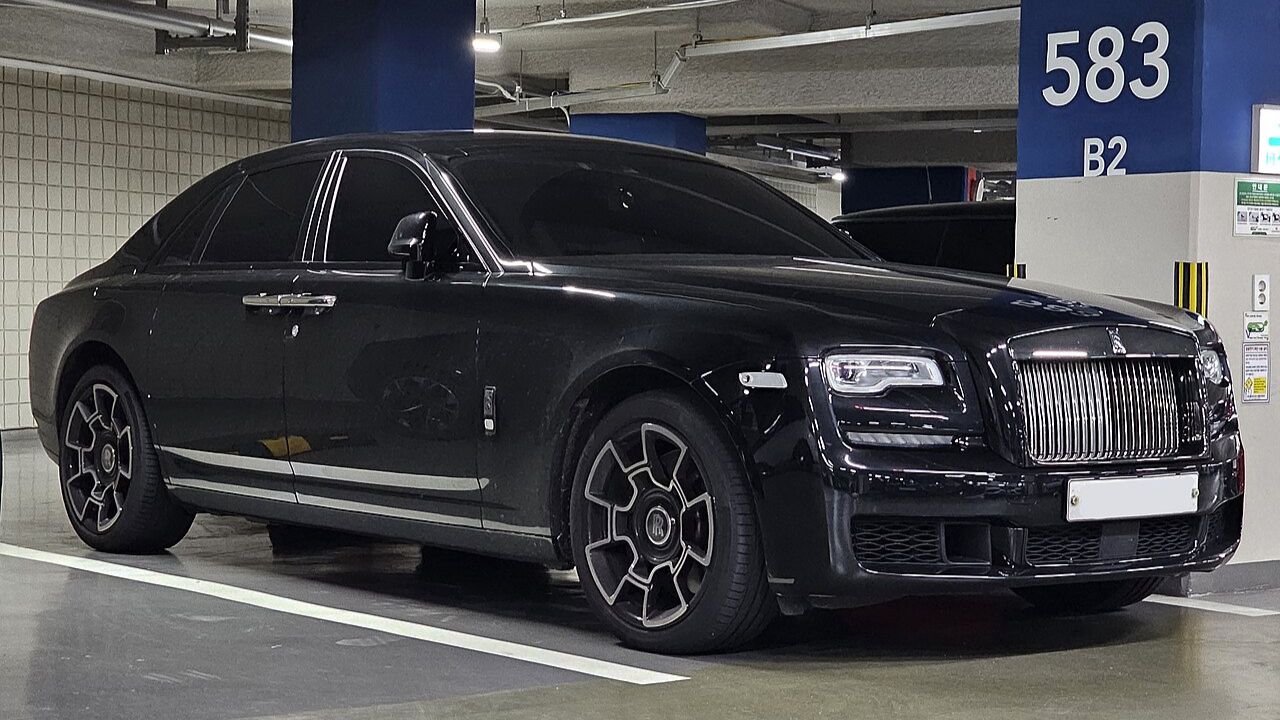
The Rolls-Royce Ghost is synonymous with opulence and exclusivity, yet it shares its platform with the BMW 7 Series. This shared foundation includes elements like the chassis and certain electronic systems, allowing Rolls-Royce to focus on delivering an unparalleled luxury experience.
Despite this overlap, the Ghost is distinctively Rolls-Royce, with bespoke design and materials that set it apart from its BMW counterpart. This collaboration demonstrates that even the most prestigious brands can benefit from sharing technology while maintaining their unique identity.
Maserati Ghibli and Chrysler 300

The Maserati Ghibli, a luxury sports sedan, shares several components with the Chrysler 300. Both models were developed during the time when Fiat Chrysler Automobiles (now Stellantis) owned Maserati, leading to shared parts like suspension systems and certain electronics.
This association allowed Maserati to benefit from existing technology while focusing on performance and luxury enhancements. The Ghibli stands out with its Italian design and spirited driving experience, proving that shared components don’t have to compromise a vehicle’s character.
Jaguar XE and Ford Mondeo

The Jaguar XE, a compact executive car, shares some of its components with the Ford Mondeo. This connection dates back to Ford’s ownership of Jaguar, during which time the two brands collaborated on various projects. The XE benefits from some of the Mondeo’s engineering, particularly in terms of suspension and chassis components.
Despite these shared elements, the Jaguar XE offers a distinctively British take on luxury, with a focus on performance and refinement. This relationship highlights how strategic partnerships can optimize production costs while delivering high-quality vehicles.
Lexus ES and Toyota Camry

The Lexus ES, a midsize luxury sedan, shares its platform with the Toyota Camry. Both vehicles are built on Toyota’s TNGA-K platform, which provides a sturdy foundation for smooth ride quality and enhanced safety features. This shared architecture allows Lexus to offer a luxury experience with the reliability and efficiency of Toyota engineering.
While the ES and Camry share some underpinnings, the Lexus model distinguishes itself with upscale materials, advanced technology, and a focus on comfort, ensuring it meets the expectations of luxury car buyers.
BMW Z4 and Toyota Supra
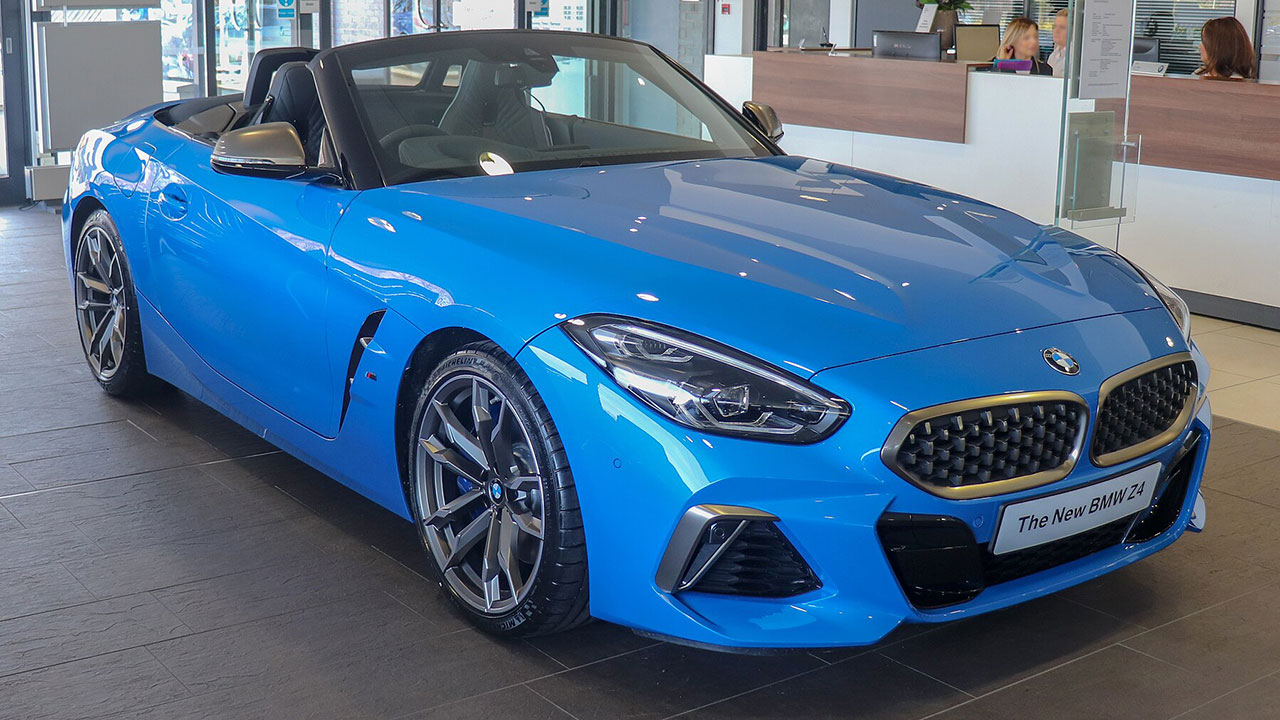
The BMW Z4 and Toyota Supra are a more recent example of cross-brand collaboration. These two sports cars were jointly developed by BMW and Toyota, sharing the same platform, engines, and many mechanical components. This partnership allowed both brands to reduce development costs while delivering exciting new models.
Despite their shared DNA, the Z4 and Supra offer different driving experiences, with the BMW focusing on open-top cruising and the Toyota on pure performance. This collaboration highlights how strategic partnerships can result in innovative and desirable products.
Mercedes-Benz CLA and Renault Twingo
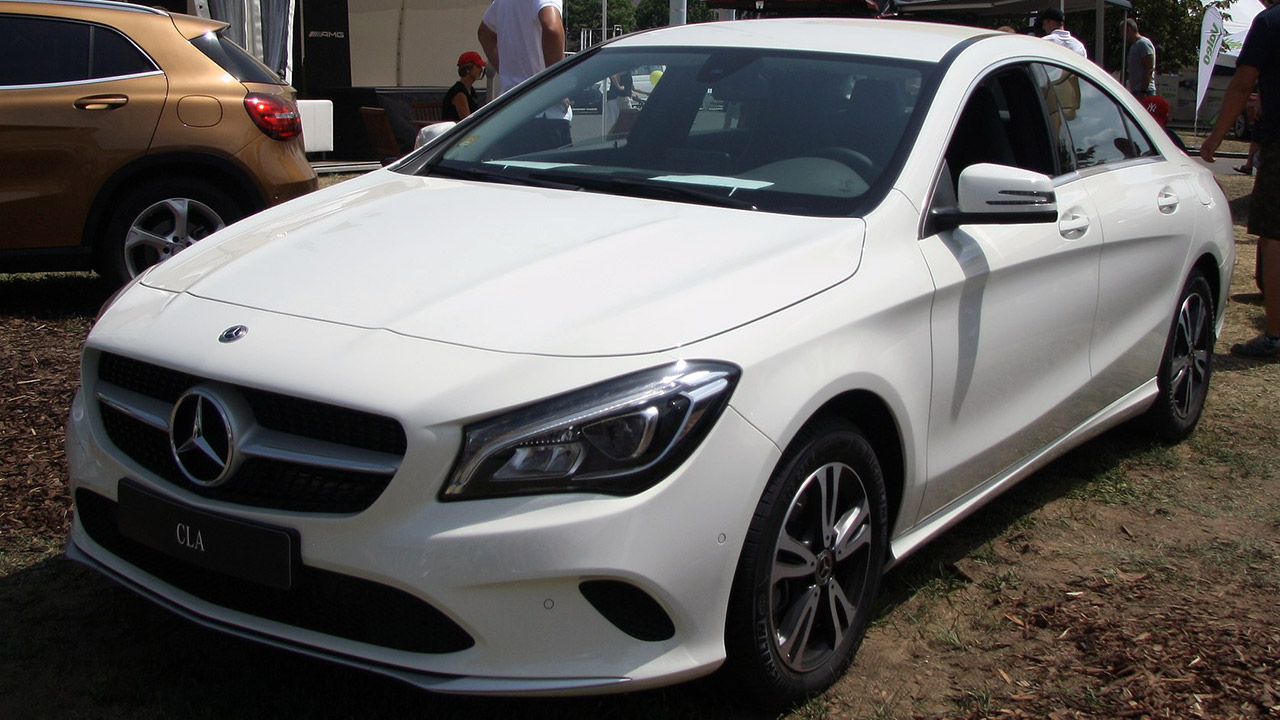
While it’s not immediately obvious, the Mercedes-Benz CLA shares some of its components with the Renault Twingo. This connection is a result of the Renault-Nissan-Mitsubishi Alliance’s collaboration with Daimler AG, which has led to shared powertrains and technology between the brands.
The CLA benefits from this partnership by incorporating efficient engines and advanced electronics, while maintaining its status as a luxury compact vehicle. This relationship underscores how luxury brands can leverage economies of scale to deliver well-rounded and competitive cars.
Like Fast Lane Only’s content? Be sure to follow us.
Here’s more from us:
*Created with AI assistance and editor review.