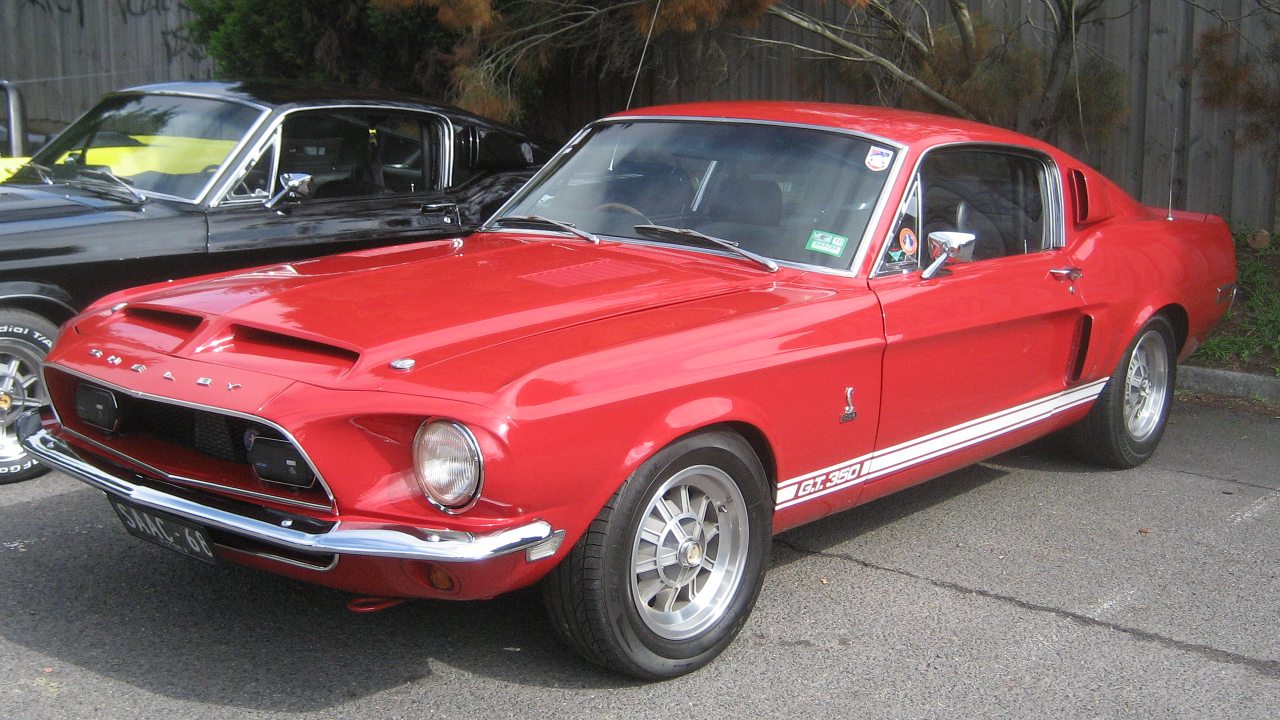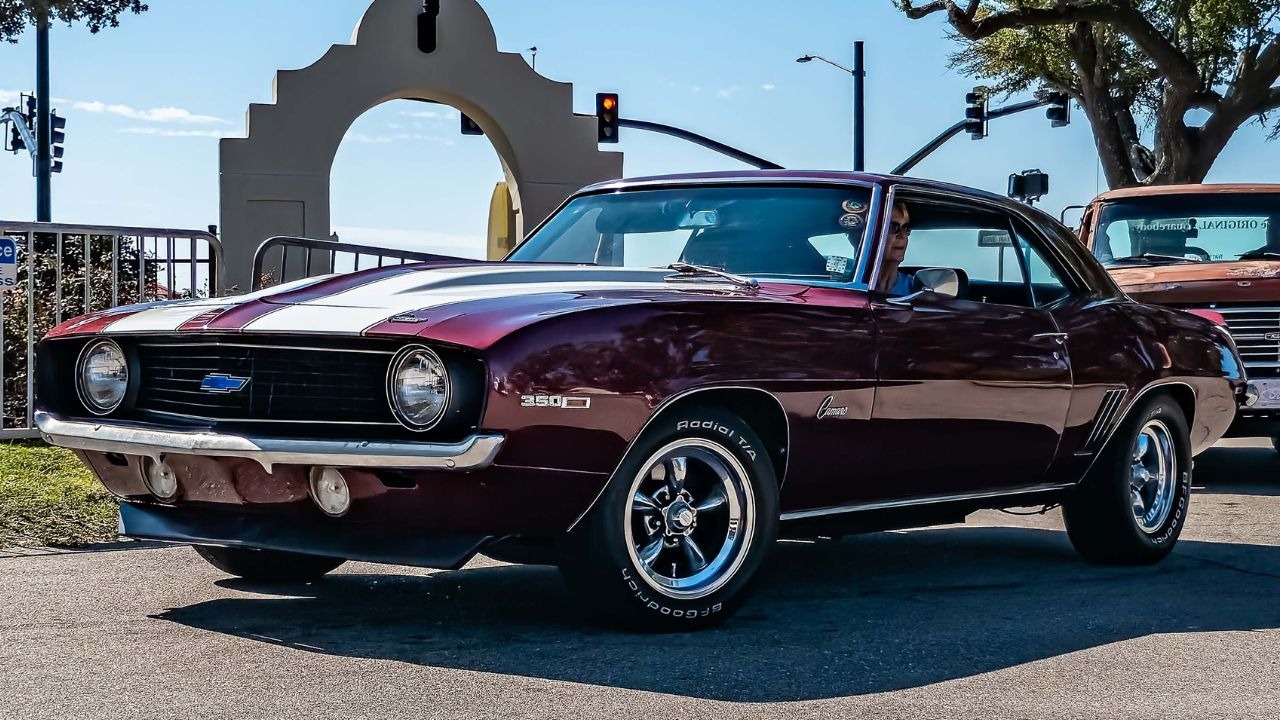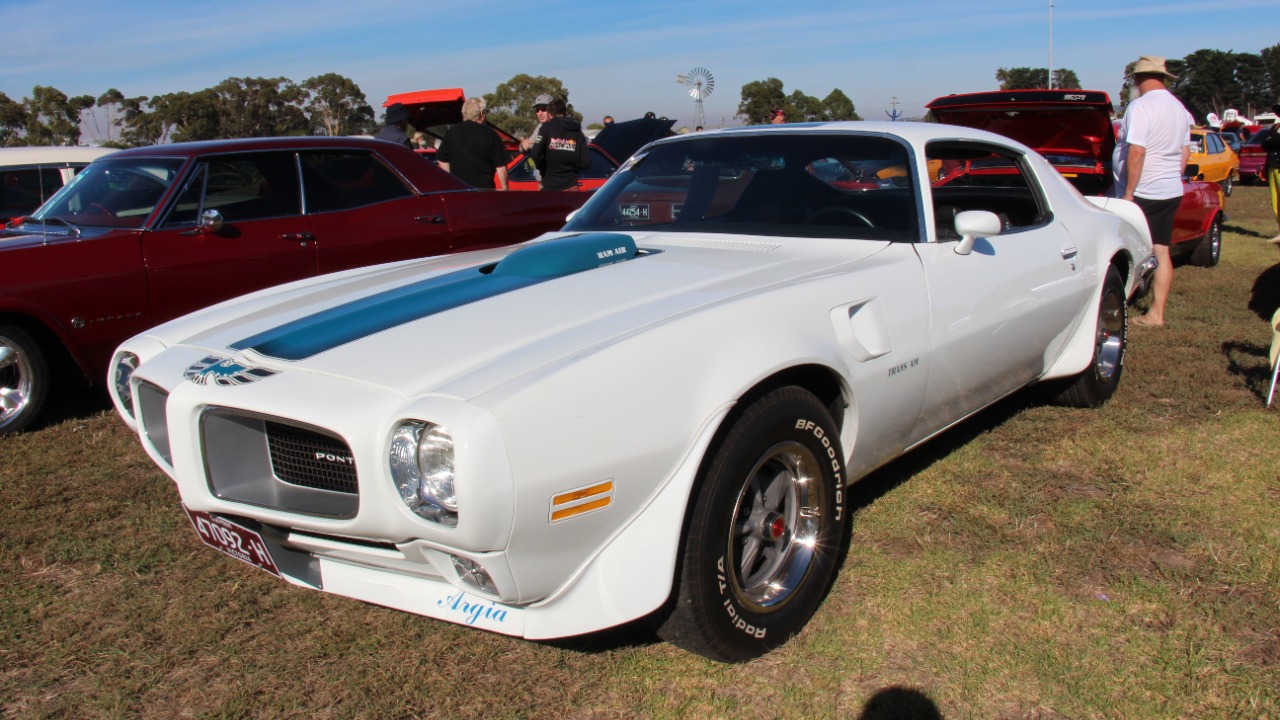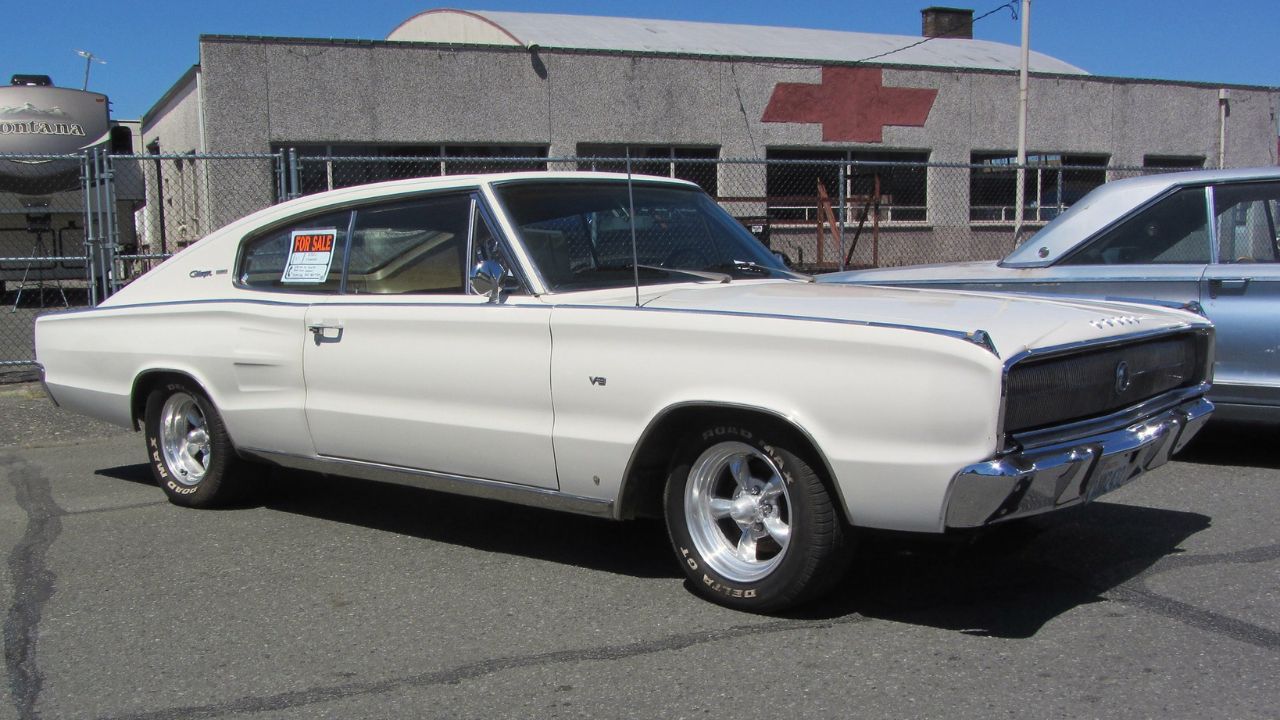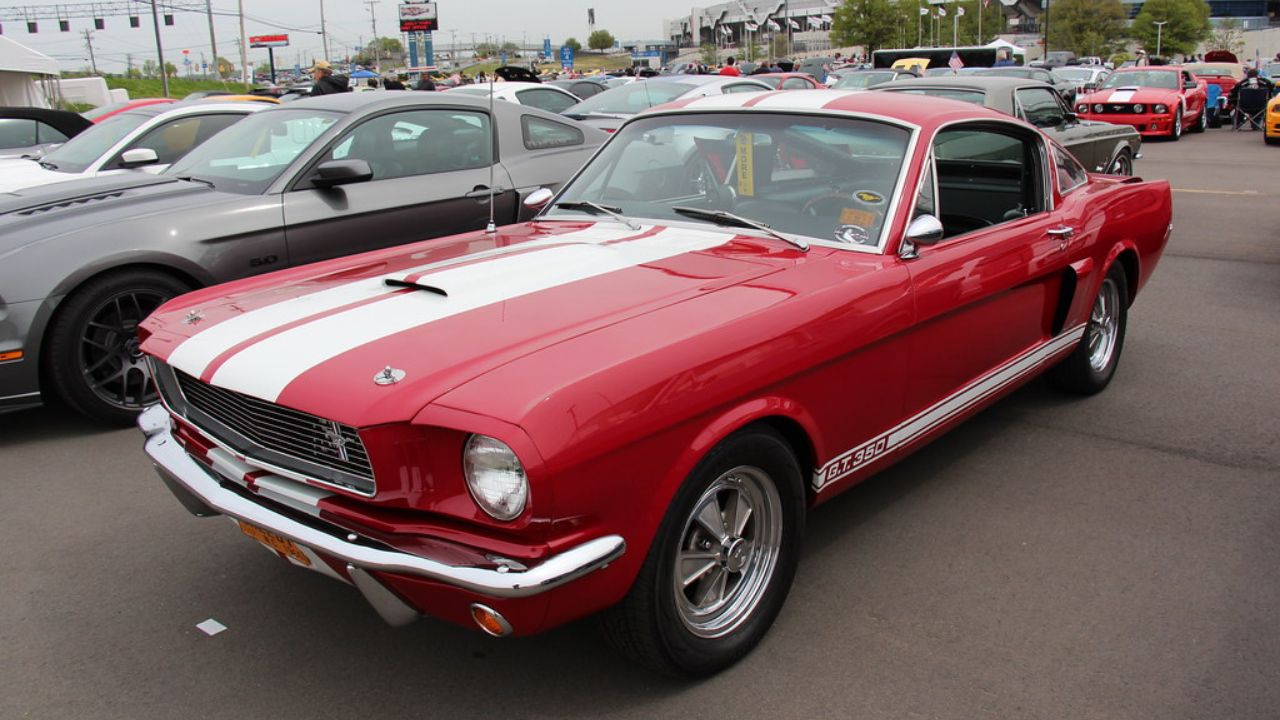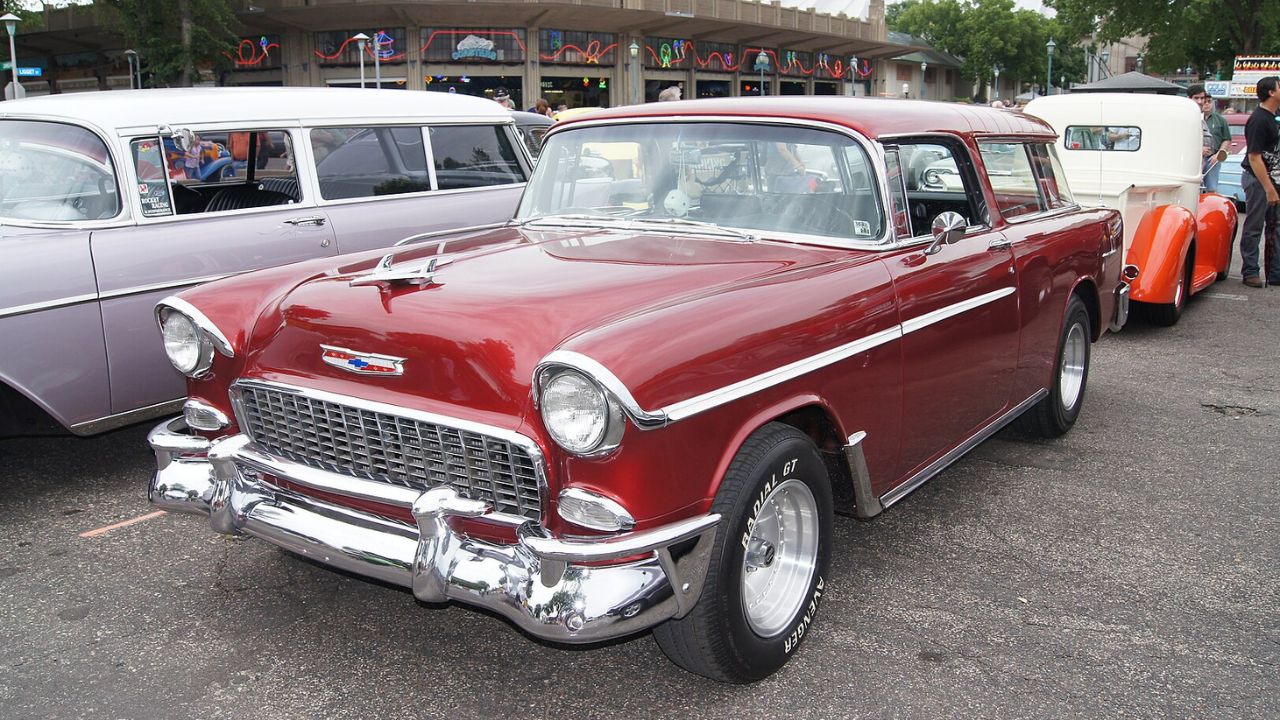
The 1955 Chevrolet Bel Air still turns heads, but mechanics say the pretty two-tone paint often hides corrosion that can turn a dream car into a structural puzzle. Surface bubbles and a few soft spots rarely tell the full story, because rust tends to creep into seams, braces, and boxed sections that are hard to inspect and expensive to rebuild. Buyers who treat visible rust as a simple cosmetic fix often discover that the real damage sits deeper in the car’s bones.
The romance of a 70‑year‑old icon meets 1950s sheetmetal reality
On social media, owners often gush that it is hard to find anything to hate about a 70-year-old Bel Air. One post about This Bel Air notes that even the engine bay can look surprisingly healthy after decades on the road. That kind of optimism helps explain why project cars that have sat in barns and fields still attract eager buyers who grew up staring at tri-five Chevrolets in magazines and at local cruise nights.
That same nostalgia can also blind shoppers to the compromises baked into mid‑1950s construction. The Bel Air body relies on thin sheetmetal, overlapping seams, and moisture traps around the cowl and rockers. A Facebook discussion of rust issues with includes one shopper asking if a rough car was worth 500 in its condition, while others warn that what looks like a bargain can hide structural decay. That tension between romance and reality defines the modern 1955 Bel Air market.
Why visible rust is only the opening chapter
Veteran body technicians say rust on a Bel Air behaves like an iceberg. A bubble in the lower fender or a blistered rocker panel usually signals that water has already crept into inner braces, floor supports, and the bottom of the firewall. In one rust repair video, the host pauses over a fender and explains that what looks like a small scab is actually rust pushing the paint out because the paint cannot adhere to compromised metal, and that the corrosion keeps spreading behind the visible edge. The clip from 55 Chevy Belair stresses that by the time the paint fails, the underlying steel may already be thin or perforated.
Another restorer, working on a Bel Air front corner, tells viewers that it always goes deeper than that and describes layer after layer of components that tie the front sheetmetal into the cowl and frame. In the Bel Air rust segment, he points to hidden braces and inner structures that must be solid for the car to track straight and absorb bumps safely. Once rust reaches those layers, a simple patch panel becomes a complex reconstruction that demands bracing, careful measuring, and significant welding time.
Where the 1955 Bel Air likes to rot first
Owners and shops tend to see the same patterns. The lower fenders, rocker panels, floors, and rear quarters are the obvious trouble spots, but the cowl and windshield base often hide the most expensive damage. One owner who had avoided the front under cowl on a different project described finally opening it up and finding extensive corrosion that had been quietly spreading where road spray and debris collect. The Facebook account of working around the front under cowl shows how easy it is to postpone the ugliest jobs until there is no choice left.
Hoods and cowls present their own puzzles. A Bel Air owner asking for help with a rusty hood described a 55 Belair with a cowl or air intake section that appears to be fiberglass while the rest is steel. That Looking for advice post hints at the mix of original parts and later modifications that can complicate repairs. Rust around the air intake can let water pour into the cowl, where it can soak insulation, wiring, and the toe boards, turning a simple hood repair into a full firewall and floor rebuild.
When a cheap project turns into a structural rescue
Shops that specialize in tri-five Chevrolets often start a Bel Air teardown by bracing the shell before cutting out any floors. One documented project shows Derek welding in temporary supports because the first order of business was to brace up the body so the floor could be removed safely without folding in half. The account of that work on 55 Chevy rust illustrates how far structural decay can progress before a car even leaves the ground.
Once the floor is out, the news often gets worse. Inner rockers that looked solid from the outside can be paper thin, and body mounts can crumble when the bolts are removed. A video that chronicles a significant RUST repair on a 1955 Chevy Belair project shows the crew cutting out large sections of the lower shell and methodically rebuilding them. In the clip at Significant RUST Repair!!, they explain that this is how we feel as they uncover more hidden damage, a sentiment that will be familiar to anyone who has chased rust through a classic body.
Firewall surprises and the cost of chasing corrosion
Even apparently solid engine bays can hide expensive problems. One builder who pulled the original 265 V8 from a 1955 Bel Air discovered unexpected rust on the firewall once the engine and accessories were out of the way. The story of how, after pulling the 265, he came across serious corrosion near the cowl and had to fabricate new panels is documented in a feature on a nearly forgotten project that eventually became a showpiece.
Firewall rust matters because it ties into the cowl, the door hinges, and the floor. Once that metal softens, doors can sag, windshields may leak, and the steering column mount can lose strength. Repairing it usually requires stripping the dash, removing glass, and carefully aligning new metal so the body lines stay true. That level of work can easily exceed the initial purchase price of a rough project, especially if the car was bought for something like 500 in the hope that it only needed cosmetic attention.
Fenders, seams, and the illusion of “easy” bolt‑on fixes
Many shoppers reassure themselves that rusty front fenders are no big deal because they bolt on. In practice, fender repair on a 1955 Bel Air often involves more than swapping panels. A detailed how‑to on Repairing Chevy Fenders crew tackled a 55 front passenger side, the original fender looked solid until they stripped the paint and found pinholes and thin edges around the headlight bucket and lower rear section.
Because the fender ties into the inner structure, they had to section in new metal, test fit the panel to the door and hood, and check alignment before reinstalling the headlight. That level of care is needed to keep gaps even and prevent wind noise or water leaks. It also shows why a buyer who sees only minor bubbling at the lower fender should assume that the inner braces and mounting flanges need attention too, even if they are not yet visible from the outside.
How auction red flags apply to a 1955 Bel Air
Rust on a Bel Air does not always come from age alone. Guidance for online auction shoppers points out that rust in critical areas can be a sign of flood damage or long‑term neglect. The warning that Rust in critical may hint at hidden electrical or mechanical problems applies directly to mid‑century Chevrolets, which have numerous seams and pockets where standing water can linger.
On a 1955 Bel Air, rust around the trunk floor, rear body mounts, or under the rear seat can signal that the car sat in water deep enough to reach wiring harnesses and junction blocks. Flood exposure can corrode connectors, fuel lines, and brake components in ways that are not immediately visible during a quick inspection. Mechanics who see that pattern often recommend walking away unless the buyer is prepared for a full mechanical and electrical overhaul on top of the bodywork.
Community war stories and the 500‑dollar temptation
Enthusiast groups are full of cautionary tales. In one discussion of a rough tri‑five, a commenter asked bluntly, Was the car worth 500 at the condition, while another member, Daniel Gage, weighed in from the perspective of Japanese Auto Culture and questioned whether the emotional pull of the shape justified the financial risk. That exchange on tri‑five rust issues captures the split between dreamers and pragmatists.
Another thread about a long‑stored 1955 Chevrolet that had been abandoned for roughly 50 years shows a team nicknamed the duff dog and the Mopar mad man trying to coax the car back to life. The clip of that attempt in 1955 Chevrolet Abandoned highlights how a car can look complete and even run briefly while still hiding severe rust in the floors, frame mounts, and lower quarters. Online, the comments often split between admiration for the rescue and warnings about the hidden costs waiting under the surface.
Mechanics’ advice for buyers who still want the dream
Despite the risks, professionals are not telling enthusiasts to avoid the 1955 Bel Air. Instead, they urge a more disciplined approach. Several mechanics recommend starting any inspection with a magnet and a flashlight, then checking the lower fenders, rockers, and rear quarters for filler. A quick crawl under the car can reveal patched floors, crushed body mounts, or fresh undercoating that might be hiding weld seams.
Experienced restorers also stress the value of photos and documentation. The detailed step‑by‑step images of bracing and floor replacement in the 55 Chevy rust feature show the level of work needed to correct earlier neglect. Buyers who see similar documentation for a candidate car can judge whether prior repairs were done with full panels and careful bracing or with crude patches and overlapping seams that might trap new moisture.
When a forgotten shell becomes a showpiece
The upside of tackling rust properly is clear in the story of the nearly forgotten Bel Air that sat for years before its owner committed to a full rebuild. After uncovering the firewall rust that had been hidden behind the 265 and addressing the structural issues, the builder transformed the car into a standout machine with crisp lines and deep paint. The progression documented in nearly forgotten project shows 42 photos that trace the path from tired shell to finished car.
That kind of transformation is not cheap or quick, but it proves that rust does not have to be a death sentence if buyers budget realistically. The key difference between a success story and a stalled project is usually whether the owner understood from the beginning that rust in a 1955 Bel Air is rarely just skin deep. Mechanics who see these cars every week argue that a realistic plan, and a willingness to walk away from the worst examples, matters more than any single patch panel or bargain price.
More from Fast Lane Only