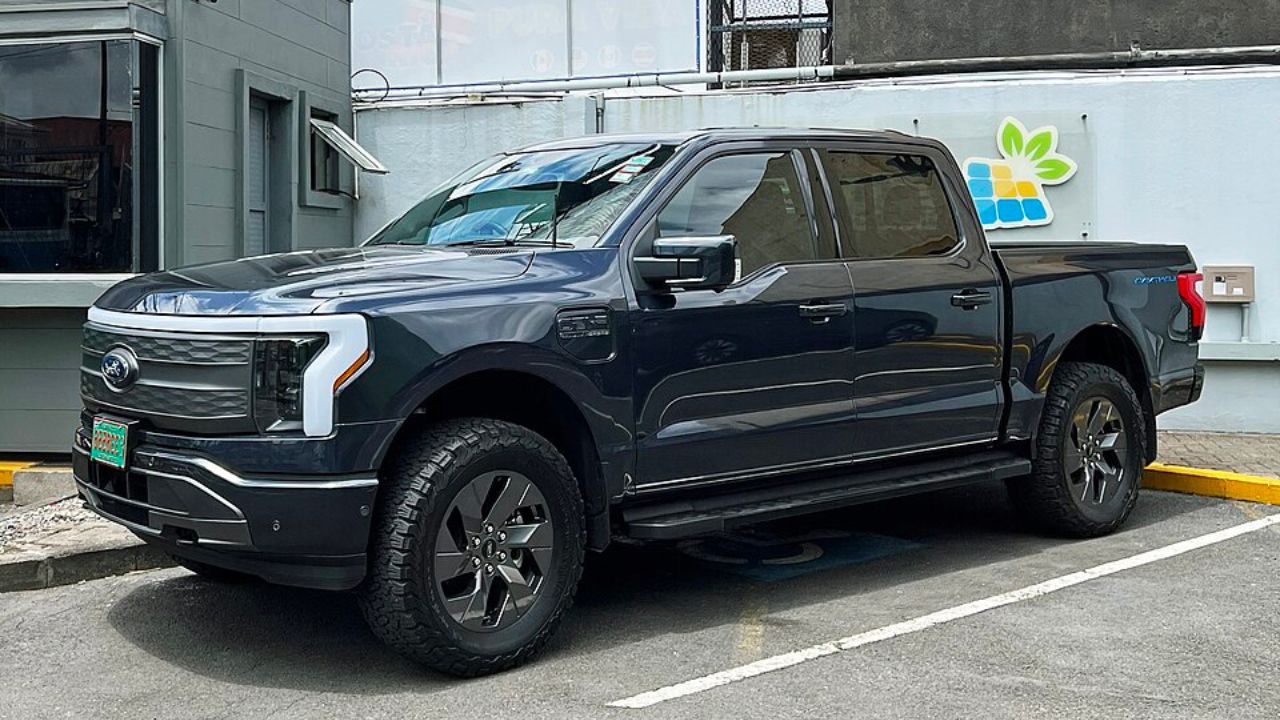
Choosing between midsize and full-size trucks can be a complex decision. It often depends on individual needs and lifestyle preferences. From performance to versatility, both categories offer unique benefits. Below, I explore five key aspects to help guide your decision-making process.
Performance and Capability
When it comes to performance, full-size trucks like the 2023 Ford F-150 stand out with their robust engine options and impressive towing capacity. This model offers various powertrains, including a hybrid option, ensuring it meets the demands of heavy-duty work. Full-size trucks generally excel in hauling and towing, making them ideal for those with substantial workloads.
On the other hand, midsize trucks like the 2024 Toyota Tacoma offer a balance of capability and agility. While they may not match the towing prowess of their full-size counterparts, they still deliver reliable performance for everyday tasks. Midsize trucks are well-suited for off-road adventures, thanks to their manageable size and competent power options.
Fuel Efficiency and Environmental Impact
Fuel efficiency is a critical factor for many truck buyers. Midsize trucks often have an edge here, with models like the 2021 Honda Ridgeline offering better gas mileage compared to larger trucks. This can translate to lower fuel costs and reduced environmental impact, making them a practical choice for eco-conscious drivers.
Full-size trucks, such as the 2025 Chevrolet Silverado, have made strides in improving fuel efficiency, particularly with the introduction of diesel engines. However, they typically consume more fuel than their midsize counterparts, which might be a consideration for those prioritizing sustainability.
Price and Affordability

Price is often a decisive factor for many prospective truck owners. Midsize trucks tend to be more budget-friendly, with models like the 2022 Nissan Frontier offering excellent value for money. They provide essential features and capabilities without the hefty price tag of a full-size truck.
Full-size trucks, such as the 2026 Ram 1500, can be more expensive, but they offer a range of premium features and advanced technology. They are often seen as an investment for those who require extensive capability and luxury amenities. It’s essential to weigh the cost against your specific needs and budget constraints.
Size and Maneuverability
Size and maneuverability are crucial when considering where and how you plan to use your truck. Midsize trucks like the 2023 Ford Ranger are generally easier to maneuver in urban settings and tight parking spaces, thanks to their compact dimensions. This makes them ideal for city dwellers or those who frequently navigate crowded environments.
Full-size trucks, while offering more interior and cargo space, can be cumbersome in tight spaces. Models like the 2024 GMC Sierra provide a commanding presence on the road but require more consideration when parking or driving in congested areas. The decision here often hinges on your typical driving environment.
Versatility and Use Cases
When it comes to versatility, midsize trucks like the 2025 Jeep Gladiator shine with their ability to handle both everyday commutes and off-road adventures. They are perfect for those who want a vehicle that can transition seamlessly between work and play.
Full-size trucks offer unparalleled versatility in terms of payload and towing capacity, making them ideal for those with specific work requirements or outdoor hobbies. The 2020 Toyota Tundra, for example, is a popular choice for those needing a reliable workhorse that can also accommodate weekend adventures. Your choice should align with how you plan to use your truck most frequently.