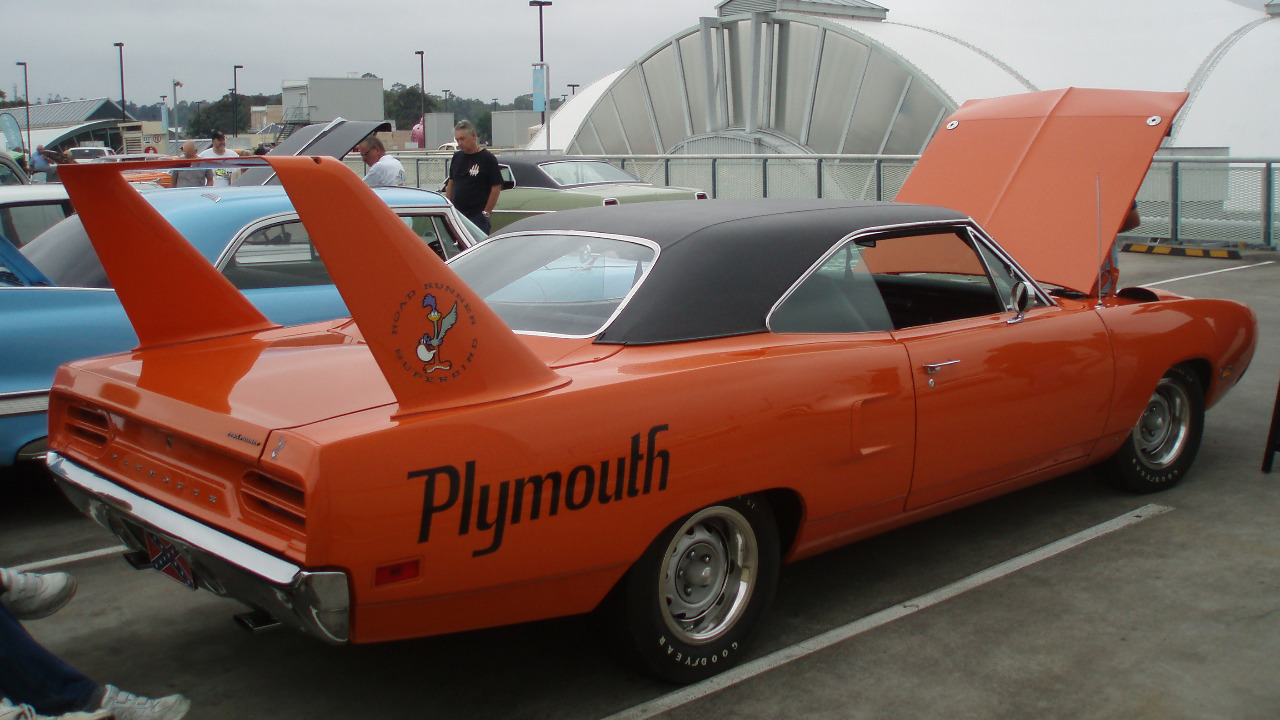
Muscle cars have long captured the imagination of car enthusiasts, and their decals often signify more than just a brand; they promise power and performance. From the thunderous roar of a HEMI engine to the sleek profile of a Cobra Jet, these decals represented the pinnacle of automotive engineering and design. Let’s take a closer look at ten muscle car decals that were synonymous with real performance.
HEMI
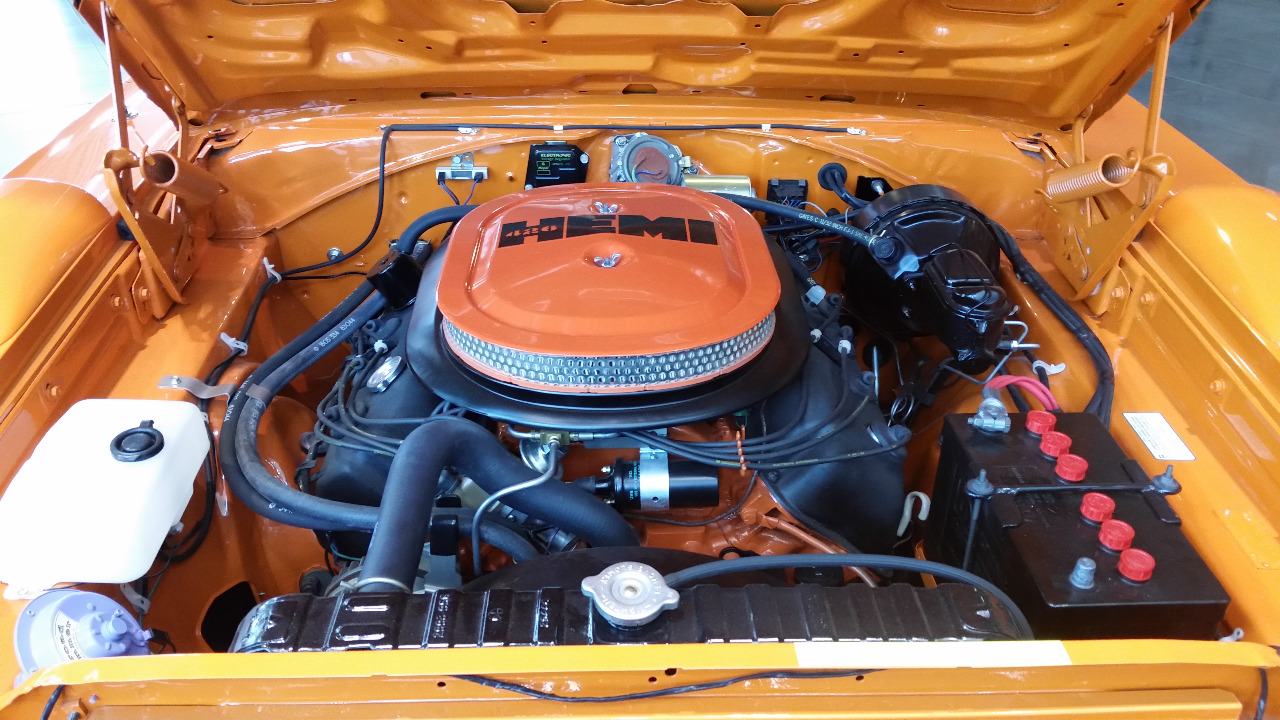
The HEMI badge is one of the most revered in the muscle car world. Originating in the 1950s, Chrysler’s HEMI engines gained legendary status in the 1960s and 1970s. Known for their hemispherical combustion chambers, these engines were a game-changer in terms of power output and efficiency. The 426 HEMI, also known as the “Elephant Engine,” was perhaps the most famous, powering cars like the 1970 Dodge Charger and the Plymouth Barracuda.
When you saw a HEMI badge, you knew it was more than just a decal; it was a statement of raw power. The HEMI legacy continues to this day, with modern iterations found in vehicles like the Dodge Challenger and Charger, keeping the spirit of the muscle car era alive.
Cobra Jet

Ford’s Cobra Jet was a force to be reckoned with when it was introduced in 1968. Designed specifically for drag racing, this performance package included a 428 cubic inch V8 engine that offered impressive power and torque. The Cobra Jet was a favorite among racers and car enthusiasts, appearing in iconic models like the 1968 Mustang GT.
The Cobra Jet decal signified a car built to dominate the strip, and it delivered on that promise. Ford has revived the Cobra Jet name several times, with modern versions continuing to make an impact in the racing world.
SS (Super Sport)
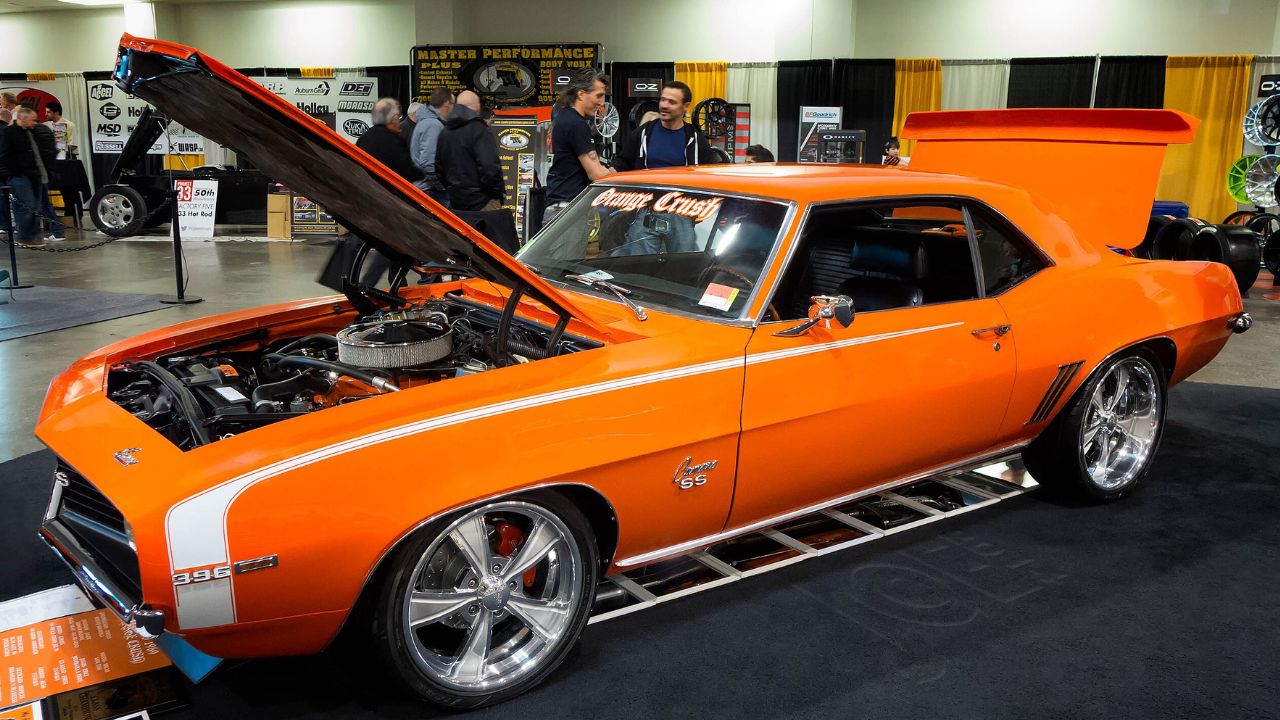
The SS badge, short for Super Sport, was Chevrolet’s hallmark of performance. First introduced in 1961 with the Chevrolet Impala, the SS package offered enhanced powertrains and sportier styling. The 1969 Chevrolet Camaro SS, with its powerful V8 engines and aggressive design, became an icon.
Super Sport models were built to offer superior handling and performance, making them a favorite among muscle car enthusiasts. The SS badge still commands respect and is a staple on modern Chevys like the Camaro and the Silverado.
Boss 429

The Boss 429 is a rare and revered name in the Mustang lineage. Built in 1969 and 1970, the Boss 429 was created to homologate Ford’s new engine for NASCAR. The car housed a massive 429 cubic inch V8 engine, designed for high RPM performance.
With only 1,359 units produced, the Boss 429 is a collector’s dream. The badge is synonymous with exclusivity and performance, making it one of the most sought-after muscle cars today.
Trans Am

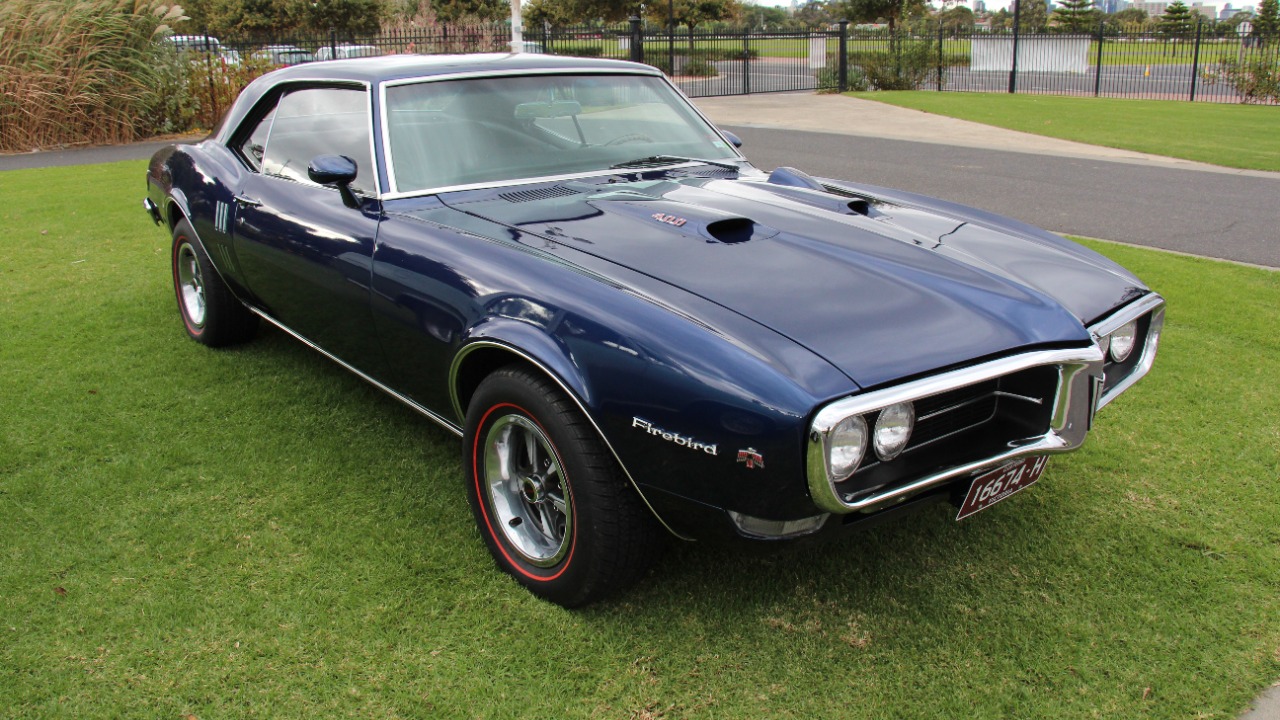
The Trans Am badge became legendary thanks to its association with the Pontiac Firebird. Introduced in 1969, the Trans Am package added performance features and distinctive styling, including the iconic “screaming chicken” hood decal.
Known for its participation in the Trans Am racing series, the Trans Am models were built for both speed and style. The 1977 model, famously driven by Burt Reynolds in “Smokey and the Bandit,” solidified its place in pop culture.
GTO Judge
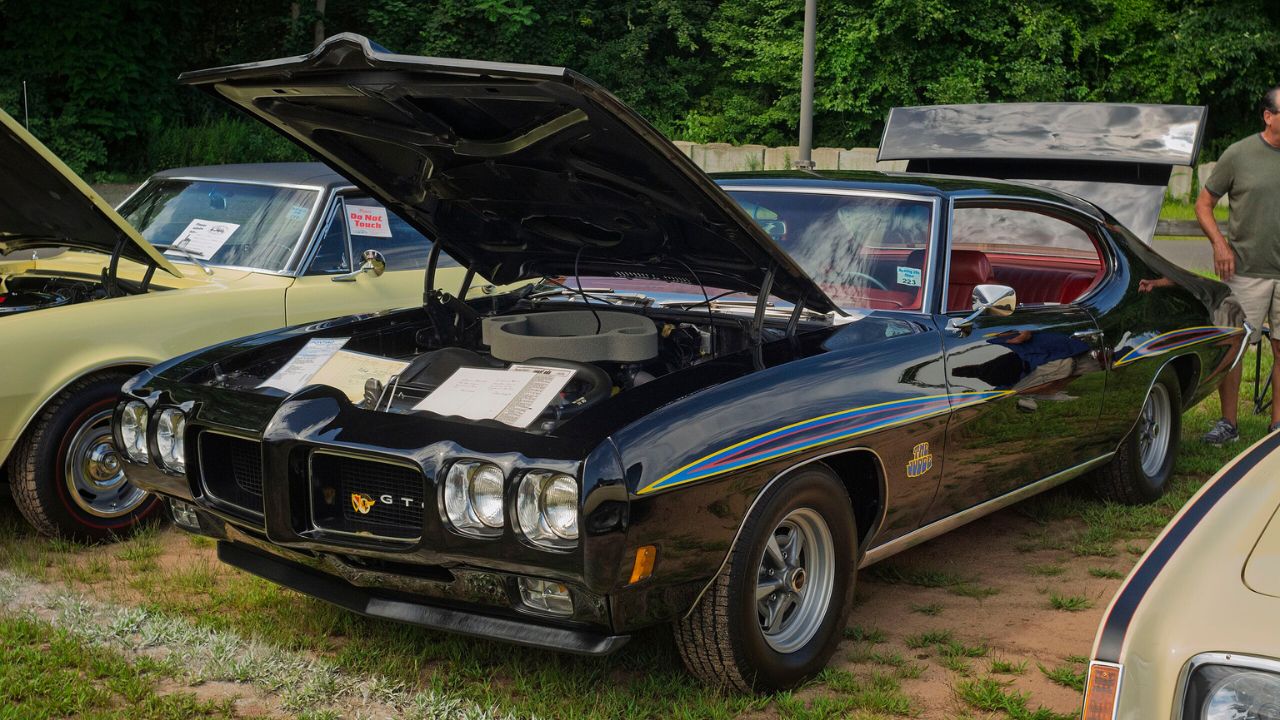
The GTO Judge was Pontiac’s answer to the muscle car craze of the late 1960s and early 1970s. Introduced in 1969, the “Judge” package added a Ram Air III V8 engine and eye-catching styling features, including bold decals and bright colors.
The Judge was a marketing triumph, offering both performance and flair. Its unique styling and powerful engine options made it a standout in the muscle car era, and it remains a beloved classic today.
Z/28
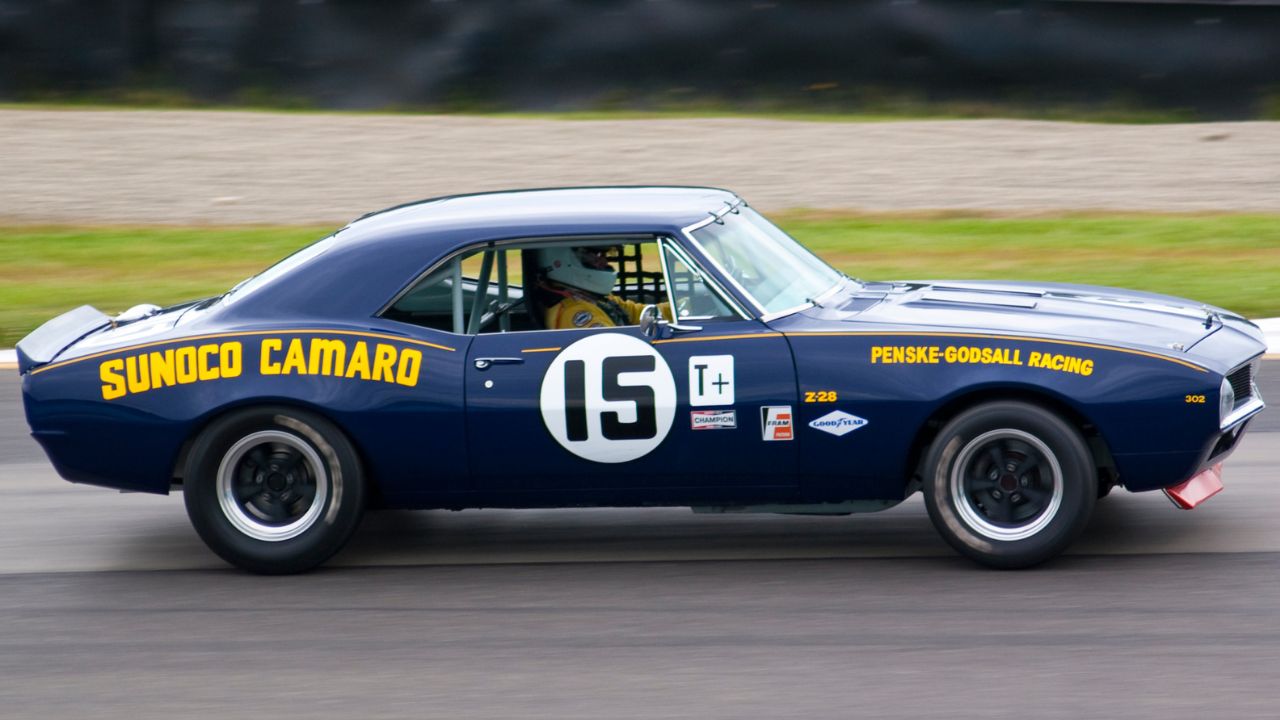
The Z/28 badge is synonymous with the Chevrolet Camaro’s racing heritage. Initially created for the Trans Am racing series, the 1967 Camaro Z/28 featured a high-revving 302 cubic inch V8 engine and performance-oriented suspension upgrades.
With its minimalist approach and focus on handling, the Z/28 became a favorite among racing enthusiasts. The nameplate saw a resurgence in the 2010s, with the 2014 Camaro Z/28 offering modern performance with a nod to its racing roots.
442
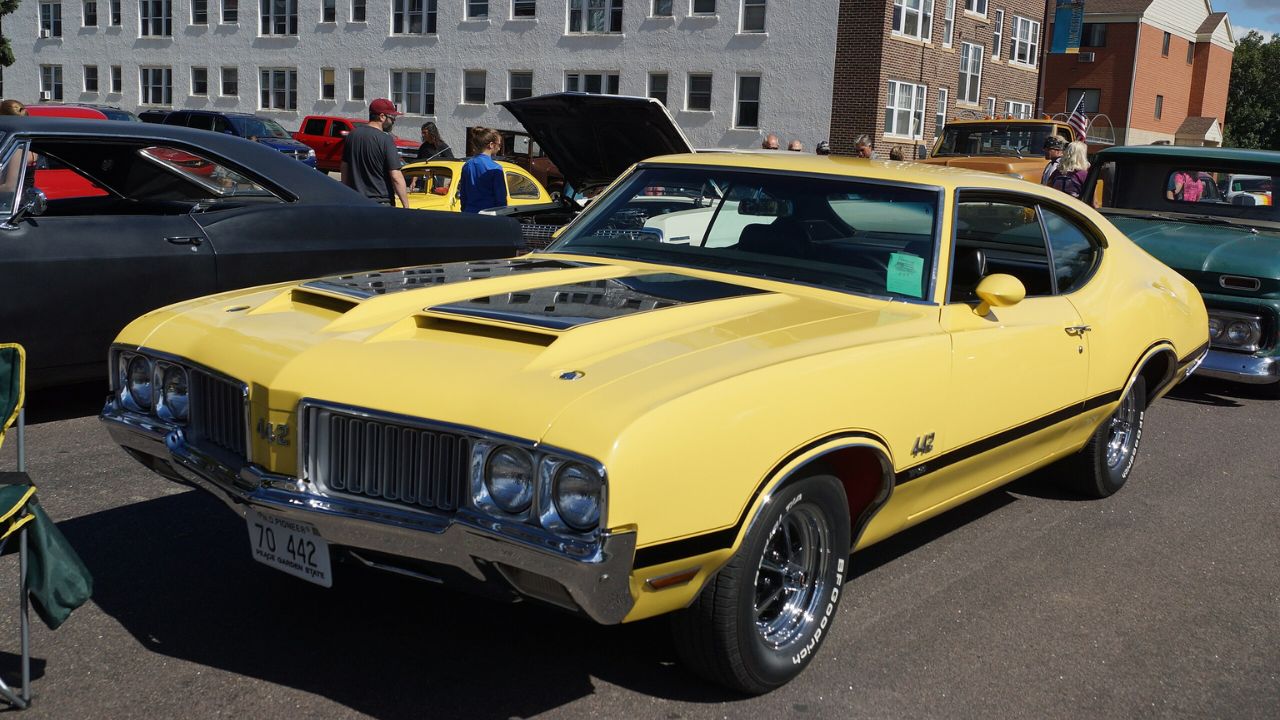
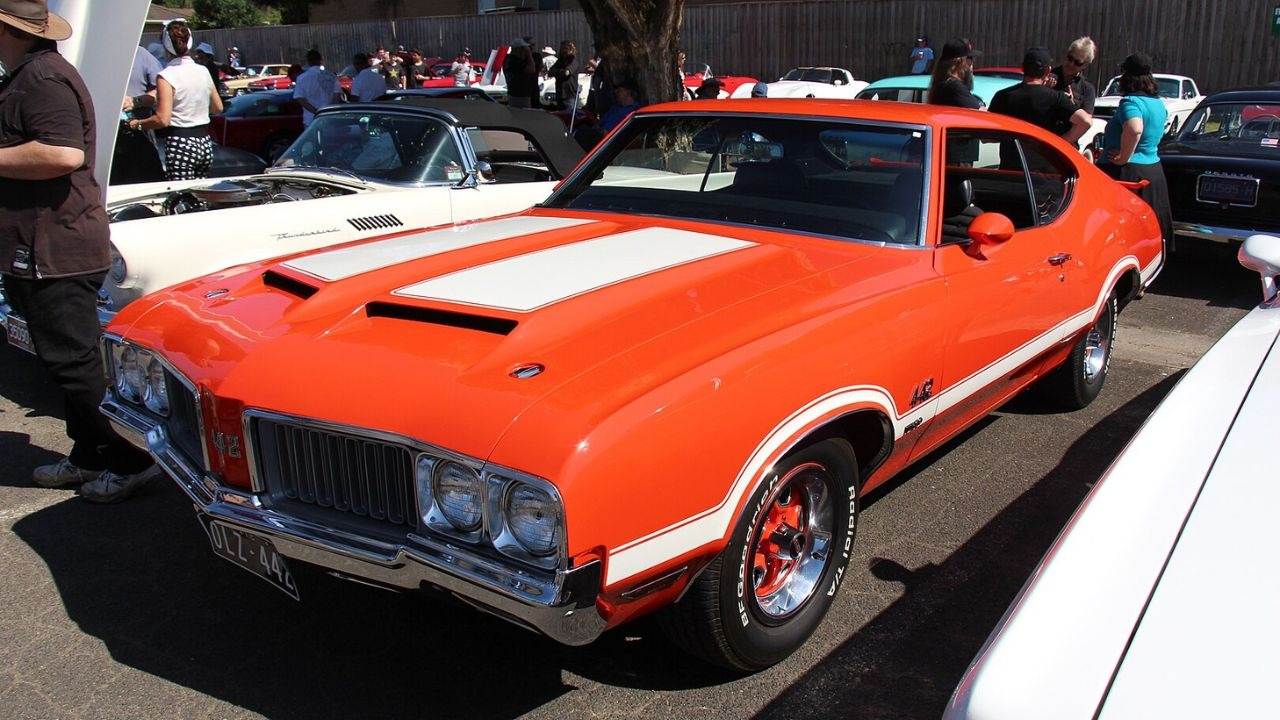
Oldsmobile’s 442 badge stood for “four-barrel carburetor, four-speed manual transmission, and dual exhaust.” Introduced in 1964, the 442 package added significant performance enhancements to Oldsmobile’s Cutlass model line.
The 442 became an icon during the muscle car era, with the 1970 model offering a potent 455 cubic inch V8 engine. Known for its blend of power and luxury, the 442 remains a symbol of Oldsmobile’s performance prowess.
Road Runner

Plymouth’s Road Runner was a no-frills muscle car designed for performance and affordability. Launched in 1968, the Road Runner featured a powerful engine lineup, including the famous 426 HEMI, and minimalistic styling.
The Road Runner decal, complete with the Warner Bros. cartoon character, became an emblem of speed and fun. Its combination of performance and accessibility made it a hit with young car buyers during the muscle car boom.
Super Bee

The Dodge Super Bee was another affordable yet powerful entry in the muscle car market. Debuting in 1968, the Super Bee featured a range of potent engines, including the 440 Six Pack and the 426 HEMI.
The Super Bee’s distinctive “bumblebee” stripe and aggressive styling made it a standout on the street. Its reputation for performance and its unique branding helped cement its place in muscle car history.
Like Fast Lane Only’s content? Be sure to follow us.
Here’s more from us:
*Created with AI assistance and editor review.