
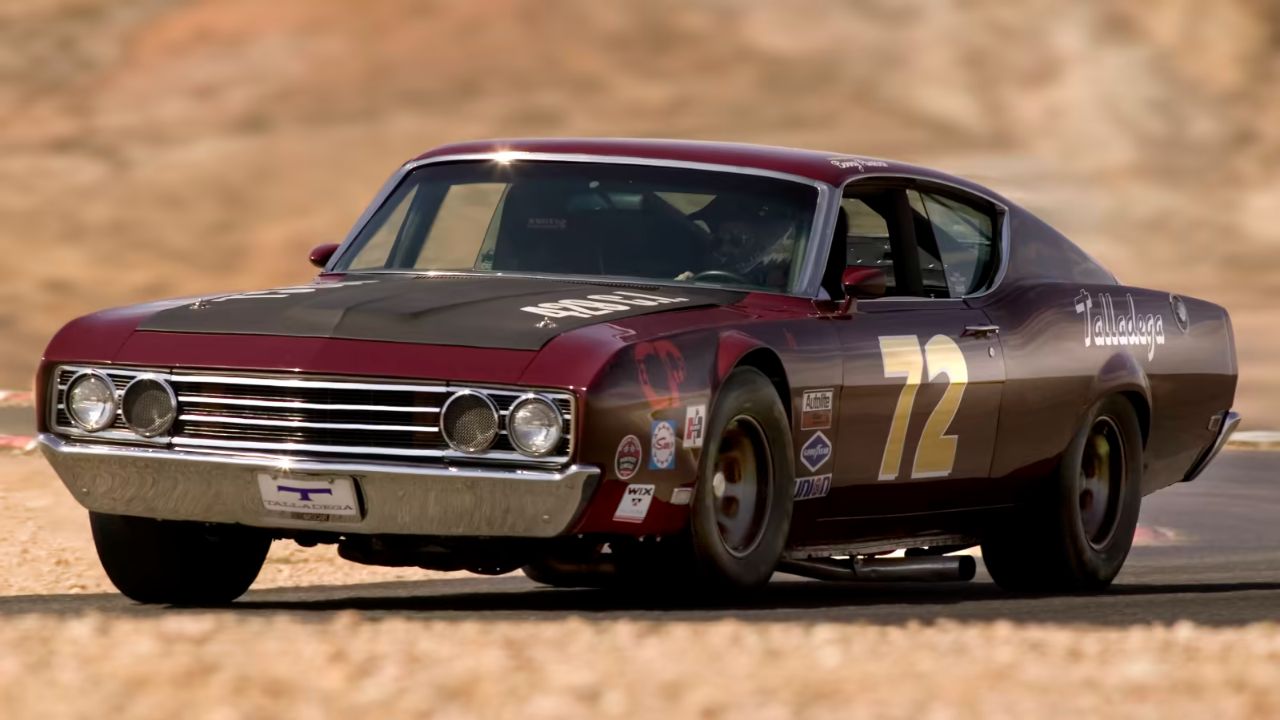
The 1969 Dodge Daytona didn’t just show up—it punched a hole through the NASCAR scene and forced the rulebook to catch up. With a nose cone sharper than most teams’ engineering and a wing that looked like it belonged on a fighter jet, this car was built with one thing in mind: win on superspeedways. But it wasn’t alone. It came from a whole era of machines that pushed speed, aerodynamics, and raw power to the limit. Here’s a look at the machines that made Daytona necessary—and why it made everyone else sweat.
1969 Dodge Charger Daytona
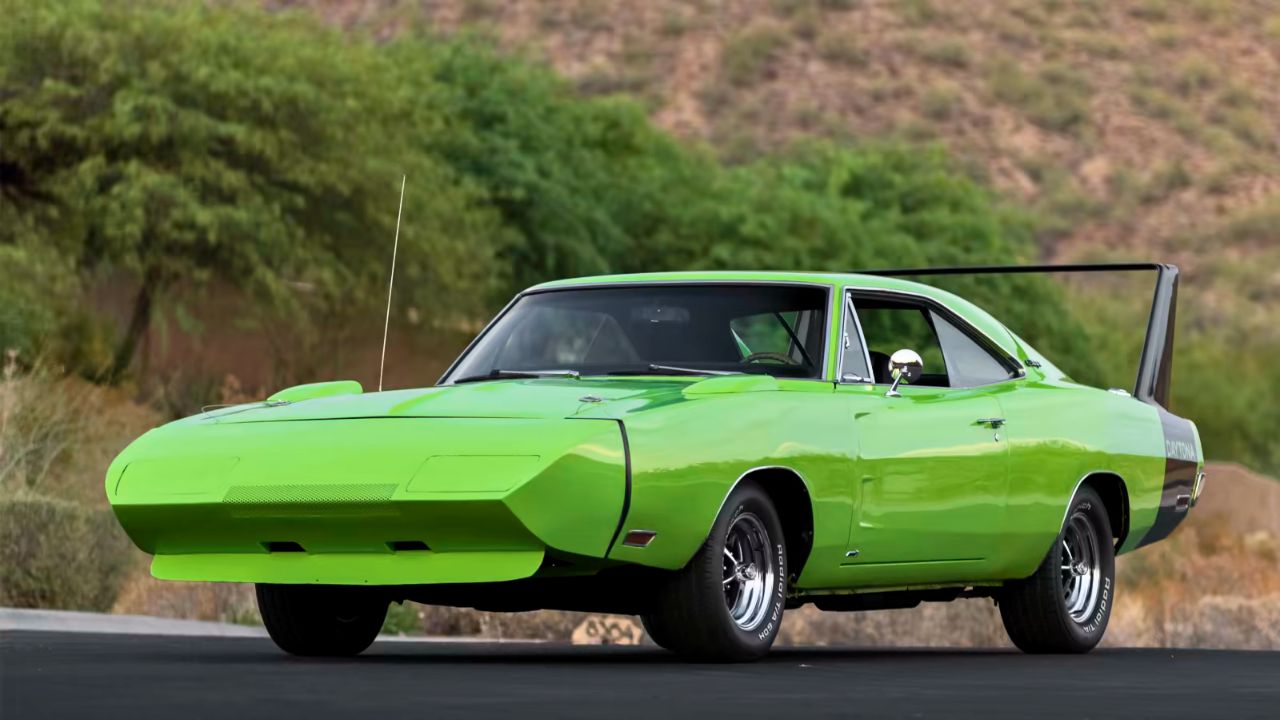
Built to beat Ford on the big ovals, the Daytona was Mopar’s wind-cheating answer. It had a 23-inch rear wing, a pointed nose cone, and a drag coefficient of just 0.28—far better than anything else on the track. Under the hood sat either the 440 Magnum or the 426 HEMI, the latter pushing 425 hp through a Torqueflite or a 4-speed manual.
The suspension stuck with Chrysler’s usual setup: torsion bars up front, leaf springs out back. But it wasn’t about ride quality—it was about control at 200 mph. This thing made speed feel planted, not frantic.
1970 Plymouth Superbird
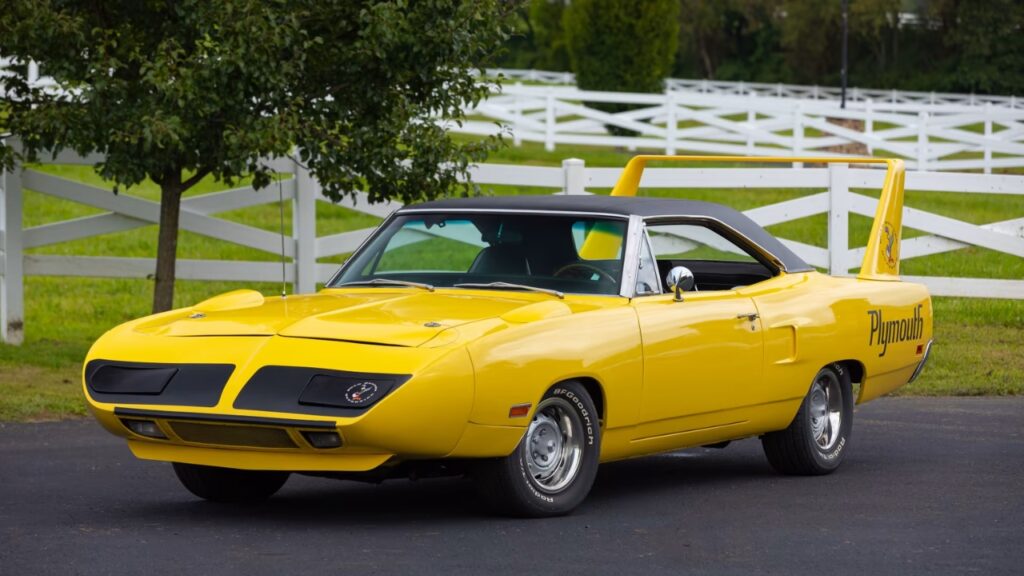
Essentially a Daytona in Road Runner clothes, the Superbird was Plymouth’s chance to play the same aero game. It came with the same 426 HEMI or 440 powertrains, and the same massive rear wing. NASCAR drivers like Richard Petty used it to dominate the 1970 season with multiple wins and top-five finishes.
The Superbird was longer than the Daytona and had a slightly different nose, designed more for homologation than refinement. Still, the torsion bar and leaf spring setup kept it grounded at high speeds. The interior remained basic—just enough to qualify for the street, and nothing more.
1969 Ford Torino Talladega
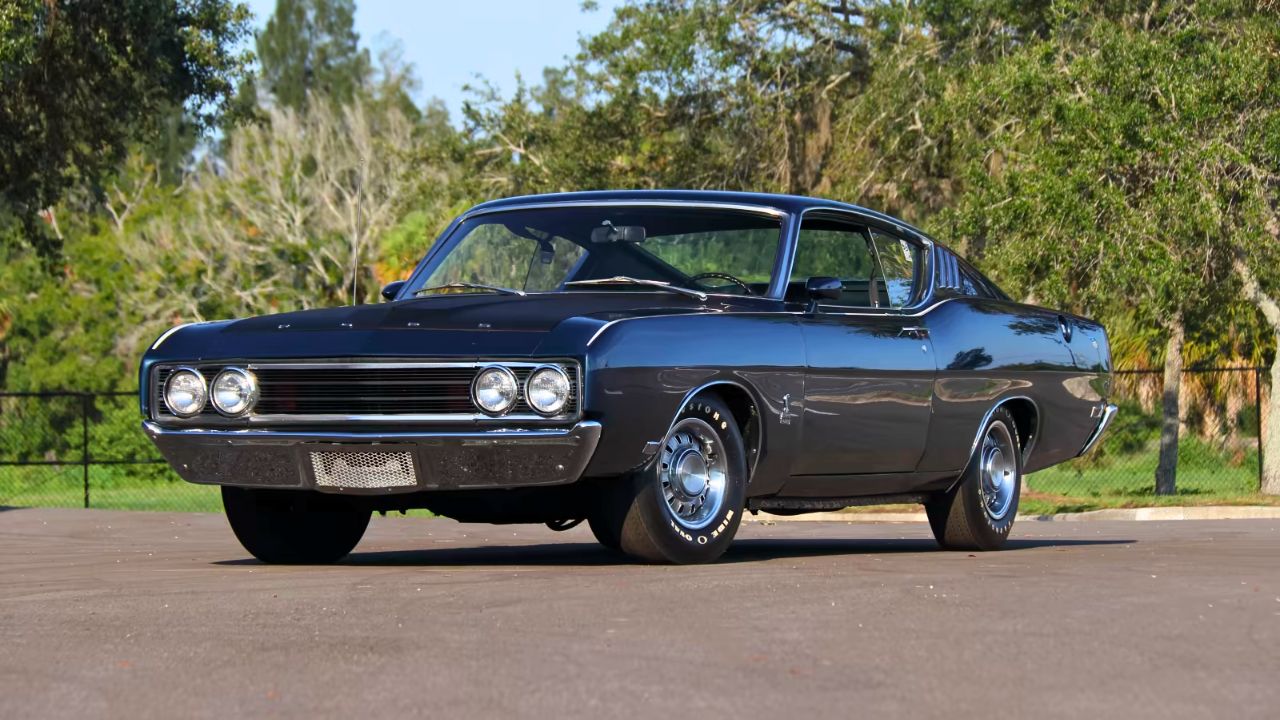
Ford’s response to Mopar’s aero cars wasn’t subtle. The Torino Talladega featured a hand-fabricated extended front end that improved aerodynamics and stability on superspeedways. Underneath the sleek nose was the 428 Cobra Jet V8, which put out around 335 hp, though race-tuned versions were considerably stronger.
Suspension was reinforced for high-speed tracks, with beefed-up front coils and staggered rear shocks. It didn’t have the flair of the Daytona, but it was effective. The interior stayed true to its Torino roots—functional but stripped-down, designed more for NASCAR homologation than showroom appeal.
1971 Dodge Charger
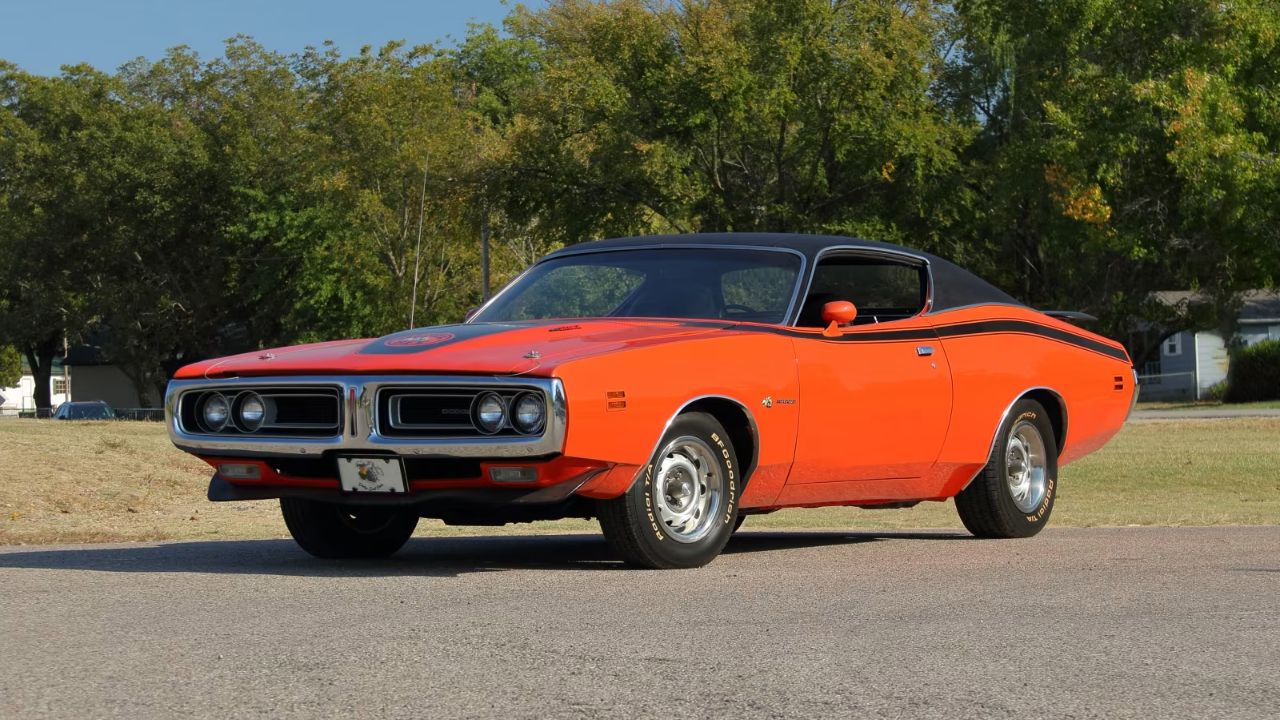
After NASCAR banned the Daytona and Superbird’s aero tricks, Dodge returned with a more traditional shape. The 1971 Charger still had serious muscle with a 426 HEMI and a broader body, but it couldn’t touch the wind-cheating numbers of its winged predecessor. It still found success in NASCAR, but the days of 200 mph were on hold.
Torsion bars and leaf springs remained, but the chassis had been stiffened slightly for better handling. The interior was cleaner, a bit more refined for a street audience, but racers pulled everything out to save weight.
1968 Mercury Cyclone Spoiler II
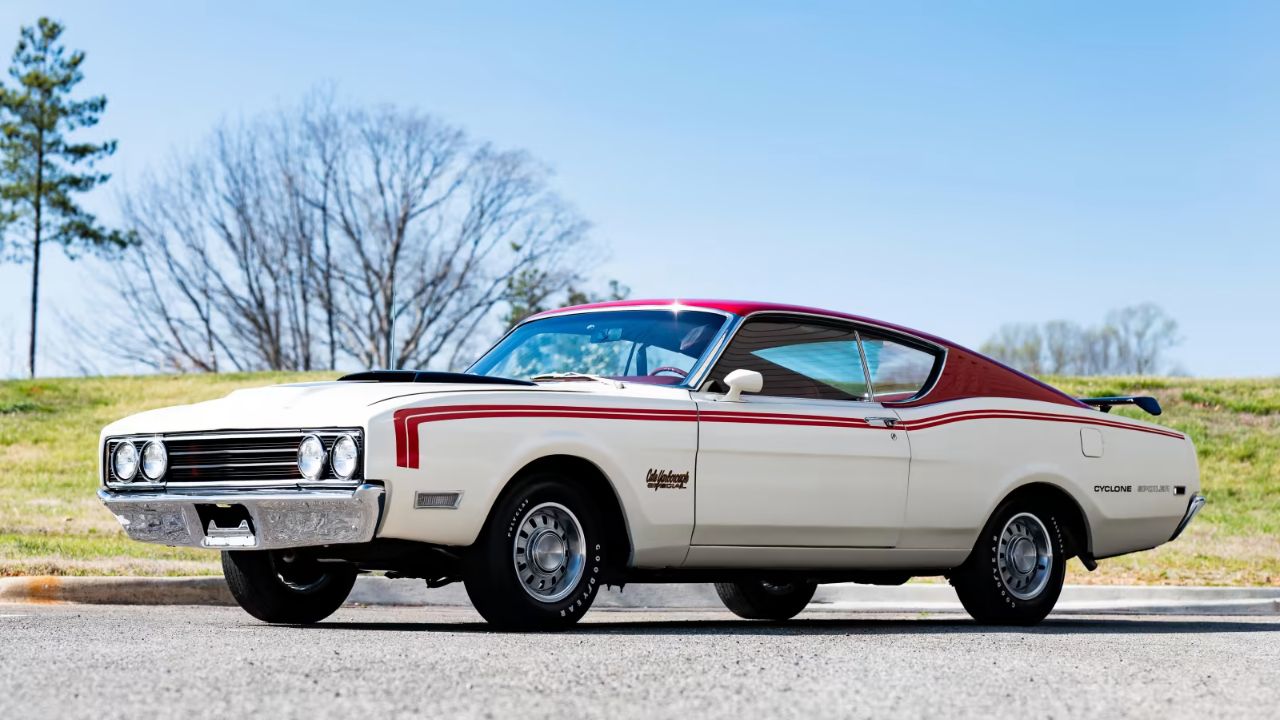
Mercury got in on the aero war with the Cyclone Spoiler II, essentially a sister car to the Torino Talladega. It had a smoothed front end and a reshaped bumper to reduce drag. Most came with the 429 V8, a torque-heavy mill that offered serious power when tuned for competition.
This car was all about slippery speed, though its NASCAR career was cut short by the rule changes. Inside, it had basic trim and bench seats—nobody was buying this to commute. The front suspension was slightly lowered for better aerodynamics at speed.
1967 Ford Fairlane

Before the aero era, brute force ruled. The 1967 Fairlane was a NASCAR staple, especially with the 427 FE V8 under the hood—producing over 400 hp in race trim. Its squared-off profile wasn’t great in the wind, but it had the horsepower and reliability to hang tough on any track.
Its suspension setup was straightforward: coil springs and upper/lower control arms up front, leaf springs out back. Interiors were basic, and race-prepped versions were stripped to the shell. It didn’t have wings, but it didn’t need them in the ’60s—yet.
1971 Ford Torino

With the aero cars banned, Ford shifted to a more traditional Torino. The ’71 version carried the 429 Cobra Jet, still capable of serious high-end speed. NASCAR teams had to re-tune their approach, focusing less on slippery design and more on power delivery and chassis balance.
The suspension had been updated with bigger sway bars and better geometry, making it more planted in corners than earlier Fords. Interior quality had improved slightly for production models, but NASCAR versions still kept things raw and focused on weight savings.
1966 Dodge Charger
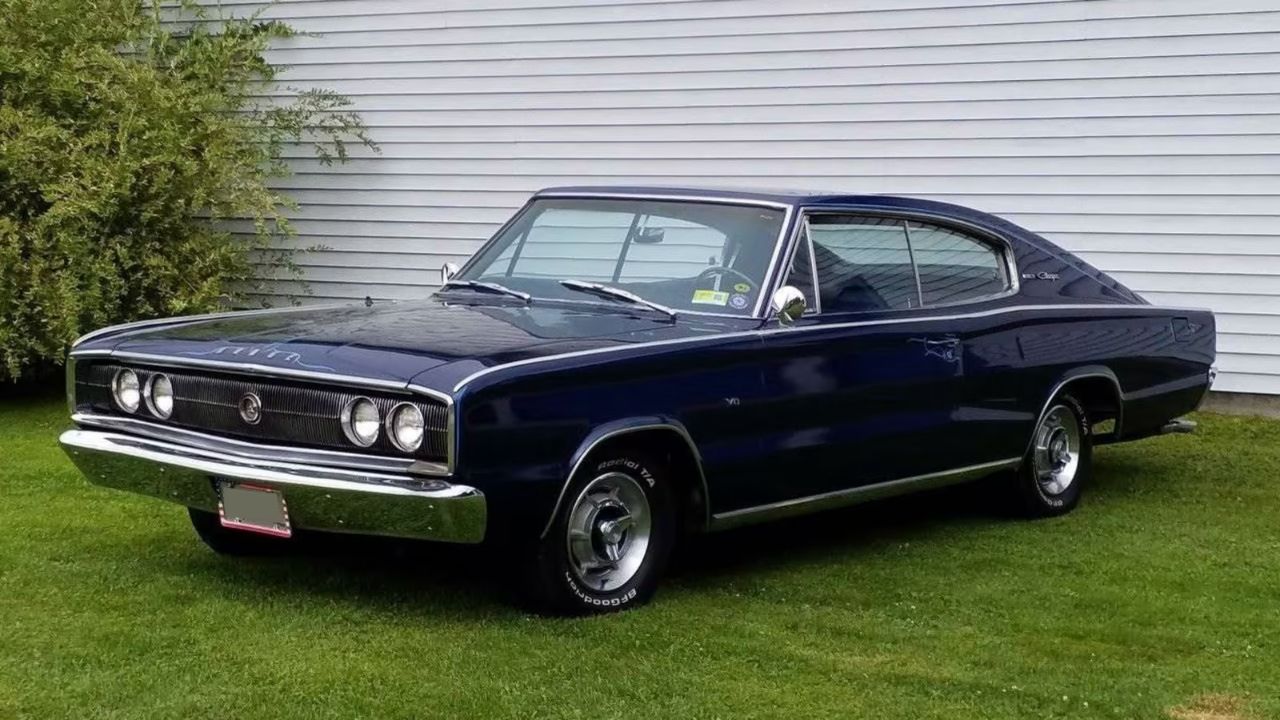
The first-gen Charger didn’t yet have the nose or wing—but it set the foundation. With the 426 HEMI, it had serious top-end performance. NASCAR teams appreciated its fastback roofline, which helped airflow compared to the boxy shapes before it.
Its suspension was basic but effective: torsion bars up front, leafs in the rear. The cockpit was more stylized than most competitors, with bucket seats and full gauges. But once the race teams gutted it, it was all business. It wasn’t perfect, but it pointed the way toward the Daytona.
1965 Plymouth Belvedere
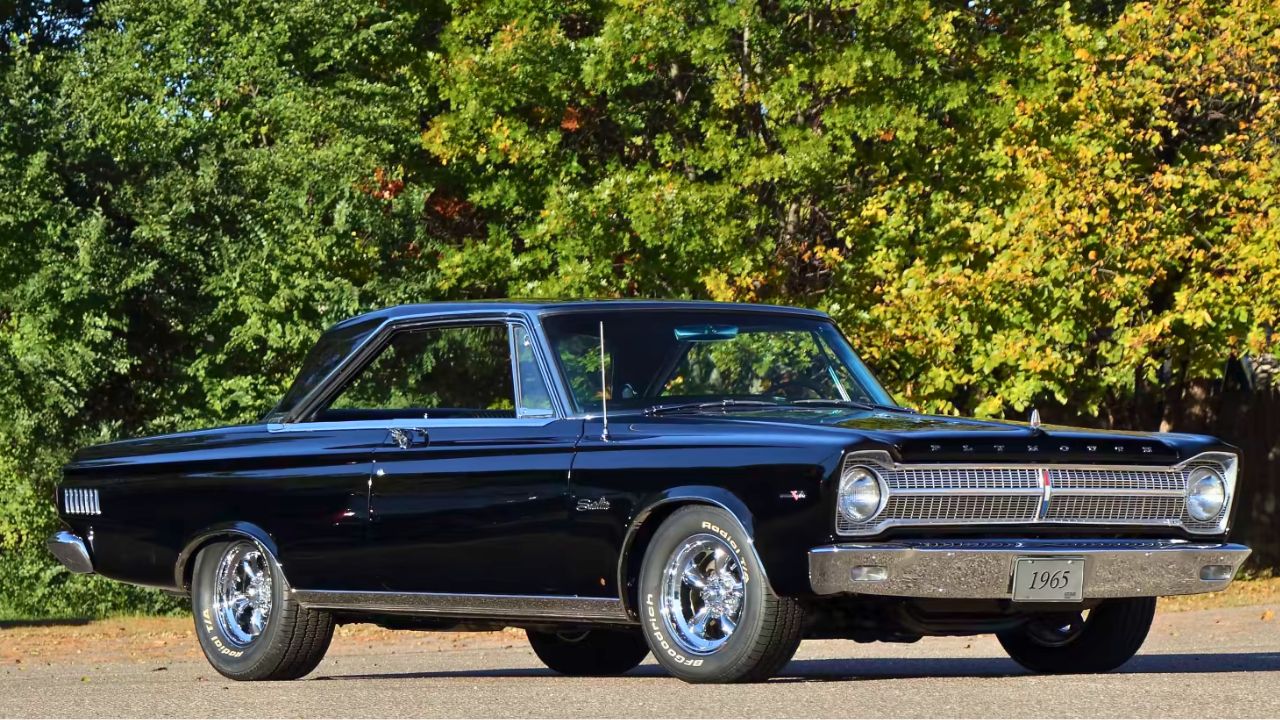
This one wasn’t about aero—it was about muscle. The 1965 Belvedere with a 426 HEMI set records before wind tunnels were part of the equation. NASCAR versions hit 425 hp, running 13:1 compression ratios and dual carbs. It wasn’t sleek, but it was brutally fast.
Handling was decent thanks to a tight wheelbase and classic Mopar suspension. The leaf springs kept it planted, and the interior was bare essentials once race-prepped. It looked like your uncle’s car, but it could run wide open all day if built right.
1969 Chevrolet Chevelle

Chevy didn’t go wild with aero like Ford or Mopar, but the 1969 Chevelle was still a contender. It ran the 427 ZL1 or 396 big-blocks in NASCAR trim, making strong power and proving reliable across long races. It had weight, sure—but it also had balance.
Its coil spring suspension gave it a smoother ride than leaf setups, and it stayed composed through fast corners. Interiors were pretty well-finished in showroom trim, but stripped out for the track. It was a reminder that raw horsepower could still get the job done—at least until the Daytona showed up.
Like what you read? Here’s more by us:
*Created with AI assistance and editor review.


Leave a Reply