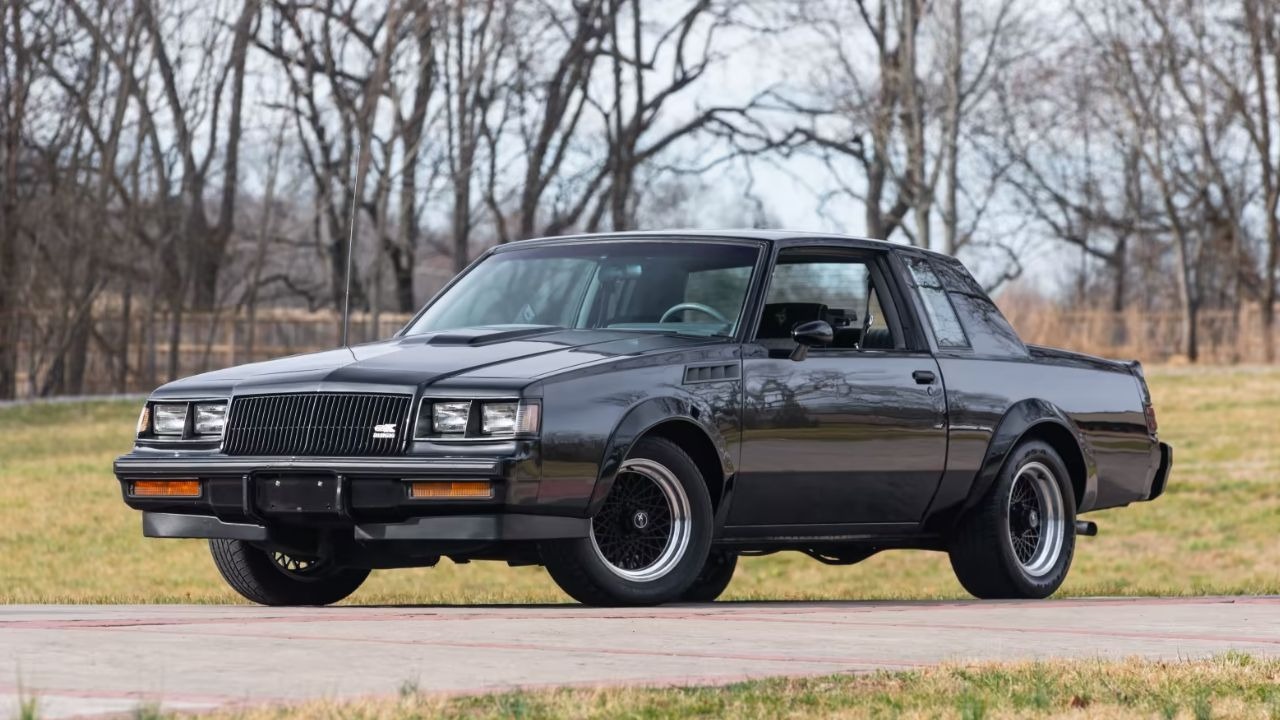
Muscle cars have long been the heartbeat of American automotive culture, known for their power, speed, and charisma. However, not every model that roared onto the scene was a hit. Some vehicles fell short, either due to performance issues or misguided design choices. Let’s take a closer look at nine muscle cars that, despite their potential, didn’t quite meet the expectations of enthusiasts and critics alike.
Ford Mustang II
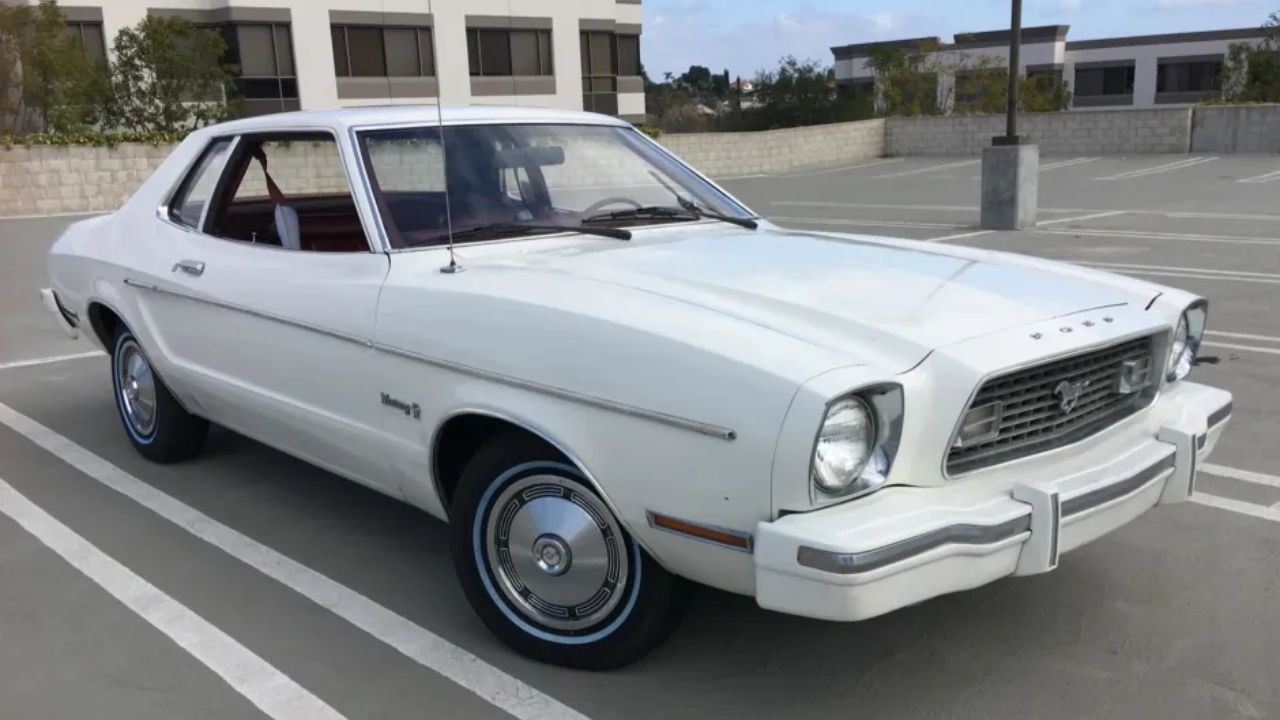
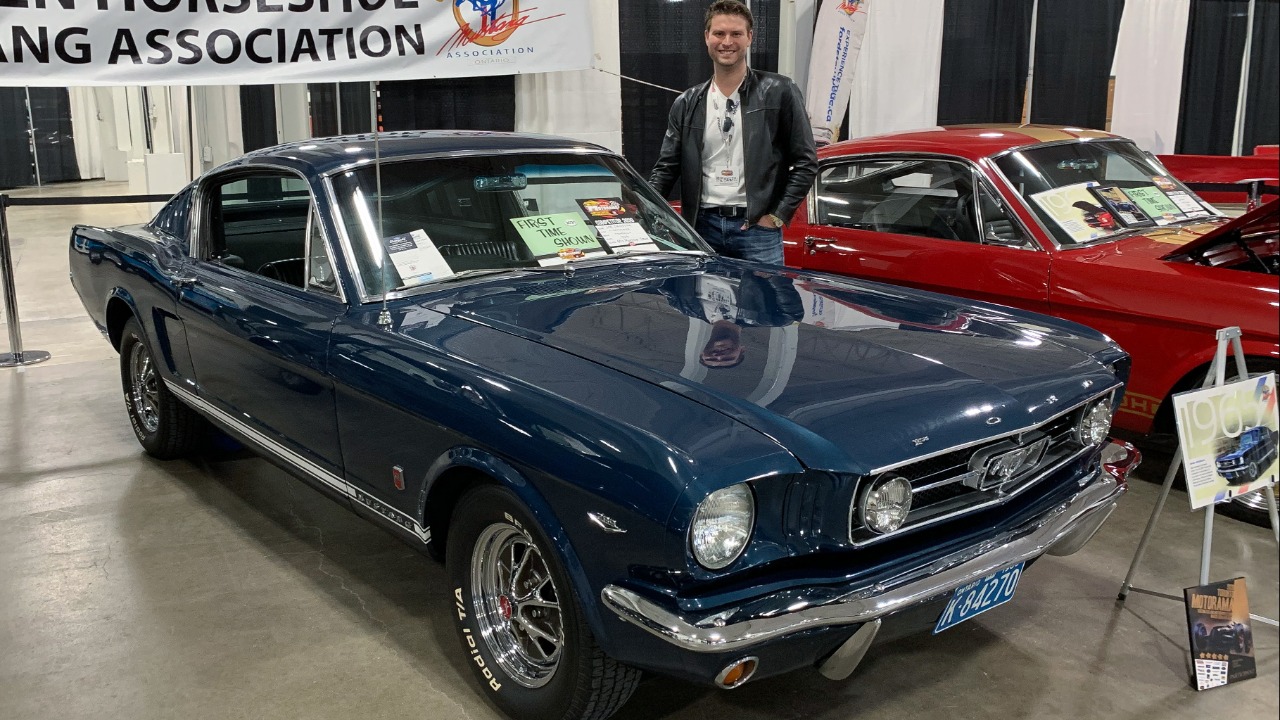
The Ford Mustang II was introduced in 1974, at a time when the oil crisis was influencing car designs. The Mustang II was smaller and less potent than its predecessor, leaving many enthusiasts disappointed. While it was successful in sales, its performance and style were considered a downgrade from the original Mustang’s iconic reputation. The lack of a V8 engine option during its initial release made it a far cry from the muscle car it once was.
Despite its shortcomings, the Mustang II played a role in keeping the Mustang brand alive during a challenging economic period. However, its legacy remains one of compromise in the eyes of muscle car purists, who often regard it as a regrettable chapter in Mustang history.
Pontiac Fiero
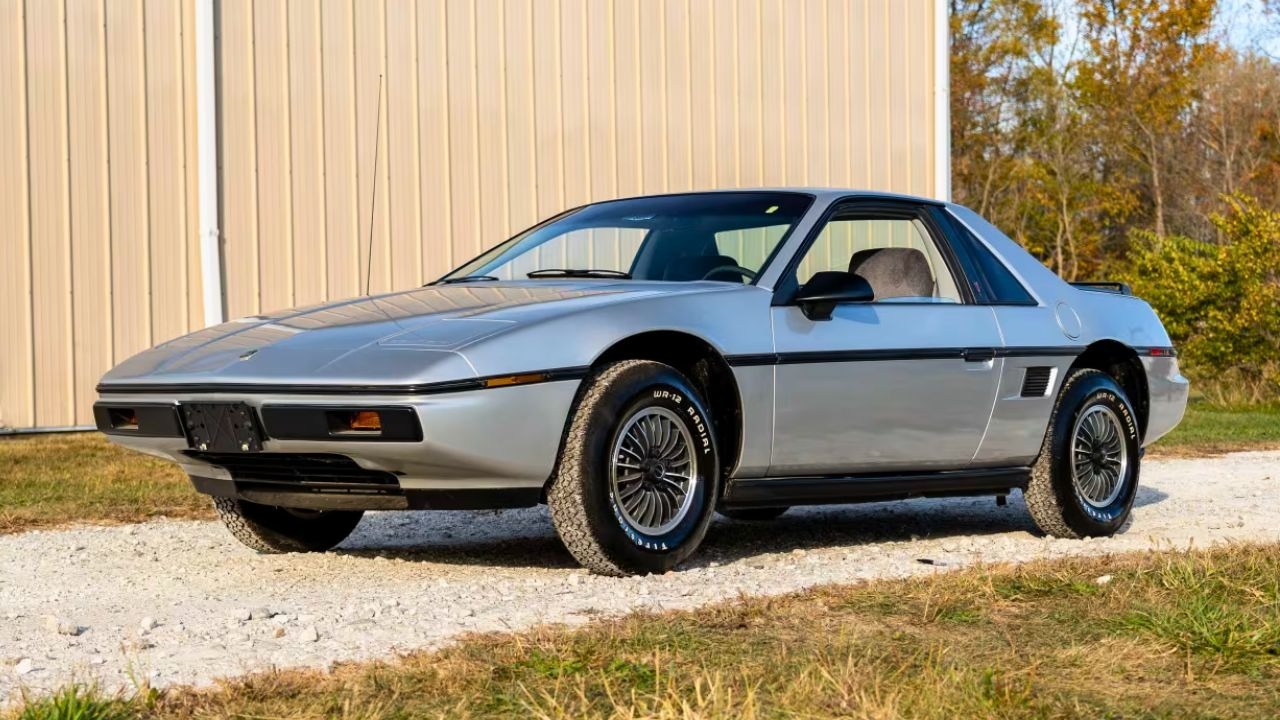
The Pontiac Fiero, launched in 1984, initially promised a sporty, affordable mid-engine car. However, the early models were plagued with reliability issues, including engine fires. The Fiero’s 2.5-liter Iron Duke engine was underpowered, further diminishing its appeal as a true sports car. While later models saw improvements, the damage to its reputation was already done.
Pontiac’s attempt to merge performance with fuel efficiency resulted in a vehicle that didn’t satisfy either criteria fully. The Fiero’s legacy is a reminder of how ambitious projects can sometimes fall short due to execution issues.
Chevrolet Camaro Iron Duke
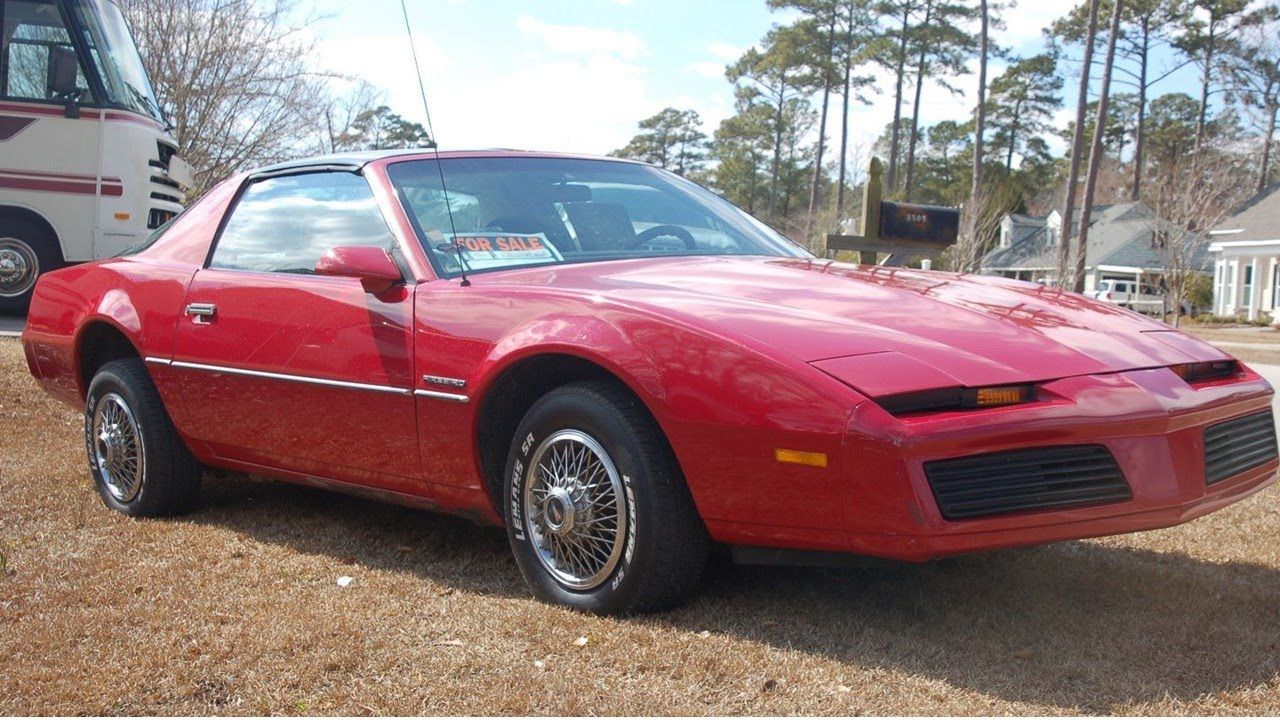
The 1982 Chevrolet Camaro Iron Duke is often cited as one of the more disappointing entries in the Camaro lineup. Equipped with a 2.5-liter inline-four engine, its performance was underwhelming compared to the expectations set by previous models. The Iron Duke engine was more about fuel efficiency than muscle, which didn’t sit well with fans of the Camaro’s high-performance heritage.
While the Camaro has had many successful iterations, the Iron Duke stands out as a misstep in an otherwise storied lineage. Its lack of power and uninspiring performance kept it from achieving the muscle car status expected by enthusiasts.
Dodge Charger Daytona (1993)
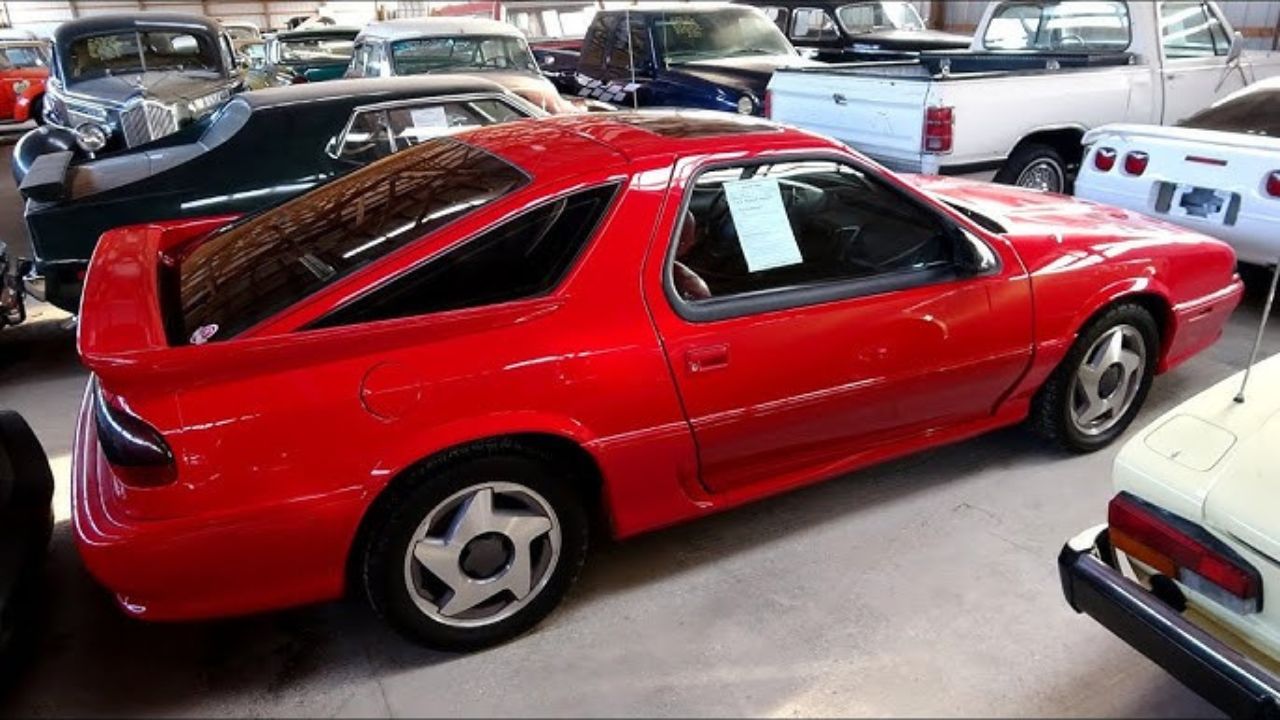
The 1993 Dodge Charger Daytona is a vehicle that many muscle car fans might prefer to forget. Unlike the legendary 1969 model, the ’93 version was based on the Dodge Shadow, a front-wheel-drive compact car. This reimagining was a letdown for enthusiasts expecting the raw power and distinctive styling associated with the Charger name.
The performance of the 1993 Daytona, with its modest engine options, couldn’t live up to the muscle car image. This variant of the Charger serves as an example of how branding alone cannot carry a vehicle to success when the fundamental attributes don’t align with expectations.
Plymouth Volaré Road Runner
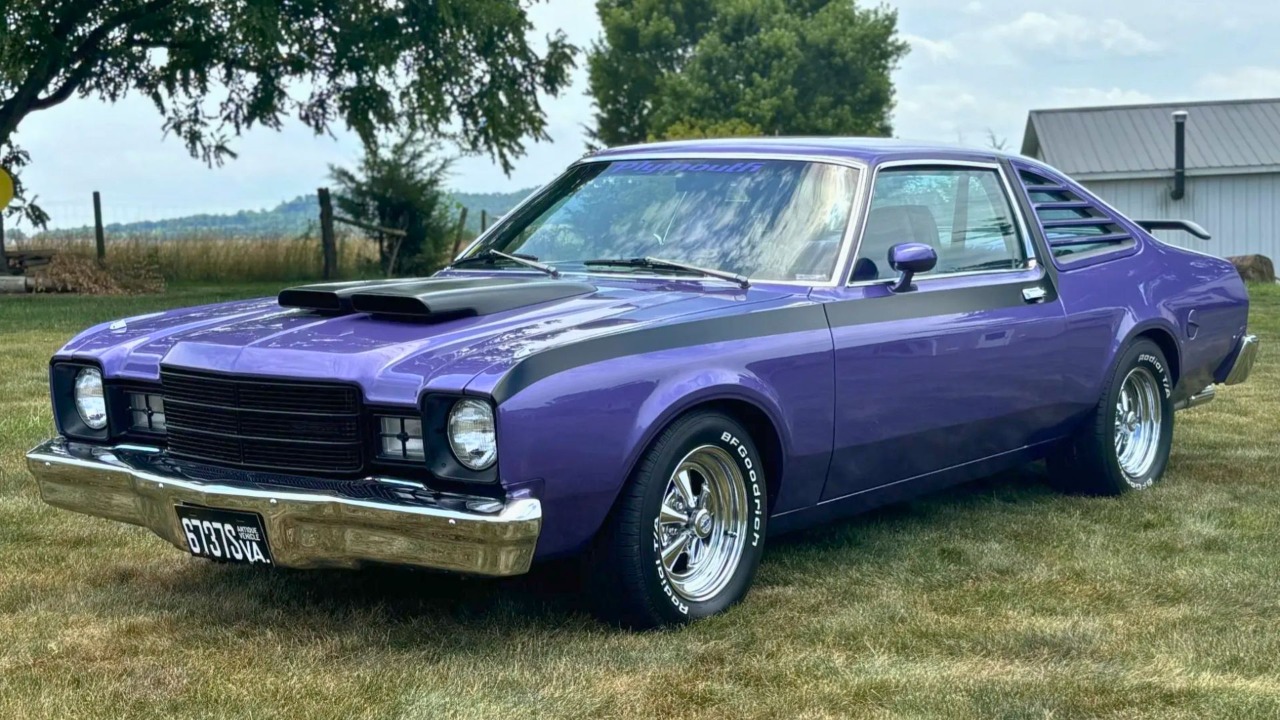
The Plymouth Volaré Road Runner was introduced in 1976 as a continuation of the Road Runner legacy. However, this iteration fell short, primarily due to its uninspired design and lackluster engine options. The focus on fuel efficiency during this era heavily influenced the Volaré, resulting in a car that lacked the power and excitement of its predecessors.
Despite its iconic nameplate, the Volaré Road Runner failed to capture the spirit of a true muscle car. It highlights how shifting market demands can sometimes lead to vehicles that miss the mark in terms of both performance and appeal.
Mercury Cougar (1980-1982)
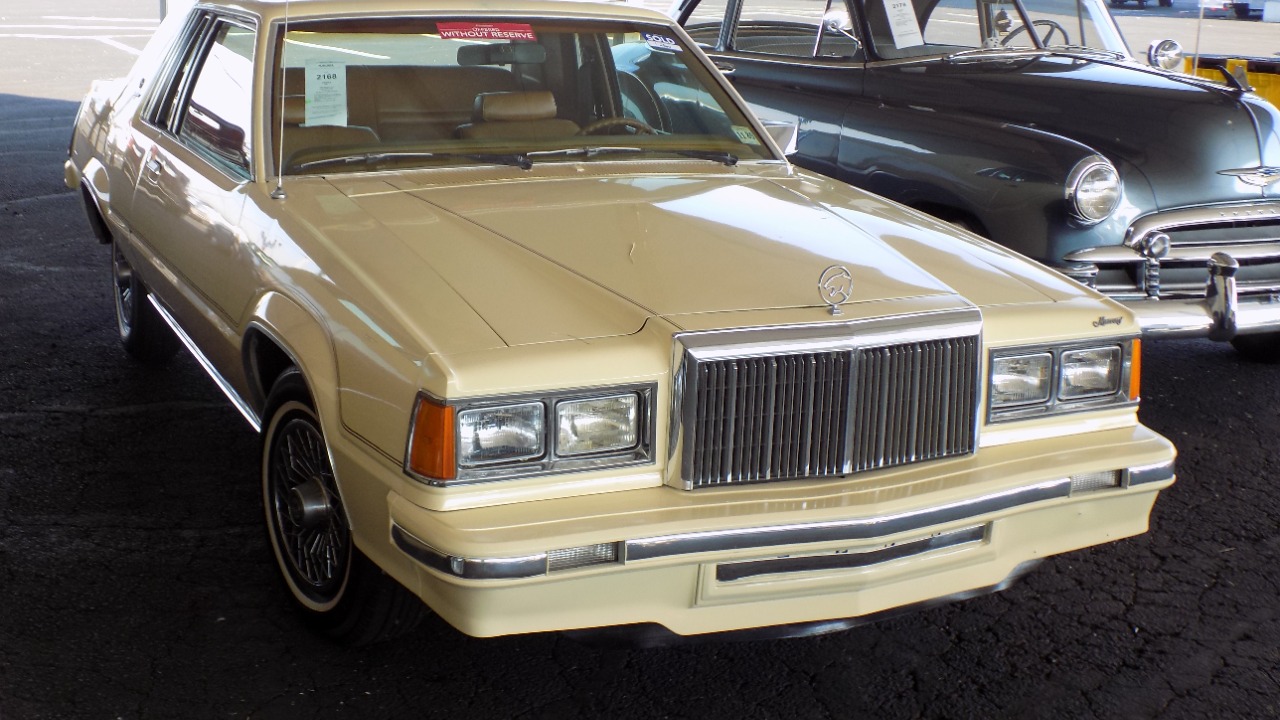
The early 1980s Mercury Cougar represented a significant departure from its muscle car roots. This model was more of a luxury coupe than a performance vehicle, featuring a softer ride and less aggressive styling. The available V8 engines were detuned, contributing to the Cougar’s lackluster performance during this period.
As a result, the 1980-1982 Cougar failed to connect with muscle car enthusiasts, instead appealing to a different demographic. This era of the Cougar is often seen as a missed opportunity to continue the car’s high-performance legacy.
AMC Matador X
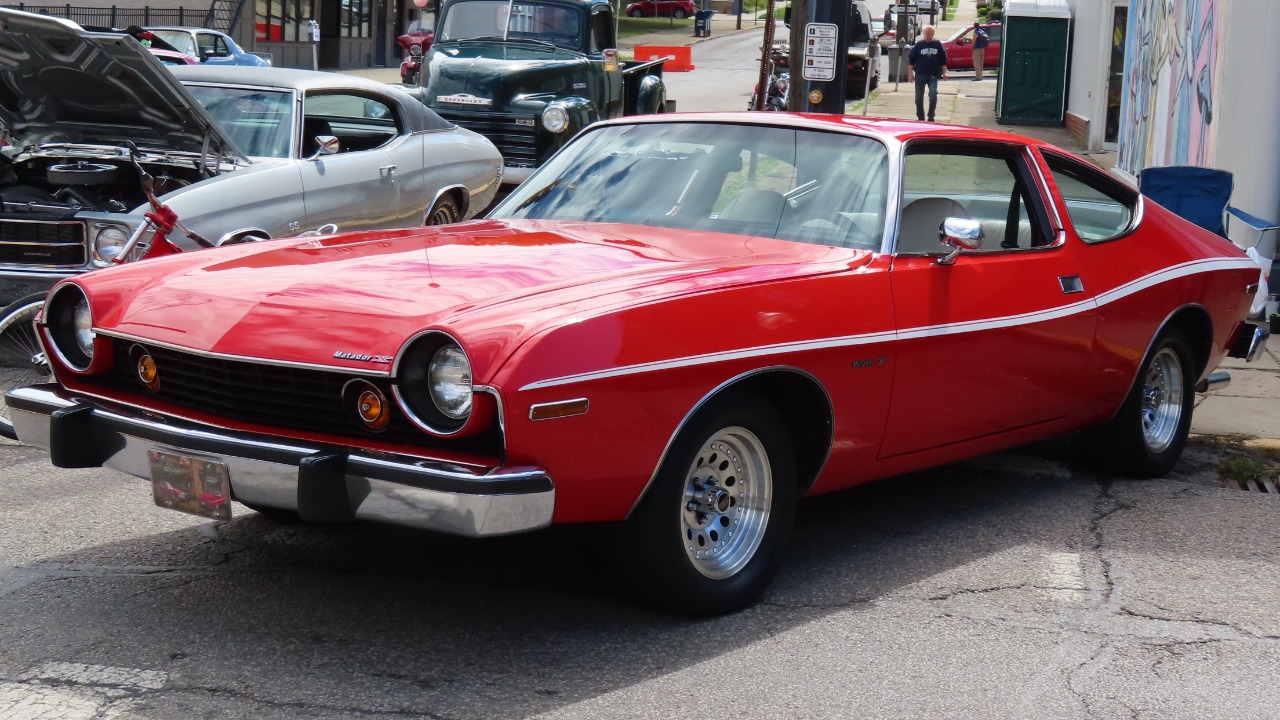
The AMC Matador X attempted to inject some performance into the Matador lineup with a sportier design and upgraded engine options. However, it didn’t quite achieve the performance levels expected of a muscle car. The Matador X struggled to compete with more established models, both in terms of power and styling.
Despite its unique appearance, the Matador X didn’t resonate with the muscle car audience. It’s a classic example of a car that, while ambitious, couldn’t muster the qualities required to stand out in a highly competitive segment.
Oldsmobile 442 (1978-1979)
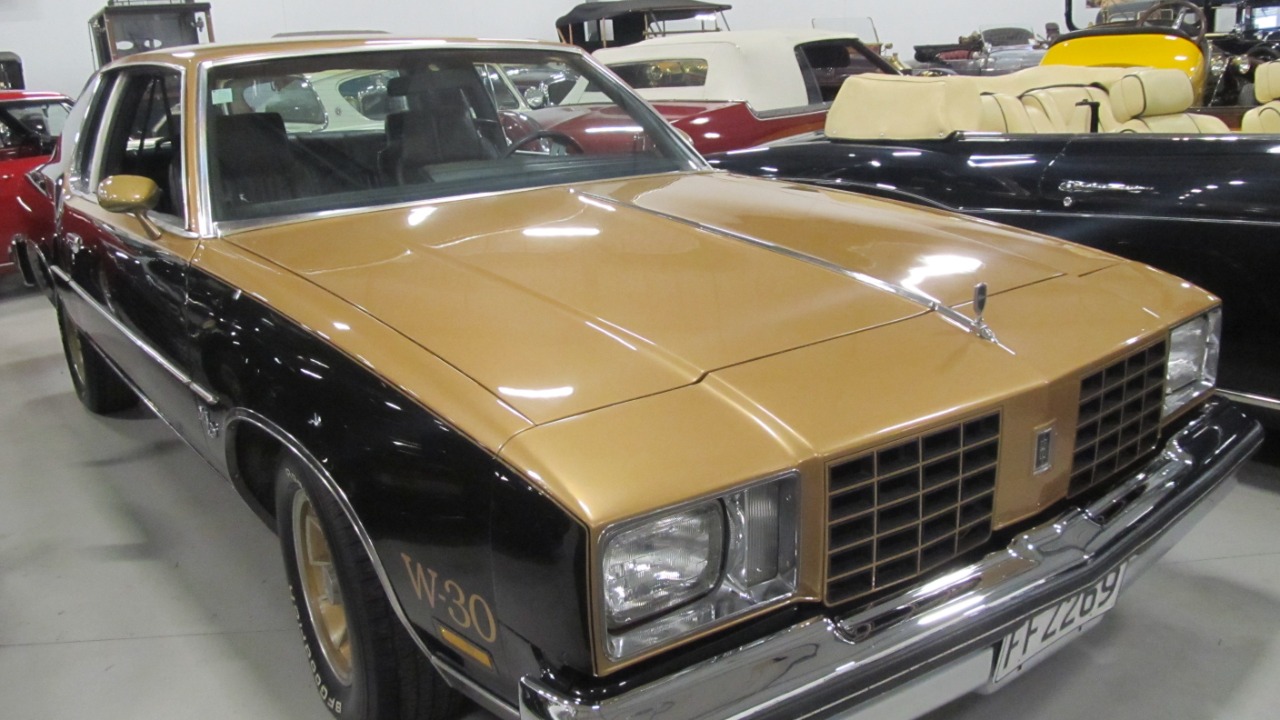
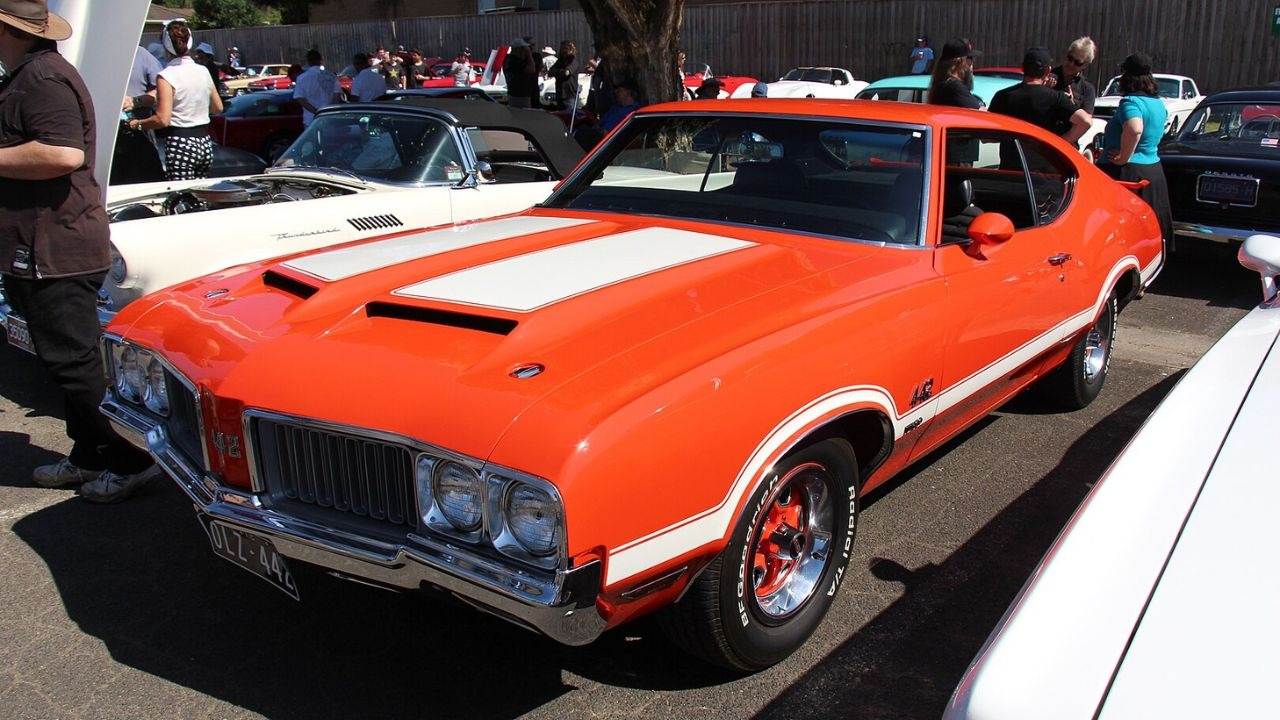
The Oldsmobile 442 enjoyed a strong reputation in the late ’60s and early ’70s, but by 1978, it had lost much of its muscle car identity. The 442 of this era was more of an appearance package, with performance taking a backseat. The once-potent V8 engines were detuned, and the focus had shifted towards comfort and style.
As a result, the 1978-1979 Oldsmobile 442 was unable to live up to the storied legacy of its predecessors. It serves as a reminder of how external factors, such as emissions regulations, can dilute the essence of a classic muscle car.
Buick Grand National (1987) – Non-Intercooled Version
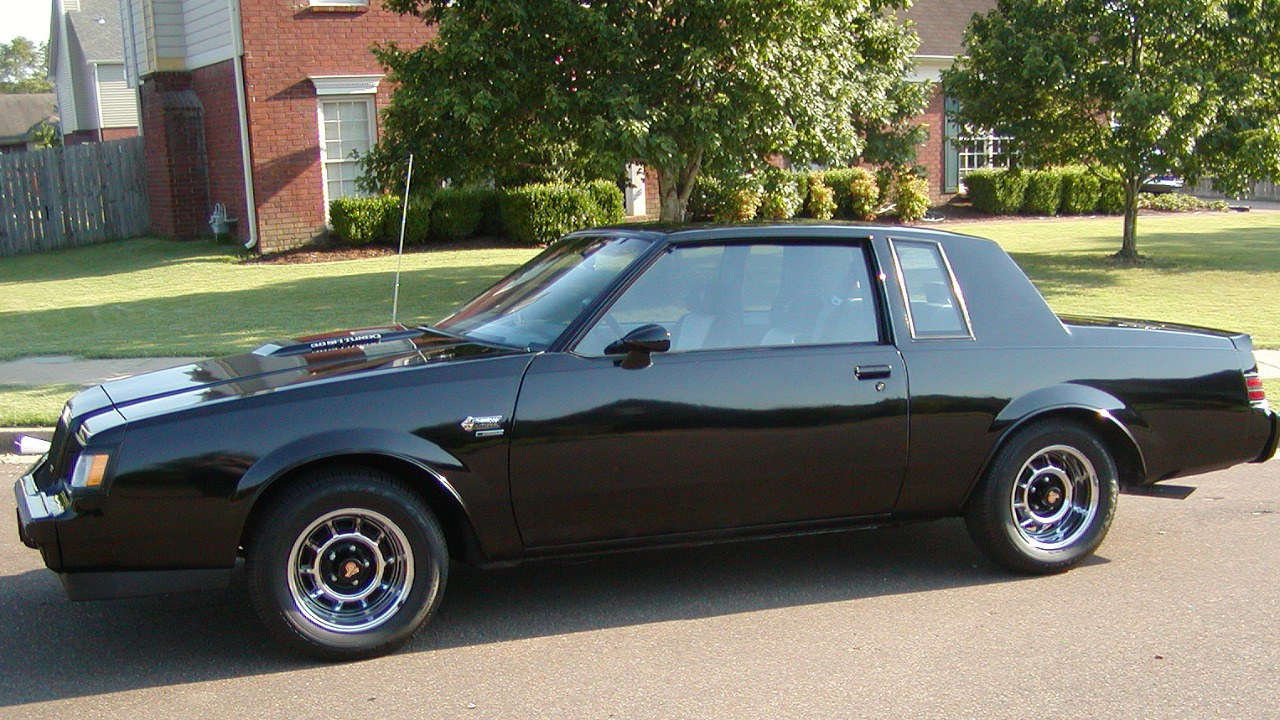
The Buick Grand National is often celebrated for its turbocharged performance and menacing looks. However, the non-intercooled version of the 1987 model didn’t deliver the same level of excitement. Without the intercooler, the engine’s potential was limited, resulting in reduced performance compared to the more popular intercooled versions.
While still a capable vehicle, the non-intercooled Grand National didn’t embody the full potential of Buick’s offerings at the time. This variant reminds us that even small changes can significantly impact the performance and reception of a vehicle.
For more insights into automotive missteps, don’t miss checking out some of the most embarrassing muscle cars ever produced.
Like Fast Lane Only’s content? Be sure to follow us.