

Muscle cars and ponycars get lumped together all the time, but they were never meant to be the same thing. Muscle cars were big, brash, and built to haul. Ponycars were lighter, more nimble, and aimed at younger buyers who wanted style without sticker shock. Both delivered performance—but in very different ways.
This article stacks five muscle cars against five ponycars, showing how each earned its place in the history books. Some leaned on brute force. Others went for balance. But all of them carved out their own slice of American car culture—one burnout at a time.
1970 Chevrolet Chevelle SS 454 – Muscle Car Might
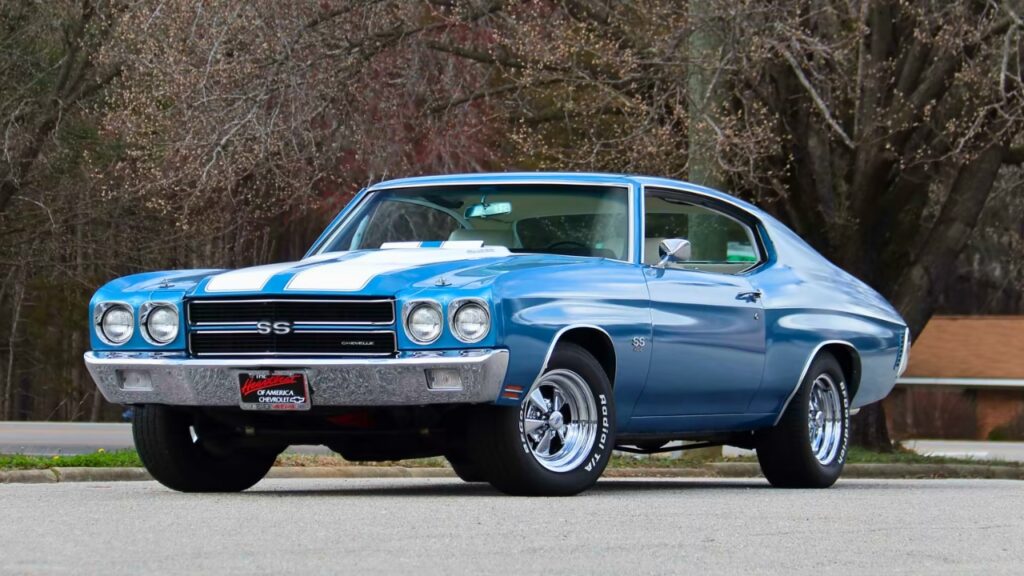
The 1970 Chevelle SS 454 LS6 is one of the most powerful muscle cars of the era. With a 454-cubic-inch V8 making a factory-rated 450 horsepower and 500 lb-ft of torque, it was built for straight-line domination. Backed by a heavy-duty suspension and available 4-speed manual, it was a street brawler in every sense.
Only around 4,475 LS6 Chevelles were produced, making them highly sought-after today. Inside, it was all business—vinyl buckets, basic gauges, and an optional cowl-induction hood that let everyone know it meant business. It wasn’t flashy. It was fast. And that was enough.
1965 Ford Mustang GT – The Original Ponycar

The Mustang GT wasn’t the fastest car in 1965, but it changed everything. Powered by a 289 cubic inch V8 with up to 271 horsepower, it was quick, affordable, and stylish. It had a long hood, short deck, and a price under $2,500—which helped Ford move over 560,000 units in its first full year.
What set the Mustang apart was its identity—it wasn’t trying to be a muscle car. It was sporty, nimble, and designed for younger drivers. It kickstarted the ponycar class and proved you didn’t need brute force to make a performance car people wanted.
1971 Plymouth GTX 440 – Muscle Car with Authority
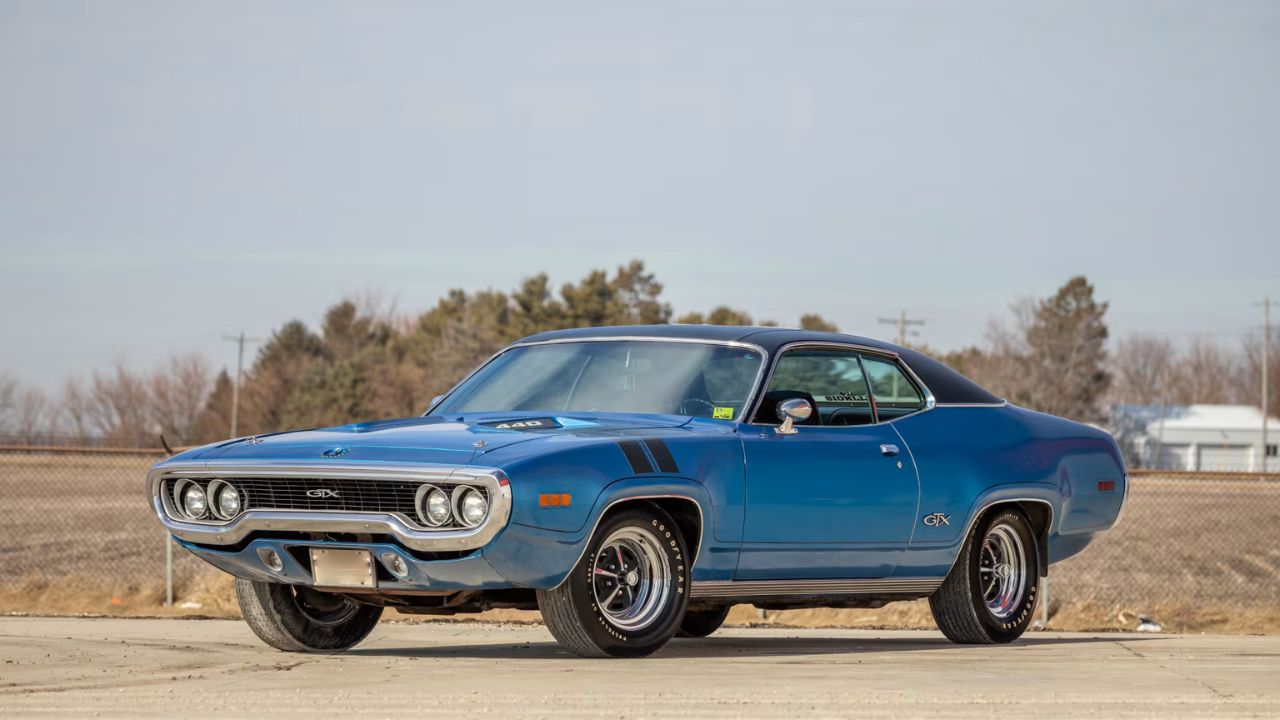
The 1971 Plymouth GTX came standard with a 440-cubic-inch Super Commando V8 producing 375 hp, and it could be upgraded to the legendary 426 HEMI. It was built on the larger B-body platform, making it heavier than most ponycars, but that extra weight came with serious torque.
Only 2,942 GTXs were built in ’71, making it a rare breed. It featured a more upscale interior than the Road Runner and had standard goodies like a Rallye gauge cluster and heavy-duty suspension. This was a car that didn’t need to shout—its exhaust note did the talking.
1967 Chevrolet Camaro SS 350 – GM’s Ponycar Response
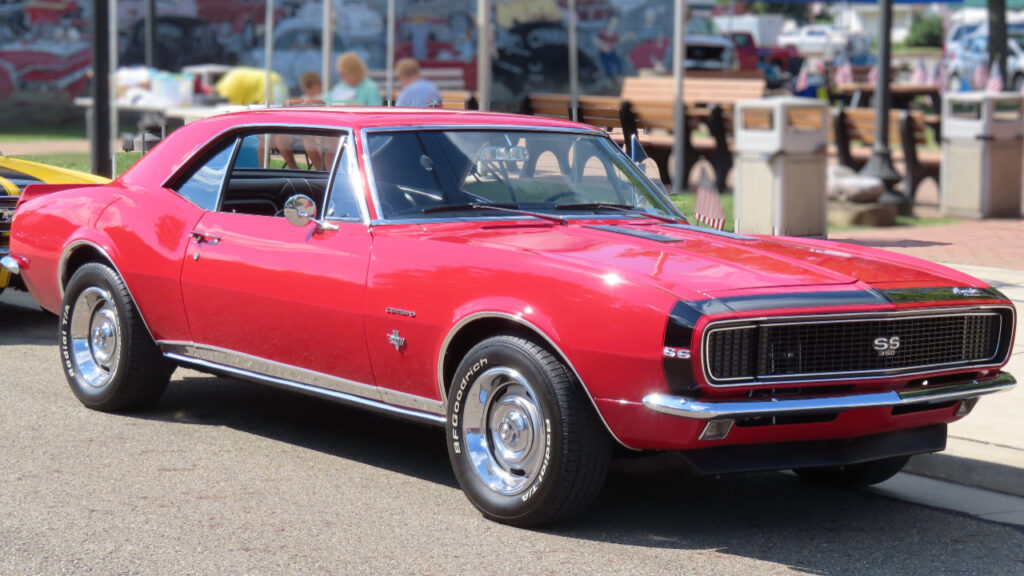
Chevy’s answer to the Mustang came in 1967 with the Camaro. The SS 350 trim came with a 295-hp small-block V8, making it quicker than the standard Mustang and a legitimate performance option for everyday buyers. Chevy sold over 220,000 Camaros in its debut year.
The Camaro SS handled better than most of its muscle-bound cousins thanks to its smaller size and tighter chassis. Inside, it kept things simple—just the essentials with a sporty edge. It showed GM could compete in the ponycar arena without building a full-blown muscle car.
1970 Buick GSX Stage 1 – Undercover Muscle
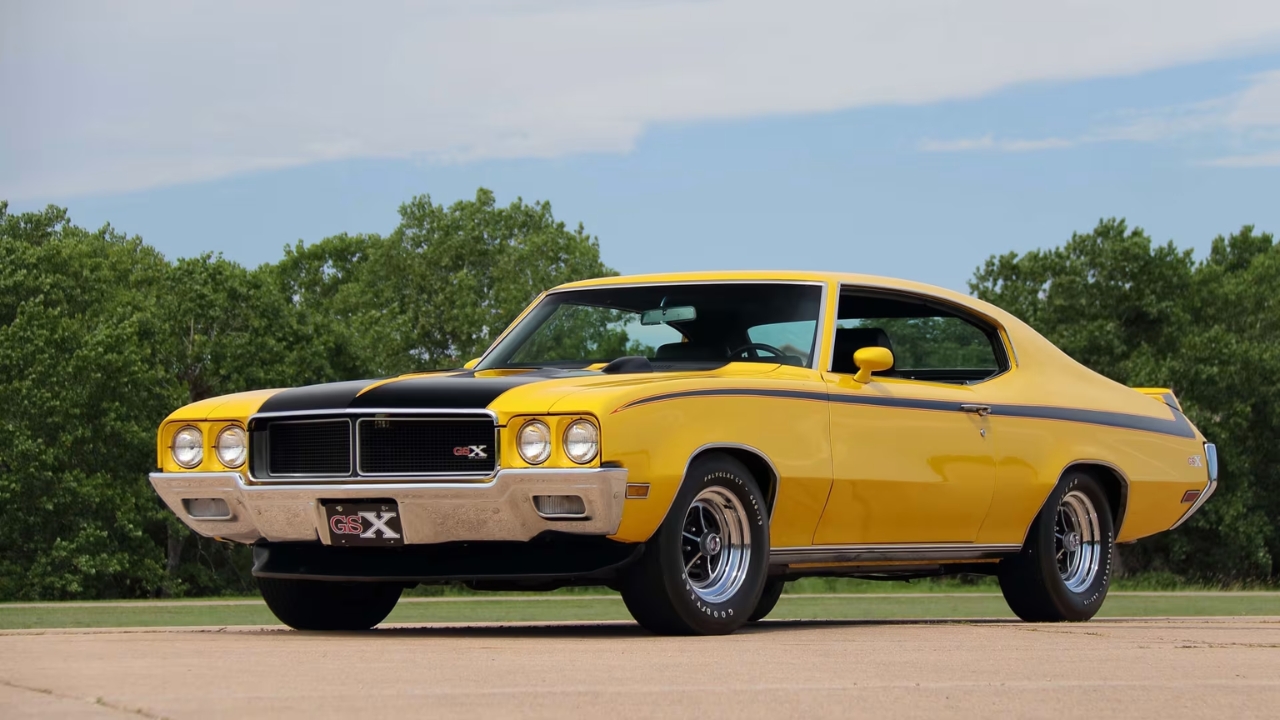
The 1970 Buick GSX Stage 1 was a luxury-based muscle car that came loaded with torque and attitude. Its 455-cubic-inch V8 produced 510 lb-ft—more than any other factory engine that year. Rated at 360 hp (conservatively), the Stage 1 could hit 13s in the quarter-mile with ease.
Only 678 GSX units were built in 1970, most in Saturn Yellow or Apollo White. It had functional hood scoops, front and rear spoilers, and sport-tuned suspension. Inside, it retained Buick’s upscale appointments, proving a muscle car didn’t need to be crude to be fast.
1970 Dodge Challenger R/T SE – Big Engine, Ponycar Size

The Challenger R/T might blur the line a bit—it was Mopar’s largest ponycar, but it still fit the bill. With engine options ranging from the 383 Magnum to the 426 HEMI, it had real muscle under the hood. The SE package added leather, woodgrain, and a vinyl roof for a touch of class.
In 1970, Dodge sold just over 83,000 Challengers, with a fraction being R/T SEs. It offered ponycar styling with near-muscle car specs. It wasn’t as tossable as a Mustang or Camaro, but it looked mean and backed it up with real horsepower.
1969 Pontiac GTO Judge – Pure Muscle with Flair
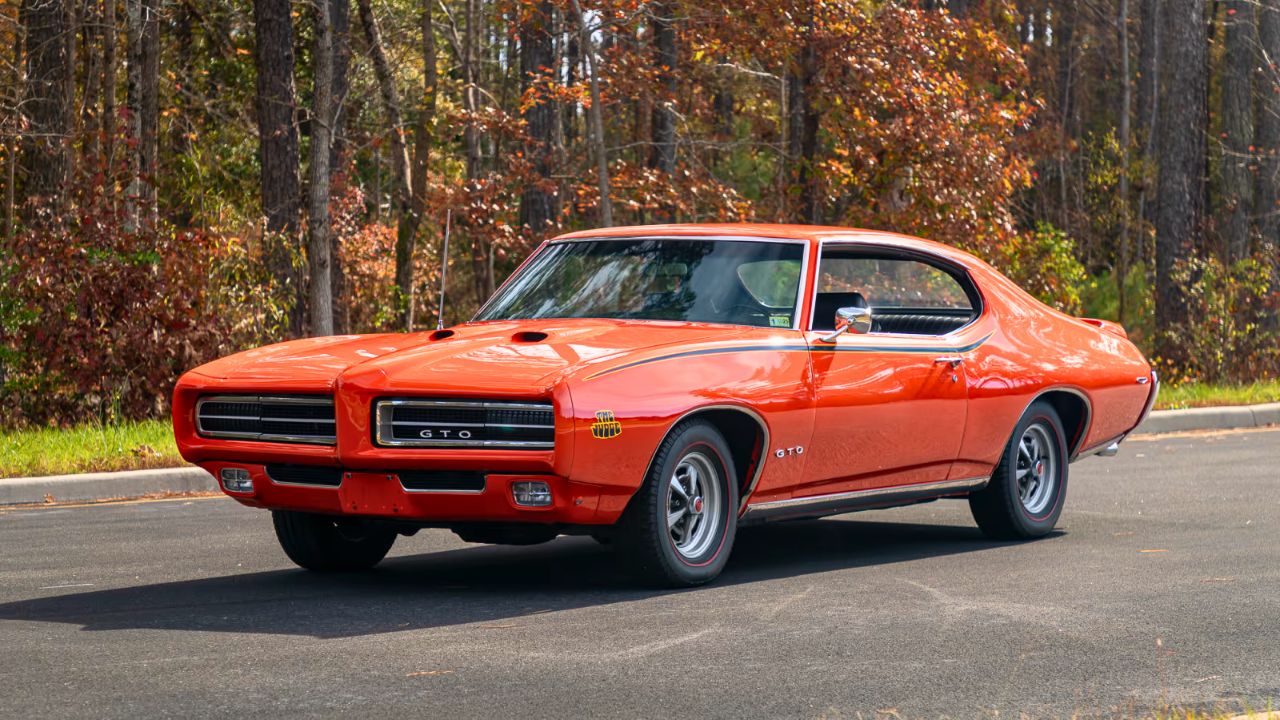
The 1969 GTO Judge wasn’t just fast—it had attitude. Powered by a 400-cubic-inch Ram Air III engine making 366 hp, or the optional Ram Air IV with 370 hp, it delivered serious street performance. With bold graphics, a rear spoiler, and hood scoops, it made sure you saw it coming.
Pontiac built around 6,725 Judges in ’69, making it relatively rare. Inside, it offered bucket seats, a Hurst shifter, and rally gauges. While the standard GTO was already a muscle icon, the Judge added a layer of brash styling to go with its brutal acceleration.
1971 Ford Mustang Mach 1 – The Grown-Up Ponycar
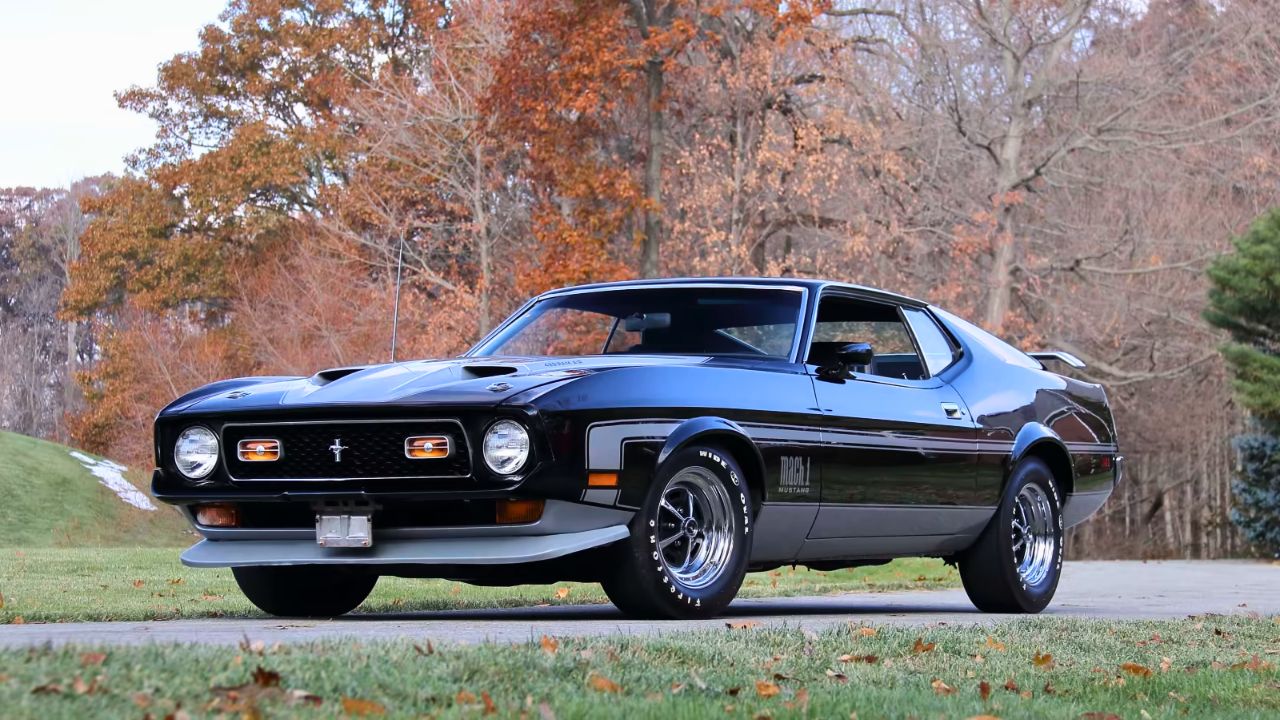
By 1971, the Mustang had grown substantially, but the Mach 1 still held onto its ponycar roots. The base engine was a 302, but serious buyers opted for the 351 Cleveland or the 429 Super Cobra Jet. Even with the extra size, it remained more compact than a full muscle car.
The ’71 Mach 1 offered a competition suspension, matte black hood, and optional Mach 1 interior with sports buckets. It wasn’t quite as nimble as earlier Mustangs, but it still captured the essence of a ponycar with more room and a stronger punch.
1970 Oldsmobile 442 W-30 – Muscle Refined
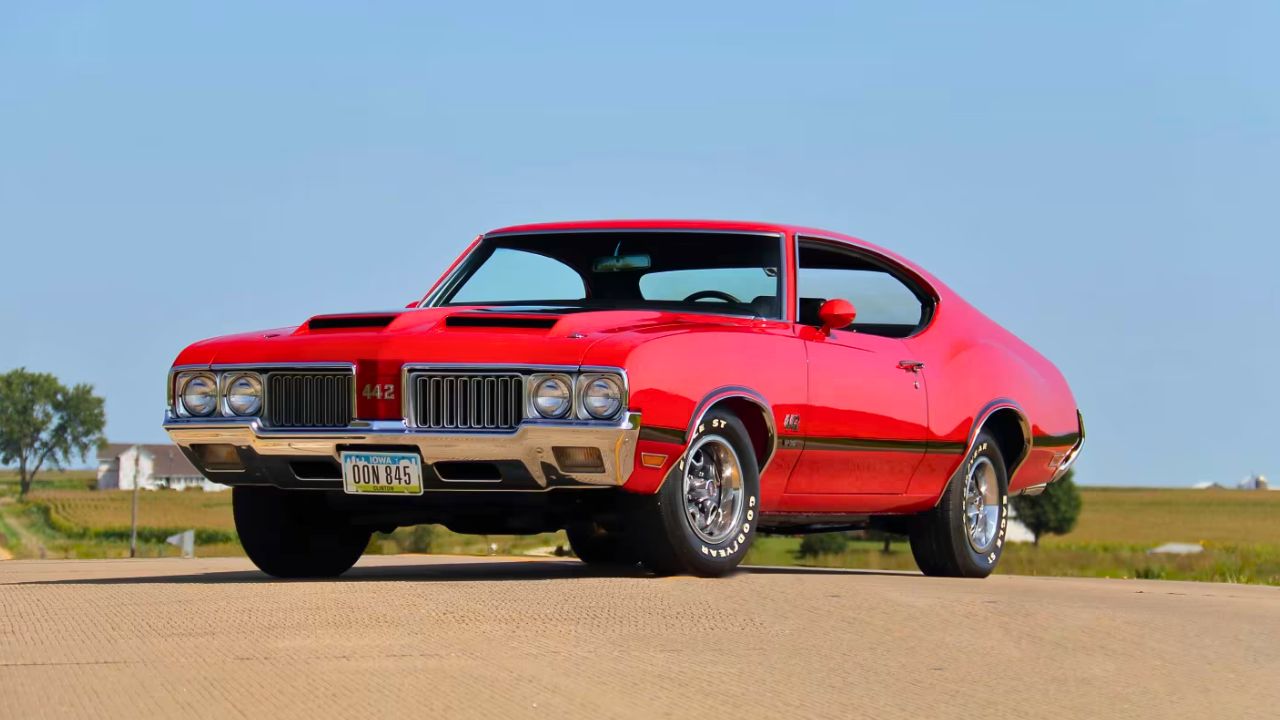
The 1970 Olds 442 W-30 wasn’t the loudest in the room, but it had the power to shut it down. Its 455-cubic-inch V8 with the W-30 package produced 370 hp and 500 lb-ft of torque. It came with a fiberglass hood, aluminum intake, and functional scoops straight from the factory.
Only about 3,100 W-30s were built that year, making it a rare muscle machine. Inside, the 442 leaned upscale, with plush seating and optional features like air conditioning. It was proof that raw power and refinement didn’t have to be mutually exclusive.
1969 AMC Javelin SST – The Underdog Ponycar

AMC’s Javelin SST often gets overlooked, but in 1969 it was a legitimate ponycar contender. With optional engines up to the 390 V8 making 315 hp, it had enough muscle to hang with the Big Three. AMC sold just over 56,000 Javelins that year, including fewer SST models with performance upgrades.
The SST offered racing-inspired styling, a clean dash layout, and features like reclining bucket seats and console-mounted tach. It wasn’t as polished as a Camaro or Mustang, but it had charm—and in the right spec, real performance credibility.
Like what you read? Here’s more by us:
*Created with AI assistance and editor review.


Leave a Reply