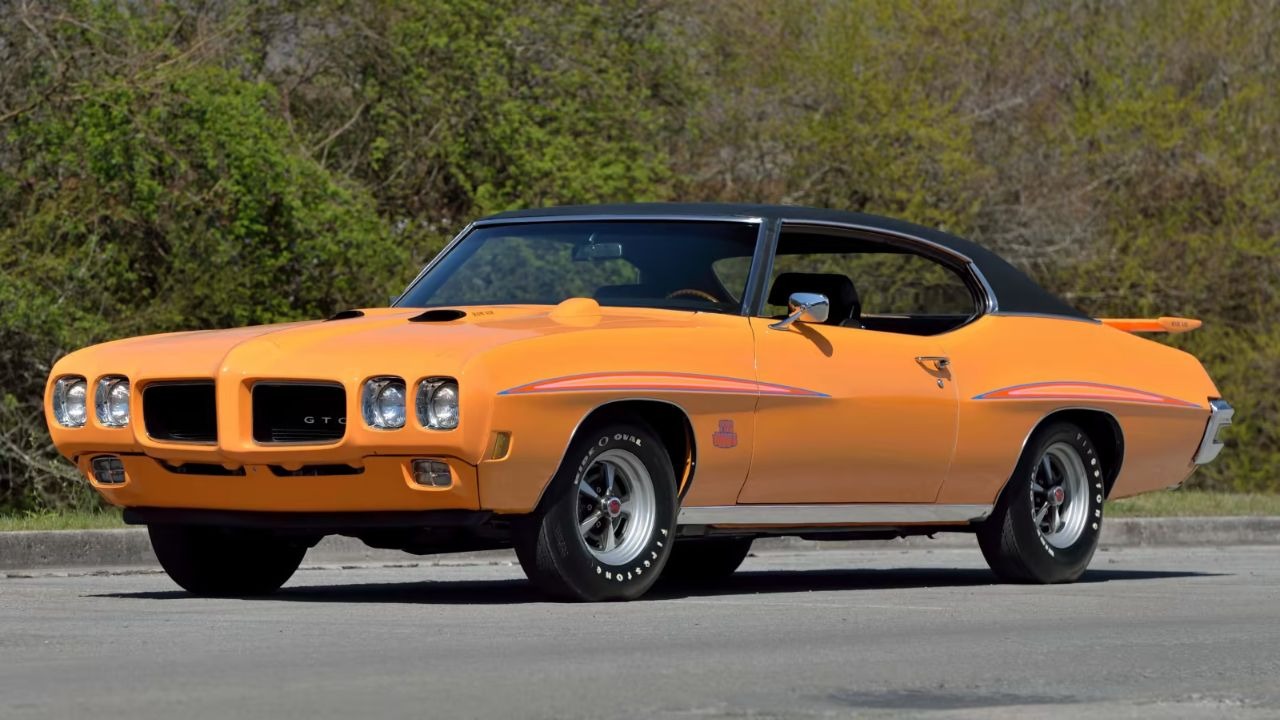
Muscle cars have always been a symbol of raw power and speed. Some of the most iconic models came with factory race parts that were designed to dominate the tracks. However, many of these parts were underutilized, left to gather dust in garages or on showroom floors. Let’s explore a list of muscle cars that came equipped with race-ready components that were seldom used to their full potential.
1969 Chevrolet Camaro ZL1
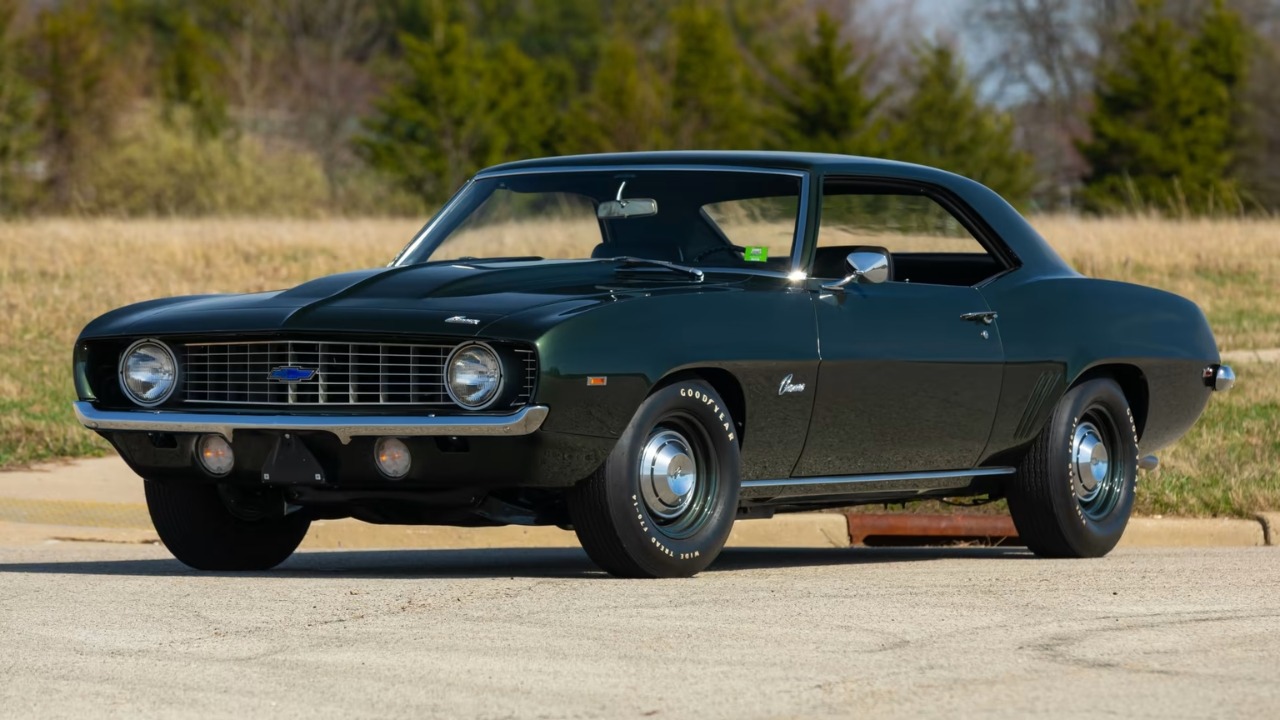
The 1969 Chevrolet Camaro ZL1 was a powerhouse, featuring the legendary all-aluminum 427 cubic inch V8 engine. This engine was originally developed for racing and was capable of producing over 500 horsepower. Despite its potential, the ZL1 was produced in limited numbers, with just 69 units made, and many were never raced. The high cost and limited availability meant that most of these cars stayed in collectors’ hands rather than hitting the track.
Equipped with heavy-duty suspension and brakes, the ZL1 was built to perform. Yet, its primary audience was enthusiasts who admired it as a collector’s item. The combination of rarity and expense kept it off the race circuits, leaving its factory race parts mostly unused.
1969 Dodge Charger 500
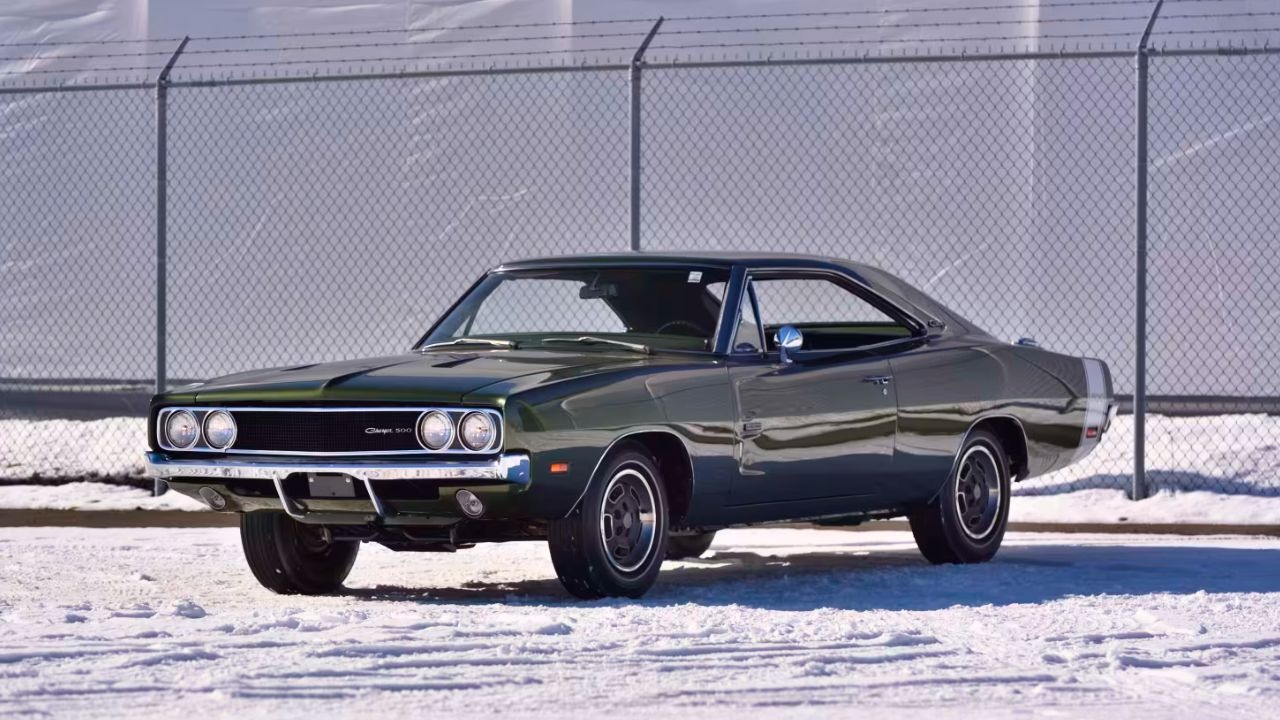
The 1969 Dodge Charger 500 was built for NASCAR, featuring aerodynamically enhanced bodywork and a powerful 426 Hemi engine. This model was intended to compete with the best on the track, but due to production delays and changes in NASCAR regulations, it didn’t achieve the success it was designed for.
With its flush grille and rear window, the Charger 500 was a masterpiece of engineering that promised speed and agility. However, its transition to street use meant that the racing components were often underutilized, and many ended up as high-performance street cars rather than racing legends.
1970 Plymouth Superbird
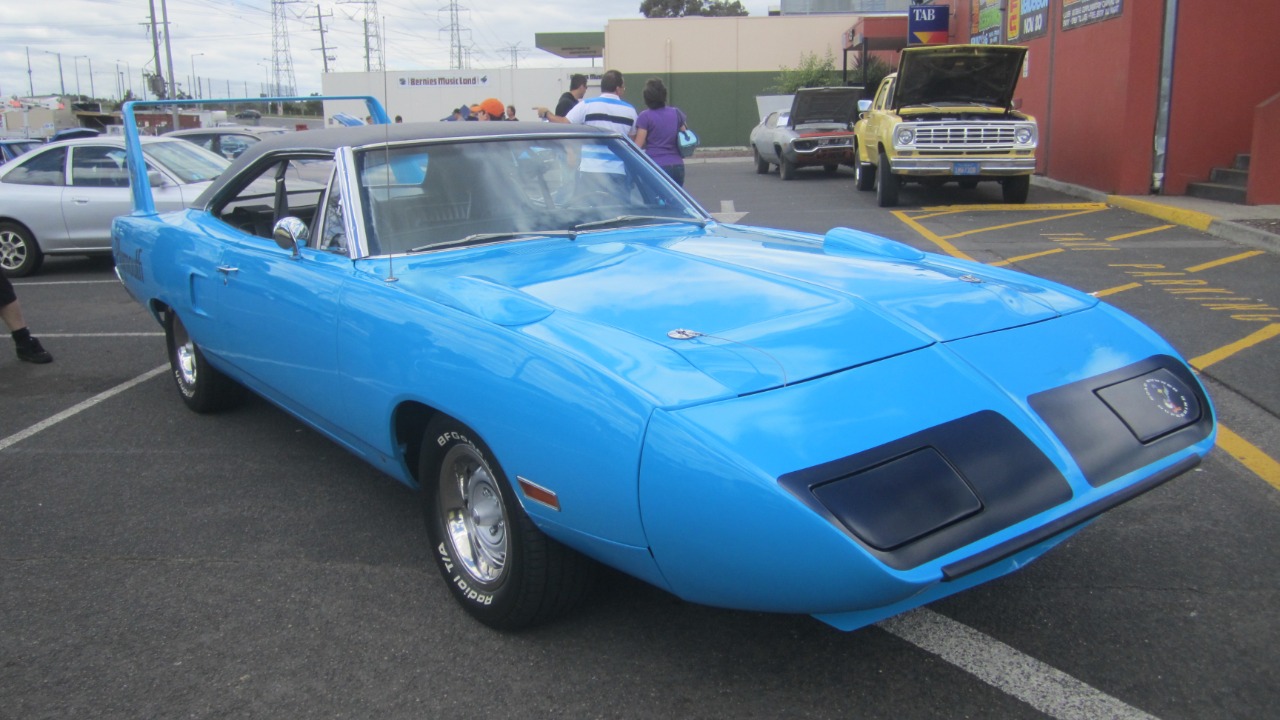
The 1970 Plymouth Superbird was a true racing icon, designed specifically for NASCAR. It featured a distinctive aerodynamic nose cone and a massive rear wing, which made it ideal for high-speed racing. Under the hood, it boasted a powerful 426 Hemi V8 engine, capable of impressive speeds.
Despite its racing pedigree, the Superbird’s radical design made it a hard sell to the general public. Many ended up as collector’s items rather than race cars. Its factory race parts, including the advanced suspension system, were rarely tested on the track.
1966 Shelby GT350R
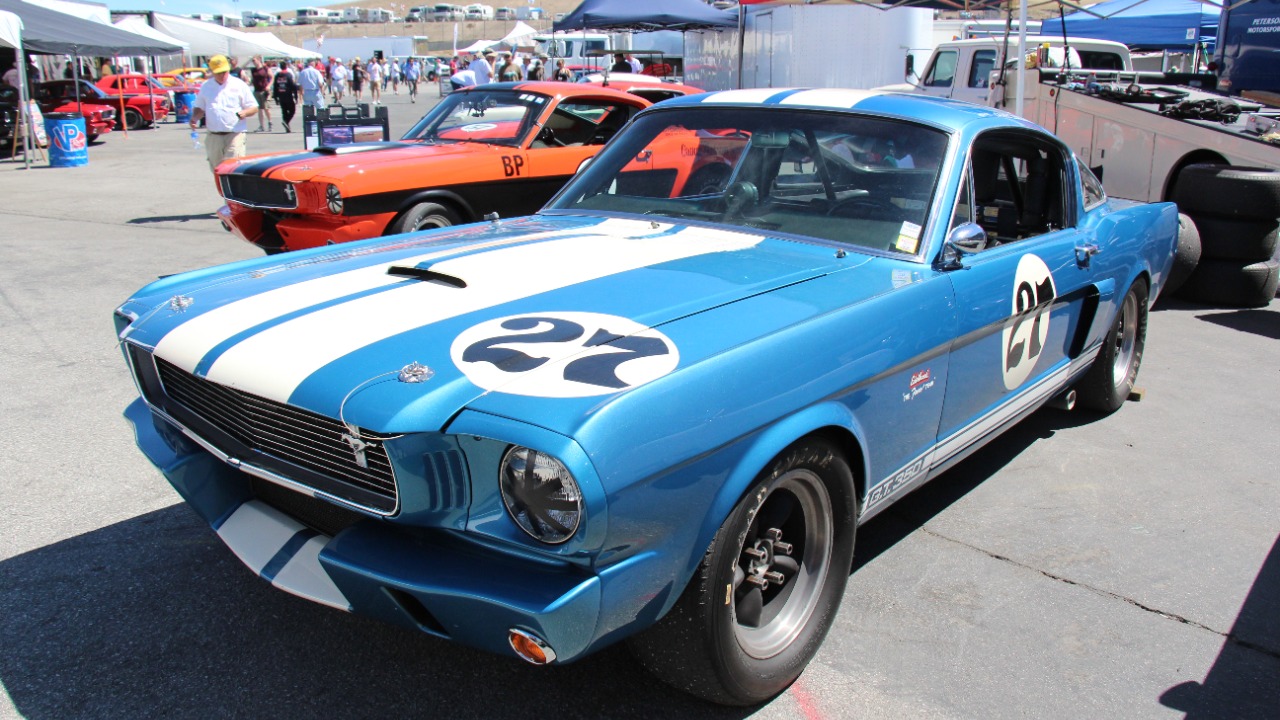
The 1966 Shelby GT350R was a bare-bones racing machine, stripped of unnecessary weight and equipped with a high-performance 289 cubic inch V8 engine. It was built for the track, yet only 34 units were produced, and few saw actual racing action.
With its adjustable suspension and competition brakes, the GT350R was ready to race right out of the factory. However, its scarcity and value as a collector’s item kept many from being used as intended, leaving its factory race parts largely untouched.
1964 Ford Thunderbolt
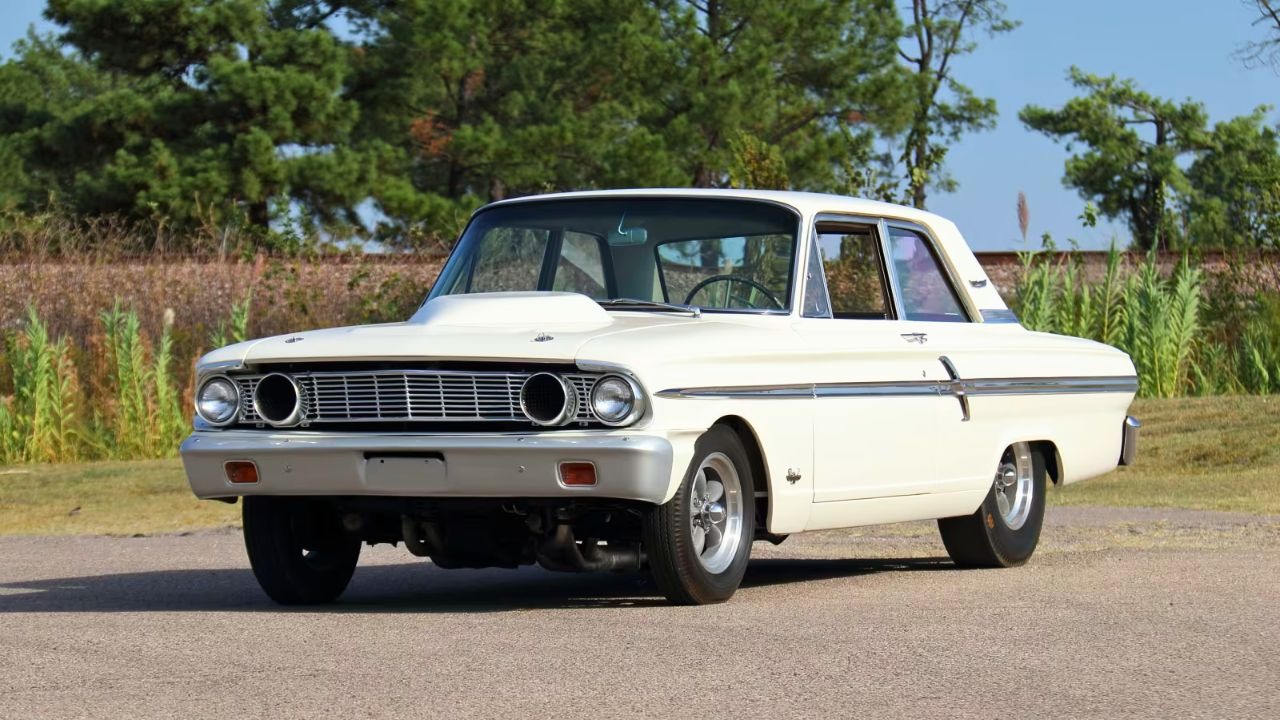
The 1964 Ford Thunderbolt was a drag racing champion, featuring a 427 cubic inch V8 engine and a lightweight body. Developed for NHRA competition, it was a formidable presence on the drag strip. Yet, its production was limited to just 100 units, and many were kept off the track.
Equipped with a fiberglass hood and trunk, the Thunderbolt was a purpose-built racer. However, its rarity and desirability as a collectible vehicle meant that many of its factory race parts were preserved rather than raced, adding to its mystique among enthusiasts.
1971 Pontiac GTO Judge
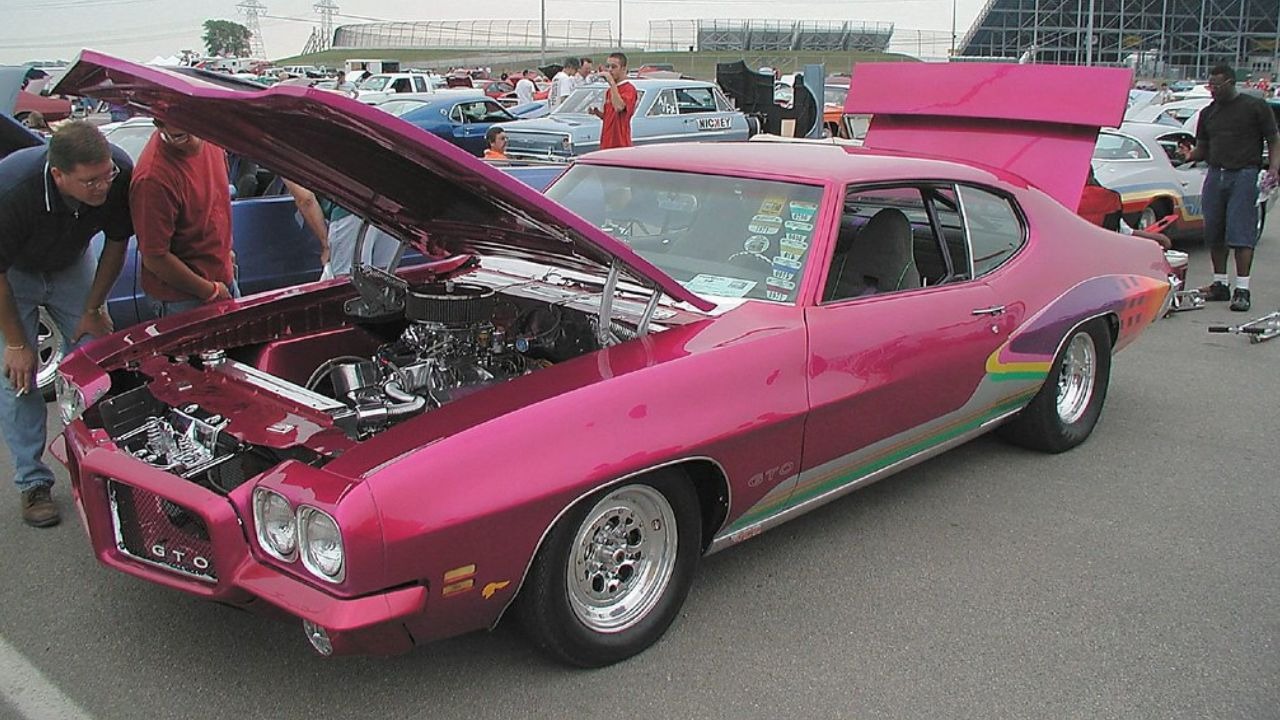
The 1971 Pontiac GTO Judge was a muscle car icon, featuring a 455 cubic inch V8 engine and advanced performance features. Despite its potential, the Judge was overshadowed by insurance costs and emissions regulations, leading to its decline in popularity.
While it was equipped with a Ram Air system and heavy-duty suspension, the GTO Judge was often used as a street machine. Its factory race parts, designed for high-speed performance, were seldom put to the test, leaving its racing pedigree largely unexplored.
1970 Dodge Challenger T/A
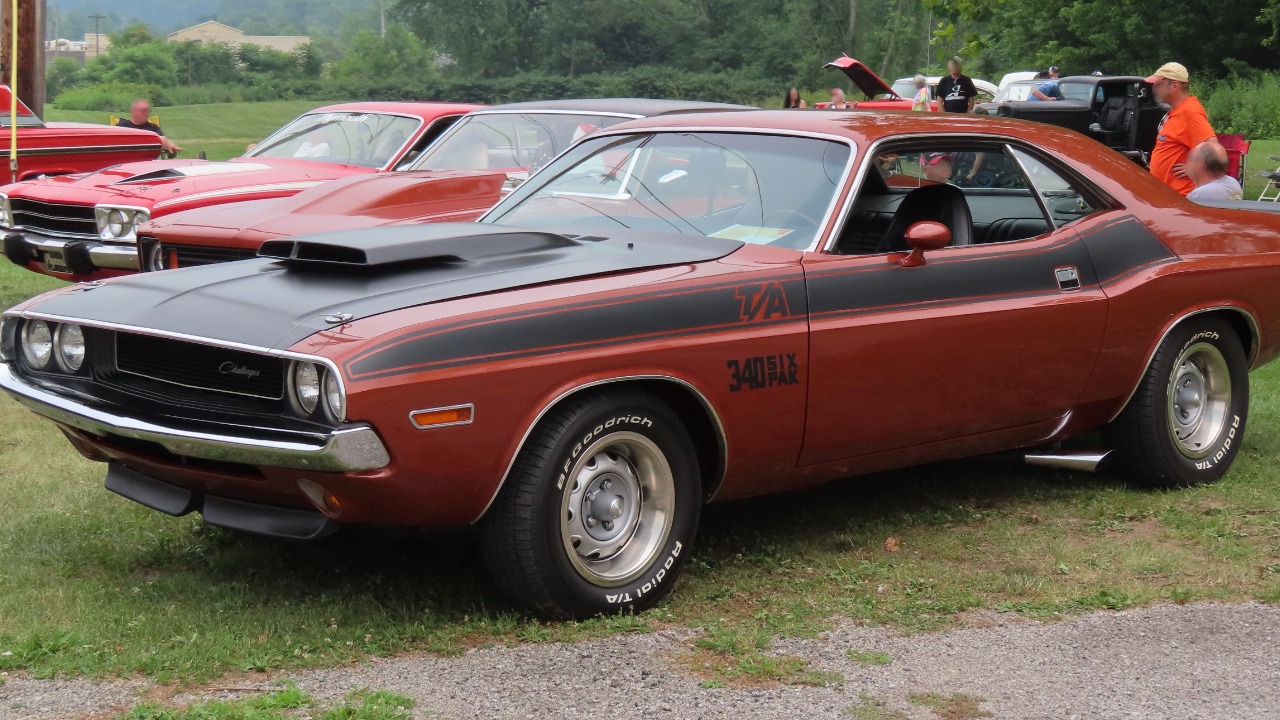
The 1970 Dodge Challenger T/A was a street-legal version of Dodge’s Trans-Am race car. Equipped with a 340 cubic inch Six-Pack engine and an enhanced suspension system, it was primed for competition. However, the T/A’s racing career was short-lived, and many were confined to the streets.
Despite its potential on the track, the Challenger T/A’s appeal as a street car meant that its factory race components were often not utilized. The car’s unique features, including its side-exit exhaust and fiberglass hood, remained more of a curiosity than a competitive advantage.
1970 Buick GSX Stage 1
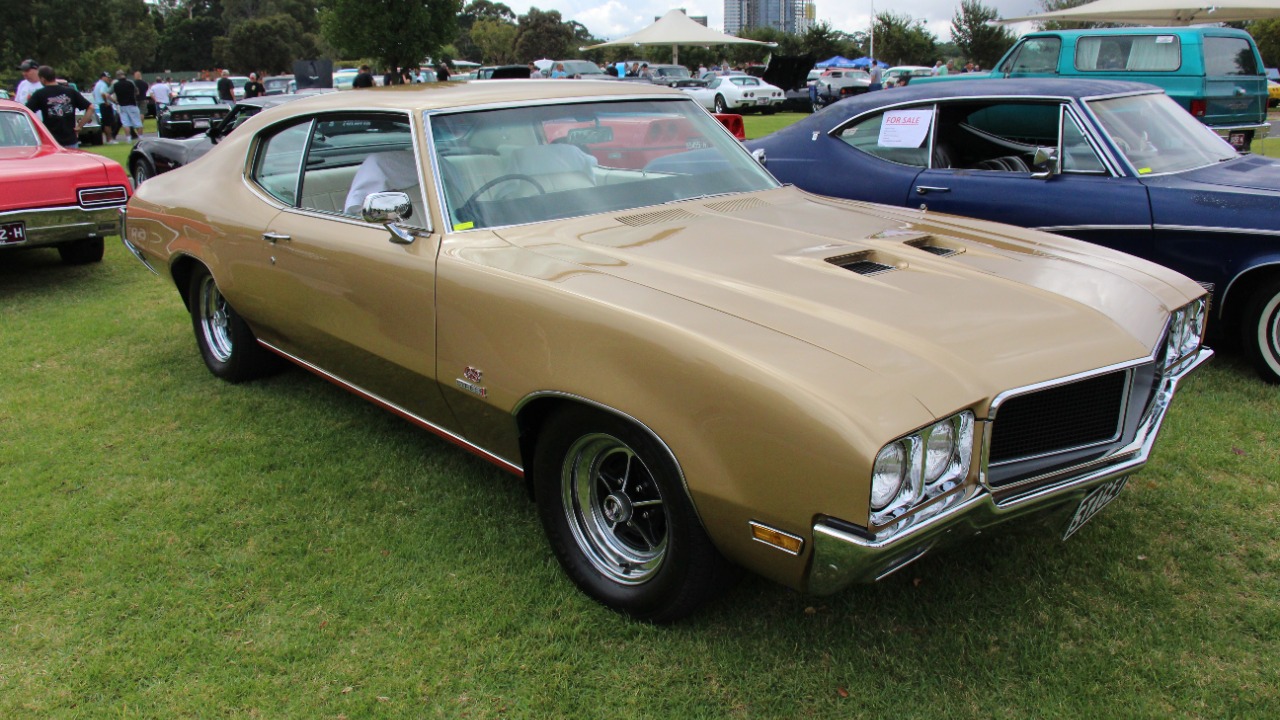
The 1970 Buick GSX Stage 1 was a high-performance version of the Gran Sport, featuring a 455 cubic inch V8 engine that produced 360 horsepower. With limited production numbers, it was a rare sight on the racetrack, despite its capabilities.
Equipped with a heavy-duty suspension and performance rear axle, the GSX Stage 1 was built for speed. However, it was often viewed as a luxury performance car rather than a track contender, leaving its race-ready parts largely unused.
1968 Mercury Cougar XR7-G

The 1968 Mercury Cougar XR7-G was a special edition model developed with input from racing legend Dan Gurney. It featured a selection of performance upgrades, including a competition suspension and a high-performance engine choice.
Despite its racing-inspired design, the XR7-G was primarily marketed as a luxury performance car. The combination of racing features and premium interior made it a desirable street car, leading to its factory race parts remaining mostly unused.
1969 Pontiac Firebird Trans Am
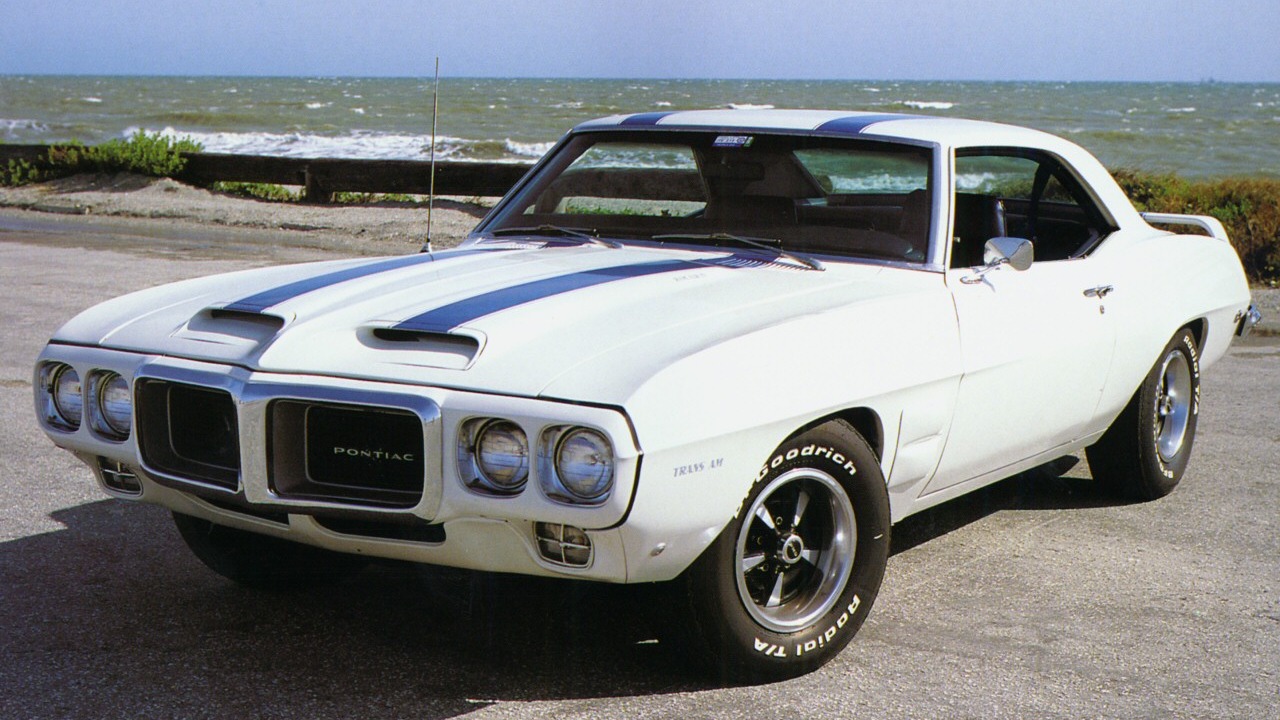
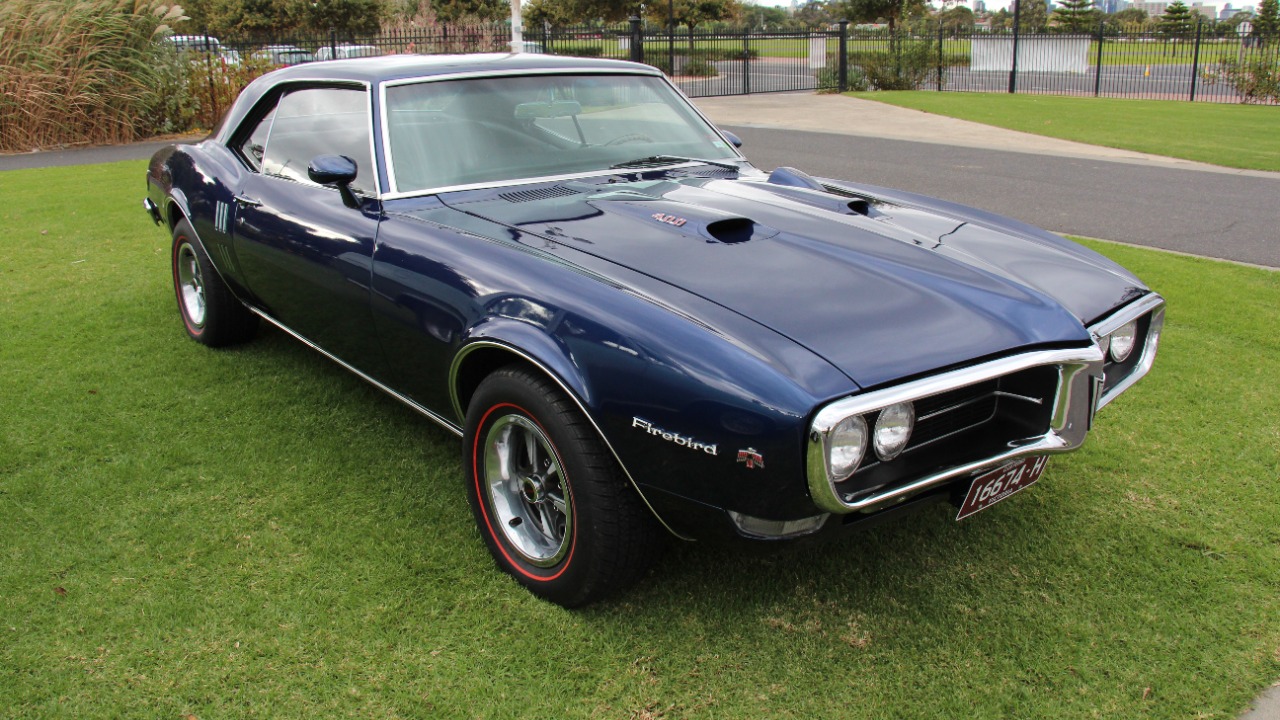
The 1969 Pontiac Firebird Trans Am was introduced as a performance-oriented model with a 400 cubic inch Ram Air engine. Though it was designed for Trans-Am racing, it saw limited track action due to its late introduction in the model year.
With its distinctive styling and performance upgrades, the Trans Am was a formidable machine. However, its late arrival and limited production meant that many of its racing features were not fully utilized, leaving its potential largely untapped.
1971 Oldsmobile 442 W-30
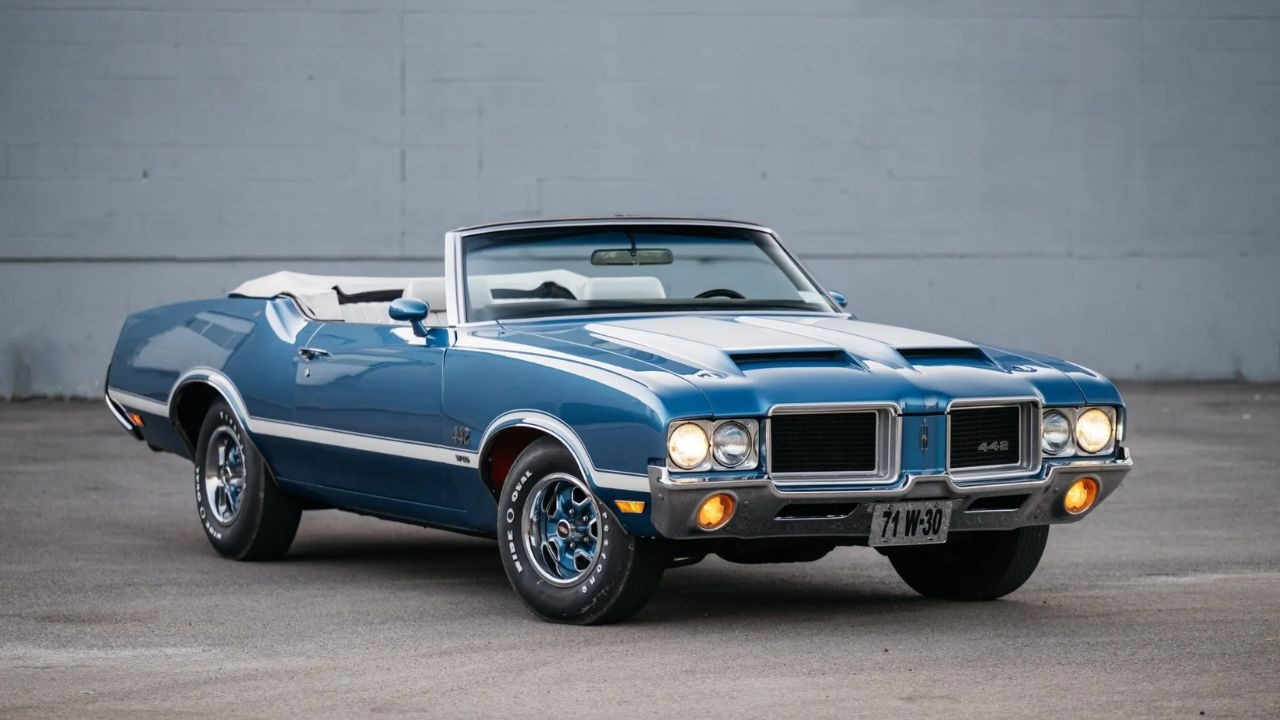
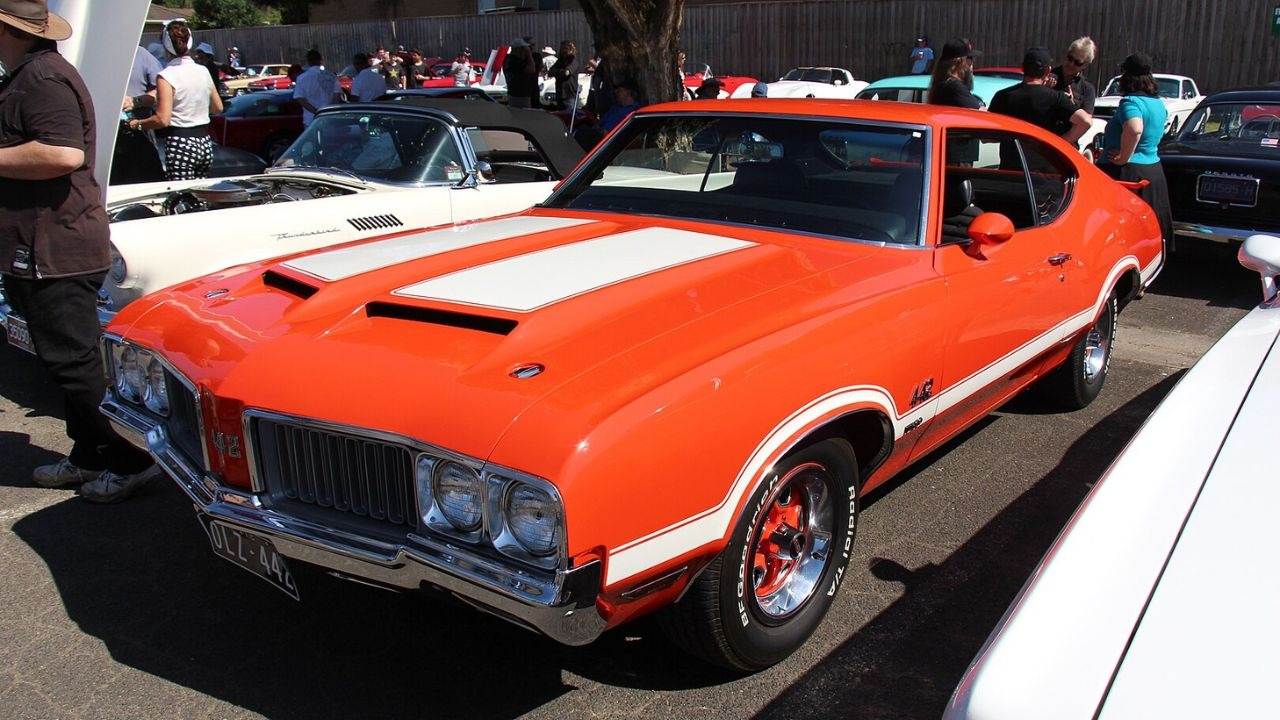
The 1971 Oldsmobile 442 W-30 was known for its powerful 455 cubic inch V8 engine and performance enhancements. Despite its capabilities, the 442 W-30 was often overshadowed by rising insurance rates and changing emissions standards.
Equipped with a functional Ram Air induction system and heavy-duty drivetrain, the 442 W-30 was built for performance. However, its use as a daily driver meant that its factory race parts were seldom put to the test, preserving its status as a collector’s item.
1970 AMC Rebel Machine
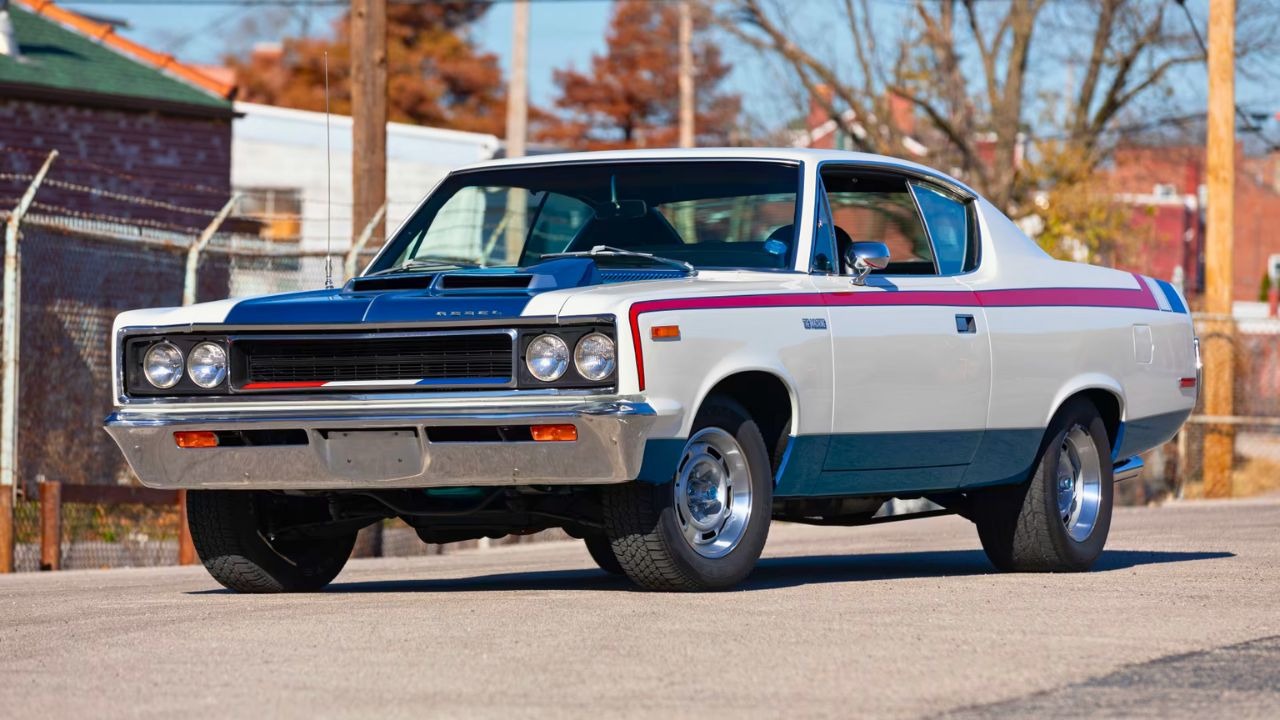
The 1970 AMC Rebel Machine was a bold entry into the muscle car market, featuring a 390 cubic inch V8 engine and a striking paint scheme. Although it was equipped with a competition-grade suspension and drivetrain, the Rebel Machine was often overlooked in the performance car market.
Despite its potential for racing, the Rebel Machine was more commonly seen as a street car. Its unique style and performance features were admired, but its factory race parts were largely unused, leaving its racing legacy unfulfilled.
Like Fast Lane Only’s content? Be sure to follow us.
Here’s more from us:
- All New Trans Am: 10 Things You Need to Know
- The Fastest Farm Truck Ever Built
*Created with AI assistance and editor review.