
Starting with the 2026 model year, a largely technical emissions rule is poised to reshape what many drivers pay for new gas powered cars in a growing list of states. As regulators tighten requirements on automakers to sell more electric models, companies are expected to adjust prices and product lineups in ways that could quietly push up the sticker price of popular gasoline vehicles.
At the center of this shift is a California led standard that other states are now copying, linking local car markets from the Pacific Coast to New England and potentially beyond. I see a policy that was framed around cutting pollution now colliding with household budgets, especially for buyers who still rely on internal combustion engines for work and daily life.
How a California rule spreads higher costs beyond its borders
The starting point is California’s long running effort to control tailpipe pollution through its Advanced Clean Cars program, which the California Air Resources Board, or CARB, has used to regulate light duty vehicle emissions through at least the 2025 model year. Regulators have now moved into a second phase, known as Advanced Clean Cars II, that tightens limits on conventional engines and requires a rising share of zero emission vehicle, or ZEV, sales all the way through 2035. Because automakers design national product plans around these rules, the cost of complying in one large market can spill into prices in others.
Advanced Clean Cars II, often shortened to ACCII, is not just a tailpipe standard, it is a sales mandate that compels manufacturers to deliver more battery electric and plug in hybrid models if they want to keep selling gasoline vehicles in participating states. One congressional summary notes that the regulation was Approved with a requirement that 35% of new car sales be compliant ZEVs in its early years, a figure that then ratchets higher over time. When I look at that structure, I see a built in incentive for companies to recover the cost of new electric offerings by charging more for the gas powered trucks and SUVs that remain in high demand.
The 2026 trigger: which states are tying themselves to ACCII
The quiet price shock for gas cars begins in earnest with the 2026 model year, when several states formally align their rules with California’s Advanced Clean Cars II framework. Industry analysis shows that California, Oregon, Washington State, New York, Massachusetts and Vermont have adopted ACC II starting in model year 2026, effectively importing California’s ZEV sales requirements into their own markets. For buyers in those states, the showroom mix and pricing of gasoline models will now be shaped by a rule written in Sacramento rather than by local legislatures.
Other states are lining up just behind that first wave, which magnifies the effect. The same industry memo indicates that additional jurisdictions plan to join the program in model year 2027, extending ACCII style mandates deeper into the national market. As more states sign on, automakers lose the option of treating California as an outlier and instead must treat the ACCII trajectory as the baseline, which I expect will further concentrate compliance costs on the remaining gas powered vehicles that keep fleets profitable.
Why gas powered models could get more expensive
Regulators in states adopting ACCII are explicit that the rules impose requirements on manufacturers to produce and sell vehicles that may have higher upfront costs, even if they promise lower fuel and maintenance expenses over time. One state level explanation of ACCII and the related Advanced Clean Trucks, or ACT, program notes that these rules can raise initial vehicle prices while delivering improvements in maintenance and longevity. That tradeoff might make sense over a full ownership cycle, but it still means a higher barrier at the dealership door for buyers who do not have the savings or credit to absorb a bigger down payment.
Critics in Congress have seized on that dynamic, arguing that mandates built around rapid electric vehicle adoption impose steep compliance costs on manufacturers and are projected to raise purchase prices for many popular gas powered vehicles. When I connect that warning to the 35% ZEV sales requirement embedded in Advanced Clean Cars II and the broader ACC framework, the economic logic is straightforward. If a company must discount electric models to hit a quota, it has every reason to offset those discounts by charging more for the gasoline pickups, crossovers and minivans that still sell themselves.
Layered on top of fuel and tax pressures at the pump
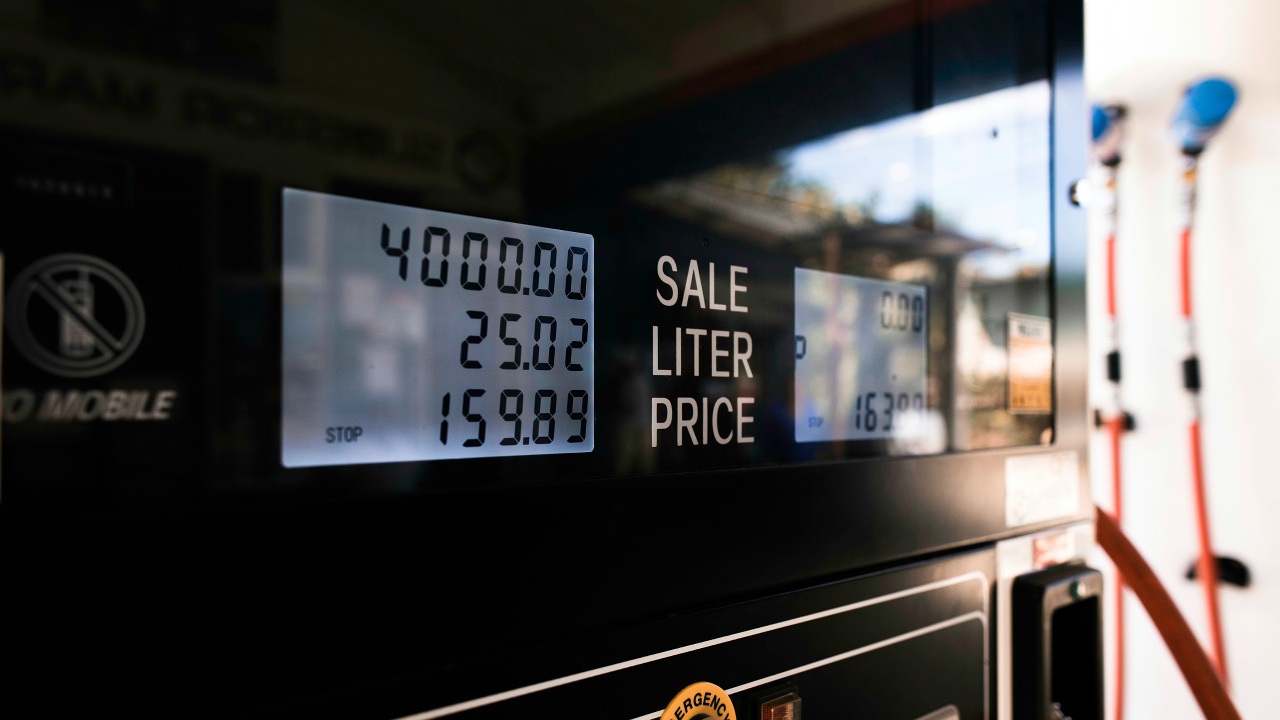
Any increase in the sticker price of a gas car will land on top of a fuel landscape that is already shifting against drivers in several states. In California, for example, analysts have warned that a combination of refinery closures and new regulations could push retail prices dramatically higher, with one projection suggesting that Gas prices in California could reach $10 to $12 per gallon as supply tightens. A separate video analysis, shared by The Cent, has circulated a specific scenario in which California Gas Could Hit $8.44 per Gallon in 2026 Due to Refinery Closures and Regulations, highlighting how refinery capacity and policy can interact to drive up costs per Gallon.
Other states are seeing more incremental but still meaningful changes through higher fuel taxes. Reporting on recent tax adjustments notes that 4 States Have Begun Charging Higher Diesel and Gas Taxes, with a particular focus on how Michigan Drivers See Highest Tax Spike at the Pump. Those higher levies are already filtering into what drivers pay each time they fill up. When I consider a buyer in Michigan or California who is facing both higher pump prices and a more expensive new gas powered vehicle, the combined effect of tax policy, refinery trends and ACCII style mandates looks less like a distant climate strategy and more like an immediate household budget problem.
The counterargument: long term savings and policy pushback
Supporters of Advanced Clean Cars II argue that the near term pain is offset by long term savings and cleaner air. A statement from California officials, backed by the Biden Harris Administration, emphasizes that The Advanced Clean Cars II regulation will Save consumers money, with one estimate that Drivers stand to save over $7,500 when switching from gas powered cars to zero emission models. Advocates also stress that the regulation seeks to reduce transport emissions and increase ZEV sales, framing the policy as a way to strengthen local economies while cutting pollution rather than simply as a cost increase for traditional vehicles.
At the same time, political resistance is building, particularly from lawmakers who represent rural or working class districts where electric vehicle adoption has lagged. One California representative has applauded legislation to repeal what he calls extreme state regulations, listing Advanced Clean Cars II among the rules he wants to overturn and highlighting its 35% new car sales mandate as an overreach. Another member of Congress has warned that these mandates assumed rapid electric vehicle adoption and would raise purchase prices for many popular gas powered vehicles, a critique that echoes concerns from some state level leaders who warn that constant regulatory overload is pushing Californians out of gas cars and into electric vehicles before the market is ready.
More from Fast Lane Only

Leave a Reply