
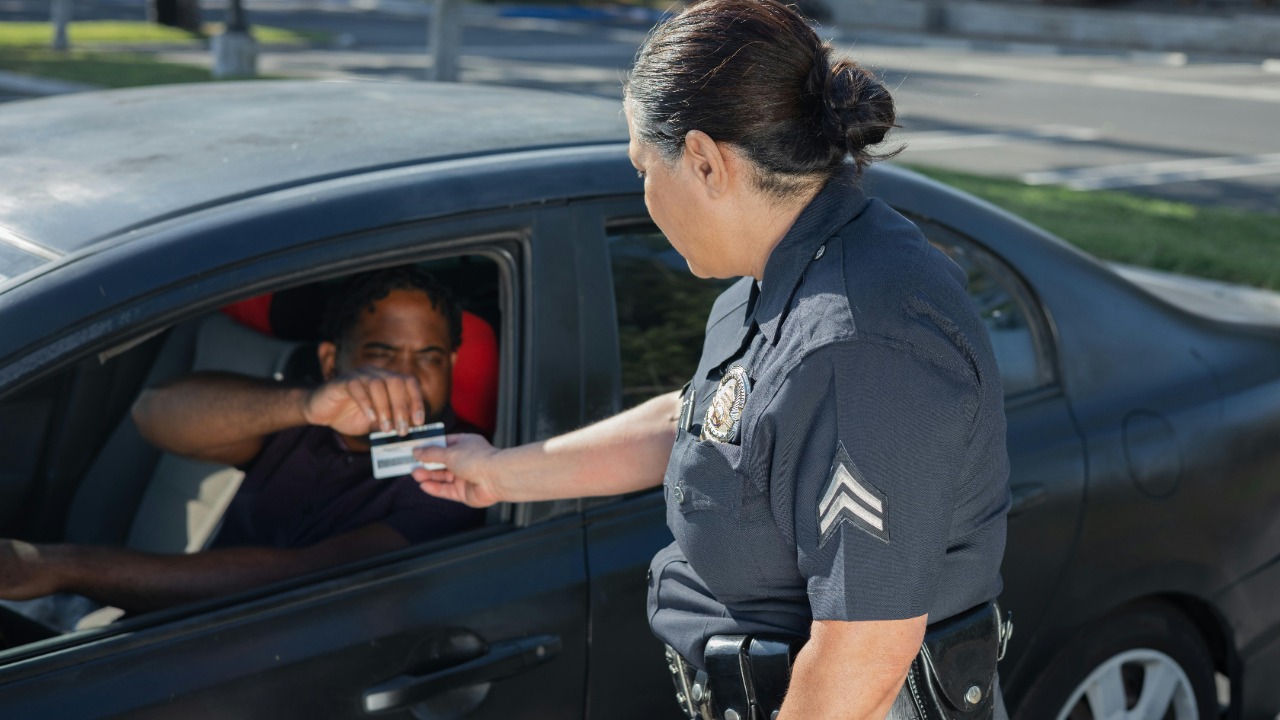
Across the country, lawmakers are quietly rewriting the rules of the road, and the impact will hit everything from how you prove your identity at the airport to the tech built into your next car. The new measures focus on safety, accountability and security, and together they will change what you need in your wallet, what your vehicle must be able to do and even who is allowed behind the wheel. If you drive regularly, the practical question is simple: what actually changes for you once these laws take hold.
Licenses, REAL ID and who is allowed to drive
The first big shift is about who can legally be on the road and what kind of license or ID they must carry. Federal rules are tightening identification standards, while states are adjusting how long licenses last and when they can be taken away. The Transportation Security Administration has made clear that, starting with the next phase of enforcement, only identification that meets the federal REAL security benchmarks will be accepted for boarding domestic flights or entering certain federal facilities, which means a standard driver’s license that is not upgraded will no longer be enough for those official purposes.
To help drivers understand what that upgrade involves, federal guidance explains that The REAL ID Act sets higher security standards for state issued driver’s licenses and identification cards, including stricter document checks and specific design features. Lifestyle coverage has already warned that for many travelers, Everything You Need to board a plane will soon include either a compliant license or a passport, since REAL ID is Starting Now to be treated as Officially Required for those checkpoints. At the same time, a separate change in California means a DRIVER LICENSE will no longer be automatically suspended just because someone falls behind on child support, as long as the overdue amount stays below a defined threshold, a shift that keeps more people legally able to drive to work while still enforcing payments.
New rules for seniors, teens and learner drivers
Age based rules are also tightening, with states rethinking how long older drivers can go between checks and how much freedom new drivers should have. In Illinois, a package described as Welcome to 87 years for Drivers under a New Driving License Law for Seniors from 2026 will overhaul how long licenses are valid, with renewal periods becoming shorter for older age groups so that vision and health can be checked more often. That means an Illinois driver who has been used to long renewal cycles will need to plan for more frequent visits to the licensing office as they age, and potentially more regular vision screenings.
For younger motorists, Utah is tightening both learner and teen rules. A widely discussed New “permission slip” requirement means certain learner permit holders must carry written consent from a parent or guardian whenever they get behind the wheel, and they are told to Get that paperwork and keep it with them at all times. Once those learners become licensed, Utah’s teen rules continue to limit them, with Passenger Restrictions that say For the first six months, or until turning 18, they cannot drive with non immediate family members unless they are heading to work, school or responding to an emergency, a rule aimed at cutting down on distraction and peer pressure in early driving years.
Tech in your car: braking, tracking and drunk driving prevention
Even if your license status is unchanged, the technology inside your vehicle is about to be regulated more aggressively. At the federal level, safety regulators have finalized a rule that will require Automatic Emergency Braking to Be Mandated on All New Vehicles by 2029, with The National Highway Traffic Safety Admin setting performance standards for how quickly the system must react to prevent or mitigate crashes. That means if you buy a new Honda CR V, Ford F 150 or Tesla Model Y later in the decade, it will need to come with forward collision sensors and automated braking that meet those federal benchmarks, not just optional driver assistance packages.
States are also asserting more control over how cars connect and monitor drivers. In California, a package of 2025 measures highlighted by the DMV includes a rule on Vehicle Tracking and Remote Access that requires manufacturers to let owners know when their car’s location or features are being accessed, and to give them more control over that data. At the federal level, Congress has gone further by ordering automakers to build in systems that can detect when a driver’s alcohol level is too high and prevent the car from moving, a mandate that law enforcement groups in WAS have framed as a major step toward reducing drunk driving deaths.
State crackdowns: phones, work zones and winter driving

On the ground, many of the most immediate changes will show up as new fines and restrictions on everyday behavior behind the wheel. Several states are tightening distracted driving rules, with Louisiana becoming the 32nd state to enforce a hands free requirement under what locals call the TOUCH LAW, which makes it illegal for Drivers to hold a phone at all while driving. A separate report on seven new traffic rules notes that violations can now bring higher fines, including for backseat passengers who fail to buckle up, signaling that enforcement is expanding beyond just the person behind the wheel.
Work zones and seasonal hazards are getting special attention. A roundup of 2025 changes in Utah explains that new rules around construction areas carry stiffer penalties, and that Failure to comply can mean increased fines, extra points on your license and even higher insurance costs, all justified as a way to protect workers and reduce crashes. In Colorado, winter specific regulations are tightening so that, as one overview of seasonal rules puts it, Winter motoring laws 2025 will effectively create a two wheel drive ban on certain mountain passes when traction laws are in effect, forcing For Colorado drivers with both two and four wheel drivetrains to engage the more capable system or install proper chains.
Regional twists: Utah, South Carolina and national license changes
Some of the most specific new rules are highly local, which makes it easy to miss them until you are pulled over. In Utah, the official handbook for 2025 to 2026 spells out HB 234 M Motorcycle Safety Amendments, which raise the fine for riding without the proper motorcycle endorsement and emphasize that riders must complete approved training before operating on public roads. Over the summer, a separate analysis of new traffic safety laws noted that, As of July, several states also updated speed limits and penalties to modernize outdated rules and reduce fatalities, so a familiar stretch of highway may now carry a different limit or a steeper ticket if you are caught speeding.
In the Southeast, Aug brought two new “Labor Day” road rules to South Carolina, including stricter penalties for drivers who block the left lane and a requirement that certain permit holders keep their authorization card with them in addition to the regular license, not instead of it. Nationally, a separate overview of Driving License Changes notes that New Rules Come Into Effect at the end of November, and invites readers to Imagine heading to the airport only to discover that your license no longer meets updated standards or that you now need a vision screening in one of 15 states before renewal.
How to stay compliant as rules keep shifting
With so many overlapping changes, the safest assumption is that what was legal a few years ago may not be enough today, especially if you cross state lines. A practical first step is to confirm that your ID and license status match the new federal and state requirements, then check whether your vehicle’s safety tech and your daily habits, from phone use to winter tires, align with the latest rules. Consumer advice sites stress that Each state, town and county can set slightly different standards for what counts as street legal, so the only reliable way to know is to check your local DMV’s website or call before you modify a vehicle or assume an out of state rule applies at home.
As the patchwork of new laws takes effect, the common thread is a push for more safety and clearer accountability, whether through technology that can stop a drunk driver from starting the car, shorter renewal periods for older motorists or tougher penalties for texting in traffic. For everyday drivers, the smartest move is to treat these changes not as obscure legal fine print but as a checklist: upgrade to a compliant ID, understand your state’s age based and permit rules, know what your car is required to do and adjust your habits in work zones, winter conditions and hands free states before a police officer or TSA agent forces the issue.





Leave a Reply