
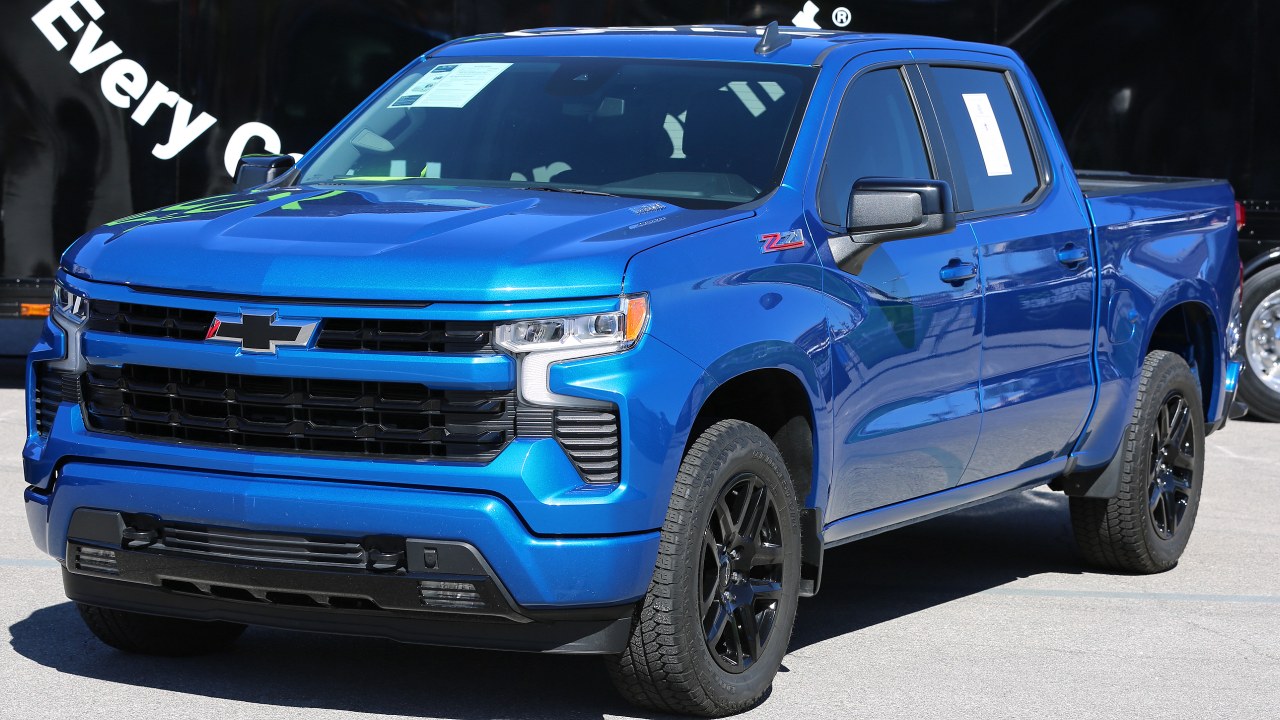
General Motors is preparing to overhaul its full-size pickups in a way that goes far beyond new sheetmetal or a refreshed interior. The next-generation Chevrolet Silverado and GMC Sierra are being positioned as the first volume trucks to sit on GM’s centralized software and computing architecture, a shift that could redefine how these workhorses drive, update, and age. If GM executes, the 2027 pickups may mark the company’s most aggressive reset of truck technology in decades, with implications for everyone from fleet managers to weekend tow‑rig owners.
The company has already confirmed that new Chevrolet Silverado 1500 and GMC Sierra 1500 models are scheduled to debut this year, with production expected to align with the 2027 model year. Behind the familiar badges, GM is preparing to merge lessons from its electric platforms, its Silverado EV program, and its expanding driver-assistance portfolio into a single, software-defined backbone that will also serve gasoline trucks. That convergence is what makes these trucks more than just the next turn of the product cycle.
GM’s next-gen truck timeline and strategic stakes
General Motors has signaled that the next Chevrolet Silverado and GMC Sierra are not distant concepts but near-term products, with the company outlining plans to reveal the new 1500-series trucks this year as part of its latest financial update. Reporting on the upcoming launches notes that GM is “gearing up to shake up the pickup truck segment” and that the redesigned models are expected to arrive as 2027 pickups, underscoring that this is a core business priority rather than a niche experiment. Separate coverage of GM’s truck roadmap reinforces that a 2027 Chevy Silverado has been confirmed while the company prepares a GMC Sierra reveal, framing the two as coordinated pillars of a broader strategy rather than standalone redesigns.
That timing matters because it aligns the trucks with GM’s rollout of a new centralized vehicle computing platform that is designed to span both electric and internal-combustion products. GM has described this architecture as a single, scalable system that can support propulsion-agnostic vehicles, meaning the same digital backbone can underpin gasoline, hybrid, and battery-electric models. By bringing the 2027 Silverado and Sierra into that window, GM is effectively using its highest-volume, highest-profit vehicles to anchor its transition to software-defined vehicles, rather than confining the new tech to low-volume EVs or luxury nameplates.
A centralized brain for work trucks
The most consequential change for the next Silverado and Sierra is likely to be invisible from the driver’s seat: a centralized computing platform that replaces the patchwork of control modules that has accumulated in modern trucks. GM has detailed a revised architecture that consolidates processing power into a small number of high-performance computers, connected through a high-speed network to sensors and actuators throughout the vehicle. The company has emphasized that this platform is designed to handle propulsion, infotainment, advanced driver assistance, safety, cybersecurity, and reliability functions in a unified way, rather than leaving them to separate, loosely coordinated boxes.
That consolidation is not just an engineering curiosity. GM has said the new platform is built so that software can be updated and enhanced over time, which is a critical shift for pickups that often stay in service for a decade or more. Instead of treating a truck’s capabilities as frozen at the moment of purchase, the centralized system is intended to support ongoing improvements to powertrain calibration, towing aids, camera views, and safety features through over-the-air updates. A separate description of the same “Revolutionary Centralized Vehicle Computing Platform” underscores that GM expects this architecture to be continuously updated and enhanced, suggesting that the 2027 trucks will be the first full-size pickups from the company designed from the outset for a long software life.
From Silverado EV lessons to combustion trucks
GM has already experimented with unconventional truck engineering in the Silverado EV, which uses the BT1 platform and a body structure that is neither traditional body-on-frame nor classic unibody. In explaining that electric truck’s underpinnings, GM has described a design that integrates the battery pack and frame elements in a way that differs from legacy pickups, with implications for crash performance, rigidity, and repair procedures. The company has also acknowledged that such architectures require new training and tools for collision repair, since technicians cannot treat them like conventional ladder-frame trucks.
While the upcoming gasoline Silverado and Sierra are not expected to copy the BT1 structure wholesale, the engineering and service lessons from the Silverado EV are likely to inform how GM designs the next generation of frames, cab mounts, and underbody packaging. The centralized computing platform that will underpin both electric and combustion vehicles is one obvious bridge between the programs, but there are subtler links as well. GM’s description of its new software-defined architecture explicitly notes that it is propulsion-agnostic, which means the same digital control strategies, diagnostics, and update mechanisms proven on EVs can be applied to trucks with internal-combustion engines. That continuity should help GM standardize features like energy management, trailer stability logic, and regenerative braking coordination where applicable, even if the hardware differs.
Driver assistance and autonomy move closer to the mainstream
GM has spent more than a decade building out a ladder of driver-assistance features, starting with systems that handle singular tasks such as adaptive cruise control and lane keeping. The company now groups these capabilities under its autonomous driving and driver-assistance efforts, describing how features like automated lane centering, hands-free highway driving in certain conditions, and advanced parking aids have evolved from basic helpers into more integrated suites. GM notes that its driver-assistance technology has supported drivers in performing individual driving tasks and is now progressing toward more comprehensive systems that allow the driver to take their hands off the wheel and feet off the pedals on approved roads while remaining attentive.
Bringing the Silverado and Sierra onto the centralized computing platform gives GM the processing headroom and sensor integration needed to make those advanced systems standard or widely available on work-focused trucks. The company’s own description of its autonomous driving roadmap highlights how a common software and hardware foundation allows features to be updated and expanded over time, which is particularly relevant for pickups that serve as both daily transportation and commercial tools. As the 2027 trucks adopt the new architecture, it becomes more feasible for GM to roll out improved lane-change automation, trailer-aware driver assistance, and enhanced safety interventions through software, rather than waiting for a mid-cycle hardware refresh.
Cabin, connectivity, and the fight for truck loyalty
If the computing platform is the brain of the next Silverado and Sierra, the cabin is where owners will feel the reset most directly. Reporting on the upcoming 2027 GMC Sierra 1500 notes that GM is planning a completely redesigned truck, with particular attention to interior quality and technology after years of criticism of past generations. Analysts and reviewers have pointed out that earlier GM trucks often lagged rivals in perceived material quality and in-cabin tech, a gap that became more glaring as competitors leaned into large touchscreens, configurable digital clusters, and integrated towing apps. The new Sierra is described as bringing “the kind of changes that actually matter,” a phrase that reflects expectations for a more modern, cohesive interior experience.
GM’s broader software-defined vehicle strategy suggests that the 2027 cabins will be designed around large, high-resolution displays, persistent connectivity, and app-like feature delivery that can evolve over time. The centralized computing platform is intended to support rich infotainment, advanced graphics, and seamless integration of driver-assistance interfaces, which should help GM move beyond the piecemeal upgrades that characterized earlier truck refreshes. Coverage of GM’s upcoming truck launches notes that the company is preparing both the new Chevrolet Silverado and GMC Sierra to arrive together, which indicates a coordinated push to reset customer expectations for what a GM truck interior can be, rather than allowing one brand to carry the tech flag alone.
More from Fast Lane Only


Leave a Reply