
New York City’s next mayor is not even sworn in yet, and his transportation agenda is already colliding with a wall of driver anger. Mayor-elect Zohran Mamdani has signaled that his administration will prioritize buses, bikes, and pedestrians over private cars, a shift that supporters frame as overdue and critics describe as a direct attack on drivers. The early backlash shows how volatile the politics of street space have become in a city where every lane, parking spot, and bus route carries real economic and emotional weight.
The fiercest reactions have focused on Mamdani’s choice of advisers and his campaign promise to make buses free, both of which point toward a future where driving in New York City is less convenient and more constrained. I see a familiar pattern emerging: a mayor-elect promising “people-first” streets, a transit advocacy world eager to cash in its wish list, and a coalition of motorists, small businesses, and outer-borough residents bracing for what they see as a new phase in the war over who really owns the curb.
Why Mamdani’s transport brain trust is already under fire
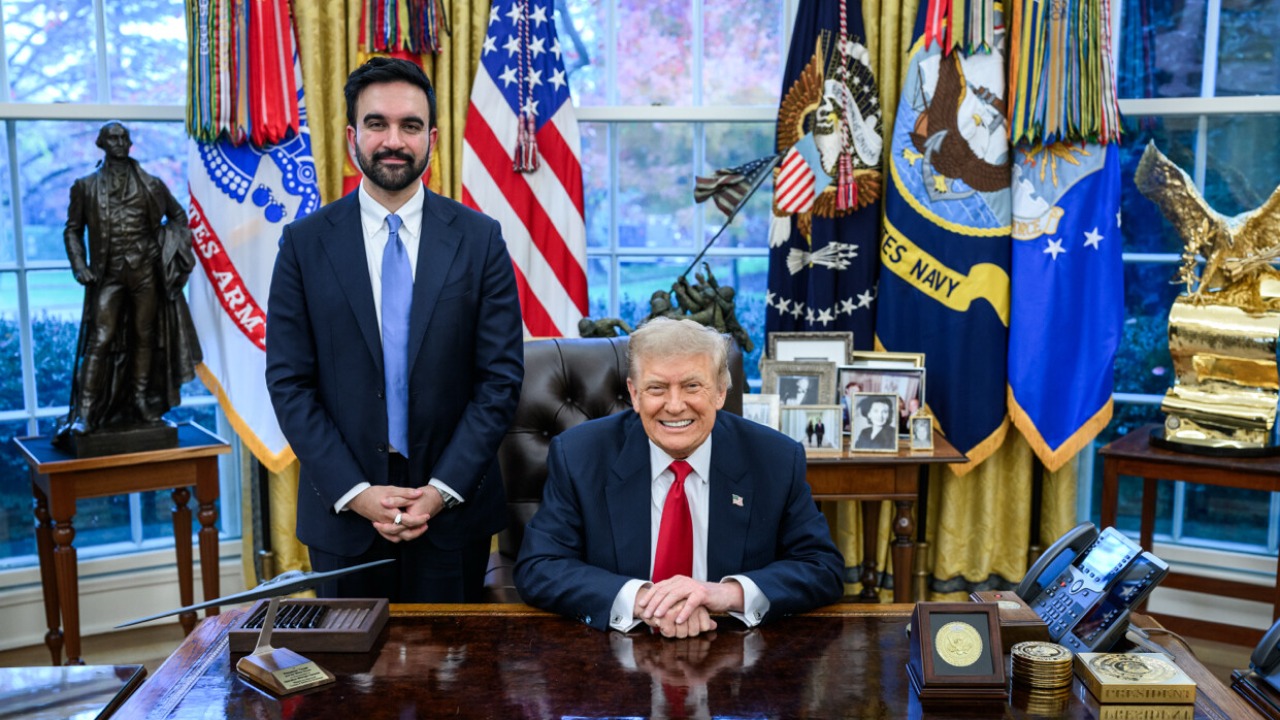
The first flashpoint is personnel. Mayor-elect Zohran Mamdani has tapped Ben Furnas for NYC to help shape his transportation team, a move that instantly set off alarms among drivers who already feel targeted by city policy. Furnas has been branded a “car-hating” activist and his arrival is being framed as proof that Mamdani intends to escalate what critics call a War on drivers. The symbolism matters: in a city where a 2018 Toyota RAV4 or a 2022 Honda Accord is as much a work tool as a personal asset, putting a high-profile car critic near the levers of power sends a clear message about where the new administration’s sympathies lie.
That choice does not exist in a vacuum. During the campaign, Mamdani embraced a sweeping pro-transit and street redesign agenda, and advocates say he has already committed to “reimagining” NYC streets in ways that expand outdoor dining, bike lanes, and other people-first uses. That vision thrills groups that have long pushed for fewer cars and more space for walking and cycling, but it also guarantees resistance from residents and businesses that rely on vans, pickups, and ride-hail vehicles to function. By elevating someone like Ben Furnas for NYC, Mamdani is effectively telling those skeptics that their concerns will not be the starting point for policy.
Free buses, fewer cars, and a governor hitting the brakes
The second major fault line is Mamdani’s promise to make buses free across New York City, a pledge that would reshape how millions move around the five boroughs. New York City Mayor-elect Zohran Mamdani campaigned on eliminating fares and pairing that with more aggressive efforts to clear traffic out of bus lanes so service can actually speed up. The idea is simple: if a rider can tap into the MTA Bus Time app, see a bus coming, and know it will be fast and free, they are more likely to leave a 2016 Nissan Altima or 2019 Ford Escape at home.
That vision has already run into a hard political constraint in Albany. The governor is “pumping the brakes” on the free bus plan, signaling that state leaders are not yet sold on footing the bill for Mamdani’s signature promise or on the broader shift it implies for street space and revenue. Reporting on the New York City Mayor’s plan makes clear that the state’s skepticism is not just about money, it is also about whether the city can deliver the bus priority, enforcement, and political buy-in needed to make free service work. A separate account of the debate around “Albany pumps the brakes” on Mamdani’s agenda underscores that new York City Mayor elect Zoran Mandani has promised big things for the Big Apple but may struggle to follow through if state partners balk at the scale of his ambitions, a tension that will shape how far any car-unfriendly measures can go in practice, even if they are popular with transit advocates.
Riders want faster buses, drivers fear a ‘cult’ of anti-car policy
Underneath the fight over free fares is a more basic argument about what is actually slowing buses down. Some riders have argued that the primary issue is not the cost of a MetroCard or OMNY tap but a shortage of buses and the way traffic chokes existing routes. They point out that if a 2015 MTA Nova Bus is stuck behind a line of double-parked SUVs on a crosstown street, making the ride free does little to fix the underlying problem. That perspective is reflected in concerns that the incoming transportation team is focusing more on restricting cars than on adding vehicles and drivers to the bus network, a tension that has already surfaced in coverage of the incoming team.
Drivers, meanwhile, are voicing a very different frustration. In New York City, residents like Stacey Rauch of Murray Hill say they are “so sick and tired” of hearing that buses are the slowest in the country and that cars are always to blame. To them, the rhetoric around congestion and climate has taken on what Rauch calls a “cult” quality, where every problem is traced back to private vehicles and every solution involves taking away lanes, parking, or access for seniors, workers, and small businesses. That critique, captured in reporting on New York City debates, helps explain why Mamdani’s early moves are being read less as technocratic tweaks and more as an existential threat to everyday drivers who feel they are already paying high insurance, tolls, and parking fees just to keep their 2014 Toyota Camry on the road.
Advocates’ wish list meets the 14th Street precedent
Transit advocates see the moment very differently. For them, Mamdani’s win is a chance to finally implement an ambitious transportation wish list that has been circulating for years, from more busways to expanded outdoor dining and safer bike corridors. One major advocacy group has already said that She is “especially excited” to see the mayor-elect commit to reimagining NYC streets and to expanding outdoor dining and other people-first solutions, a sign that the movement expects the new administration to go beyond pilot projects and into citywide redesigns. That enthusiasm is grounded in the belief that reallocating space away from private cars will make the city more livable, even if it means some drivers in a 2020 Jeep Grand Cherokee or 2017 BMW 3 Series have a harder time finding curb space.
Advocates also point to concrete precedents to argue that car restrictions can work. On Manhattan’s 14th Street, the city already runs a busway where, every day between 6 AM and 10 PM, only buses, trucks, and emergency vehicles may travel between 3rd Avenue and 9th Avenue, with private cars forced to turn off at the next available right turn. That 14th Street model has become a touchstone for people who want to replicate similar restrictions on other corridors, arguing that the payoff in faster bus trips and safer crossings outweighs the inconvenience to drivers. Mamdani’s allies see his administration as the best chance yet to scale that approach, while his critics look at the same example and see a template for how their own neighborhoods could be walled off to through traffic.
The political risk of a perceived ‘war on drivers’
All of this leaves Mamdani walking into office with a transportation agenda that is both bold and politically risky. The phrase “War on drivers” has already attached itself to his choice of Ben Furnas for NYC and to the broader sense that his team is more interested in squeezing cars than in balancing the needs of different users. Coverage of his hiring decisions notes that Mayor-elect Zohr Mamdani could face intense pushback if residents come to believe that every new policy, from loading zones to bus lanes, is designed to punish anyone who owns a car. The fact that critics are already using martial language to describe his plans suggests that the debate is as much about identity and status as it is about traffic engineering.
At the same time, the mayor-elect’s supporters argue that the status quo is unsustainable and that someone has to absorb the political cost of shifting away from car dominance. They point to his campaign commitments, the advocacy community’s detailed transportation agenda, and the early signals from his team as evidence that he is prepared to spend political capital on these fights. Yet the unresolved questions in Albany, highlighted in the “pumps the brakes” coverage of new York City Mayor elect Zoran Mandani’s free bus plan for the Big Apple, show that even a determined City Hall cannot unilaterally rewrite the rules of the road. The next few years will test whether Mamdani can turn a car-skeptical vision into workable policy without alienating the very New Yorkers whose cooperation he needs, from delivery drivers in 2018 Ford Transit vans to home health aides relying on 2013 Honda Civics to cross borough lines.


Leave a Reply