The 1965 Oldsmobile Starfire occupied a narrow lane between boulevard luxury and genuine performance, delivering comfort with just enough attitude to keep enthusiasts interested. It wrapped a big engine and capable chassis in tasteful styling and a plush cabin that spoke to drivers who wanted power without the harshness of emerging muscle cars. Six decades later, that balance still defines its appeal among collectors and casual admirers alike.
Oldsmobile’s “gentleman’s muscle car” moment
By the mid 1960s, Oldsmobile had already built a reputation for blending innovation with refinement, and The Oldsmobile Starfire was positioned as the brand’s most overtly sporting expression of that formula. A later retrospective describes The Oldsmobile Starfire, produced from 1961 to 1966, as the original “gentleman’s muscle car,” a jet-age luxury coupe and convertible that arrived before the muscle car era officially began, yet anticipated its appetite for power and presence by pairing strong V8 performance with upscale appointments that would not look out of place in a premium sedan.
That positioning helps explain why the 1965 model still resonates. It was not a stripped-out street racer. Instead, it targeted buyers who wanted to cruise long distances in comfort, then enjoy a burst of acceleration on demand. The car’s mission was to deliver a sophisticated alternative to more aggressive intermediates, with an emphasis on smoothness, style, and quiet confidence.
One-year body, clean lines, and subtle aggression
Visually, the 1965 Oldsmobile Starfire stood apart even within its own lineage. Contemporary descriptions highlight that the Oldsmobile Starfire was Built on a full-size platform and styled as a classic American luxury sports coupe that blended performance with sophistication, with crisp, straight body sides and restrained ornamentation that reflected mid 1960s tastes. The look was long and low, with a wide stance that suggested stability rather than raw menace.
Collectors often point out that the 1965 Oldsmobile Starfire Convertible used a one-year body style, which gives it added cachet. A detailed Description of a surviving Oldsmobile Starfire Convertible notes that it was one of just 2,236 built, an Automatic transmission car that combined rarity with everyday usability. That limited production figure, 2,236, has become a key talking point in the market, especially for buyers who want something more exclusive than a mass-market full-size convertible from the same period.
Period-correct examples in Royal Blue or similar deep hues show how the design favored elegance over flash. One seller of a Royal Blue Starfire described the car’s personality as “Luxu” in spirit, a shorthand way of emphasizing that this was a luxury-focused performance car rather than a bare-bones hot rod. Photos from that Royal Blue listing capture the long front fenders, clean rear quarters, and a subtle kick-up over the rear wheels that gives the car a sense of motion even at rest.
Inside, comfort first with a sporting twist
The cabin is where Oldsmobile made its case to buyers cross-shopping more traditional luxury coupes. Contemporary enthusiasts describe the 1965 Oldsmobile Starfire as a stylish blend of comfort and performance, with front bucket seats, a center console, and brightwork that gave the interior a cockpit feel without sacrificing space. The dashboard layout, visible in period images, wraps slightly around the driver, with clear gauges and a horizontal speedometer that feels very much of its time.
In the Royal Blue car mentioned earlier, the interior is highlighted as being in great shape front and back, reinforcing how the Starfire was expected to carry four adults in comfort. The seller’s description in that Royal Blue listing mentions that the seats, door panels, and trim were all in strong condition, which speaks to the level of materials Oldsmobile used when new. This was not a car where performance came at the expense of interior quality; instead, the cabin was central to its identity.
That focus on comfort did not mean the Starfire lacked a sense of occasion. Bright metal trim, a console-mounted shifter, and available tachometer gave the driver subtle cues that this was more than a basic full-size car. The goal was to make long highway trips relaxing, while still reminding the owner that a serious engine waited under the hood.
Big-block power with manners
Under the hood, the 1965 Oldsmobile Starfire carried what one detailed listing calls the biggest motor Oldsmobile offered at the time. In that ENGINE COMPARTMENT description, the car is said to use a 425 cubic inch V8 rated at 375 horsepower, and the text emphasizes that this engine was only available in this car and the Jet Star. The figures 425 and 375 have become shorthand among enthusiasts for the Starfire’s performance potential, and they place the car firmly in big-block territory.
Other period-correct examples confirm this configuration. A mostly original Oldsmobile Starfire in Blue is described as being powered by a 425ci V8 paired with an Automatic transmission, a combination that aimed squarely at smooth, effortless acceleration rather than high-strung antics. Another description of an Oldsmobile Starfire Convertible notes that it was Powered by a 425 cubic-inch V8, again highlighting the same displacement, and presents the car as a stylish blend of luxury and performance from the mid 60s.
For buyers who wanted a more hands-on experience, the factory option list added a four-speed manual transmission with Hurst shift hardware to Starfires and other B-body cars for the first time. That detail, recorded in a technical overview of the Oldsmobile Starfire, shows how Oldsmobile tried to give the model a bit more edge without compromising its luxury mission. The availability of a Hurst-equipped four-speed manual in a full-size coupe or convertible was a clear nod to enthusiasts who wanted both comfort and capability in a single package.
On the road: relaxed speed, not raw aggression
Driving impressions from surviving cars reinforce this dual personality. A crimson Oldsmobile Starfire featured in a Chicago showroom video is introduced with the phrase Under the long hood of this Oldsmobile Starfire sits a 425 cubic inch V8, an image that captures both the car’s size and its mechanical ambition. The presenter emphasizes the engine’s torque and the car’s ability to glide at highway speeds, which aligns with Oldsmobile’s original positioning as a grand touring machine rather than a stoplight drag racer.
Another walkaround video filmed at John Couff Lighteners outside Salem Ohio shows a 1965 Oldsmobile Starfire that has survived in appealing condition. The host at John Couff Lighteners, near Salem Ohio, points out the car’s straight body panels, clean chrome, and preserved interior, and the tone of the presentation suggests a car that has aged gracefully rather than one that has been heavily modified or abused. The focus is on originality and comfort, with performance treated as a satisfying bonus.
In a separate feature from the Garage Fathers channel, a Rare 1965 Oldsmobile Starfire is introduced with the playful line that this is not your father’s Oldsmobile, it is your Garage Fathers project. The video frames the car as a “beautiful survivor rescue,” underlining how many Starfires have quietly slipped away while more obvious muscle cars grabbed attention. Here again, the interest lies in preserving a comfortable, well-equipped cruiser that still has enough power to feel special.
How the Starfire fit among its peers
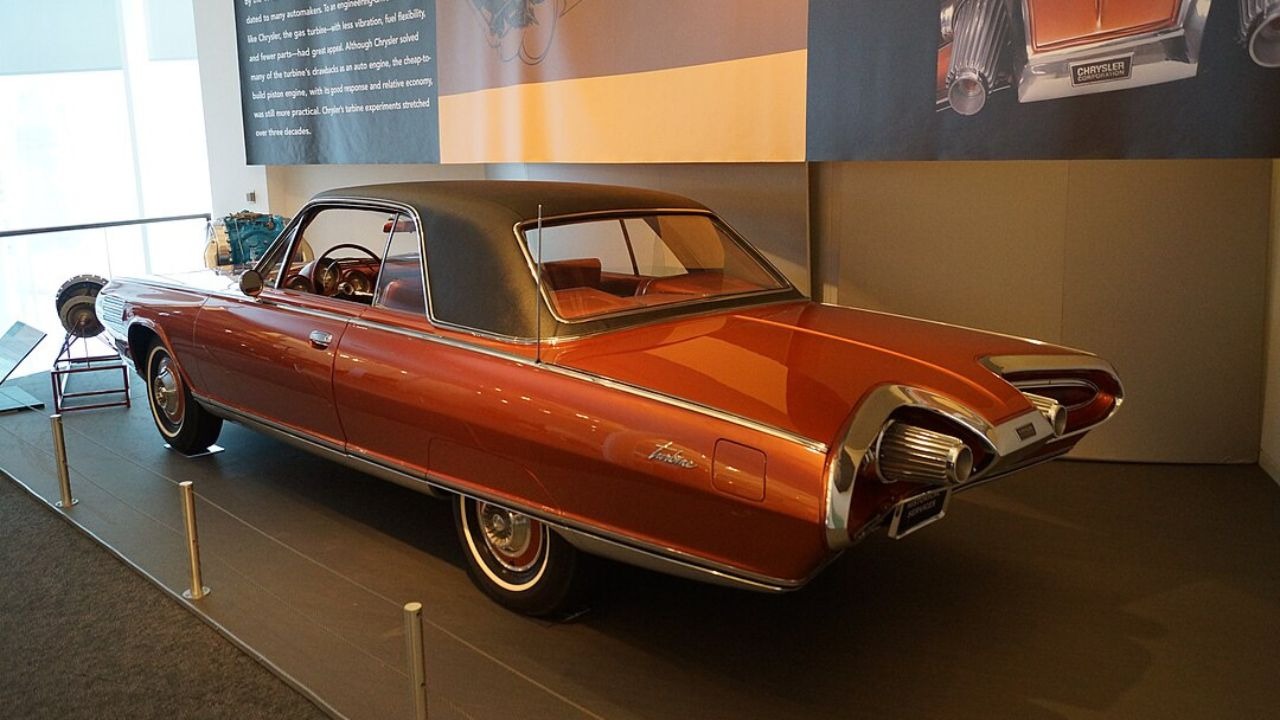
The 1965 Oldsmobile Starfire did not exist in a vacuum. It competed in a field of full-size performance-luxury coupes that included rivals like The Chrysler 300L, described as the final model of the original letter-series cars and characterized by muscular elegance, clean lines, and a bold front grille aimed at buyers who wanted both comfort and capability. The Chrysler 300L leaned slightly more toward overt performance branding, while the Starfire maintained a more understated presence.
Within Oldsmobile’s own lineup, the Starfire sat above more mainstream full-size models and alongside specialty offerings like the Jet Star, which shared the 425 cubic inch engine in some configurations. The Starfire’s combination of a big engine, rich interior, and relatively low production numbers placed it in a niche that was narrower than the later mass-market muscle cars, but broader than pure luxury coupes that made no performance claims at all.
Retrospective analysis that frames The Oldsmobile Starfire as an early “gentleman’s muscle car” argues that this positioning helped set the stage for later performance-luxury models across the industry. It suggested that buyers did not have to choose between a plush ride and strong acceleration, and that a car could project power without resorting to aggressive graphics or stripped-down interiors.
Survivors, convertibles, and collector interest
Today, surviving 1965 Oldsmobile Starfire models, especially convertibles, attract attention precisely because they stayed relatively low profile when new. A listing for an Oldsmobile Starfire Convertible that highlights the figure 2,236 built underscores how rare these cars are compared with more common full-size convertibles from the same year. Collectors who want something distinctive without paying the premiums associated with better-known muscle cars often gravitate toward these one-year body style convertibles.
Social media posts from enthusiast groups reinforce the car’s status as an American icon. One club entry describes the 1965 Oldsmobile Starfire as a classic American luxury sports coupe, using hashtags like #OldsmobileStarfire, #ClassicLuxury, and #AmericanIcon to situate the model within a broader appreciation for mid century design. The language in that post, which states that the Oldsmobile Starfire is Built on a full-size platform and blends performance with sophistication, mirrors the way owners talk about their cars at shows and online.
Individual listings also reveal how owners present these cars to potential buyers. The Royal Blue Starfire mentioned earlier is described as being in “great shape front and back,” with the seller emphasizing both cosmetic condition and mechanical soundness. That description, paired with detailed photos of the front quarter, rear quarter, and dashboard, positions the car as a ready-to-enjoy cruiser rather than a project. Another advertisement for a 1965 Oldsmobile Starfire For Sale, which shows an Oldsmobile Starfire Convertible that was eventually marked SOLD, similarly leans on the car’s combination of style, comfort, and V8 power to justify its asking price.
Why the 1965 Starfire still matters
Looking back, the 1965 Oldsmobile Starfire represents a moment when American manufacturers were experimenting with how far they could push performance within a luxury framework. The car’s 425 cubic inch engine with 375 horsepower, its available Hurst-shifted four-speed manual, and its relatively low production numbers for the convertible version all contribute to its modern appeal. Yet what keeps enthusiasts talking is not just the spec sheet, but the way the car feels aligned with its original mission.
Owners and presenters consistently describe the Starfire as a car that can be driven long distances without fatigue, thanks to its comfortable seats, compliant suspension, and quiet cabin. At the same time, the big-block V8 and confident styling provide enough drama to make each drive feel special. That blend of comfort and edge, which once targeted buyers who wanted a more refined alternative to raw muscle, now appeals to collectors who want a classic they can actually use.
More from Fast Lane Only