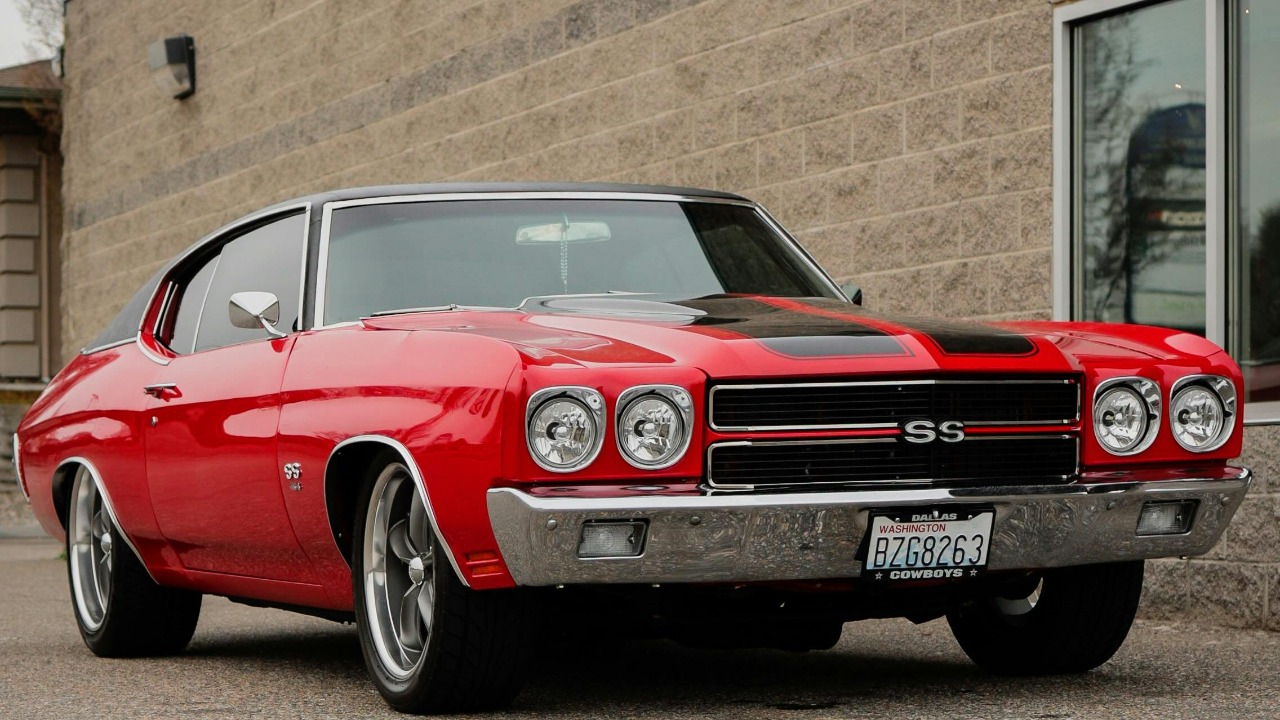
The 1970 Chevelle SS 454 did not simply arrive in showrooms; it detonated there. One factory decision to unleash Chevrolet’s largest big block in a mid-size body turned a strong seller into a car that redefined street performance overnight. That tweak, bundled into the LS6 package, pushed the Chevelle from participant to benchmark in Detroit’s escalating power contest.
To understand how one option code became legend, it helps to look at the corporate rule that fell, the engineering gamble that followed, and the way a 454-cubic-inch brute reshaped everything from insurance tables to modern collector values.
When General Motors finally cut the leash
For most of the 1960s, General Motors enforced a corporate cap that limited engines in mid-size cars to 400 cubic inches. The ceiling kept the nastiest big blocks in full-size models and left the muscle car fight to smaller, high-strung V8s. According to one detailed history, when General Motors rescinded that 400 cubic inch limit for the 1970 model year, it created a sudden opening that Chevrolet was ready to exploit.
The timing aligned perfectly with the development of an enlarged block. As one technical summary notes, the Big Block was expanded for 1970 to 453.96 cubic inches, or 7.4 L, with a 4.250-inch (108.0 m) bore. In production trim, this became the 454, a displacement figure that would soon be spoken with the same reverence as legendary engine codes from rival brands.
Once the corporate gate opened, Chevrolet moved quickly. A separate account of the period explains that in 1970, GM finally lifted its ban on big engines in mid-size cars and that Chevrolet did not waste the moment, turning the 1970 Chevelle SS into one of the most potent combinations sold in America that year.
The LS6: one option, nuclear consequences
Within that new freedom sat the real twist: the LS6 package for the Chevrolet Chevelle SS. A period description calls it the “nuclear option,” and for once, the nickname was not hyperbole. One detailed video analysis notes that insurance companies themselves used that term and that General Motors rated the LS6 at 450 horsepower, the highest US factory rating of its era.
On paper, the LS6 looked like a simple escalation. It took the 454 big block and added high compression, a more aggressive camshaft, and heavy-duty internals. A technical listing of LS6 components describes the engine as a 454 Chevelle LS6 unit with 450HP and 500 TQ, backed by parts such as a #7416 crank, 7/16 dimple rods and a #569 intake, all tied to Chevrolet original equipment specifications. The same reference repeats that the big block’s displacement measured 453.96 cubic inches (7.4 L) with a 4.250 inch (108.0 m) bore, figures that underline how close engineering precision sat to marketing shorthand like “454.”
One enthusiast history describes how, in 1970, the Chevrolet Chevelle SS 454’s LS6 package “changed the muscle-car game” by pairing that 454-cubic-inch, 7.4 L big-block V8 with a chassis that could finally handle it. According to that account, the Chevrolet Chevelle SS with LS6 did not just compete, it dominated.
From strong seller to “King of the Streets.”
The Chevelle SS had already built a reputation through the late 1960s, with clean styling, a range of V8s, and enough options to satisfy both boulevard cruisers and drag racers. The LS6, however, shifted its status. One enthusiast group notes that the 1970 Chevelle SS is arguably the most iconic and desirable muscle car of all time and that it represented the peak of Detroit’s power war.
Styling played a role. A production overview describes the 1970 Chevelle’s overall design as the pinnacle of “Coke-bottle” styling for the Chevelle, with the SS 454 often labeled the “King of the Streets.” That same source emphasizes how the combination of those curves and the 454 made the SS 454 a highly sought-after collector’s vehicle today.
Other period recollections echo that status. A short video piece refers to the 1970 Chevel SS454 as so brutally fast that it “helped kill the muscle car era,” noting it was officially rated at 450 horsepower and 500 lb-ft of torque. That clip’s description of the Chevel as a street ruler captures how the LS6’s numbers translated into real-world dominance.
What changed under the hood
At the heart of the legend sat the LS6’s mechanical recipe. The big block itself started as The Big Block expansion to 453.96 cubic inches (7.4 L) with a 4.250 inch bore and 108.0 m cylinder spacing, as outlined in a technical specification that credits WIKIPEDIA for those figures. Chevrolet then tuned that foundation for the LS6 with high compression pistons, a solid-lifter cam, and large-port cylinder heads.
An enthusiast breakdown of the 1970 Chevrolet Chevelle SS 454 explains that leading up to the 1970 model year, Chevrolet had already been nudging power upward, but the LS6 went further than anyone expected.
Another enthusiast group focused on 1970 Chevelle SS production details describes how the SS 454 package included unique badging, heavy-duty suspension, and specific gearing to harness the power. A separate video about the 1970 Chevel SS highlights how the design underwent a strong refresh, with a bolder nose and revised tail that made the Chevy Chevel SS look as muscular as it felt.
Factory numbers and the whispered truth
On the window sticker, the LS6’s 450 horsepower rating already looked outrageous. A detailed video exposé on the LS6 calls out that figure and repeats that General Motors rated it at 450 horsepower, a number that sat at the top of US factory ratings. The same LS6 analysis argues that the engine likely produced more than 500 horsepower in real conditions, which aligns with the way contemporary drag strip results often outpaced the official specification.
The tension between the official 450 horsepower rating and the rumored “500+” output fed the car’s mythology. Insurance companies priced policies as if the higher number were real, and street racers treated factory LS6 Chevelles as near-certain threats. A short video that calls the 1970 Chevel SS454 brutally fast and credits it with helping kill the muscle car era supports that perception, again citing the 450 horsepower and 500 lb-ft torque figures that made the car so difficult to insure.
Technical listings for the 454 Chevelle LS6 engine that reference 450HP and 500 TQ, along with specific crank and rod part numbers, show that the hardware could easily support the higher output enthusiasts claimed. Those component choices, such as the 7/16 dimple rods and #569 intake, were not the choices of an engineering team interested in understatement.
The LS6 in the context of the 1970 muscle
By 1970, the muscle car wars had produced a crowded field of high-powered machines. Yet multiple sources single out the Chevelle SS 454 LS6 as the era’s headline act. One retrospective notes that in 1970, the year GM mercifully lifted its big engine ban, there was no more celebrated ride than the Chevelle SS 454 LS6, which sat at the center of the performance conversation that year. That account from Dec reinforces how quickly the LS6 rose above its rivals.
Another enthusiast video points out that the 1970 Chevel SS held the distinction of being the most powerful Chevel built up to that point, crediting the 450hp 454 for that status. That clip, focused on the Chevel SS, frames the car as the pinnacle of muscle in its brand’s history.
Within enthusiast communities, the 1970 Chevelle SS 454 often stands as shorthand for peak American muscle. A group dedicated to muscle cars describes the 1970 Chevelle SS as particularly iconic and even labels it the “King of the Streets,” a phrase that captures how the LS6 became more than an option code. The same community post about the Chevelle SS stresses that the car represented the peak of Detroit’s power war, a status that owes everything to the LS6 decision.
From showroom terror to collector benchmark
The same traits that made the LS6 difficult to insure in period now make it a blue-chip collectible. Production numbers for LS6-equipped cars were relatively low compared with more common Chevelle SS variants, and many that did reach the street were raced hard. Surviving examples command strong prices at auctions and private sales, especially when they retain original LS6 components such as the 454 block, heads, and intake.
One enthusiast-focused production summary explains that the SS 454 “King of the Streets” has become a highly sought-after collector’s vehicle, in part because it represents the pinnacle of Chevelle styling and performance in a single package. That same overview of the Chevelle line notes that the Coke-bottle profile and aggressive SS trim amplify the car’s appeal.
Modern coverage of the 1970 Chevrolet Chevelle SS 454 continues to highlight the LS6’s role. A feature that traces everything that made the 70 Chevelle SS so great points to the LS6 454 as the defining upgrade that transformed the car from a strong performer to a legend.
Pop culture and the afterlife of a street legend
The LS6 Chevelle’s impact did not stop at the drag strip. Video retrospectives point out how the 1970 Chevy Chevelle SS has appeared in films and television as a visual shorthand for raw American power. One such piece urges viewers to think about how the car appeared in a movie and then introduces the 1970 Chevy Chevelle SS, highlighting the strong design changes that set it apart from earlier years. That focus on the Chevy Chevelle SS shows how often the LS6-era body style is chosen when filmmakers want a Chevelle on screen.
Social media communities keep the legend current. Dedicated pages share images of 1970 Chevelle SS cars, often emphasizing the rear view that showcases the wide stance and quad taillights. One enthusiast post about the 1970 Chevrolet Chevelle SS 454 rear view, described as “Rear Via,” a popular auction listing, appears in a broader discussion of why the here-and-now audience still responds so strongly to the car’s shape.
Other platforms amplify the story. Official accounts that promote muscle car content repost images and clips of the LS6 Chevelle, often tying back to features that explain why the Everything That Made Chevelle SS So Great still resonates. A professional page devoted to automotive coverage on LinkedIn, identified as Hotcars in corporate form, further extends that reach into enthusiast and industry circles.
Why one factory tweak still matters
In hindsight, the LS6 package looks like an obvious move: take the largest big block available, tune it aggressively and drop it into a mid-size body. At the time, it was a bold response to a freshly lifted corporate ban and an increasingly hostile insurance climate. The decision to rate the engine at 450 horsepower, while building it with components capable of more, gave Chevrolet a way to claim supremacy while leaving room for enthusiasts to discover the car’s true potential on the street and strip.
More from Fast Lane Only