
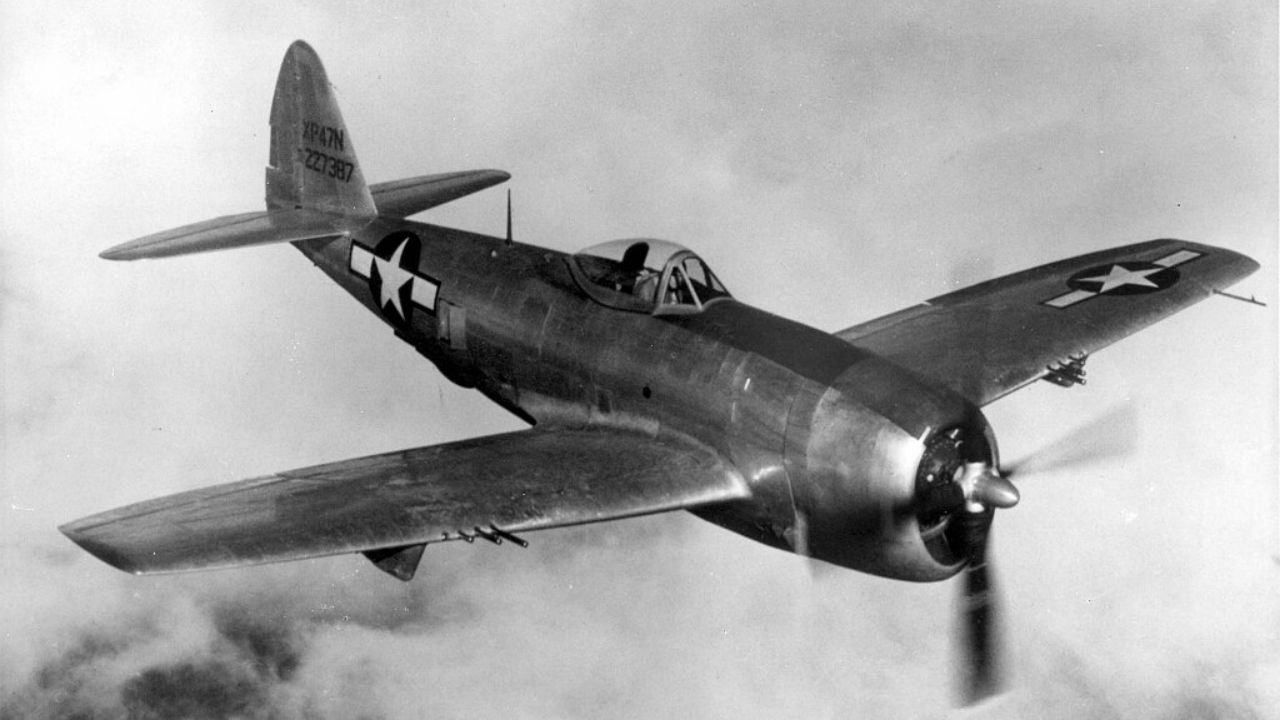
The P-47 Thunderbolt was a formidable force in the skies during World War II. Known for its power, durability, and versatility, this fighter aircraft played a crucial role in the Allied victory. From its impressive engineering to its legacy in aviation history, the P-47 continues to be celebrated by military historians and aviation enthusiasts alike.
Origin and Development
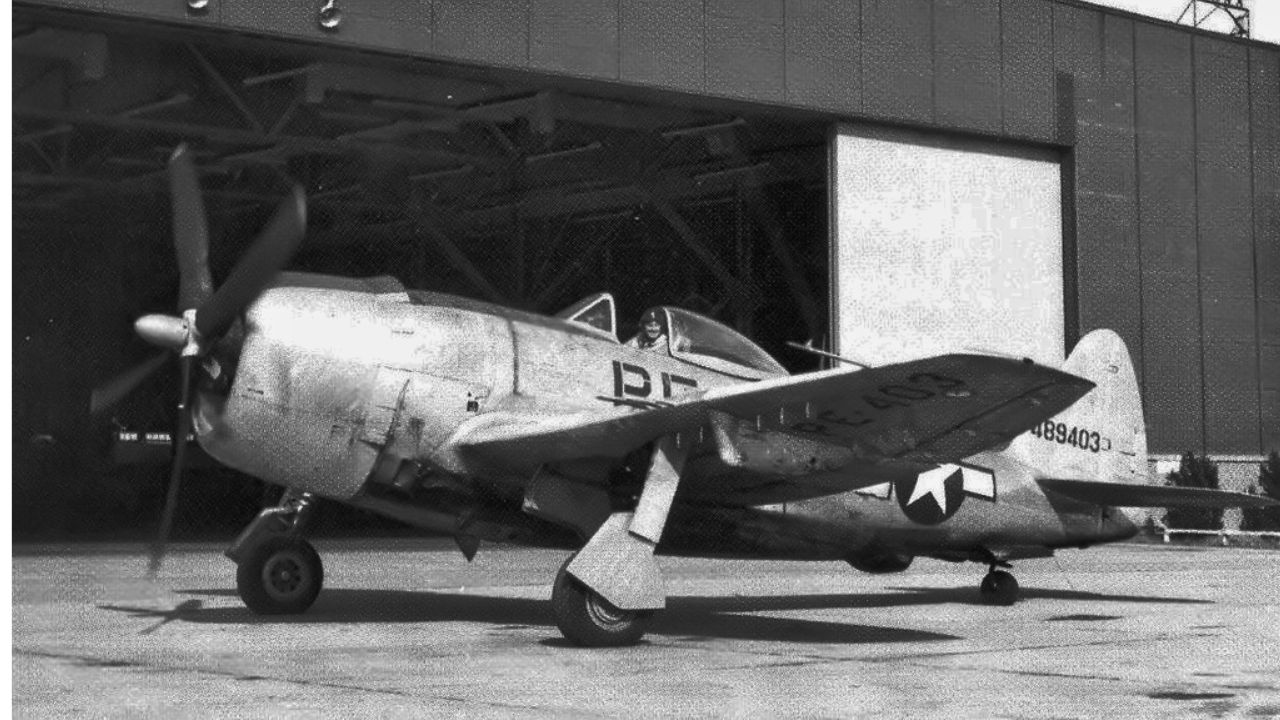
The P-47 Thunderbolt was developed by Republic Aviation in the late 1930s. Designed by Alexander Kartveli, it was initially conceived as a lightweight interceptor. However, the design evolved into a much larger and more powerful aircraft, reflecting the changing needs of the U.S. Army Air Forces during World War II. Officially introduced in 1942, the P-47 quickly became a staple of the Allied air arsenal.
Impressive Size and Weight
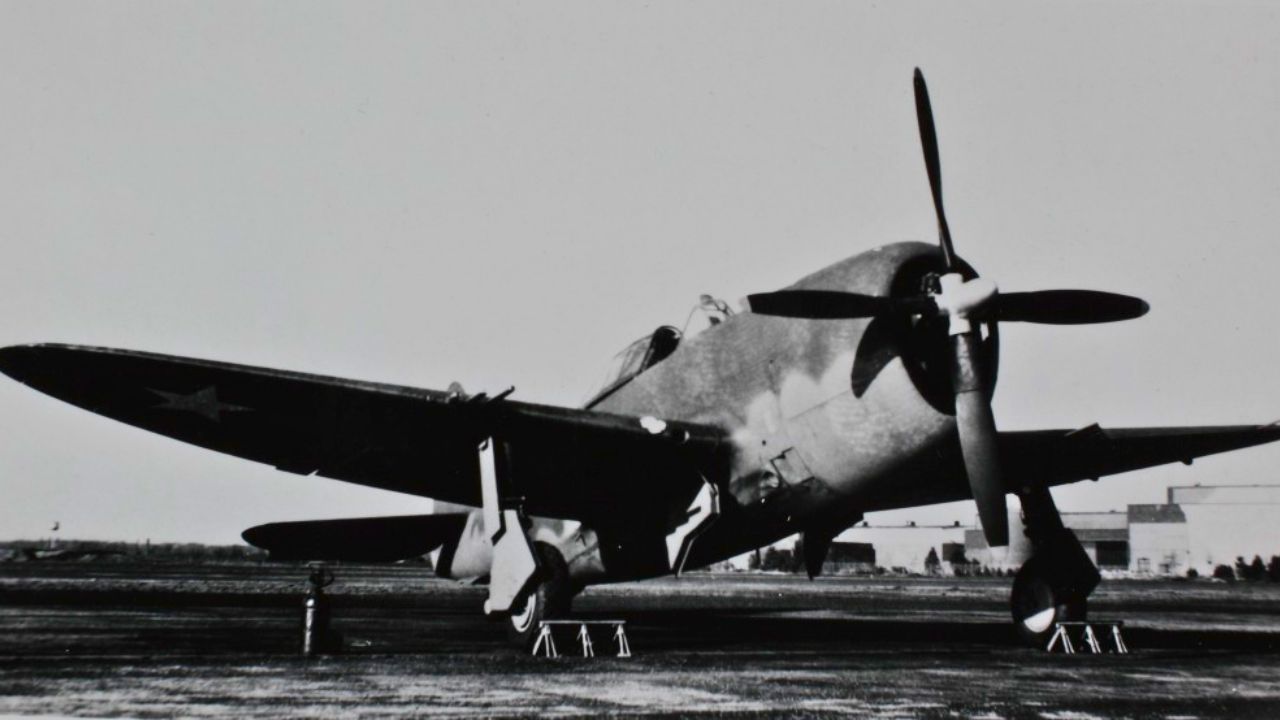
Weighing in at over 8 tons when fully loaded, the P-47 Thunderbolt was one of the heaviest single-engine fighters of its time. Its sheer size allowed for greater fuel capacity and durability. With a wingspan of 40 feet, the Thunderbolt was an imposing presence in the air. Despite its bulk, the P-47 maintained impressive speed and agility, contributing to its effectiveness in combat missions.
Powerful Pratt & Whitney Engine
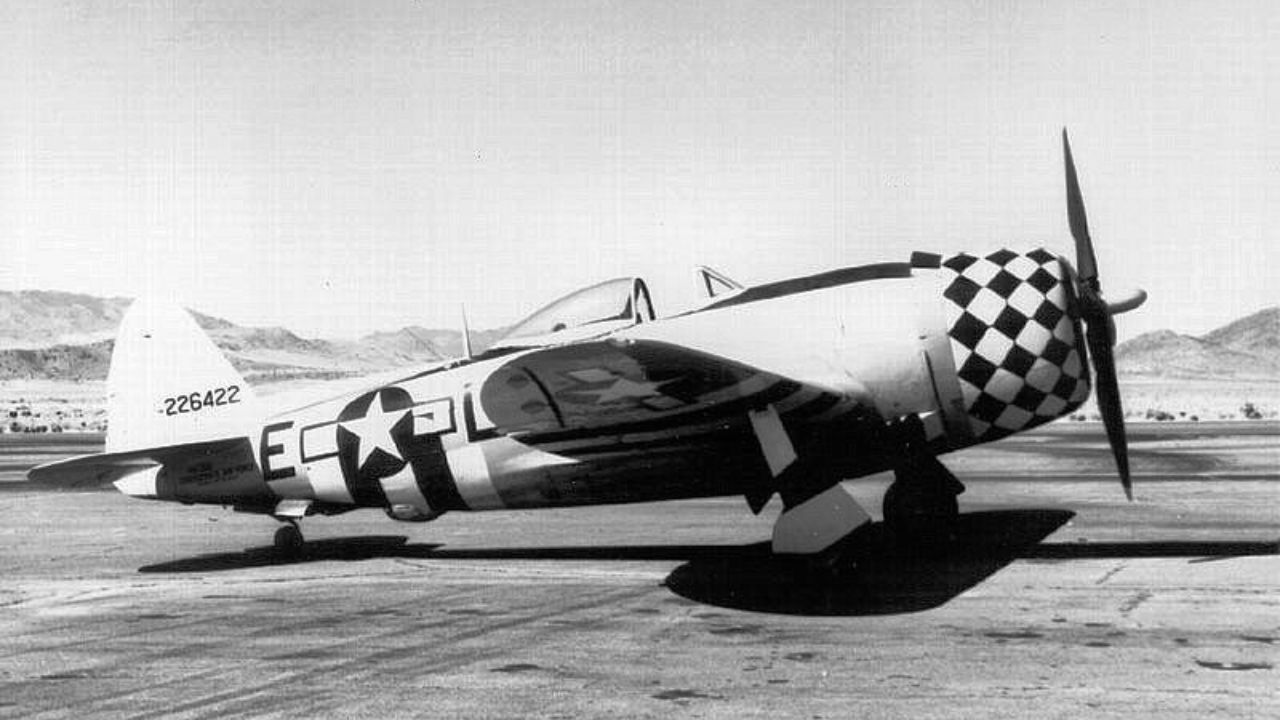
At the heart of the P-47 Thunderbolt was its powerful Pratt & Whitney R-2800 Double Wasp engine. This 18-cylinder radial engine produced up to 2,000 horsepower, enabling the Thunderbolt to reach speeds of over 430 mph. The robust engine was crucial for the aircraft’s performance, providing the necessary power for both high-altitude dogfights and low-level ground attacks.
Armament and Firepower
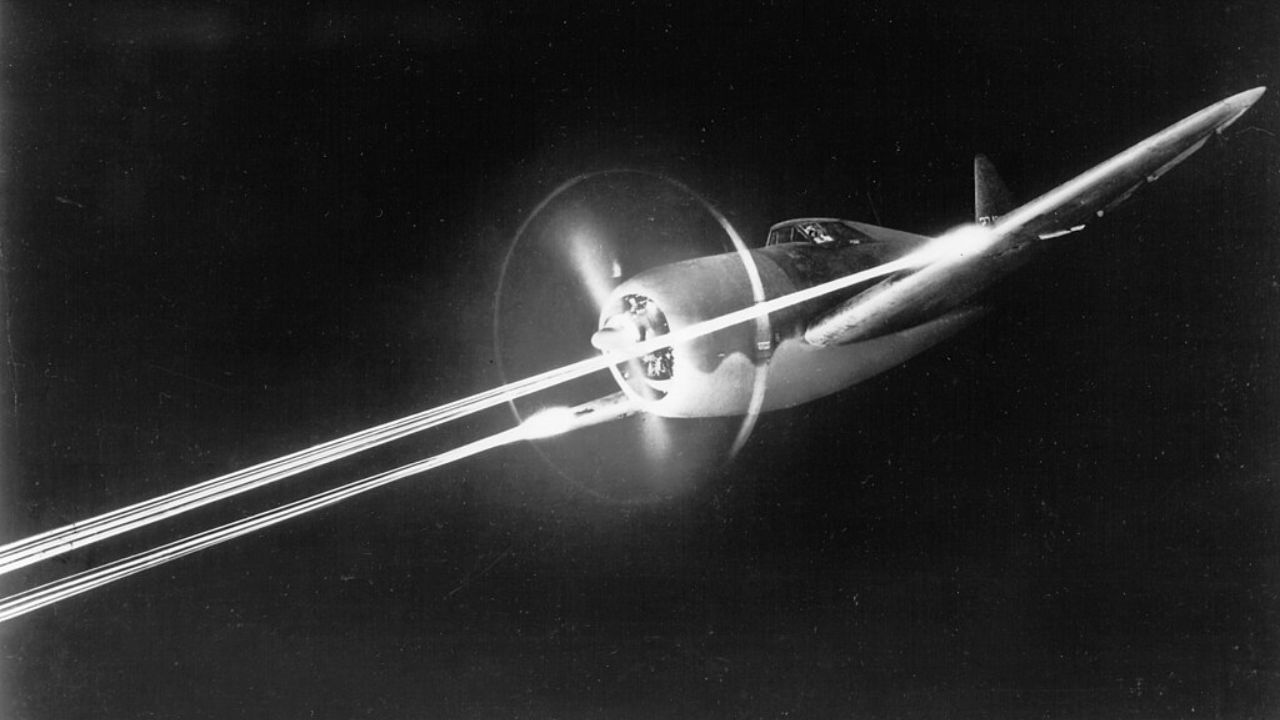
The P-47 was heavily armed, boasting eight .50 caliber machine guns, four mounted in each wing. This formidable firepower allowed it to engage effectively with enemy fighters and provide ground support. Additionally, the Thunderbolt could carry up to 2,500 pounds of bombs or rockets, making it a versatile platform for various mission types, including bombing runs and strafing attacks.
Versatility in Combat Roles
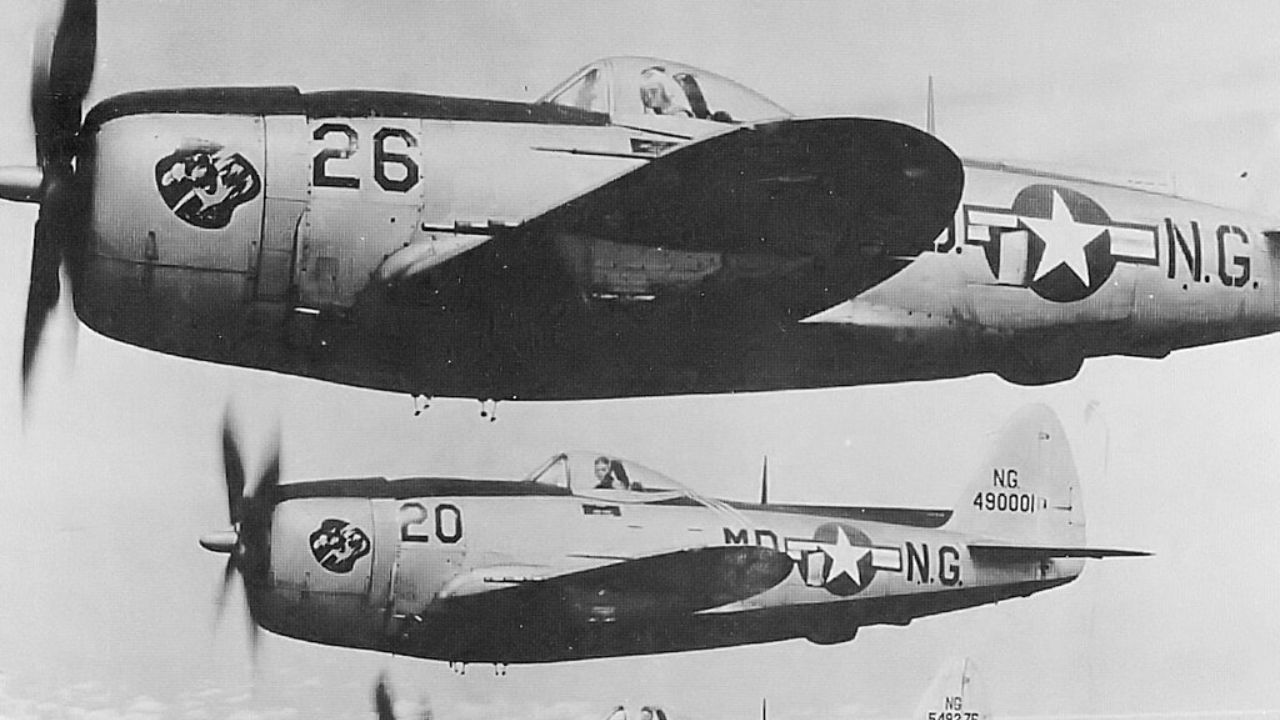
The P-47 Thunderbolt excelled in multiple combat roles, serving as both a fighter and a fighter-bomber. Its capability to perform high-altitude escort missions and low-altitude ground attacks made it indispensable to the Allied forces. The aircraft’s adaptability was further showcased in its use for reconnaissance and ground support, proving its value in a wide range of combat scenarios.
Rugged Durability
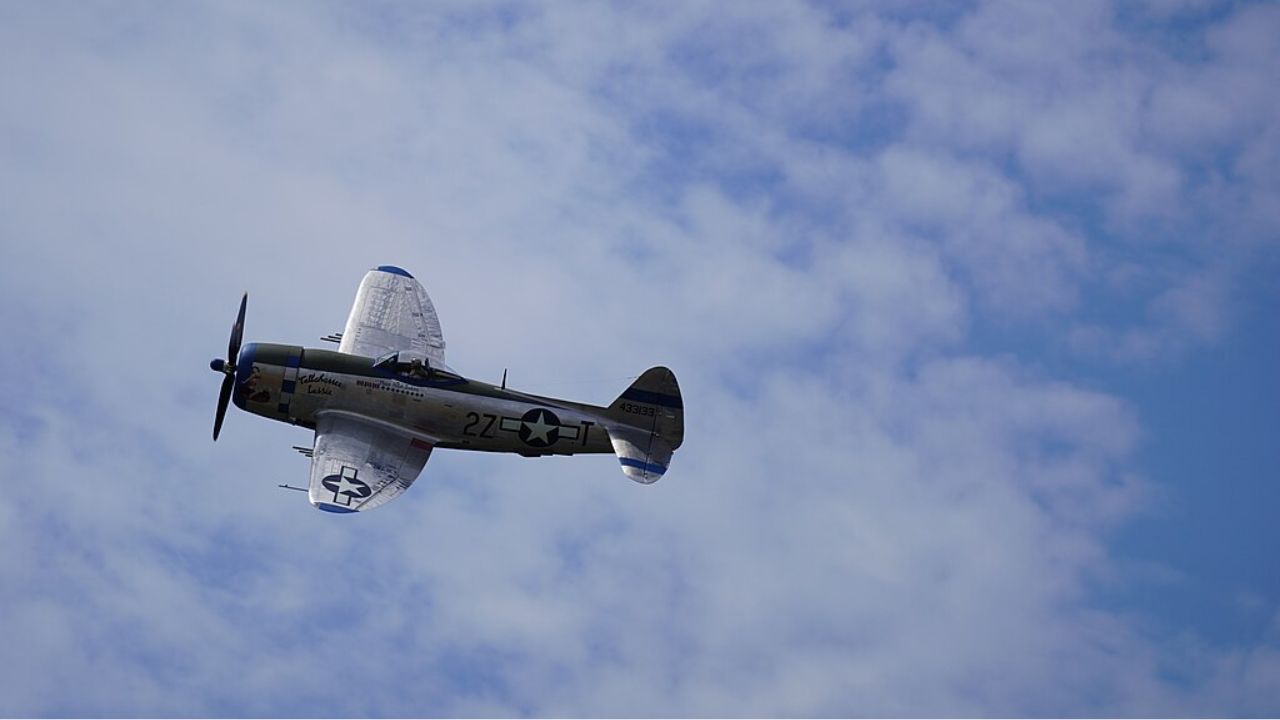
One of the most praised features of the P-47 was its rugged durability. Its robust construction allowed it to withstand significant battle damage and still return safely to base. The aircraft’s durability saved countless pilots’ lives and allowed for continued use even when heavily damaged. This resilience earned the Thunderbolt a reputation as one of the toughest fighters of World War II.
Key Battles and Campaigns
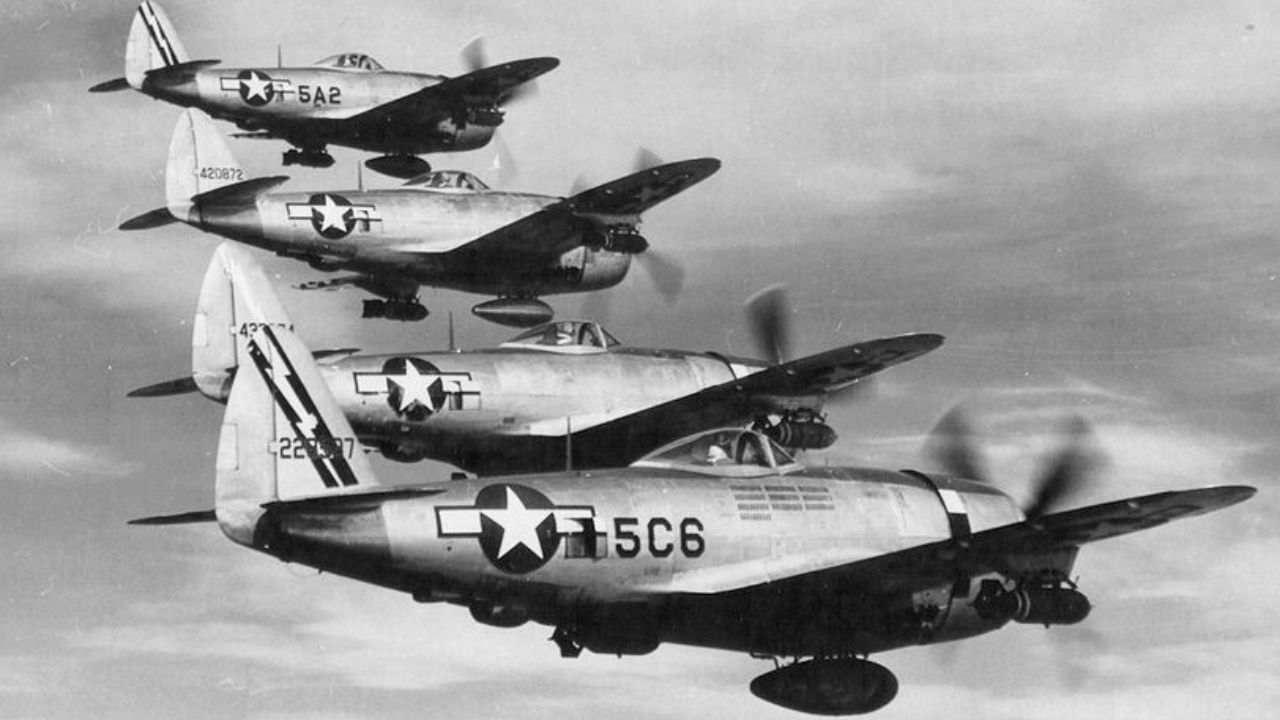
The P-47 Thunderbolt played a crucial role in several key battles and campaigns during World War II. It was instrumental in the European theater, supporting Allied ground forces during the D-Day invasion and the Battle of the Bulge. In the Pacific, the Thunderbolt provided vital air support in the Philippines and Okinawa, showcasing its versatility and effectiveness across different combat environments.
Production Numbers and Variants
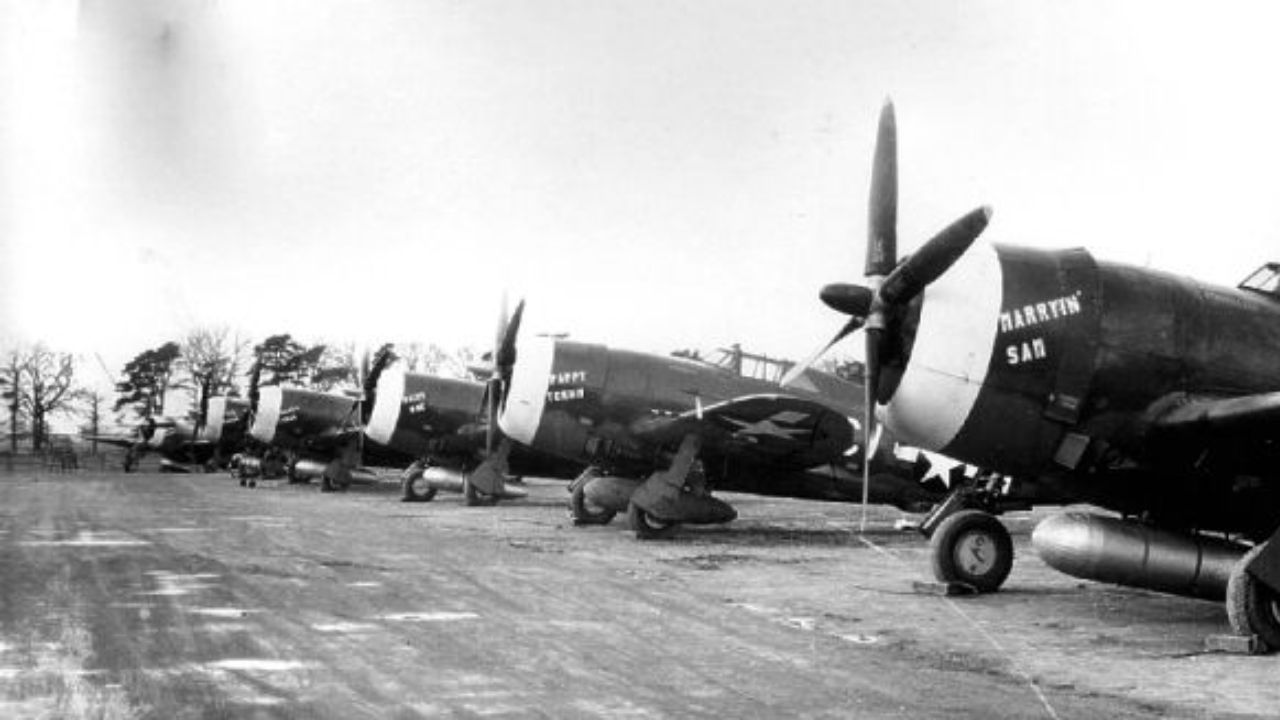
Over 15,000 P-47 Thunderbolts were produced during World War II, making it one of the most widely manufactured fighter aircraft of the era. Numerous variants were developed to meet different operational needs, including the P-47D, which was the most produced model. These variants often featured improvements in armament, engine performance, and range, further enhancing the aircraft’s combat capabilities.
Impact on Allied Success
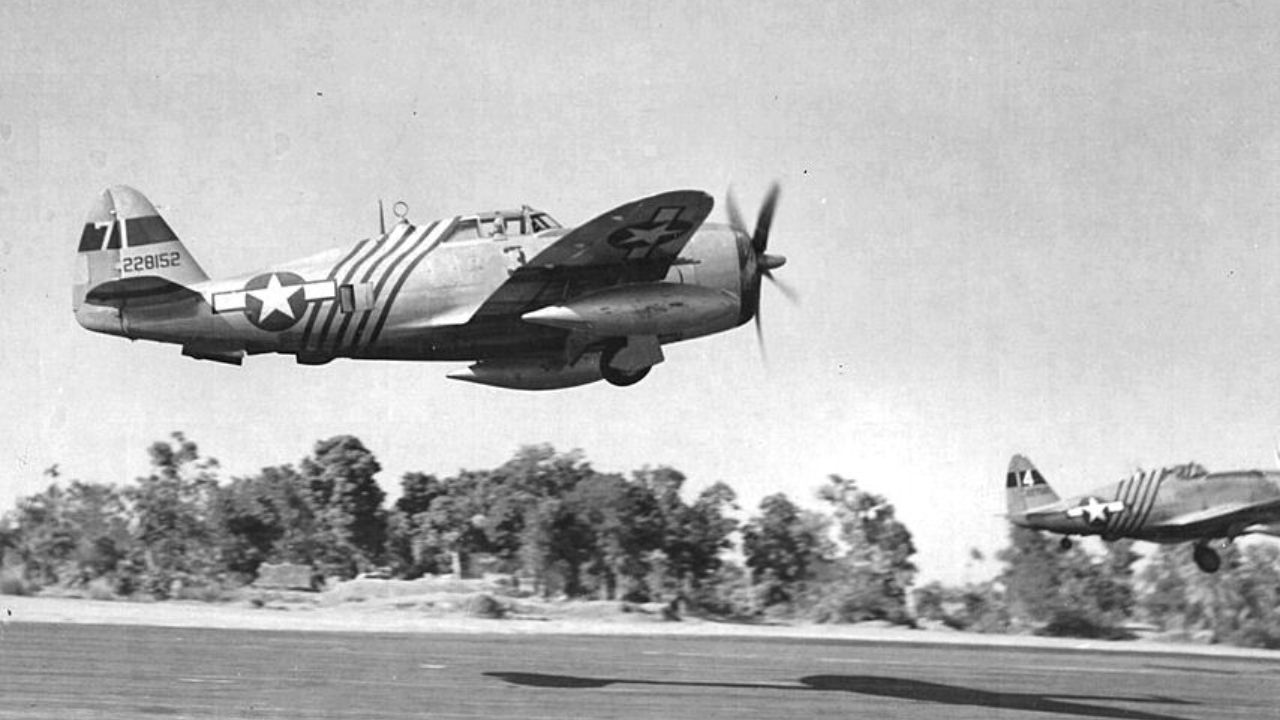
The P-47 Thunderbolt had a significant impact on the success of Allied air operations. Its ability to provide effective close air support and air superiority was crucial in multiple theaters of war. The aircraft’s versatility, combined with its firepower and durability, helped the Allies maintain control of the skies, contributing to the overall success of their military campaigns.
Legacy and Influence in Aviation History
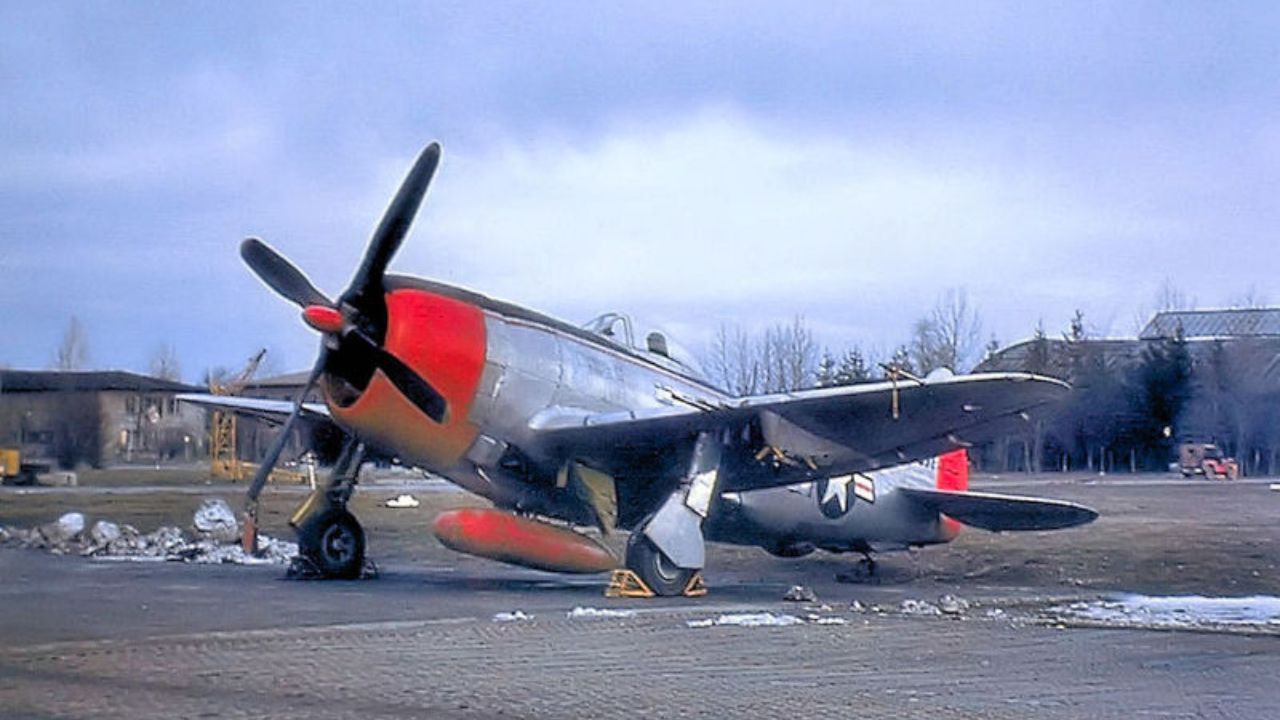
Even decades after World War II, the P-47 Thunderbolt remains a symbol of American air power and engineering prowess. Its design and performance influenced post-war aviation developments, and it continues to be celebrated in aviation museums and air shows around the world. The Thunderbolt’s legacy is a testament to its role in shaping the outcome of the war and its lasting impact on military aviation.



Leave a Reply