
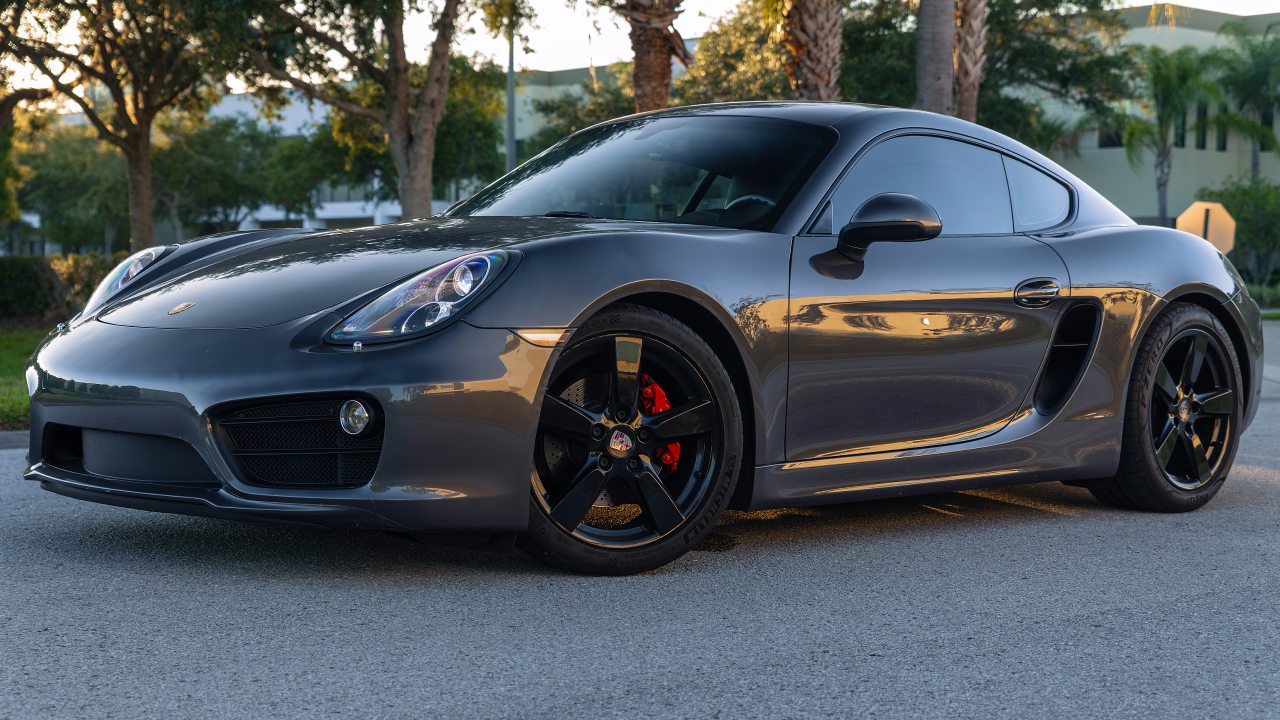
Performance cars have never been more technically advanced, yet the models that still feel alive in your hands are the ones that balance speed with character. I look for machines that translate engineering into sensation, cars that turn every on-ramp and back road into something memorable rather than just posting a quick number.
Why some modern performance cars still feel analog
The most engaging performance cars today succeed because they preserve a sense of mechanical connection even as electronics quietly manage the chaos. I find that the standouts are not necessarily the most powerful, but the ones that let the driver feel weight transfer, steering load and power delivery in a way that is predictable and repeatable. Hydraulic-feel steering racks, carefully tuned stability systems and linear throttle mapping all help modern hardware behave with an almost old-school clarity, even when the underlying platforms are packed with sensors and software.
That balance is especially clear in cars that resist the temptation to chase headline power figures at the expense of usable performance. Lightweight construction, shorter gearing and well-judged suspension tuning often matter more than an extra 75 horsepower when it comes to real-world enjoyment. Models that keep curb weight in check and prioritize chassis feedback over outright grip tend to deliver the kind of involvement that still feels fresh years after launch, even as newer, faster rivals arrive with more aggressive spec sheets.
Rear-drive icons that keep the driver at the center
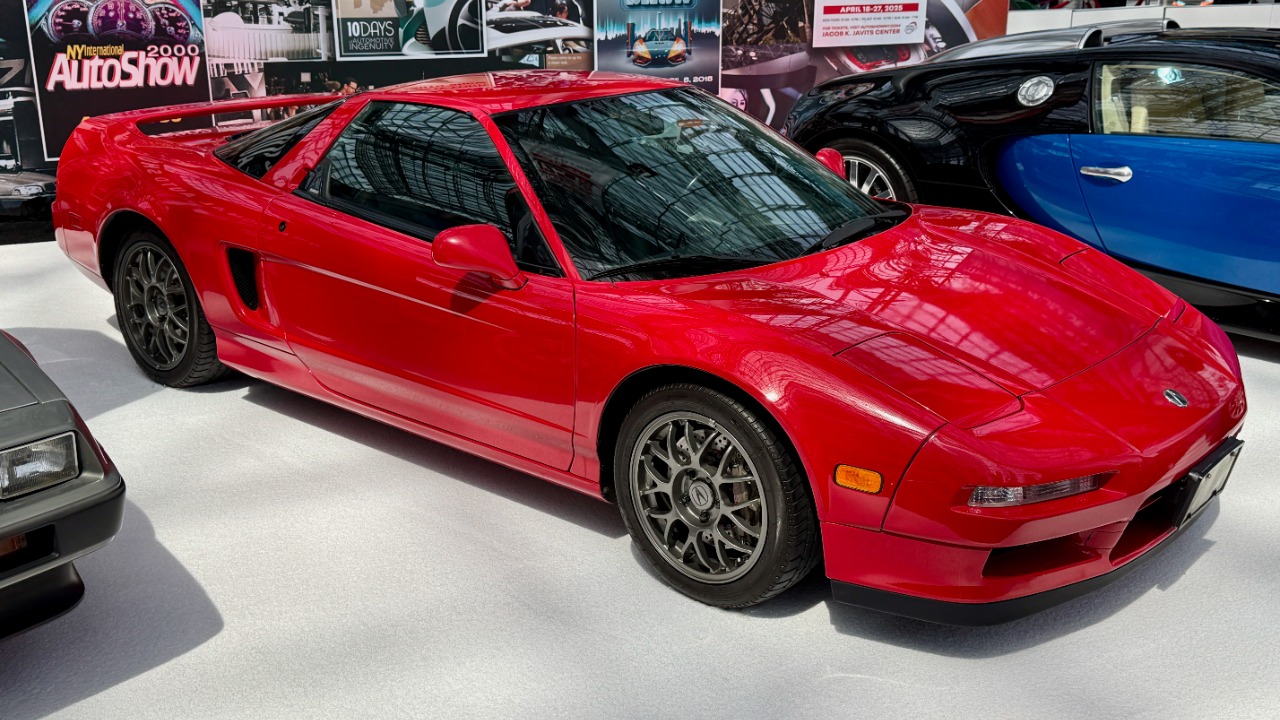
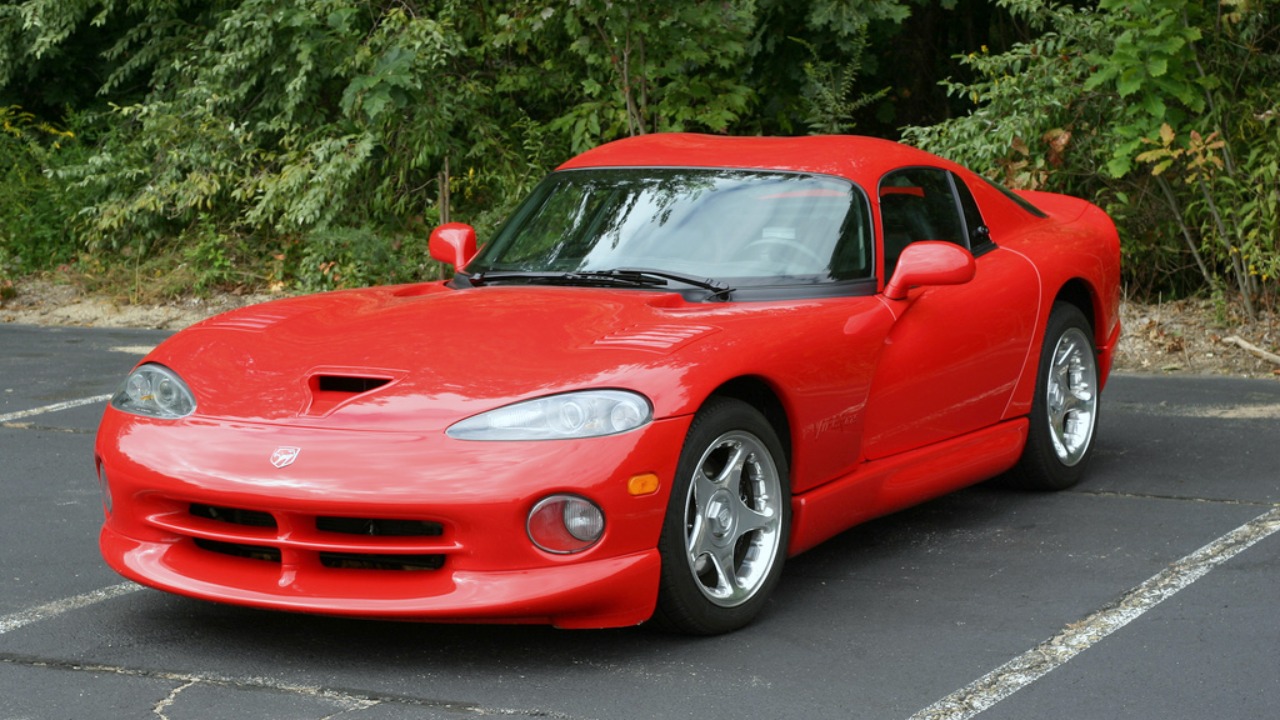
Rear-wheel-drive coupes and sedans remain some of the purest expressions of performance driving because they reward smooth inputs and punish clumsy ones. I see that dynamic most clearly in compact platforms with front-mounted engines and relatively modest footprints, where the driver can sense the rear axle working under power and adjust the car’s attitude with the throttle. When the stability control is tuned to allow a bit of slip before intervening, these cars feel playful without becoming intimidating, which is exactly the sweet spot for a road-focused performance machine.
Even as turbocharging and automatic gearboxes have become the norm, a few rear-drive models still offer manual transmissions and naturally aspirated engines that respond instantly to pedal inputs. That combination keeps the driver busy in the best way, matching revs on downshifts and choosing gears proactively rather than relying on software to guess the next move. I find that this interaction, more than any single performance metric, is what makes these cars feel timeless, because the core experience of balancing steering, throttle and clutch never really goes out of style.
All-wheel-drive performance that still feels playful
All-wheel-drive performance cars used to be associated mainly with unshakeable grip, but the most interesting examples today are engineered to feel rear-biased and adjustable. By sending a larger share of torque to the back axle in dynamic modes, these cars can rotate into a corner and then slingshot out with a sense of propulsion that feels far more engaging than a neutral, understeer-heavy setup. I appreciate systems that are transparent in operation, letting the driver sense when the front axle is helping rather than masking the car’s balance entirely.
What keeps these all-wheel-drive machines exciting over time is the way their electronics are layered rather than intrusive. Multi-stage stability control, configurable drive modes and active differentials can all be tuned to support the driver’s intent instead of overriding it. When the calibration is right, I can feel the car tightening its line under power or gently trimming wheelspin without killing momentum, which turns complex hardware into a kind of invisible co-driver rather than a chaperone.
Hot hatches and compact rockets that punch above their weight
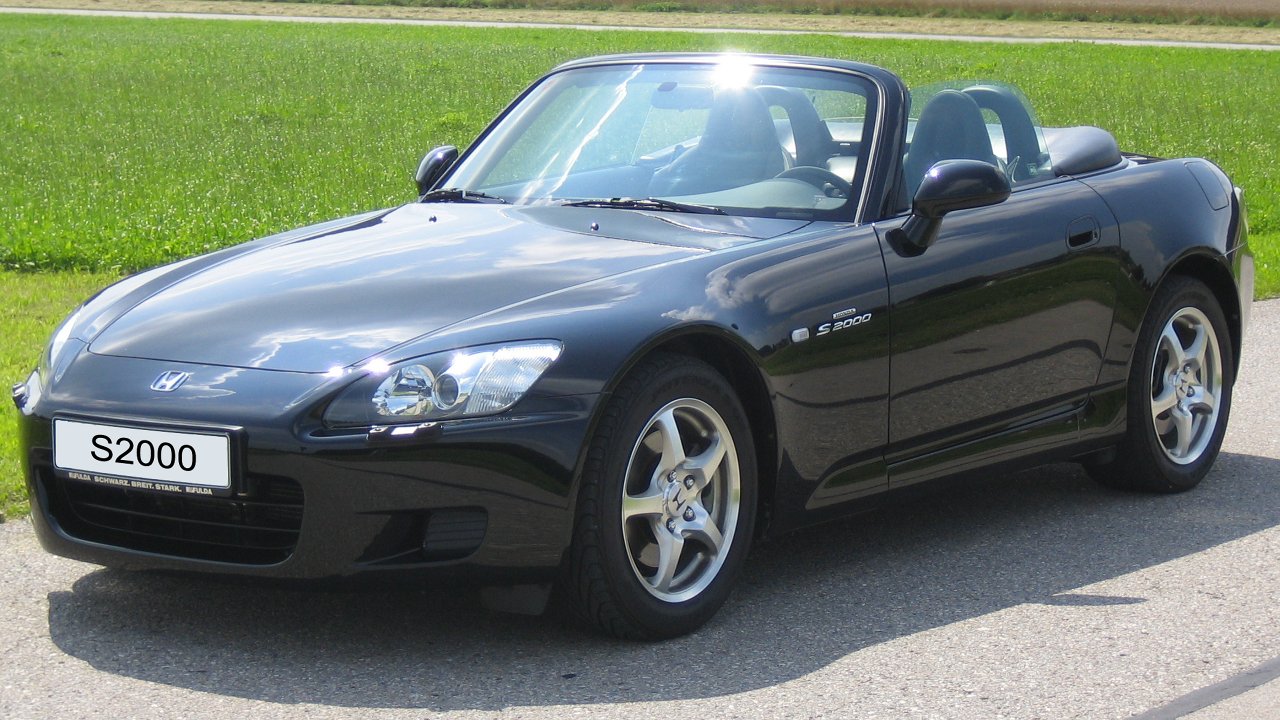
Compact performance cars continue to deliver some of the most accessible thrills on the market because they combine everyday usability with genuine pace. Short wheelbases, relatively low mass and front- or all-wheel-drive layouts give these models a pointy, eager character that works just as well on a tight city street as it does on a winding back road. I find that the best hot hatches and small sedans feel alert without being nervous, with steering that loads up progressively and suspension that communicates surface changes without beating up the occupants.
Turbocharged four-cylinder engines have become the default in this segment, and when they are paired with responsive gearboxes and well-matched gearing, they can make a compact car feel far more potent than its displacement suggests. Strong midrange torque lets these cars surge between corners and overtake decisively, while still returning reasonable efficiency in daily use. That dual personality is a big part of their enduring appeal, because it means the same car that handles school runs and commutes can also deliver a genuinely entertaining drive on a free weekend.
Electric and hybrid performance that earns its stripes
Electric and hybrid performance cars have shifted the conversation from noise and revs to instant torque and relentless acceleration, yet the ones that truly stand out are those that go beyond straight-line speed. I look for EVs and hybrids that use their powertrains to enhance control, whether through precise torque vectoring, clever brake regeneration or finely tuned traction management. When these systems are calibrated with enthusiasm in mind, they can make a heavy, powerful car feel surprisingly agile and responsive.
Battery placement and packaging also play a crucial role in how exciting these cars feel from behind the wheel. By concentrating mass low and between the axles, engineers can give electric and hybrid models a planted, confidence-inspiring stance that encourages the driver to lean on the chassis. When that inherent stability is combined with communicative steering and suspension tuning that allows a bit of body movement, the result is a new kind of performance experience that does not try to imitate traditional sports cars, but still delivers the same kind of emotional payoff.
Why these cars will still feel special years from now
What ties all of these performance cars together is not a specific layout or powertrain, but a shared focus on how they make the driver feel. I notice that the models which age well tend to have clear, consistent personalities: a particular way they turn in, a signature engine response, a recognizable steering weight. Those traits give owners something to bond with over time, and they are far less vulnerable to being overshadowed by the next incremental bump in horsepower or a slightly quicker benchmark lap.
As regulations tighten and technology continues to advance, the cars that will keep delivering genuine thrills are the ones that treat performance as a holistic experience rather than a spec-sheet contest. Whether they are rear-drive coupes, all-wheel-drive sedans, compact hot hatches or cutting-edge electrified machines, the key is that they invite the driver to participate rather than just observe. I expect that years from now, enthusiasts will still seek out these models not because they were the fastest of their era, but because they turned every drive into something worth remembering.


Leave a Reply