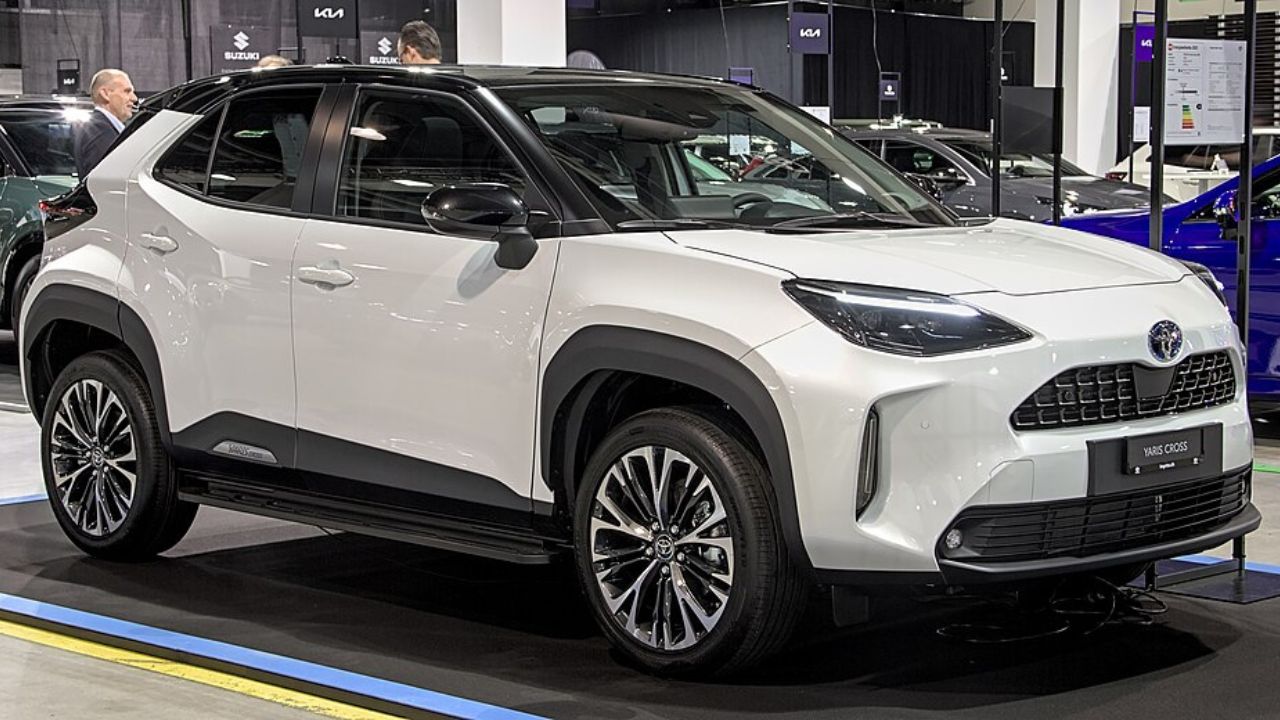
As the shift toward electric vehicles gains momentum, many drivers remain hesitant due to concerns like range anxiety and limited charging infrastructure. Plug-in hybrid electric vehicles (PHEVs) offer a practical middle ground, blending gas and electric power for greater flexibility. They allow consumers to experience electric driving without fully giving up the convenience of gasoline. This article explores how PHEVs can serve as a valuable bridge to a fully electric future.
Understanding Plug-In Hybrid Technology
Plug-in hybrid vehicles (PHEVs) serve as a transitional technology between traditional internal combustion engines and full electric vehicles (EVs). They are equipped with both a gasoline engine and an electric motor, allowing for dual power sources. In the 2025 model year, leading examples like the Toyota Prius Prime and the Ford Escape PHEV showcase advancements in this technology. These vehicles typically offer an all-electric range that can handle daily commutes, with the gasoline engine providing extended range for longer trips.
The flexibility of PHEVs makes them particularly appealing to consumers not ready to commit fully to electric vehicles. Drivers can enjoy the benefits of electric driving, such as reduced emissions and lower fuel costs, without the range anxiety associated with pure EVs. As the automotive industry evolves, PHEVs are positioned as a practical stepping stone in the gradual shift towards electrification.
Environmental Benefits of Plug-In Hybrids
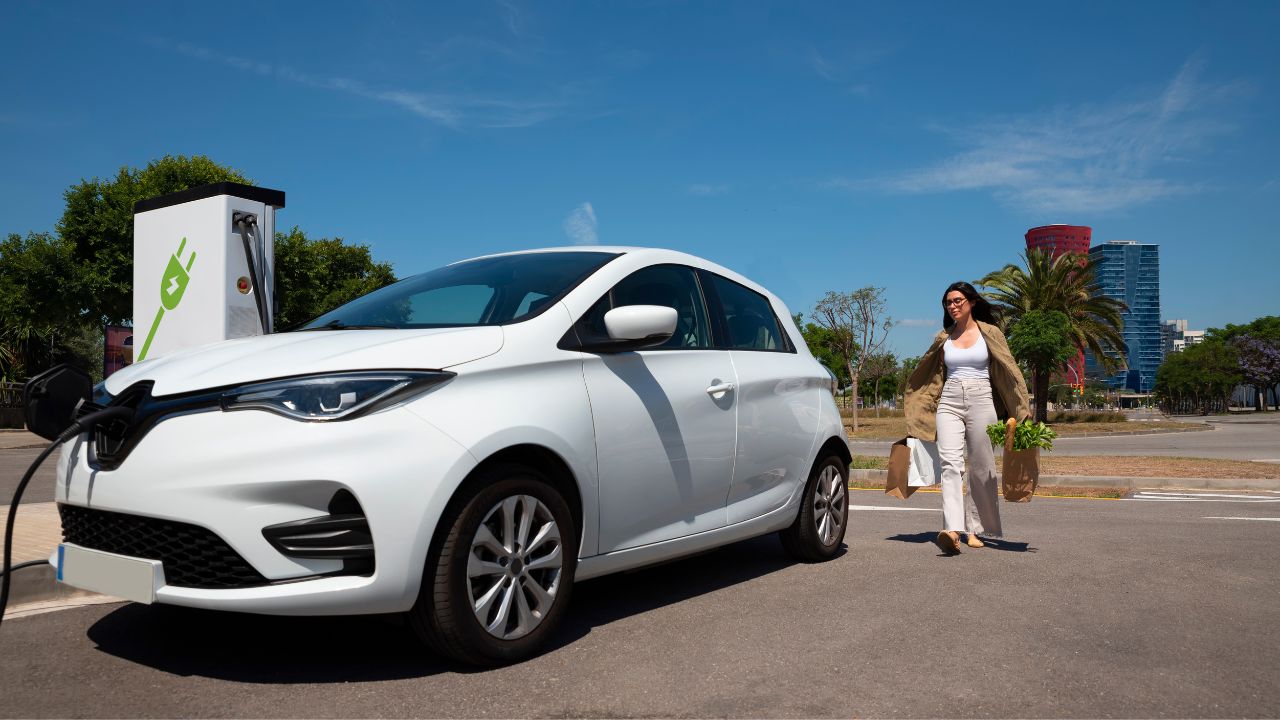
PHEVs contribute significantly to reducing greenhouse gas emissions, especially in urban settings where short commutes can be completed on electric power alone. According to a 2025 report by the International Council on Clean Transportation, PHEVs like the Hyundai Ioniq PHEV can reduce emissions by up to 60% when compared to their gasoline-only counterparts.
Moreover, PHEVs help decrease dependency on fossil fuels while supporting the integration of renewable energy sources. When charged using renewable electricity, the environmental impact of PHEVs is further minimized. This makes them an attractive choice for eco-conscious consumers seeking to lower their carbon footprint without sacrificing convenience.
Cost Efficiency and Savings

Plug-in hybrids offer significant cost savings, especially in terms of fuel expenses. For instance, the 2025 Mitsubishi Outlander PHEV boasts an impressive fuel economy, allowing drivers to save money at the pump. Additionally, many regions offer tax incentives and rebates for PHEV purchases, further enhancing their affordability.
Maintenance costs are also reduced since electric motors require less servicing than traditional engines. The dual powertrain ensures that even if one system requires maintenance, the other can keep the vehicle operational. For budget-conscious car buyers, PHEVs present a financially savvy option that balances performance with economic benefits.
Range and Convenience in Transition
One of the standout features of PHEVs is their extended range, which combines the best of both worlds. The Chevrolet Volt, for example, provides an electric range suitable for daily driving, while its gasoline engine kicks in for longer journeys. This dual capability eliminates the range anxiety often associated with pure electric vehicles.
Charging infrastructure is continually improving, making it easier than ever to keep PHEVs charged and ready. Home charging stations and public networks like ChargePoint and EVgo expand accessibility, ensuring that drivers can conveniently power up their vehicles. This convenience is a key factor for those considering the switch from gasoline to electrified transportation.
Future Prospects and Innovations
The future of plug-in hybrids looks promising as manufacturers invest in new technologies to improve efficiency and performance. With advancements in battery technology, upcoming models like the 2025 BMW X5 xDrive45e are expected to offer even greater electric ranges and shorter charging times.
Additionally, the integration of smart technologies, such as regenerative braking and advanced energy management systems, continues to enhance the driving experience. As the automotive landscape evolves, PHEVs will likely play a crucial role in bridging the gap to a fully electrified future, providing a versatile and practical solution for today’s drivers.