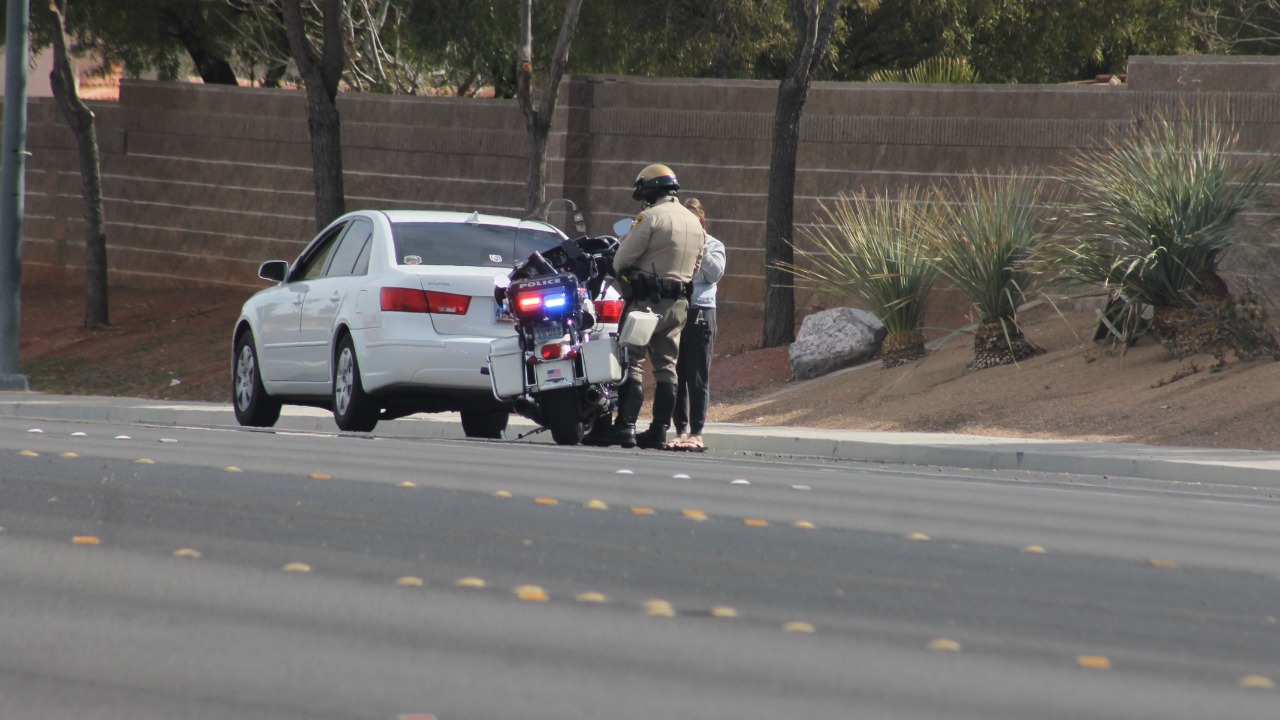
Long before a driver reaches for the window switch, an officer has already started building a mental file on that car and the person behind the wheel. From the way a vehicle reacts to a patrol cruiser in the next lane to what is visible through the glass, the assessment begins seconds before the red and blue lights flash. Understanding what police notice in those early moments can help drivers stay safer, protect their rights, and avoid turning a routine stop into something far more serious.
What officers see and infer in that brief window is not guesswork, it is grounded in training, legal standards, and a long list of behavioral cues that courts have allowed them to use. I want to walk through that split second from the officer’s perspective, then pivot to what drivers can control, from how they handle the stop to how they assert their rights without escalating the encounter.
What officers see before they ever hit the lights
By the time a patrol car pulls in behind you, the officer has already been watching how you drive, not just what you drive. In criminal interdiction training, instructors stress that it is “not about the type of car, it is about the driving behavior exhibited upon seeing a police officer or vehicle,” urging officers to focus on the totality of circumstances rather than chasing “flash looking” vehicles or other low hanging fruit, a point that Criminal training materials make explicit. That means the officer is clocking whether you suddenly slow way down, hug the right lane, or dart off at the next exit the moment you spot a cruiser in your mirror.
On the road, officers are trained to read erratic or overly cautious maneuvers as potential red flags. One of the primary indicators they are taught to look for is unusual or unsafe lane position, including weaving, drifting, or abrupt corrections, which can signal impairment or distraction and justify a closer look at a driver’s condition, as detailed in guidance on One of the key traffic stop procedures in Florida. When someone is ultimately pulled over for a suspected DUI, the evidence file often starts with those roadway observations, including driving behavior and how the car responded to the presence of law enforcement, which later become part of the Observations used in court.
The subtle signals that trigger a stop
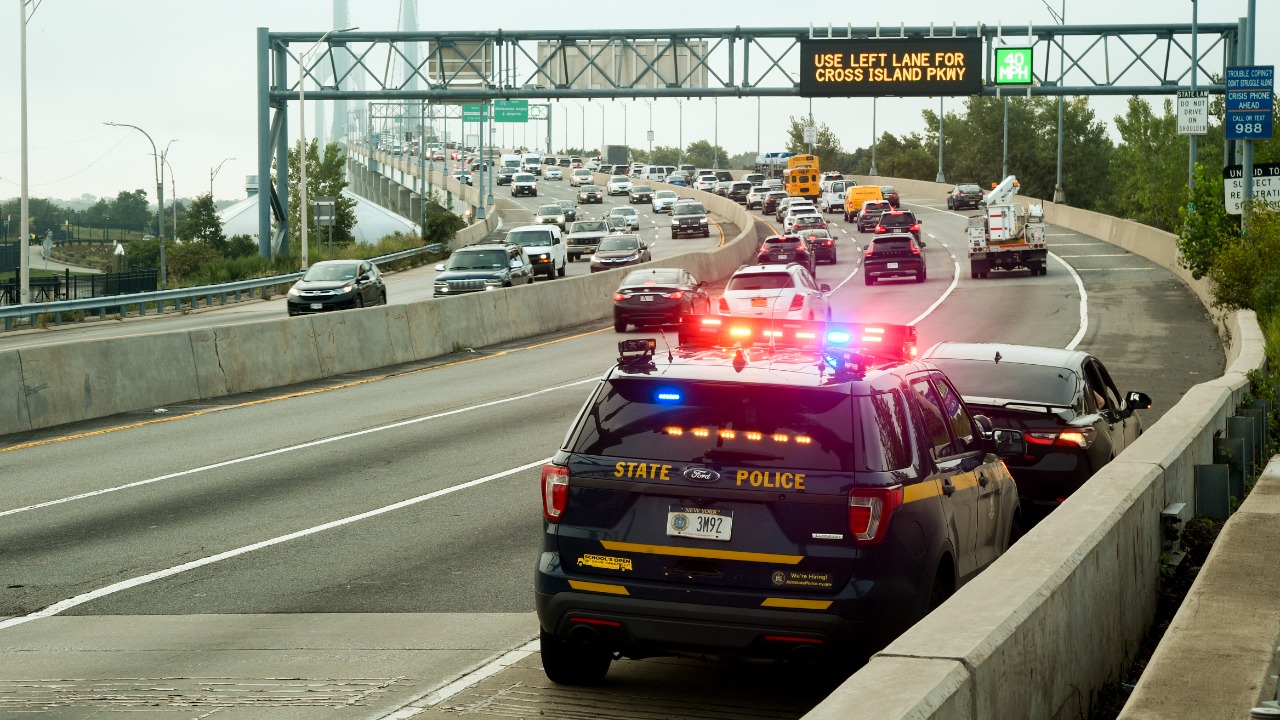
Once an officer has noticed a vehicle, the next question is whether there is a legal reason to initiate a stop at all. Departments spell out that officers can pull a driver over for traffic violations, probable cause to make an arrest, or reasonable suspicion of criminal activity based on personal observations, a framework that is laid out in official guidance on Traffic stops that also highlights how Probable cause and Reasonable suspicion work together. That legal threshold can be as simple as a broken taillight or as complex as a pattern of swerving that suggests a driver is under the influence.
Some of the most common triggers are surprisingly mundane. Equipment violations are a staple of traffic enforcement, and officers frequently pull drivers over because the tint on their windows is too dark, a headlight is out, or a license plate is obscured, all of which are classic Equipment Violations Police use as easy grounds for a stop. Registration issues are another low drama but high impact reason to hit the lights, since driving on the road with expired registration tags is itself a traffic violation that gives officers the legal basis to pull a car over and exposes the driver to being cited and fined, as explained in guidance on Driving with expired tags.
How your behavior around a patrol car looks from the driver’s seat of a cruiser
Drivers often assume that if they quietly slip off the highway or duck into a gas station when they see a cruiser, they will avoid attention. In reality, officers are trained to notice those evasive moves. In one widely shared discussion among officers, a commenter responded to a question about whether police notice cars that get off the road as soon as they see a patrol vehicle by saying, “Yeah of course, it is one of the many indicators we look for,” adding that “When I worked criminal interdiction for a few years I woul…” use that behavior as a cue to watch more closely, a perspective captured in a Yeah of thread that also highlights how When officers focus on subtle cues, they may see a simple exit as a sign of nervousness.
Those instincts are reinforced by formal training on impairment and criminal activity. Law enforcement officers go through structured programs to learn how to determine if a driver is drunk or intoxicated, and they are taught to look for specific driving patterns, such as sudden braking, inconsistent speed, or overcompensation when a patrol car appears, that may indicate a driver is impaired, as detailed in materials on Law enforcement training. Before they ever flip on the lights, officers are already weighing those “initial observations before pulling over,” including lane position, speed changes, and reaction to their presence, which are all part of the Initial Observations Before Pulling Over Before an official stop.
What officers scan as they walk up to your window
Once the car is stopped, the officer’s attention shifts from the way you drove to what is visible in and around the vehicle. As they approach, they are already looking through the windows for visual signs of unlawful activity, such as open containers, drug paraphernalia, or something sticking out from under the seat, a routine described in guidance that notes that when an officer is Walking up to the driver’s vehicle, they are already scanning for those clues. If an item connected to a crime is sitting in plain view, such as drugs on the passenger seat or a weapon on the floorboard, that can give them legal grounds to seize it under the plain view doctrine, which allows seizure When an item connected to a crime is visible without a search.
Courts have consistently held that officers do not need a warrant to act on what they can clearly see through the glass. If an officer spots visible contraband, such as drugs, weapons, or open containers of alcohol, in plain view inside the car, that observation can provide probable cause to search the vehicle more thoroughly, a principle that is spelled out in legal explanations of how Visible contraband can justify a search. At the same time, defense lawyers emphasize that not every glance into a car opens the door to rummaging through closed containers, and that the scope of any search still has to be tied to what the officer legitimately observed from outside.
Why you might be ordered out of the car, and what your rights look like
For drivers, one of the most unnerving moments is when an officer asks them to step out of the vehicle. Legally, courts have given officers wide latitude to order drivers out during a traffic stop, and training materials stress that this is not necessarily an accusation of wrongdoing but a standard safety procedure, especially when there is more than one person in the car or the officer needs to separate the driver from passengers, a point underscored in explanations of when Aug case law allows officers to control where people stand. When someone is pulled over for a traffic violation that may indicate impairment, the officer who comes to the window is also evaluating the driver’s physical appearance and demeanor, and if they ask you to step out, they may be preparing to conduct field sobriety tests that will later be described in detail When a DUI case is challenged.
At the same time, drivers do not leave their rights at the curb. Civil liberties groups urge people to stay calm, keep their hands visible, and clearly state if they do not consent to a search, while also reminding them that they generally have the right to remain silent and to ask if they are free to go, guidance that is central to many Know Your Rights resources. If the encounter escalates toward an arrest, legal education projects encourage people to learn in advance what to expect and how to assert their rights, pointing them to materials that say to Check a detailed Know Your Rights guide from the ACLU that Opens in a new tab.
How to drive, and respond, with those early observations in mind
Knowing that officers are constantly reading the road, drivers can make choices that reduce the odds of a stop and keep any encounter that does happen as low key as possible. Speeding remains the dominant reason cars get pulled over, and data on the most pulled over vehicles in the United States notes that speeding is by far the leading factor, with officers saying they have safety in mind when they enforce limits, a pattern highlighted in analysis of Why Certain Cars Get Pulled Over More Often and how The Price of the Car can shape perceptions in Surprisingly counterintuitive ways. Keeping equipment in working order, signaling turns, and avoiding sudden, dramatic reactions to a patrol car are all small steps that can keep you from standing out in the first place.
If you are pulled over, how you handle the interaction can matter as much as what led to it. Legal guides recommend pulling over promptly and safely, turning off the engine, and keeping your hands on the wheel where the officer can see them, then calmly providing license, registration, and proof of insurance when asked, advice that is echoed in practical checklists on what to do during a traffic stop. At the same time, you retain the right to ask if you are being detained or are free to go, to decline consent to a search, and to remain silent beyond providing basic identifying information, rights that are reinforced in state specific explanations of how This legal standard of reasonable suspicion works. Knowing that officers are already assessing you before the window comes down does not mean you are powerless, it means you can prepare, drive thoughtfully, and respond in ways that protect both your safety and your rights.