
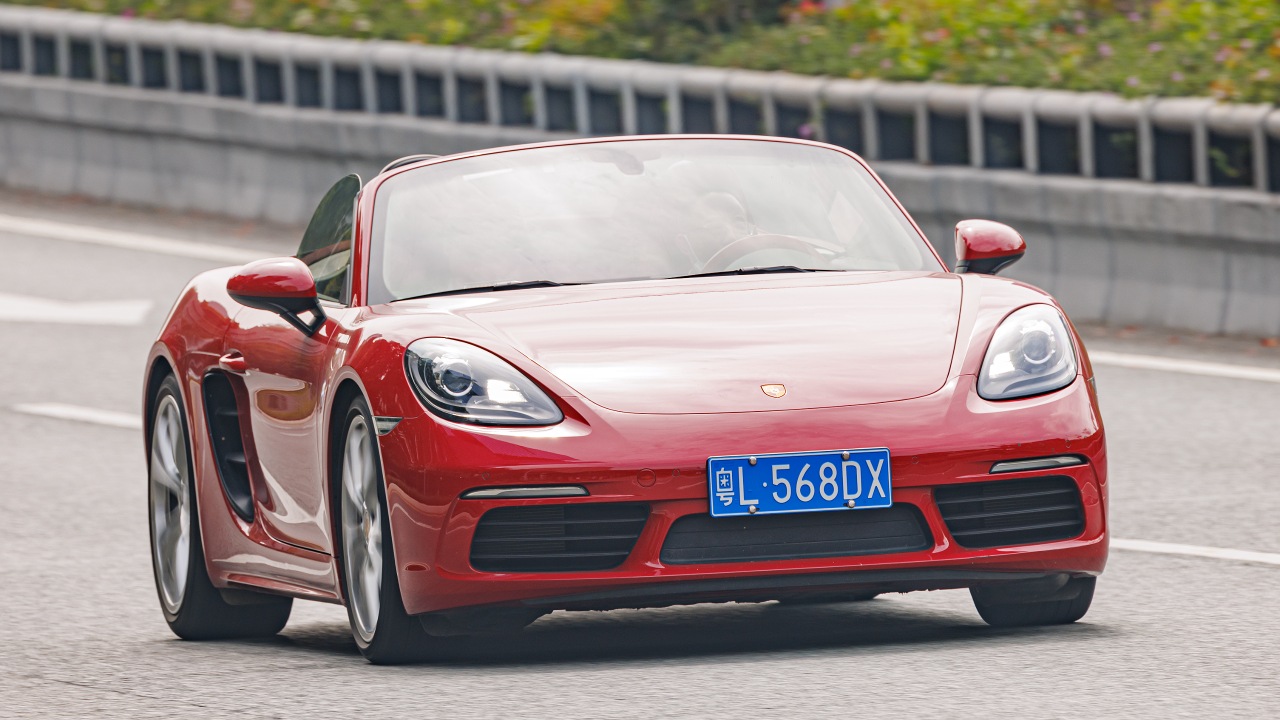
Porsche is quietly rewriting its electric playbook. After years of promising a clean handoff from gasoline to batteries for its entry sports cars, the company is now preparing a new 718 family that brings combustion back to center stage and treats full electrification as only part of the story. The shift reflects cooling demand for premium EVs, tougher economics than expected, and a strategic bet that enthusiasts still want engines as much as instant torque.
From EV showcase to combustion comeback
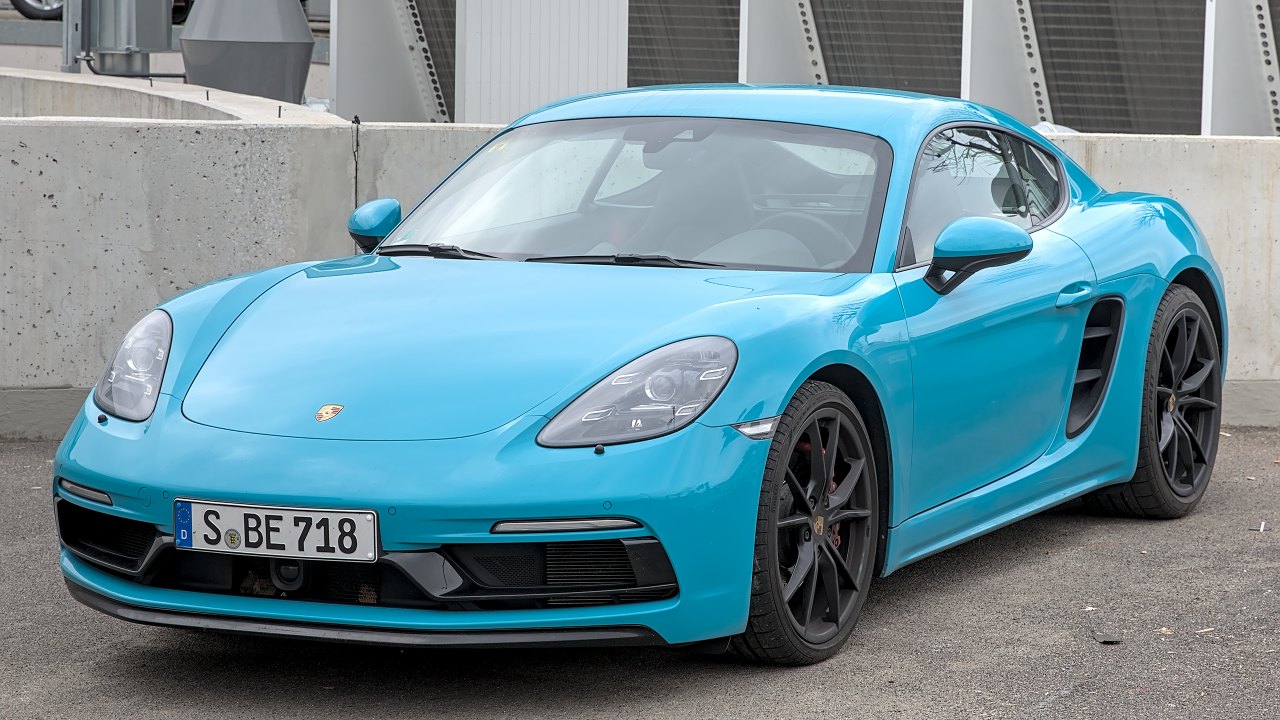
For most of the past decade, the next-generation 718 Boxster and Cayman were framed as Porsche’s proof that pure-electric sports cars could replace gasoline icons without compromise. That narrative has changed. Reporting now indicates that the future 718 will not be an EV-only line but a flexible platform that can host both electric and combustion powertrains, a significant departure from the original plan to phase out gasoline versions of the Boxster and Cayman entirely. One detailed account notes that the project has shifted “From EV-only to EV and Gas Side by Side,” with the 718 now expected to support internal combustion alongside battery power.
The reversal is not limited to a single model line. Porsche AG has described a broader “realignment” of its product strategy that keeps combustion engines in the portfolio for the medium to long term, rather than treating them as short-lived bridge technology. In that context, the decision to retain gasoline versions of the next 718 Boxster and Cayman looks less like a one-off concession and more like a pillar of a new roadmap. Coverage of the company’s strategy shift makes clear that Porsche AG is “resolutely continuing” to invest in internal combustion, even as it develops more electric models, a stance that underpins the decision to keep the 718 family straddling both worlds.
Inside the 718’s engineering U-turn
Reopening the door to gasoline power is not as simple as dropping an engine into an EV shell. The future 718 was engineered around the PPE architecture, a platform conceived purely for battery-electric vehicles with the pack acting as a structural element. As one technical breakdown explains, “The PPE platform was designed purely for EVs, with the battery working as a structural element. Remove the pack, and b…,” a description that highlights how deeply the battery is baked into the car’s bones. That same analysis notes that if engineers “Remove the” battery, they are left with a structure that was never meant to carry a traditional powertrain, which is why the pivot is being described as one of the most complex drivetrain reversals in Porsche’s history.
To make the new plan work, Porsche is reengineering what is described as the PPE Sport platform of the upcoming electric 718 to support a combustion engine. Reports state that the company is adapting this architecture so the 2027 Porsche 718 Boxster can be offered both as an EV and with a gasoline unit, while still sharing core underpinnings. Engineers will have to clear space for a four or six cylinder engine in a vehicle originally designed around electric motors and a flat battery pack, a task one report characterizes as an “engineering headache” that involves rethinking packaging, cooling, and crash structures. Another account, by Greg Kable, describes the project as one of the most significant drivetrain reversals in Porsche’s history, underscoring how far the company is willing to go to keep combustion alive in its mid-engine sports car line.
Why Porsche is betting big on engines again
The technical contortions only make sense when viewed against the business and market pressures building around premium EVs. Porsche has already warned that its profits will take a hit in 2025 as it pours money into combustion development, with one analysis describing how the company is “reinvesting in combustion engines” even at the cost of lower-than-expected profit margins. That report, by Michael Accardi, notes that Porsche is willing to accept thinner returns in the near term to secure a lineup that still includes high-performance gasoline models, a choice that runs counter to the industry narrative that EVs are the only future worth funding.
Other coverage frames the move as part of a broader “combustion comeback” worth roughly $830 million, with Porsche “pressing the brakes” on an all-out EV push and “looking hard at the road ahead” instead. In that account, the company is portrayed as reacting to slower-than-expected growth in electric demand and recalibrating its investments accordingly. A separate report on how “Porsche’s future has more internal combustion than expected” reinforces the same theme, describing how the brand has gone back on the record to amend earlier statements that leaned more heavily toward full electrification. Taken together, these sources depict a manufacturer that has studied the early EV market, seen the limits of current demand, and decided that engines still justify serious capital.
Cooling EV demand and the 718’s new role
The 718’s shift back toward gasoline is also a direct response to what analysts describe as cooling enthusiasm for electric sports cars. One detailed piece on the future of the 718 notes that Porsche is rethinking the car “as EV demand cools,” positioning a gasoline or hybrid variant as a hedge against customers who are not ready to commit to a battery-only weekend toy. That same report explains that the PPE-based 718 was originally meant to be a showcase for quiet, battery-electric performance, but that plan is now being tempered by the realization that some buyers still want the sound and feel of a combustion engine in a compact, two seat Porsche.
Another analysis of the company’s September strategy announcement points out that Porsche confirmed the next 718 Boxster and Cayman would not be the clean break from gasoline that had been signaled earlier. Instead, the cars are now expected to carry combustion options well into the next product cycle, effectively turning the 718 into a bridge between Porsche’s traditional sports cars and its growing EV lineup. A separate report on the “next petrol Porsche Boxster” suggests that at least one of these gasoline variants could be a hybrid, indicating that Porsche is not abandoning electrification but rather blending it with engines in a way that better matches current buyer appetite.
Beyond the 718: a broader ICE-friendly strategy
The 718 is the headline, but it is not the only sign that Porsche is softening its EV-only ambitions. In September, the company outlined major powertrain strategy changes “In September, Porsche” reacted to slower-than-expected EV growth by confirming that internal combustion would remain a core part of its range. One social media report on the shift notes that Porsche just confirmed it is committing to internal combustion, highlighting that even a planned flagship SUV above the Cayenne, initially conceived as a pure EV, is being reconsidered. That same post emphasizes that the new SUV sitting above the Cayenne is no longer guaranteed to be battery-only, a sign that the rethink extends into high volume, high profit segments.
Another detailed breakdown of the company’s U-turn describes how “In September, Porsche” announced sweeping changes that keep gasoline power “for the people,” not just in halo cars. That report explains that the amount of work needed to reengineer platforms like PPE so they can host engines “cannot be overstated,” yet Porsche is choosing to do it anyway. A separate piece on how “Porsche Is Rethinking Its EV Strategy and Confirms Gas Versions of the Next, Gen Boxster and Cayman” reinforces the message that the Boxster and Cayman are not isolated exceptions but part of a coordinated strategy to keep combustion in the mix across multiple lines. In that context, the 718’s pivot looks like a template for how Porsche might handle other models that were once slated to go EV-only.
What this means for enthusiasts and the industry
For enthusiasts, the immediate takeaway is simple: the next 718 will still offer the visceral appeal of a gasoline engine, potentially including four and six cylinder options, even as an electric version arrives. Reports that the “Next Porsche 718 Could Support Both Gas Engines and EVs” and that the 2027 718 Boxster is being engineered for both powertrains suggest that buyers will be able to choose between instant electric torque and the traditional soundtrack of a combustion Porsche. A separate account that the “next petrol Porsche Boxster will be a hybrid” hints at an even more nuanced lineup, where electrification enhances rather than replaces the engine, blending electric assistance with familiar driving dynamics.
For the wider industry, Porsche’s pivot is a warning that the path to full electrification will not be linear. When a brand that once positioned the 718 as a pure EV showcase now spends heavily to keep gasoline alive, it signals that consumer demand, infrastructure, and profitability are not yet aligned with an all battery future. Analyses of Porsche’s “combustion comeback” and its decision to reinvest in engines despite profit headwinds show that even performance leaders are hedging their bets. As other automakers watch how buyers respond to a dual powertrain 718, the car could become a bellwether for whether the next decade of sports cars is defined by either/or choices or by flexible platforms that keep both electrons and octane in play.

Leave a Reply