A convertible that is easy to fix wins friends in the workshop. These nine open cars earn praise in buyer’s guides for simple service work, tough drivetrains and deep parts supply, from the Mercedes-Benz R107 SL to the humble Morris Minor.
Each entry below rests on a published buyer’s guide or marque source, and each names the weak spots too. Where a mechanic or owner is quoted, the quote comes from that guide.
1. 1989–1997 Mazda MX-5 Miata (NA)

The first MX-5 arrived in the UK in 1989, and its second generation followed in 1997. Classics World ranks the early cars among the friendliest classics for home work, because of their “modern-day simplicity” despite fuel injection. Engines ran from a 1.6-liter with 115 bhp to a 1.8-liter with 129 bhp after 1993.
One engineering choice matters most to anyone holding a spanner. The engine is non-interference, so a snapped cambelt is less catastrophic, according to Classics World’s DIY guide. Also, parts come from “a myriad of specialists,” and the guide calls the owners’ club “very strong indeed.”
2. 1962–1980 MGB Roadster
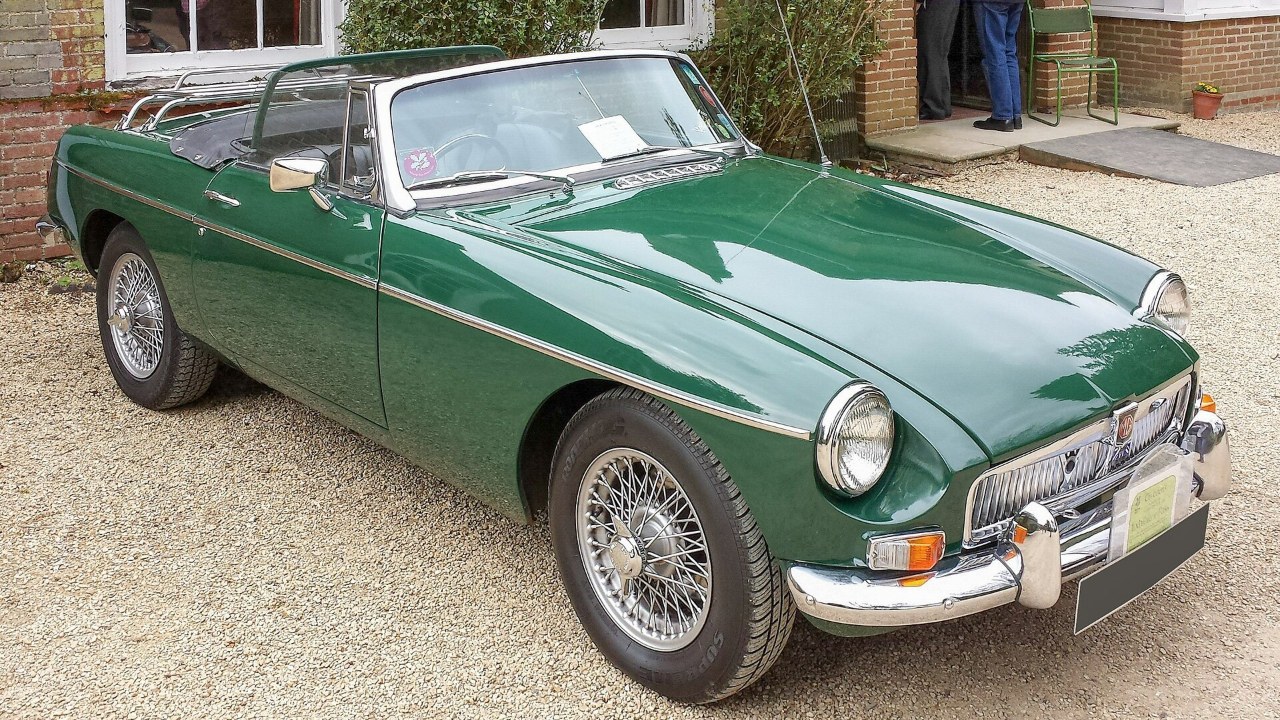
The open MGB ran from 1962 to 1980, according to the MG Car Club. It used monocoque construction and an overhead-valve B-Series engine enlarged to 1.8 liters.
Classics World calls the car “simple under the skin” and says a handful of tools covers routine work. In fact, complete British Motor Heritage bodyshells have been sold since 1988, so even a rotten car can be rebuilt. By contrast, Hagerty warns that American owners often wait for parts shipped “from across the pond.”
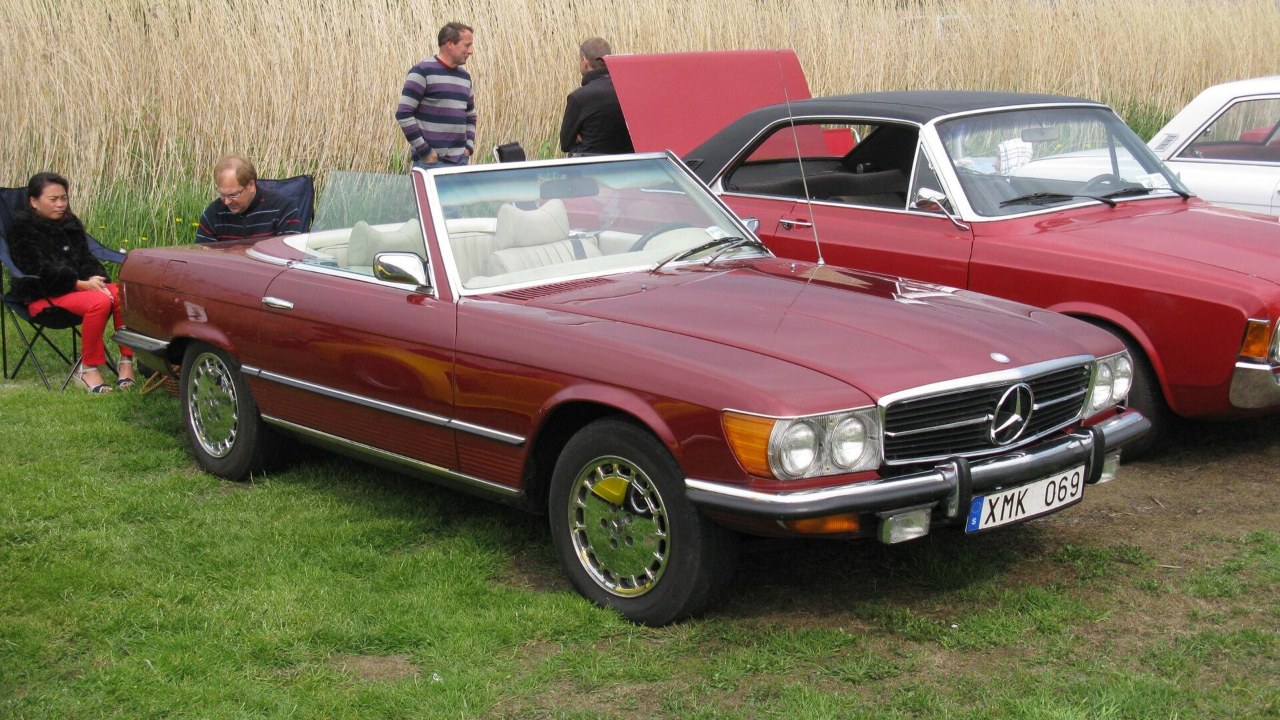
3. 1971–1989 Mercedes-Benz R107 SL
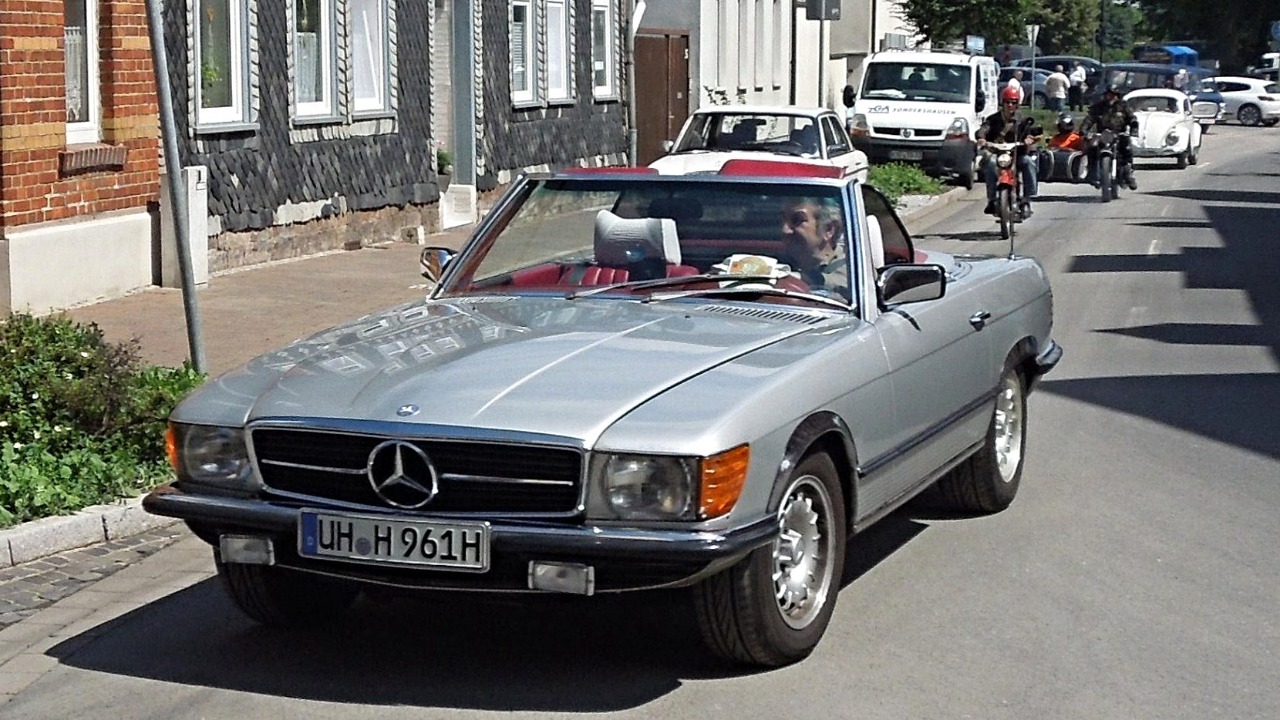
Mercedes built 237,287 examples of the R107 SL over an 18-year run, Hagerty UK’s buying guide records. During development, it earned the nickname “Panzerwagen.” Hagerty says Mercedes engineered it “to an impressively high standard,” and a large share of those cars survive.
For a workshop, the engines are the good news. Hagerty calls them “very reliable and unlikely to give much trouble,” and noisy V8 tappets often clear up with an oil change. However, rust is the biggest restoration cost on any R107 SL, and the vacuum central locking can leak.
4. 1990–2002 Mercedes-Benz SL (R129)
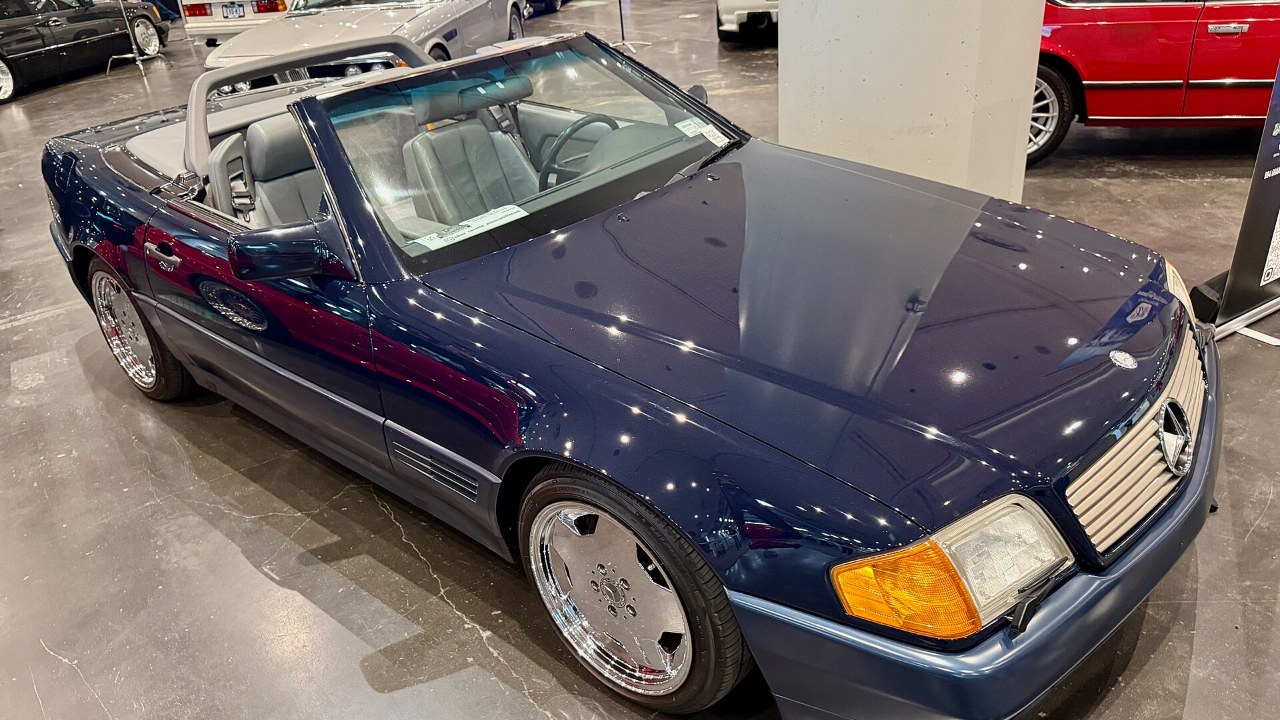
The next SL arrived in the U.S. for 1990 with a 217-hp 3.0-liter six or a 322-hp 5.0-liter V-8. A 389-hp V-12 600SL joined in 1993, according to Hagerty’s R129 buyer’s guide. Hagerty even calls the memory-linked power mirror on early cars “engineering overkill.”
That complexity has a price, so Hagerty asked a working mechanic. Hans Peter Ganz of Xaver’s auto service in Newburgh, New York, says the sixes and V-12s are “more prone to oil leaks than are the V-8s.” Meanwhile, the hydraulic top uses 11 or 12 cylinders, yet rebuilt units cost about $550 plus an exchange part.
5. 1992–1997 Mercedes-Benz E-Class Cabriolet (A124)

The Cabriolet joined the W124 range in 1992 and lasted until mid-1997, when the CLK took over. Before buying one, read Hagerty UK’s W124 guide, which praises the family’s “sheer sturdiness.”
The details back that up. Hagerty calls both gearboxes “tough and trouble-free,” the fuel injection “fairly simple by modern standards,” and the brakes “simple to replace.” The one big catch is wiring: the engine-bay loom “can crumble on 1993-on cars,” and a professional replacement costs around £1,200.
6. 1986–1993 BMW 3 Series Convertible (E30)

BMW launched its factory E30 convertible in late 1986 and built the last ones in early 1993. The launch 325i used the M20 2.5-liter six with 170 bhp. According to Classics World’s E30 Convertible guide, its cam belt is a job owners can manage at home.
The same guide adds the water pump to that job, then lists rear springs, viscous fans and front wishbones as other home repairs. It rates the Getrag 240 manual good and reliable and the 325i’s Getrag 260 even tougher, while the later ZF automatic is reliable too. On the other hand, M20 heads can crack under the camshaft journals, and a good used engine is usually the cheaper fix.
7. 1948–1969 Morris Minor Convertible

Morris built 74,960 Minor convertibles between 1948 and 1969, Hagerty UK reports. For owners, the appeal is in the running costs. A full service kit of plugs, filters and ignition parts sells for “just shy of £50,” according to the guide.
Tom Morris, a multiple Minor owner quoted by Hagerty, puts it plainly. “Mechanically, Morris Minors have always been simple and easy to run and repair,” he says. Hagerty also calls the Minor “one of the best-served classics” for parts, although sills and spring hangers rot.
8. 1986–1994 Saab 900 Convertible

Saab’s open 900 entered production in 1986 and stayed on sale until 1994. Its H-series four is the star for anyone who works on these cars. According to Classics World’s Saab 900 guide, a well-maintained one “will often reach up to 250,000 miles without needing a rebuild.”
The guide also calls the Garrett T3 turbo “a very reliable and durable unit,” especially in its later water-cooled form. Still, the five-speed manual is “not as robust as the engine,” so check for a noisy layshaft bearing. Overall, the guide rates the 900 “a well-built car by the standards of its era.”
9. 1983–1993 Ford Mustang Convertible (Fox Body)

Ford added a convertible to the Fox-body Mustang in 1983, a year after the 5.0-liter V-8 returned. By 1987, that V-8 made 225 bhp, and the generation ran until 1993, according to Hagerty’s Fox Mustang history. Hagerty adds that the chassis could “take well to modifications.”
That openness to work extends to repairs. In its list of classics you can restore yourself, Hagerty says Fox Body interior and exterior parts “shouldn’t be hard to find.” There are also “a ton of online and print resources” for owners. Meanwhile, the Fox body itself endured until 1993, according to Hagerty.
More from Fast Lane Only