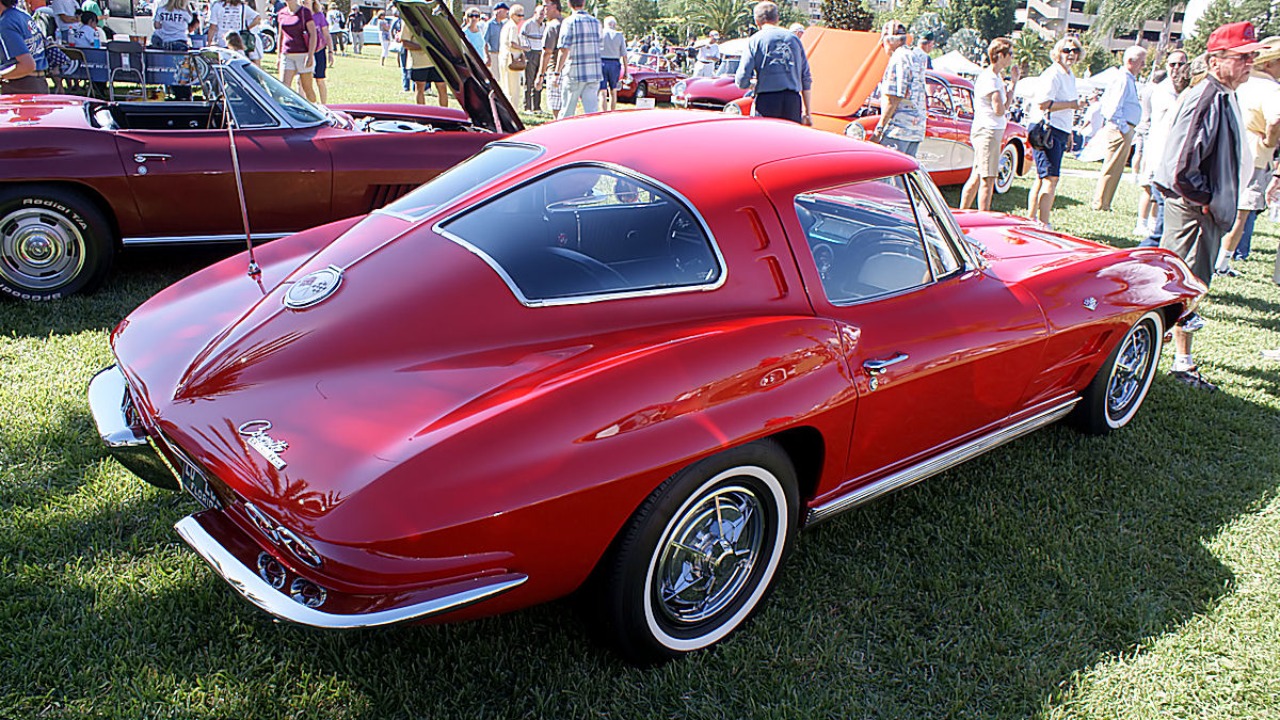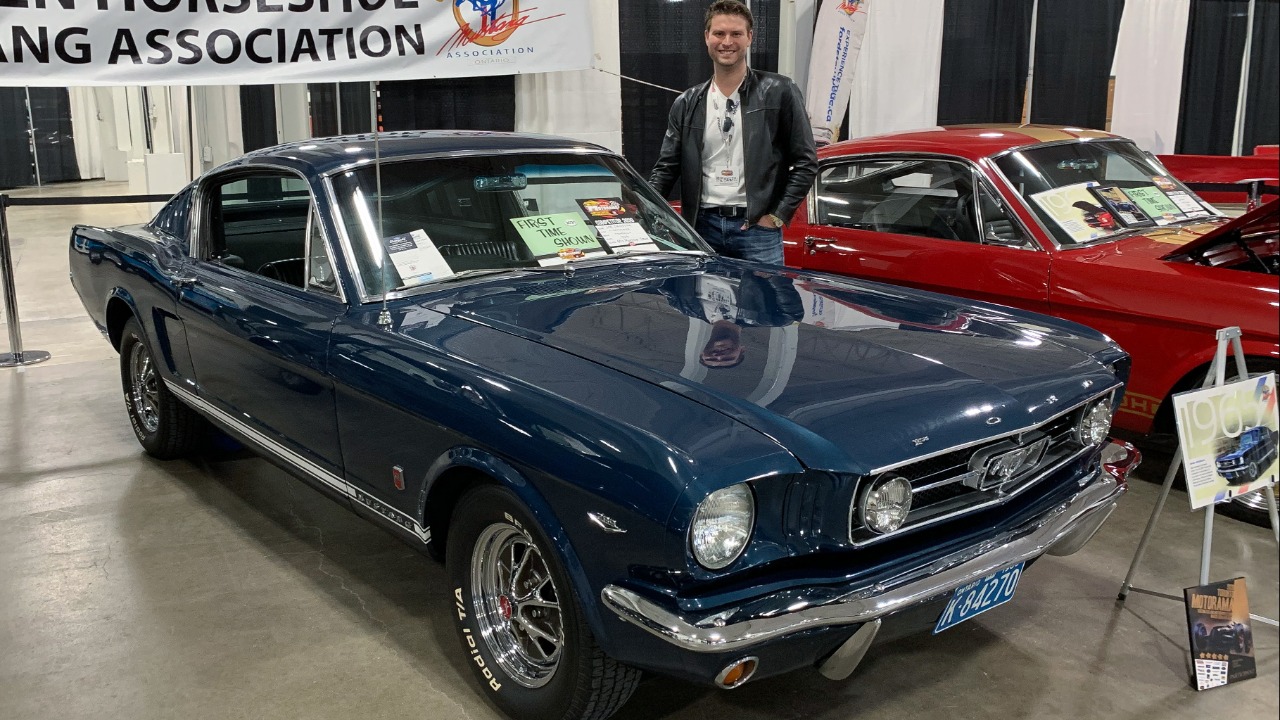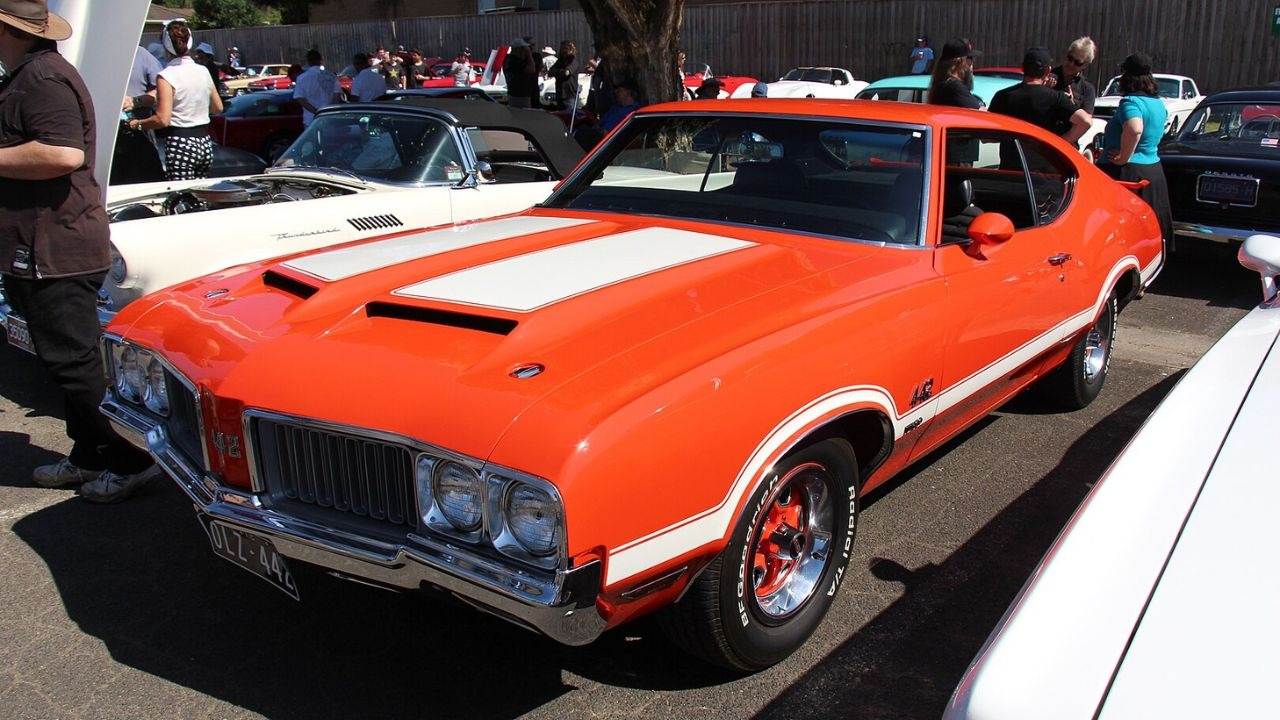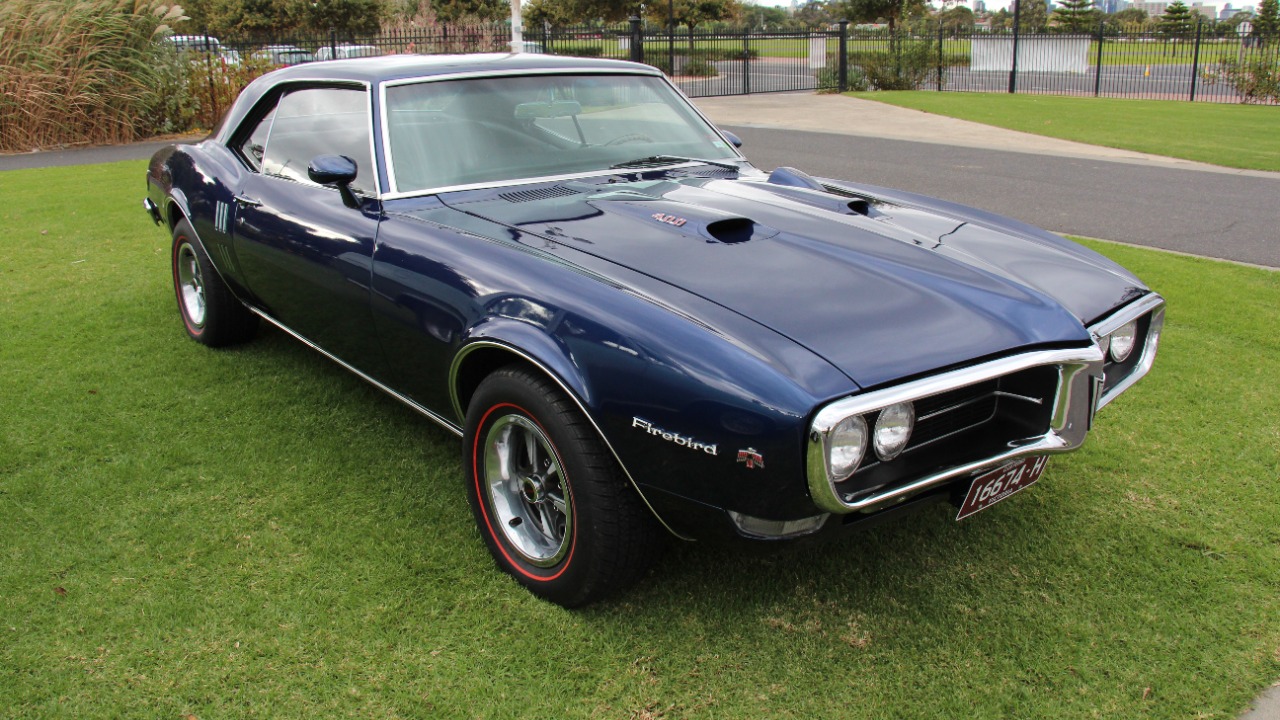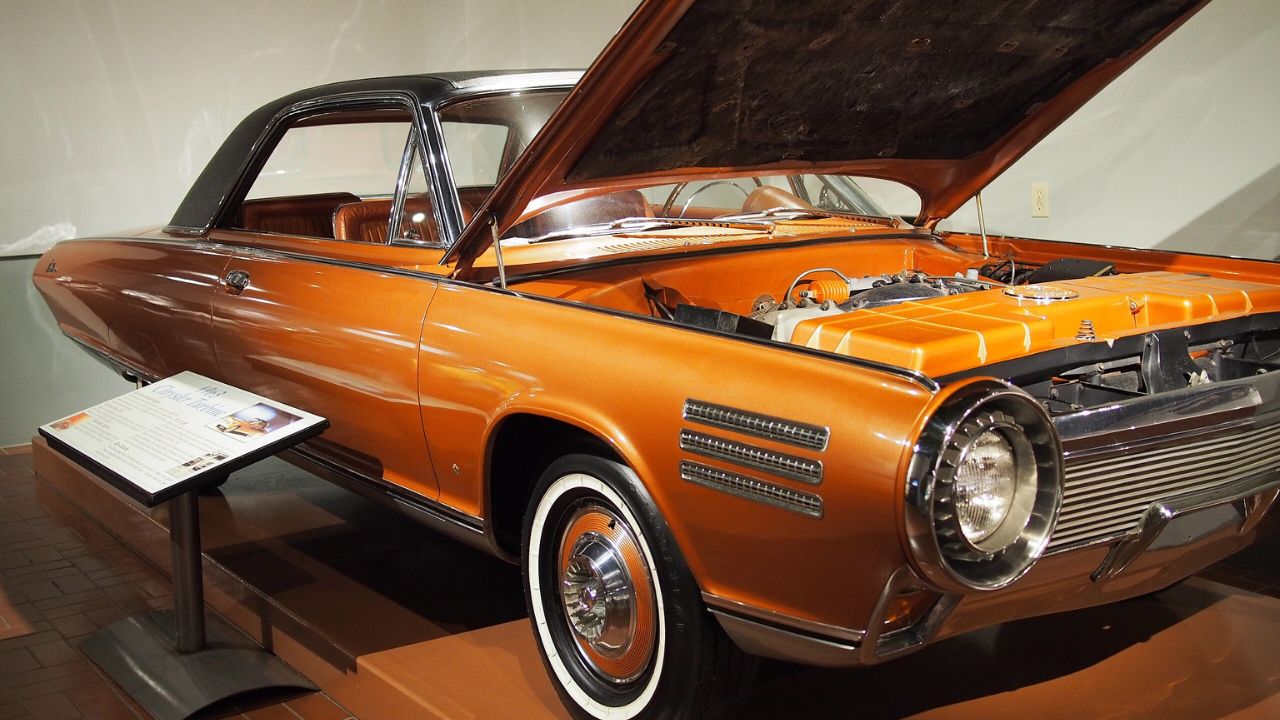
The 1960s were a vibrant era for automotive innovation, with several manufacturers experimenting with engines that offered a glimpse of the future. However, not all these pioneering powertrains stood the test of time. Here is a closer look at seven rare engines from the 1960s that, despite their promise, didn’t survive beyond their era.
Chrysler Turbine Engine
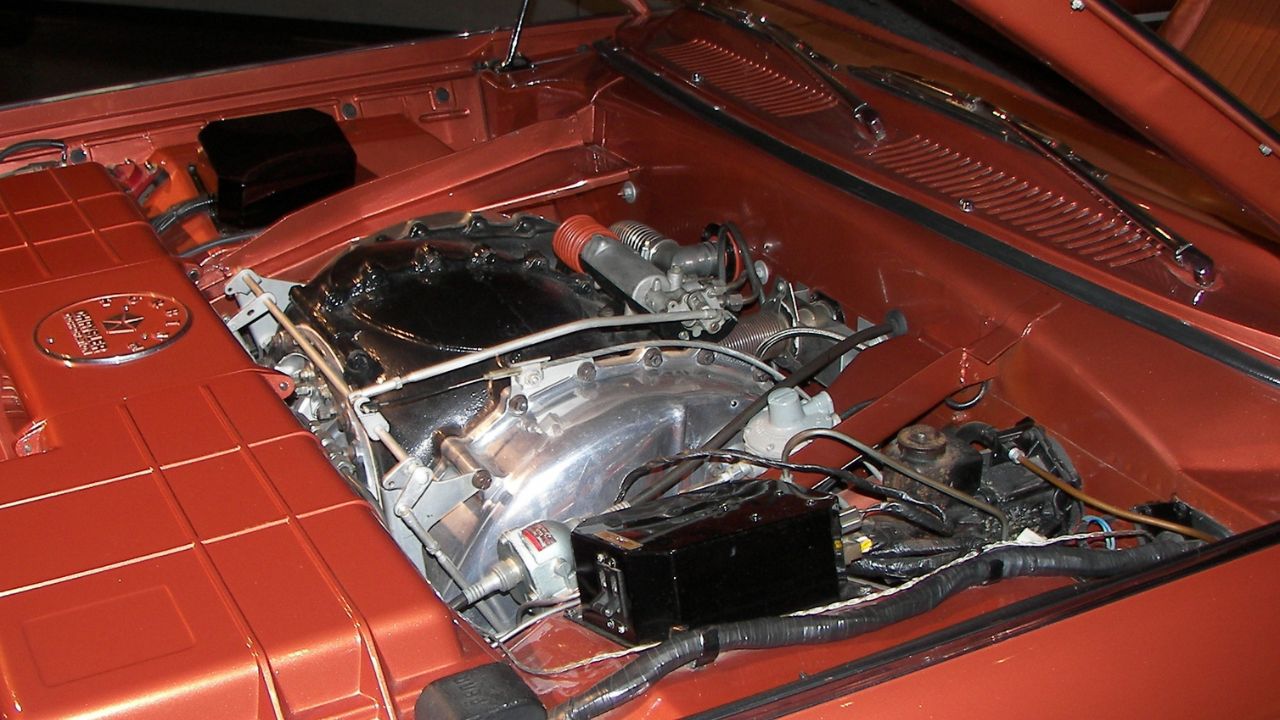
The Chrysler Turbine Engine was a groundbreaking attempt to revolutionize automotive propulsion. Between 1963 and 1964, Chrysler produced 55 Turbine cars, each equipped with a gas turbine engine. These engines could run on almost any flammable liquid, from diesel to tequila. Despite its flexibility, the turbine engine faced challenges like high production costs and poor fuel efficiency. The project was ultimately shelved, with most cars destroyed, leaving only a few surviving examples as museum pieces.
Ford DOHC Indy V8
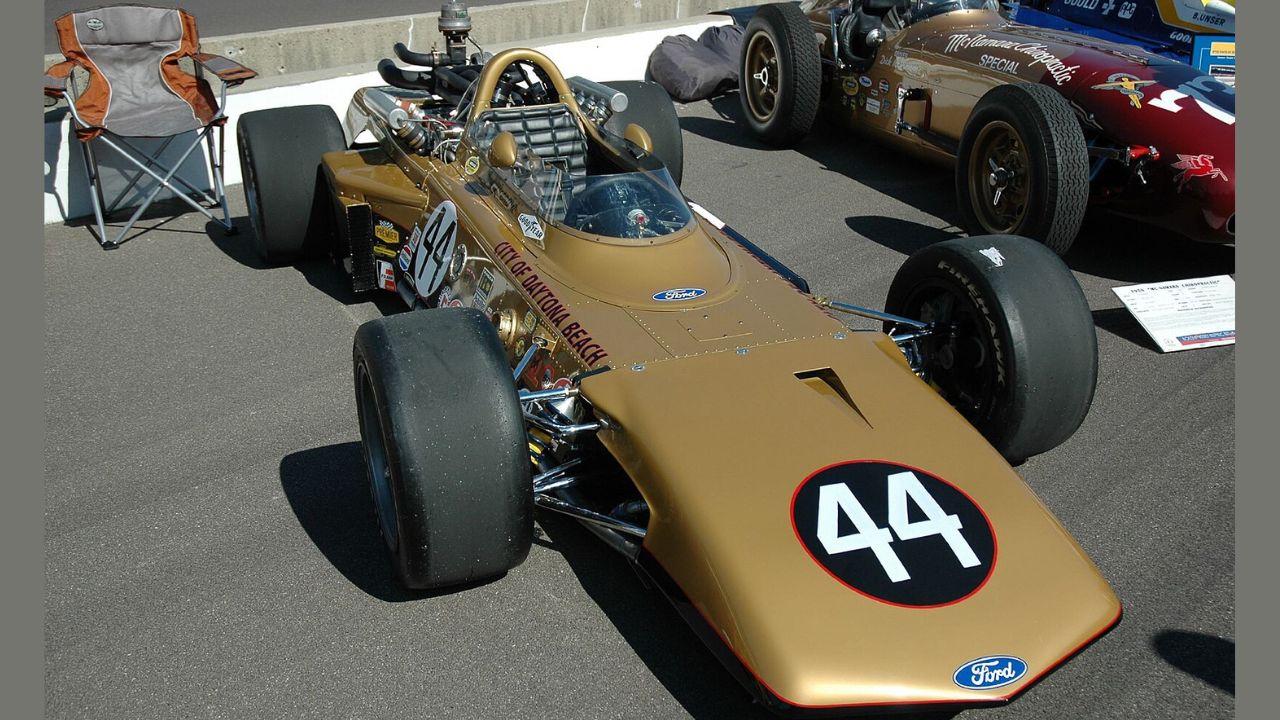
Ford’s Double Overhead Camshaft (DOHC) Indy V8 was developed specifically for the Indianapolis 500. Introduced in 1963, this engine quickly proved its worth by powering Jim Clark’s Lotus to victory in the 1965 Indy 500. Despite its success on the track, the engine was short-lived due to changes in racing regulations and the advent of more advanced technologies. The Ford DOHC Indy V8 remains a significant but fleeting chapter in motorsport history.
Chevrolet Turbo-Air 6

The Chevrolet Turbo-Air 6, famously powering the Chevrolet Corvair, was a unique air-cooled, flat-six engine produced from 1960 to 1969. Known for its unconventional design and rear-engine layout, the Turbo-Air 6 offered a distinctive driving experience. However, safety concerns and competition from more conventional vehicles led to its early demise. The Corvair’s legacy was further tarnished by Ralph Nader’s book “Unsafe at Any Speed,” which criticized its safety features.
Oldsmobile Turbo-Rocket V8
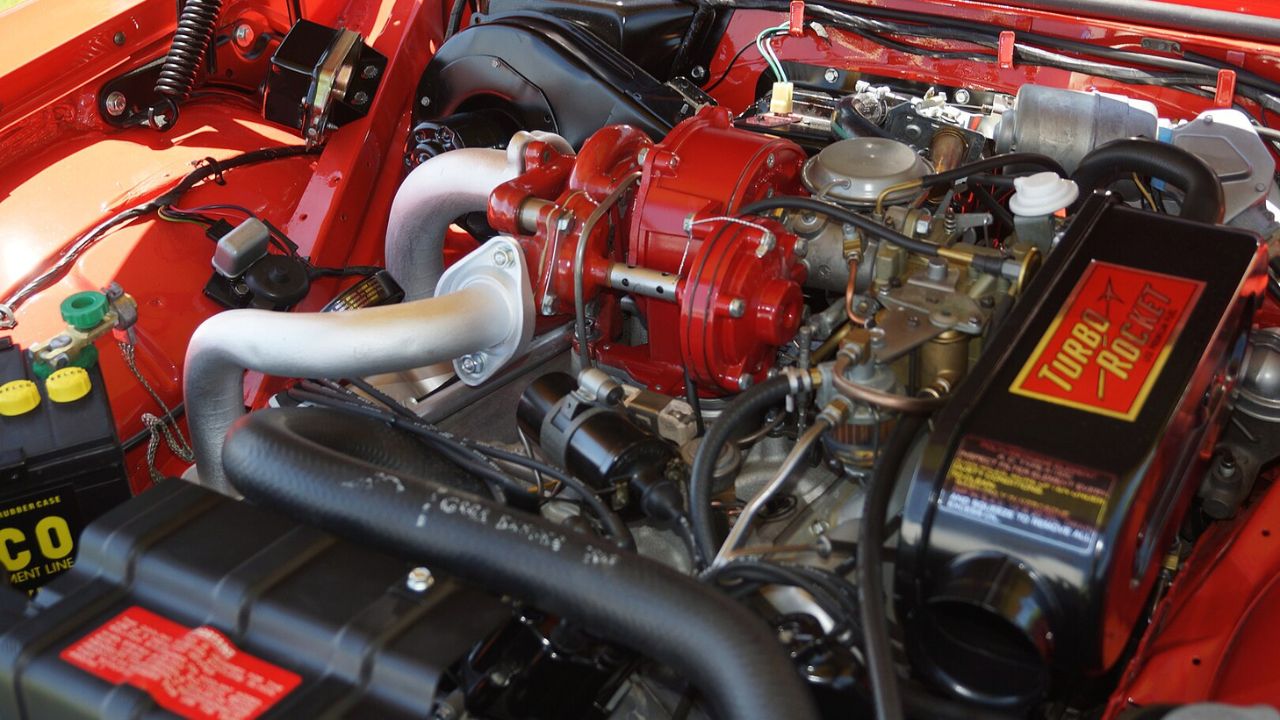
In 1962, Oldsmobile introduced the Turbo-Rocket V8, a turbocharged version of their 215 cubic inch engine, in the Jetfire model. It was among the first production cars to feature a turbocharger, offering impressive performance for its time. However, the engine required a special fluid for its turbo system, leading to maintenance issues. Ultimately, these challenges, coupled with poor sales, led to its discontinuation after just two years of production.
Pontiac SOHC Inline-6

Pontiac’s SOHC Inline-6 engine was an ambitious attempt to bring overhead camshaft technology to the masses. Launched in 1966 in the Pontiac Tempest, this engine promised improved performance and efficiency. Despite its innovative design, the engine’s complexity and higher production costs compared to traditional pushrod engines limited its appeal. By the end of the 1960s, Pontiac had ceased production of this promising powerplant.
AMC V8 with Laycock Overdrive
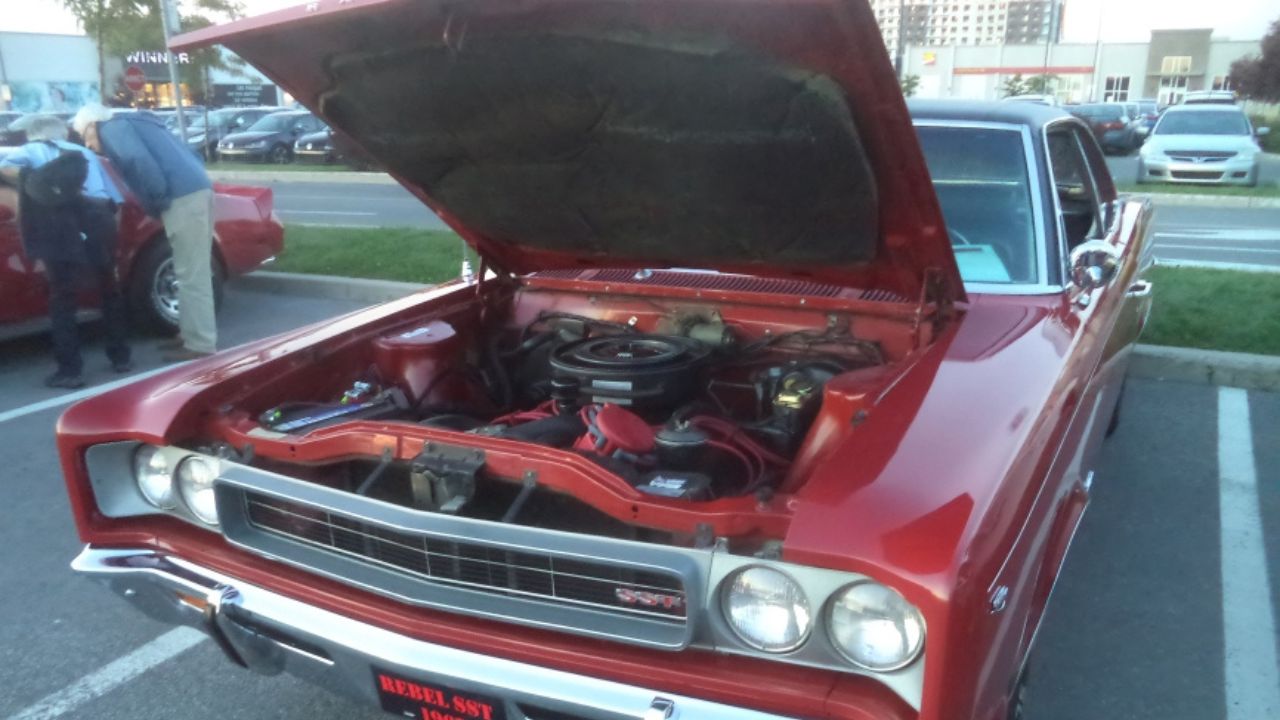
American Motors Corporation (AMC) experimented with enhancing fuel efficiency by pairing their V8 engines with a Laycock de Normanville overdrive. This setup was available in select models like the 1967 AMC Rebel. The combination aimed to improve highway fuel economy but was hampered by reliability issues and a lack of consumer interest. As a result, AMC discontinued the option after a brief production run.
Studebaker R3 Supercharged V8
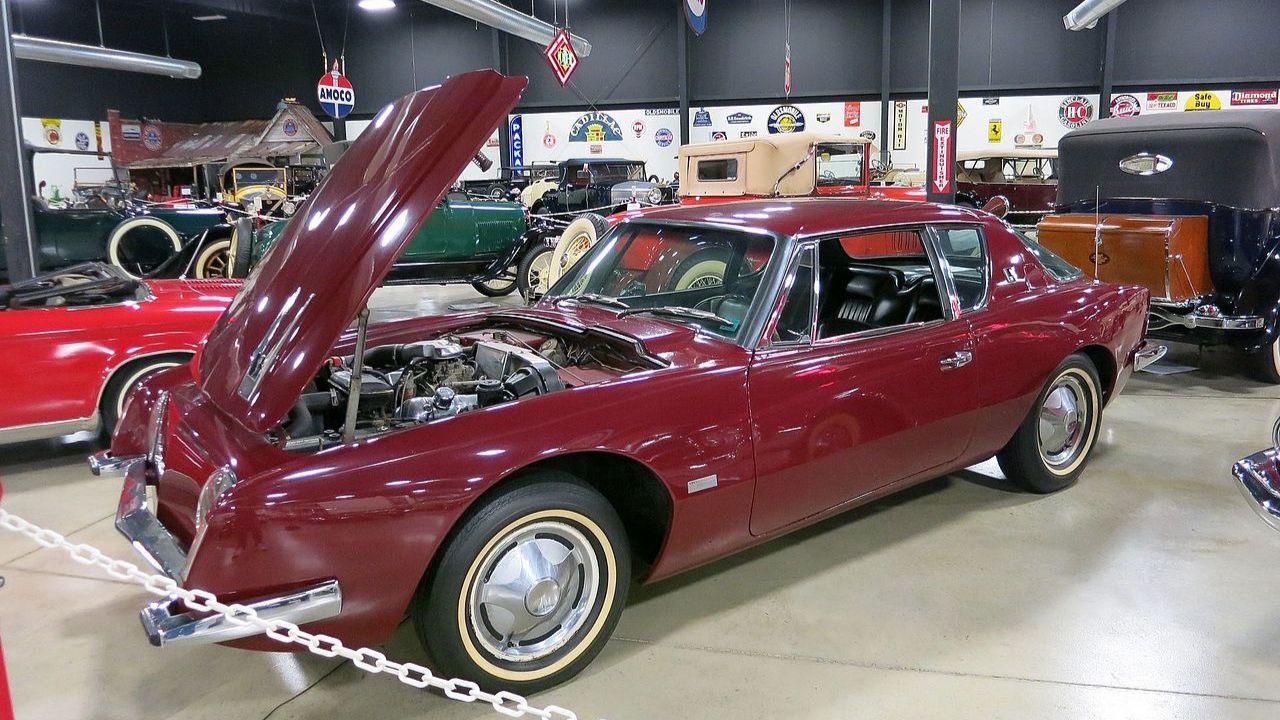
Studebaker’s R3 Supercharged V8 was a rare performance engine designed for the 1964 Avanti. Tuned by the renowned Granatelli brothers, the R3 engine featured a Paxton supercharger and a robust bottom end, delivering exceptional power. Unfortunately, Studebaker’s financial woes led to the company’s closure in 1966, cutting short the R3’s potential. Today, surviving R3 Avantis are highly sought after by collectors, serving as a testament to what might have been.
Like Fast Lane Only’s content? Be sure to follow us.
Here’s more from us:
*Created with AI assistance and editor review.