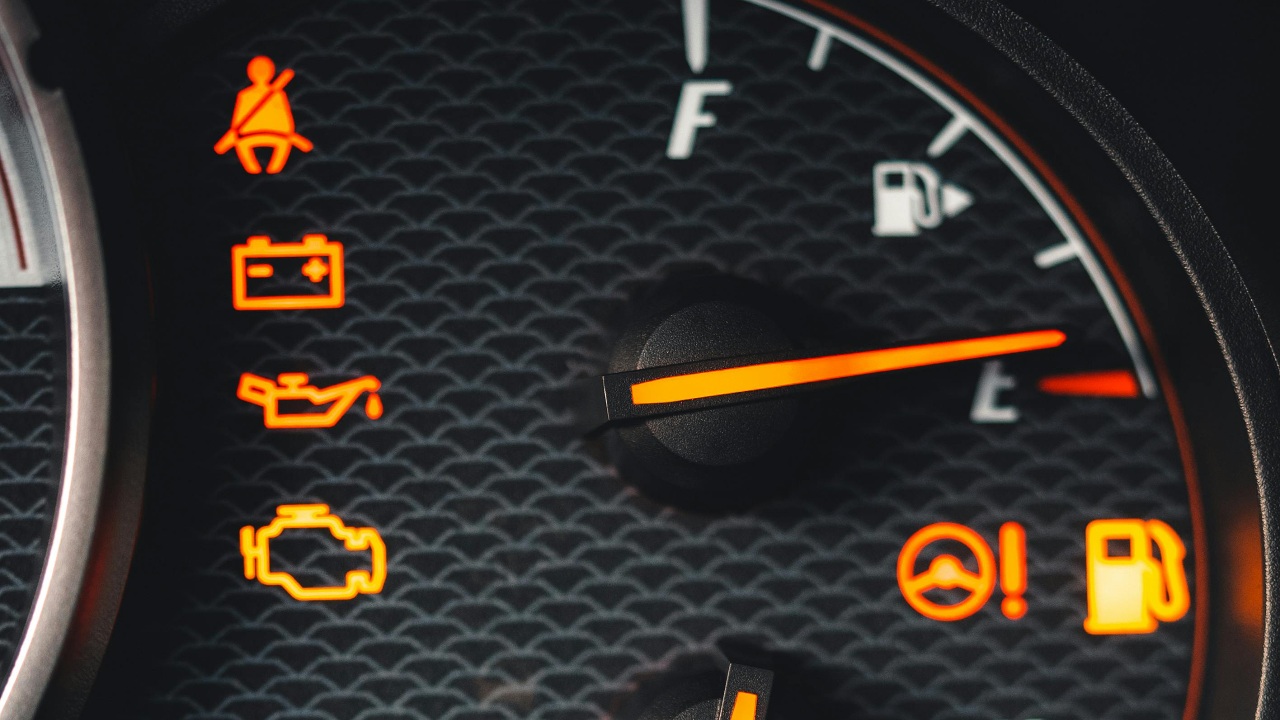
When the check-engine light snaps on, it is not a suggestion, it is your car’s way of saying something in the powertrain or emissions system needs attention. I see it as an early warning system that can flag small, inexpensive problems long before they turn into breakdowns or major repair bills.
What your check-engine light is actually telling you
At its core, the check-engine light is a status report from the engine control module, the computer that constantly monitors sensors and components throughout the powertrain. When that computer detects a reading outside the expected range, it stores a diagnostic trouble code and, if the issue meets certain thresholds, it turns on the warning lamp. Modern systems track everything from misfires and fuel mixture to evaporative emissions and catalytic converter efficiency, so a single amber icon can represent dozens of potential faults that the computer has logged as specific OBD-II codes.
How the light behaves gives you the first clue about severity. A steady check-engine light usually signals a problem that affects emissions or drivability but is not immediately catastrophic, such as a loose gas cap or a failing oxygen sensor. A flashing light, by contrast, typically indicates an active misfire that can overheat and damage the catalytic converter if you keep driving, which is why many automakers advise reducing speed and seeking service as soon as possible when the lamp blinks. That distinction between solid and flashing is built into the way OBD-II systems report faults and is reflected in how technicians interpret stored diagnostic data.
Common reasons the light comes on
In practice, a handful of issues account for a large share of check-engine warnings, and understanding them helps you decide what to do next. One of the most frequent triggers is a loose or damaged fuel cap, which lets fuel vapors escape and causes the evaporative emissions system to fail its self-test. Another routine culprit is a faulty oxygen sensor, which feeds the engine computer data on exhaust oxygen levels so it can adjust the air-fuel mixture; when that sensor degrades, the computer logs a code and often turns on the light to signal that emissions and fuel economy may suffer, a pattern reflected in many OBD-II service bulletins.
Beyond those basics, misfires and catalytic converter problems are among the more serious reasons the lamp illuminates. A misfire can stem from worn spark plugs, failing ignition coils, or fuel delivery issues, and the computer will typically store a cylinder-specific code when it detects the crankshaft speed fluctuations that misfires create. If that condition persists, raw fuel can reach the catalytic converter and overheat it, which is why converter efficiency codes often appear after extended misfire events. Repair databases that aggregate millions of shop visits consistently show misfire and catalyst efficiency codes among the most common check-engine-related repair findings.
How to interpret the light with an OBD-II scanner
To move from guesswork to clarity, I rely on an OBD-II scanner, a small device that plugs into the standardized diagnostic port under the dashboard of any car sold in the United States since the late 1990s. Once connected, even an inexpensive reader can pull the stored trouble codes and display them as alphanumeric strings such as P0301 (cylinder 1 misfire) or P0420 (catalyst system efficiency below threshold). Those codes do not tell you exactly which part to replace, but they narrow the fault to a system or component group, which is why professional technicians and DIY owners alike treat them as the starting point for any check-engine diagnosis.
Many drivers now use Bluetooth OBD-II adapters paired with smartphone apps like Torque Pro or OBD Fusion, which can read codes, show live sensor data, and clear the light after repairs. I find that live data, such as short-term fuel trim or oxygen sensor voltage, helps confirm whether a component is actually failing or if the problem lies upstream, for example in a vacuum leak that skews multiple readings. Guidance from repair manuals and technical service information stresses that codes should be interpreted as clues, not verdicts, and that proper diagnosis often combines scan data with physical inspection and, when needed, targeted tests using tools such as a smoke machine or fuel pressure gauge.
When it is safe to keep driving and when to stop
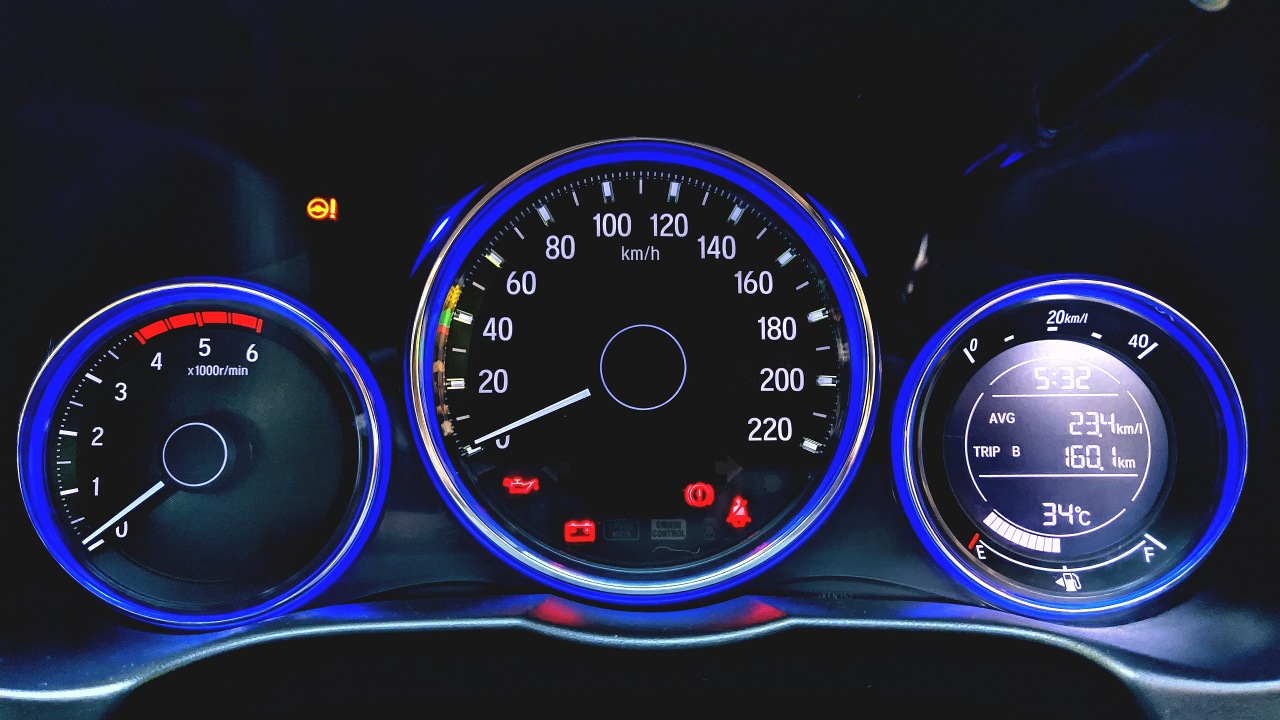
Once the light comes on, the next decision is whether to keep driving or pull over, and that choice hinges on both the lamp behavior and how the car feels. If the light is steady and the vehicle runs normally, most automaker guidance allows for short-term driving while you schedule service, particularly if the suspected cause is minor, such as a gas cap issue. On the other hand, a flashing light, noticeable loss of power, rough running, or new noises point to a condition that can damage the engine or emissions system, and in those cases I treat the warning as a prompt to reduce speed, avoid heavy loads, and seek professional help as soon as possible, a stance echoed in many owner advisories.
There are also legal and inspection implications that affect how long you can ignore the warning. In states that require emissions testing, an illuminated check-engine light usually means an automatic failure, because the OBD-II system reports that one or more readiness monitors have not passed. Some jurisdictions allow a limited number of unset monitors, but an active fault code tied to the lamp will still block a passing result. That connection between the dashboard light, stored codes, and inspection outcomes is built into state-level testing protocols that rely on OBD-II data rather than tailpipe probes for most 1996 and newer vehicles, as outlined in public inspection program documentation.
Smart next steps when the light comes on
Once I know the light is on and have a sense of urgency, I follow a simple sequence to avoid unnecessary repairs. First, I check the fuel cap, making sure it is present, undamaged, and clicked tight, then I drive for a few trips to see if the light clears after the evaporative system retests. If the lamp stays on, I use an OBD-II scanner to read the codes and note any freeze-frame data, which captures the engine conditions at the moment the fault was recorded. That snapshot, including engine load, coolant temperature, and vehicle speed, often helps pinpoint intermittent issues that might not show up during a quick test drive, a technique widely recommended in professional diagnostic standards.
From there, I decide whether the repair is within my skill set or better left to a qualified shop. Straightforward fixes, such as replacing a known-bad gas cap or upstream oxygen sensor on a high-mileage 2012 Toyota Camry, are realistic DIY jobs for many owners with basic tools. More complex faults, such as P0300 random misfire codes on a turbocharged 2018 Ford F-150, often require deeper testing to avoid throwing parts at the problem. When I do go to a shop, I bring a list of codes and symptoms but still expect the technician to perform their own diagnosis rather than relying solely on my scan, a best practice echoed in consumer repair guidance that emphasizes clear communication and evidence-based estimates.